

Do you ever open your dishwasher only to find your silverware isn’t as clean as you’d hoped? You’re not alone.
Loading silverware into a dishwasher might seem straightforward, but doing it correctly can make all the difference in achieving that sparkling clean finish. Imagine the convenience of unloading your dishwasher and finding every fork, knife, and spoon gleaming, ready for your next meal.
In this guide, we’ll reveal the secrets to mastering this seemingly simple task. Stick with us, and you’ll transform your dishwashing routine, saving time, effort, and ensuring your silverware always looks its best. Ready to elevate your dishwashing game? Let’s dive in!
Preparing Silverware For The Dishwasher
Loading silverware in the dishwasher requires attention. Place forks and spoons with handles down for better cleaning. Separate knives for safety and optimal results.
Preparing silverware for the dishwasher might seem straightforward, but a little extra care can make a big difference in how clean your utensils come out. Just tossing them in without a second thought could lead to disappointing results. With a few simple steps, you can ensure that your silverware emerges spotless and ready for your next meal.Rinsing Off Food Residue
Before placing your silverware in the dishwasher, take a moment to rinse off any food residue. This simple step can prevent food particles from sticking during the wash. Imagine the frustration of unloading clean dishes only to find a fork still with bits of last night’s pasta. Use warm water to rinse off the excess food. It makes a big difference, especially with sticky substances like cheese or sauce. You don’t need to scrub them clean; a quick rinse is often enough.Avoiding Common Mistakes
It’s easy to fall into some common traps when loading silverware. One mistake is overcrowding the utensil basket. If the silverware is too tightly packed, water and detergent can’t reach every surface effectively. Another common error is mixing different metals. This can cause reactions leading to tarnish or rust. For example, keep stainless steel and silver-plated items separate if possible. Think about how you place the utensils. Should they go handle up or down? Putting sharp knives handle up is safer for unloading, but forks and spoons can go either way. The key is to ensure they aren’t nesting, which could prevent proper cleaning. Have you ever considered how a few small changes in your routine might lead to better results? With these tips, your silverware will shine as brightly as your smile when you see them gleaming in the drawer.:max_bytes(150000):strip_icc()/Simply-Recipes-Utensils-In-Dishwasher-LEAD-01-4e42014ff003428fa27c64d789c28459.jpeg)
Credit: www.simplyrecipes.com
Choosing The Right Dishwasher Basket
Choosing the right dishwasher basket for your silverware can make a big difference in how effectively your dishwasher cleans. The basket’s design impacts not only how well your utensils get cleaned but also how convenient it is for you to load and unload them. Have you ever found yourself frustrated with tangled spoons or forks that didn’t come out clean? Understanding the types of baskets available and considerations for different materials can help you avoid these issues.
Types Of Silverware Baskets
Dishwasher baskets come in various designs, and each has its own perks. There are traditional baskets with open tops where you can drop in your silverware. These are simple and often come with dividers to keep utensils apart.
Some dishwashers feature a separate silverware tray at the top. This design allows you to lay each piece flat, which can enhance cleaning by exposing each utensil to more water. This type might be a game-changer if you’ve struggled with water spots or leftover food particles.
Other baskets come with individual slots to hold each piece upright. This setup can prevent items from nesting together, allowing for maximum exposure to water jets. Consider how you usually load your dishwasher and what features would make the process smoother for you.
Considerations For Different Materials
Not all silverware is created equal, and neither are the baskets that hold them. Stainless steel utensils are generally dishwasher safe, but you should check that your basket won’t scratch or tarnish them. A basket with a smooth finish and rounded edges can protect your utensils from damage.
Plastic silverware may require a different approach. You might worry about melting or warping, so ensure that the basket can hold them securely without letting them touch the heating elements. Baskets that can withstand high temperatures are ideal for such cases.
Do you often use wooden-handled utensils? If so, look for a basket that allows for quick drying. Moisture can damage the wood over time, so proper air circulation is crucial.
As you explore your options, think about the types of silverware you use most often. Matching the right basket to your silverware can transform your dishwashing experience from a chore to a breeze. What type of basket suits your needs best?
Arranging Silverware For Optimal Cleaning
Place silverware in a dishwasher’s basket with forks and spoons facing up for thorough cleaning. Keep knives down to prevent accidents. Separate items to avoid nesting and ensure water reaches all surfaces.
Arranging your silverware properly in the dishwasher can make a significant difference in cleaning results. It’s a simple task that, when done right, ensures your forks, spoons, and knives come out sparkling. Often, we overlook how placement impacts performance. But a few tweaks can enhance efficiency.Mixing Forks, Spoons, And Knives
Mixing different types of utensils in the dishwasher basket might seem trivial, but it can improve cleaning. When you place all forks together, they tend to nest, preventing water from reaching every surface. Mixing them with spoons and knives breaks up this pattern. Think of how the water flows during a wash cycle. When silverware is mixed, it creates spaces for water jets to clean thoroughly. This approach prevents items from sticking together and ensures each piece gets cleaned.Alternating Directions For Best Results
Alternating the direction of your silverware is another effective strategy. Place some forks, spoons, and knives with handles up and others with handles down. This variation allows water to reach more angles. Consider your safety when loading sharp knives. Placing them with blades down prevents accidents. Moreover, alternating directions keeps the basket balanced, preventing overcrowding. Such small adjustments can lead to cleaner utensils and a safer kitchen routine. Have you noticed any differences in cleanliness with various loading techniques? Experiment and find what works best for your dishwasher. Your silverware deserves the best care for a sparkling finish.:strip_icc()/silverwaredirection_v1-7ca82e8f467049a6953b9fc9b4879dfd.png)
Credit: www.bhg.com
Safety Tips For Loading Knives
Loading knives in a dishwasher requires careful attention. This ensures both safety and efficiency. Mishandling sharp knives can lead to injuries. It might also damage your dishwasher. This section provides essential safety tips. Learn how to load knives properly for safe cleaning.
Positioning Sharp Edges
Always place knives with their sharp edges facing down. This reduces the risk of accidental cuts. It also ensures water can reach all parts of the knife. Place knives in the silverware basket. Ensure they are not crowded. This allows thorough cleaning and safe handling.
Preventing Dishwasher Damage
Improper knife placement can damage your dishwasher. Avoid placing knives horizontally. They might block the spray arms. This can prevent effective cleaning. Use the designated slots in the silverware basket. This keeps knives stable and secure. Ensure no knife points towards the dishwasher’s interior walls. This prevents scratches and potential damage.
Special Care For Delicate Silverware
Delicate silverware demands special attention during cleaning. Not all silver items are dishwasher-safe. Silver-plated items, in particular, require careful handling. These items can tarnish or damage easily. To keep them shining, follow specific guidelines. Protect your valuable pieces by considering handwashing and detergent choices.
Handwashing Silver-plated Items
Silver-plated items are sensitive to harsh environments. Dishwashers can be rough on them. Handwashing is a safer method. Use lukewarm water and mild soap. Avoid abrasive scrubbers. A soft sponge is ideal. Gently clean each piece. Rinse thoroughly to remove soap residue. Dry immediately with a soft cloth to prevent water spots.
Avoiding Dishwasher Detergents
Many detergents contain chemicals harmful to silver. These can cause tarnishing or corrosion. Opt for a detergent-free wash for silver items. If necessary, choose a detergent labeled as silver-safe. Avoiding harsh chemicals preserves the shine. This care ensures your silverware remains pristine. Always check detergent labels for safe use with silverware.
Maximizing Space And Efficiency
Organizing silverware properly in a dishwasher boosts space and efficiency. Place forks and spoons with handles up, ensuring thorough cleaning. Knives should face down for safety, preventing accidental cuts. Mix items to avoid nesting and promote optimal water flow.
Maximizing space and efficiency in your dishwasher can transform your dishwashing routine. It’s not just about fitting everything in; it’s about ensuring each item gets thoroughly cleaned. A well-loaded dishwasher saves you time, energy, and even reduces water usage.Avoiding Overloading
Overloading your dishwasher can lead to poor cleaning results. You might think squeezing in that extra spoon saves time, but it often means some items won’t get cleaned properly. It’s better to run another cycle than to redo the washing by hand. Balancing the load is key. Make sure there’s enough space between utensils for water and detergent to circulate. This ensures every piece comes out sparkling, not spotted or greasy. Consider your dishwasher’s capacity. If you constantly find yourself overloading, you might need to adjust how often you run it, or evaluate if a larger machine is necessary for your household size.Strategic Placement Techniques
Strategic placement of silverware enhances cleaning efficiency. Always place knives with their handles up for safety and forks and spoons with their handles down. This simple technique not only prevents injuries but also ensures each utensil is exposed to the spray arms. Mix different types of utensils in the basket. When similar items nest together, like spoons, they often don’t get fully cleaned. By alternating types, you minimize this risk and maximize exposure to water. Think about your silverware’s material. Stainless steel can usually go anywhere, but delicate silver pieces might need special care. Ensure they’re spaced apart to avoid scratching or tarnishing during the wash cycle.Have you ever noticed a sticky residue on your spoons after a wash? Or found yourself rewashing dishes more often than you’d like? By simply adjusting how you load your dishwasher, you can make your cleaning process more efficient and effective. Try these tips next time and observe the difference!
Maintenance Tips For Silverware Baskets
Properly loading silverware in a dishwasher ensures cleanliness and prevents damage. Place forks and spoons with handles down, while knives should face up for safety. Avoid overcrowding to allow water to reach every piece.
If you want your dishwasher to work efficiently and extend the life of your silverware basket, regular maintenance is key. Simple steps can make a big difference in keeping your silverware baskets in top shape. Not only will this help ensure that your dishes come out sparkling clean, but it will also save you from unexpected costs and frustrations down the road.Regular Cleaning And Inspection
Maintaining a clean silverware basket is easier than you might think. Start by removing the basket from the dishwasher and giving it a thorough rinse under warm water. This helps remove any food particles or detergent residue that might have accumulated. Don’t forget to inspect the basket for any signs of damage or wear. Look for cracks or broken parts that could scratch your silverware or affect the basket’s functionality. A simple inspection can save you from bigger issues later on. Consider setting a regular schedule for this task. Perhaps every two weeks, just like you check your car’s oil or water plants. Keeping your silverware basket clean and in good condition will ensure your dishwasher performs at its best.Replacing Damaged Parts
If you notice any damage during your inspection, it’s time to take action. Broken sections can lead to poorly cleaned silverware or even damage your dishwasher. You might think replacing parts is daunting, but it’s often as simple as ordering the right component and swapping it out. Check the manufacturer’s website or your dishwasher’s manual for guidance on replacement parts. Many brands offer easy-to-follow instructions or videos online. This small effort can make your dishwasher run more smoothly and effectively. Have you ever put off replacing a broken part, only to regret it when things got worse? Avoid that situation by acting promptly. Remember, maintaining your silverware basket is an investment in your dishwasher’s longevity and performance. Taking these simple steps can ensure your dishwasher does its job well, leaving your silverware spotless and your kitchen routine hassle-free. So, next time you load your silverware, take a moment to consider the state of your basket—your future self will thank you.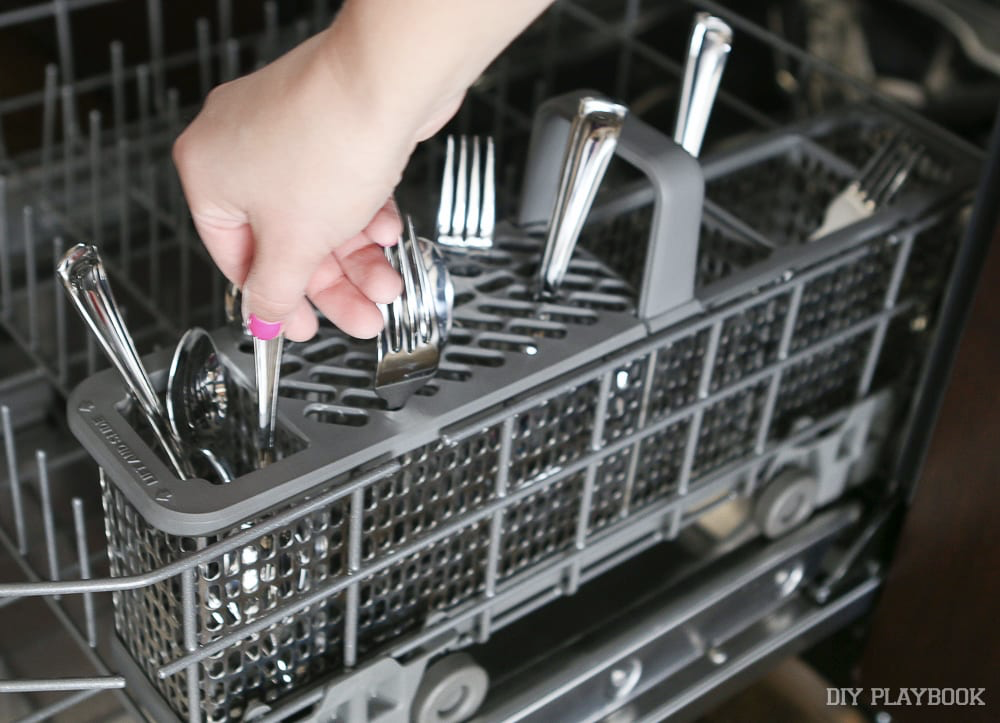
Credit: www.dvo.com
Frequently Asked Questions
What Is The Best Way To Put Silverware In A Dishwasher?
Place silverware handles down in the dishwasher basket. Mix forks, knives, and spoons to prevent nesting. Ensure sharp knife blades face down for safety. Avoid overcrowding to allow proper water circulation. Use the designated silverware compartment for optimal cleaning.
What Is The Correct Way To Stack Cutlery In The Dishwasher?
Place forks and spoons with handles down for better cleaning. Position knives with blades down for safety. Avoid overcrowding to ensure proper water flow. Mix cutlery types to prevent nesting and enhance cleaning efficiency. Use designated cutlery basket sections for optimal organization.
Should You Put Cutlery Up Or Down In The Dishwasher?
Place cutlery handles down in the dishwasher for better cleaning. Sharp knives should be handles up for safety. This arrangement allows efficient water flow and prevents injury while unloading. Ensure spacing for optimal cleaning and avoid overcrowding. Adjust based on dishwasher model instructions for best results.
What Is The Correct Way To Load Your Dishwasher?
Load the dishwasher by placing large items at the back and sides. Keep dishes facing the center. Put glasses and cups on the top rack. Ensure utensils are placed handle down in the cutlery basket. Avoid overcrowding for effective cleaning.
Conclusion
Loading silverware in a dishwasher isn’t complex. Proper placement ensures clean results. Forks and spoons should face up. Knives should point down for safety. Mix forks and spoons to avoid nesting. Spread them out evenly. This helps water reach all surfaces.
Avoid overcrowding the basket. Check your dishwasher manual for specific tips. Proper loading can save time and water. It also keeps your utensils in better condition. Practice makes perfect. Soon, you’ll load silverware like a pro. Enjoy your sparkling clean utensils every time.
