
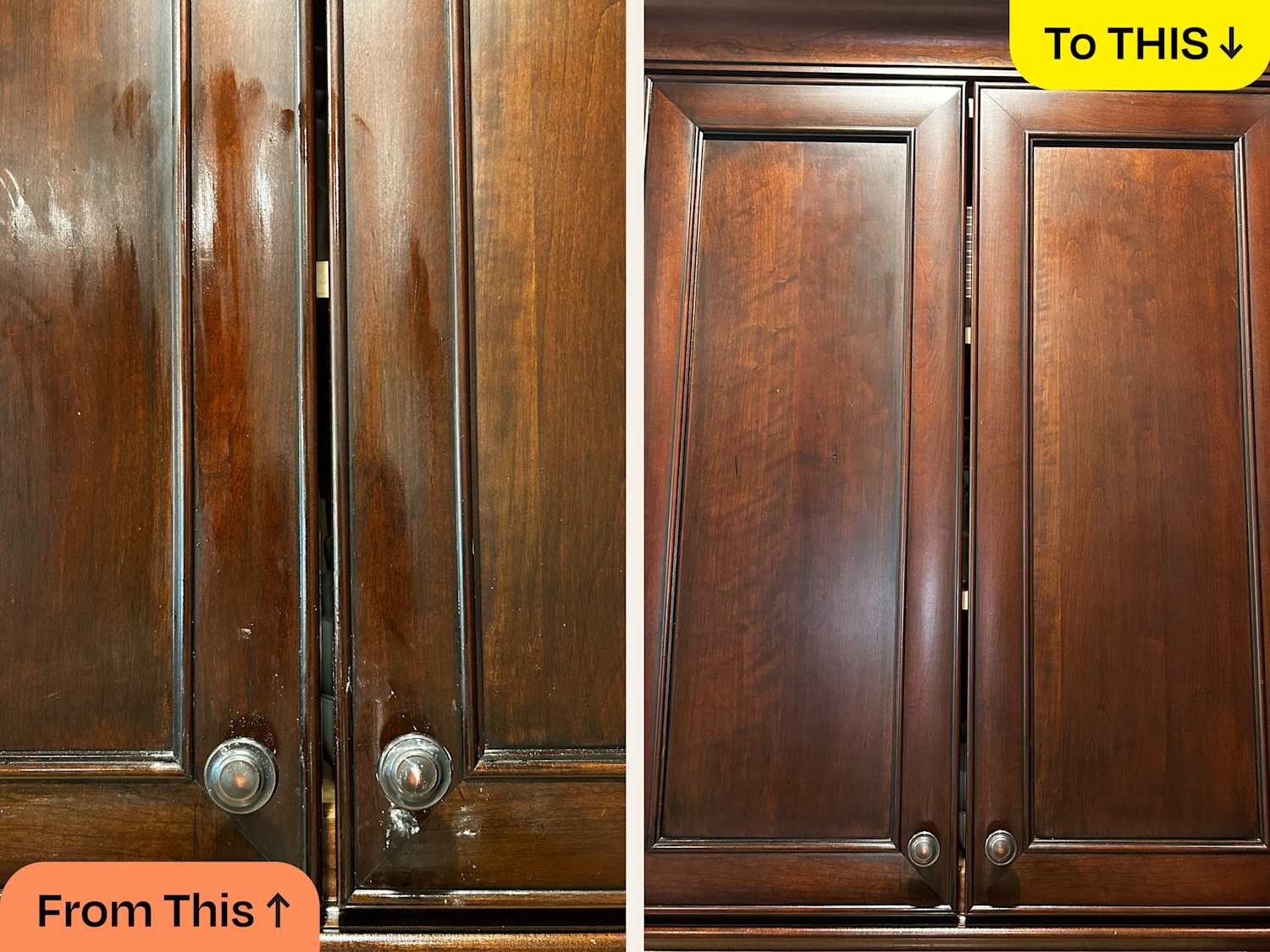
Are you tired of sticky residue and greasy fingerprints on your kitchen cabinets? You’re not alone.
Keeping kitchen cabinets clean can feel like an endless task, especially if you’re whipping up meals every day. But what if cleaning them was simpler than you thought? Imagine opening your kitchen to see shiny, spotless cabinets that make the whole room sparkle.
We’ll reveal the best methods to clean kitchen cabinets effortlessly, saving you time and leaving your kitchen looking brand new. Ready to transform your cooking space into a cleaner, more inviting environment? Let’s dive in and discover how you can achieve pristine cabinets with ease.
Choosing The Right Cleaning Products
Selecting the best cleaning products for kitchen cabinets ensures a spotless and fresh look. Choose gentle, non-abrasive cleaners that protect cabinet surfaces. Regular maintenance prevents stains and keeps your kitchen pristine.
Choosing the right cleaning products for your kitchen cabinets is vital. It ensures cleanliness without causing damage. The wrong cleaner can harm the cabinet finish or material. Selecting the best cleaning product requires understanding what works for your specific needs. You should consider the type of cleaner, its ingredients, and its impact on the environment.Natural Vs. Chemical Cleaners
Natural cleaners often use ingredients like vinegar and baking soda. They are gentle and safe for most surfaces. These cleaners are ideal for families sensitive to chemicals. Chemical cleaners, on the other hand, are stronger and can tackle tough stains. But they might contain harsh ingredients. They can sometimes affect the cabinet’s finish. Always check the cleaner’s label for safety.Eco-friendly Solutions
Eco-friendly cleaners are gaining popularity. They are safe for the environment and your health. These solutions use biodegradable ingredients. They reduce the carbon footprint. Many brands offer plant-based cleaning products. They work well and are gentle on surfaces. Choosing eco-friendly options helps protect the planet. It also keeps your kitchen free from harmful chemicals.Understanding Cabinet Material
Cabinet material affects the choice of cleaner. Wooden cabinets need specific care. Avoid excess moisture that can warp the wood. Use a damp cloth and mild soap for cleaning. Laminate cabinets are more resistant. They can handle stronger cleaners. But check for any abrasive particles that might scratch. Metal cabinets need rust protection. Use a specialized cleaner for these types. Always test a small area first. This ensures no adverse reaction.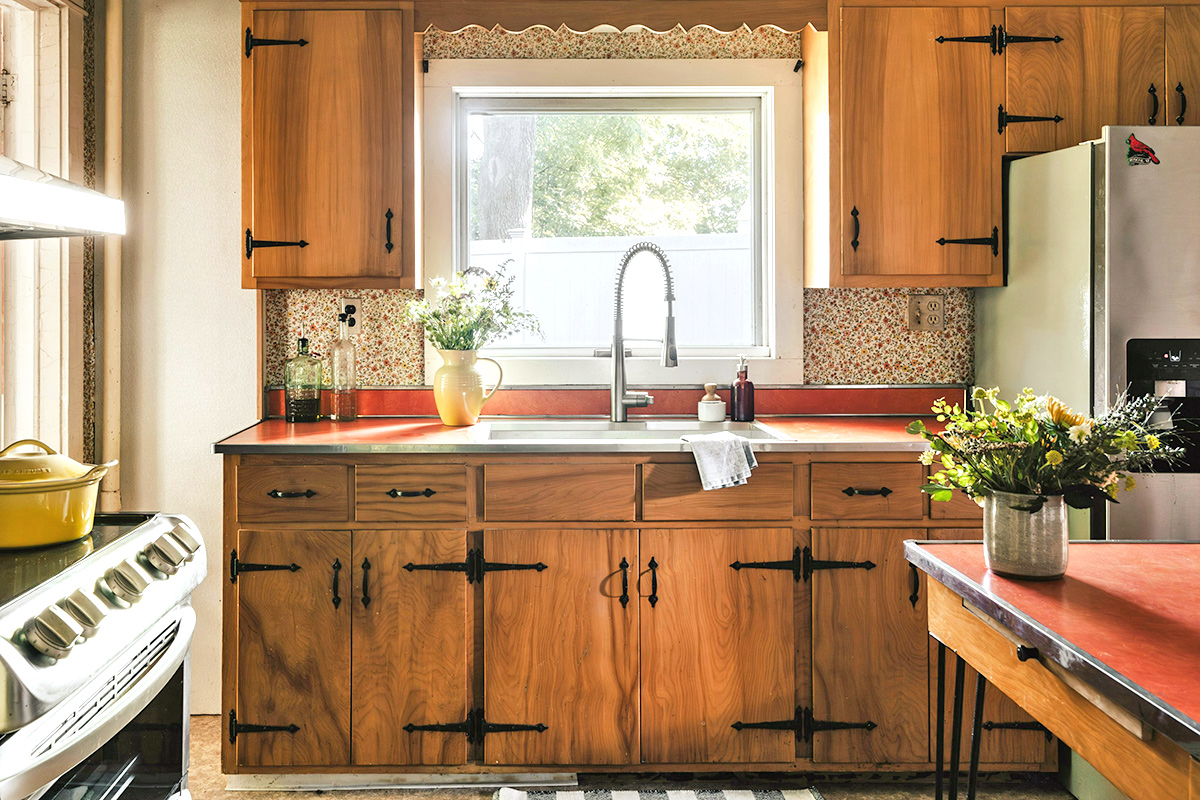
Credit: houseoutlook.com
Effective Cleaning Techniques
Cleaning kitchen cabinets effectively involves using mild soap and warm water. Gently scrub with a soft cloth or sponge. Dry thoroughly to prevent moisture damage. Regular maintenance ensures longevity and keeps your kitchen looking fresh and tidy.
Cleaning kitchen cabinets effectively is essential to maintain their appearance and longevity. It’s not just about wiping them down; it’s about using techniques that ensure every crevice is spotless without damaging the material. Let’s explore some of these effective cleaning techniques that will help you keep your cabinets looking pristine.Gentle Scrubbing Methods
Start with a microfiber cloth or a soft sponge. These tools are gentle yet effective in removing dust and grime without scratching the surface. Mix a solution of warm water and mild dish soap. This combination is safe for most cabinet materials and is excellent for cutting through grease. Apply the solution to your cloth and gently scrub the cabinet surfaces. Move in circular motions to avoid streaks and ensure a thorough clean. Use a toothbrush for intricate areas like corners and edges. Its small size allows it to reach places a regular cloth can’t.Avoiding Damage
Test your cleaning solution on a small, inconspicuous area first. This step helps ensure the cleaner won’t discolor or damage your cabinets. Avoid using harsh chemicals or abrasive cleaners. These can strip finishes and cause long-term damage. Steer clear of soaking your cabinets with water. Excess moisture can warp wood or cause peeling in laminated surfaces. Dry the cabinets immediately after cleaning. Use a dry cloth to remove any residual moisture and prevent water spots. Have you ever wondered why some cabinets look dull even after cleaning? It’s often due to using the wrong cleaning techniques. By following these methods, you can keep your kitchen cabinets in top shape without any hassle.Regular Maintenance Tips
Clean kitchen cabinets regularly to keep them looking fresh. Use a gentle cleaner suitable for wood surfaces. Wipe down with a soft cloth to remove dirt and grease.
Regular maintenance of kitchen cabinets keeps them looking fresh. It also extends their lifespan. Simple habits can make a big difference. Follow these regular tips for a clean kitchen.Daily Cleaning Habits
Wipe cabinets with a damp cloth. This removes spills and fingerprints. Use a mild soap if needed. Dry with a clean towel. Avoid harsh chemicals. They damage finishes. Check handles and knobs for grime. Clean them often.Monthly Deep Clean
Inspect cabinets for stains or sticky spots. Use a gentle cleaner. Vinegar mixed with water works well. Clean inside and outside of doors. Empty cabinets and vacuum crumbs. Wash shelves with soap and water. Dry thoroughly. Check hinges and screws. Tighten them if loose.
Credit: lifehacker.com
Tackling Tough Stains
Kitchen cabinets often face tough stains that require special attention. Tackling these stains can make a big difference in your kitchen’s look. Whether it’s grease, grime, or water spots, knowing the right techniques is key.
Grease And Grime Removal
Grease stains are common in kitchens. They stick easily to cabinet surfaces. To remove them, start with a mixture of warm water and vinegar. Vinegar cuts through grease effectively. Spray the solution onto the stained area. Allow it to sit for a few minutes. Then, use a soft cloth to wipe the grease away. For stubborn stains, add baking soda to the mix. This creates a gentle scrub that removes grime without scratching. Regular cleaning keeps cabinets looking fresh and prevents build-up.
Dealing With Water Spots
Water spots can mar the beauty of kitchen cabinets. They often form from splashes and spills. To tackle these, use a mixture of equal parts vinegar and water. Dampen a cloth with the solution and gently rub the spots. This helps lift the mineral deposits causing the stains. For tough spots, a paste of baking soda and water works well. Apply the paste to the spot and let it sit for a few minutes. Then, wipe away with a damp cloth. Dry the area thoroughly to prevent new spots from forming.
Organizing After Cleaning
Cleaning kitchen cabinets is the first step to a well-organized space. Wipe surfaces thoroughly to remove grime. After cleaning, arrange items based on usage frequency for easy access.
Organizing your kitchen cabinets after cleaning can transform your cooking space into a more functional and enjoyable environment. Once the grime and dust are gone, it’s time to focus on making the most of your storage. An organized kitchen means less time searching for what you need and more time creating delicious meals.Optimizing Storage Space
Maximize every inch of your cabinet space by using stackable storage solutions. Consider using clear bins to group similar items together, making it easy to locate them at a glance. Have you ever thought about using the inside of cabinet doors for extra storage? Install hooks or small racks to hold measuring spoons or pot lids. Vertical space is often underutilized. Add shelf risers to double your storage capacity. Place frequently used items at eye level for easy access. Lazy Susans can also be a game-changer for corner cabinets, allowing you to rotate and reach items effortlessly.Maintaining Order
Commit to a routine to keep your cabinets organized. Regularly check expiration dates and discard expired products. This habit not only keeps your kitchen tidy but also ensures you’re not holding onto items that could potentially spoil. Labeling can be your best friend when it comes to maintaining order. Use labels for bins, jars, and containers to quickly identify contents. This simple step can save you time during meal prep. Encourage family members to return items to their designated spots. Consistency is key in maintaining an organized kitchen. A small effort from everyone can lead to a harmonious and efficient cooking space.Expert Advice On Cabinet Care
Keeping your kitchen cabinets clean can seem like a daunting task. Yet, with expert advice, you can maintain them in pristine condition. Understanding the nuances of cabinet care can save you time and effort.
Professional Cleaning Insights
Professional cleaners often recommend a gentle approach to cabinet care. Using a mild soap and warm water, you can effectively remove grease and grime. For tougher stains, a mixture of vinegar and water can be a powerful ally.
Microfiber cloths are your best friend when wiping down surfaces. They trap dirt better than cotton towels and won’t scratch your cabinets. Regular maintenance, like wiping down spills immediately, prevents buildup and keeps your kitchen sparkling.
Common Mistakes To Avoid
One common mistake is using harsh chemicals, which can damage cabinet finishes. Instead, opt for natural cleaning solutions. Another error is neglecting the cabinet tops and edges, which can accumulate dust over time.
Over-wetting the cabinets is another pitfall to avoid. Excessive moisture can lead to warping or discoloration. Always dry your cabinets thoroughly after cleaning to prevent damage.
Are you guilty of using abrasive sponges? These can scratch the surface and dull the finish. Stick to soft cloths for a safe and effective clean.

Credit: www.cabinet-corner.com
Frequently Asked Questions
What Is The Best Thing To Clean Kitchen Cabinets With?
Use a mixture of warm water and mild dish soap to clean kitchen cabinets. Apply with a soft cloth. Rinse with a damp cloth and dry thoroughly. For stubborn stains, use a baking soda paste. Avoid harsh chemicals to prevent damage.
Is Murphy’s Oil Soap Good For Kitchen Cabinets?
Murphy’s Oil Soap is effective for cleaning kitchen cabinets. It gently cleans and maintains wood surfaces without harming them. Use a diluted solution to avoid residue. Always test on a small area first. Regular cleaning with Murphy’s can keep cabinets looking new and enhance their lifespan.
Can I Use Dawn To Clean My Kitchen Cabinets?
Yes, you can use Dawn to clean kitchen cabinets. Mix it with warm water for best results. Apply gently with a soft cloth to avoid damage. Rinse and dry thoroughly to prevent residue. Always test on a small area first.
How Do You Clean Kitchen Cabinets Without Damaging The Finish?
Use a gentle dish soap mixed with warm water to clean cabinets. Use a soft cloth or sponge. Avoid abrasive cleaners or scrubbing pads. Dry with a clean towel immediately after cleaning to protect the finish. Regular maintenance prevents buildup and keeps cabinets looking pristine.
Conclusion
Clean kitchen cabinets make a big difference. They brighten the space. They also ensure a healthier environment. Regular cleaning prevents dust buildup. It also keeps stains away. Use mild soap and water. Don’t forget soft cloths. They avoid scratches. Vinegar works well for tough spots.
Baking soda handles grease easily. Always dry cabinets after cleaning. It stops moisture damage. Organize items neatly inside. This makes cooking easier. Cleaning cabinets isn’t hard. It just needs a little time. Enjoy a fresh kitchen. Your cabinets will thank you!
