
Do you ever open your dishwasher, expecting to see sparkling clean dishes, only to be greeted by an unpleasant smell or bits of food debris? If so, you’re not alone.
Many people overlook the fact that dishwashers, like any other appliance, need regular cleaning to function at their best. Imagine the satisfaction of opening your dishwasher to find it not only spotless but also smelling fresh. In this guide, you’ll discover simple and effective steps to clean the inside of your dishwasher, ensuring it works efficiently and keeps your dishes immaculate.
Say goodbye to grime and hello to a gleaming appliance that will make your daily chores feel less like a task and more like a breeze. Keep reading to learn how to transform your dishwasher into the cleaning powerhouse it was meant to be.
Preparation Steps
Cleaning the inside of your dishwasher is essential for its efficiency. Proper preparation ensures a thorough cleaning process. Follow these steps to get your dishwasher ready for a deep clean. This helps maintain its performance and longevity.
Gather Cleaning Supplies
Start by collecting necessary items. You’ll need white vinegar and baking soda. A soft brush or toothbrush is useful for scrubbing. Ensure you have a cloth or sponge for wiping surfaces. Gloves protect your hands during the process.
Safety Precautions
Safety is important. Turn off the power to the dishwasher. This prevents any electrical accidents. Open windows or doors for ventilation. Use gloves to protect your skin from cleaning agents. Keep children and pets away during cleaning.
Empty The Dishwasher
Keeping your dishwasher clean ensures it works efficiently. The first step is to empty it. This may seem obvious, but there’s more to it. A thorough job prevents future cleaning problems. Let’s dive into the details.
1. Remove All Dishes And Utensils
Begin by taking out all dishes. Ensure no utensils are left behind. Check every rack carefully. Leftover items can block cleaning. They can also cause damage. So, make sure everything is removed.
2. Inspect The Dishwasher Racks
Once empty, inspect the racks. Look for any food debris. Small particles can hide in corners. Remove them using a damp cloth. This prevents build-up and odors. A clean rack equals a clean wash.
3. Check For Loose Objects
Inspect the bottom of the dishwasher. Sometimes, small objects fall. They can damage the machine. Remove any you find. This ensures smooth operation during cleaning.
4. Pull Out The Bottom Rack
Pulling out the bottom rack allows better access. It helps in cleaning the interior. Look for any trapped food particles. Removing them helps in better maintenance.
5. Examine The Dishwasher’s Spray Arms
Check the spray arms for clogs. Food particles can block them. This affects water flow. Use a toothpick to clear any debris. Proper flow ensures efficient cleaning.
Inspect And Clean The Filter
Regularly inspect and clean the dishwasher filter to ensure efficient operation. Remove food debris and rinse under warm water. This simple task prevents clogs and maintains dishwasher performance.
Cleaning the inside of your dishwasher, especially the filter, is crucial for optimal performance and hygiene. You might not realize it, but the filter is the first line of defense against food particles and debris. Neglecting this small component can lead to unpleasant odors and even clog your dishwasher, impacting its efficiency. Taking some time to inspect and clean the filter can save you from the hassle of poorly cleaned dishes and potential repairs.Locate The Filter
First, you need to find the filter, which is usually located at the bottom of your dishwasher. Start by removing the bottom dish rack to give yourself more room to work. Look for a circular or rectangular mesh or plastic cover. It’s often in the center or towards the back. Once you’ve located it, consult your dishwasher’s manual if you’re unsure about removing it. Many filters simply twist and lift out. If you can’t find your manual, a quick search online with your dishwasher’s model number should help.Cleaning Techniques
After you’ve removed the filter, rinse it under warm water. Use a soft brush or an old toothbrush to scrub away food particles and grease. Be gentle to avoid damaging the mesh. For stubborn grime, let the filter soak in a mixture of warm water and mild dish soap for about 10 minutes. Then scrub again to remove any remaining debris. Remember to clean the area where the filter sits too. Wipe it with a damp cloth to remove any leftover residue. Regular cleaning, ideally once a month, ensures your dishwasher runs smoothly. Do you notice your dishes aren’t as clean as they used to be? A clean filter might be the simple solution you need. By keeping the filter clean, you ensure every wash cycle is as effective as possible. It’s a small task with big benefits, making your dishwasher run efficiently and keeping your dishes sparkling clean.Wipe Down The Interior
Begin by removing the racks and wiping down the interior surfaces. Use a damp cloth to clean the walls, door, and rubber seals, removing food particles and soap residue. Regular maintenance keeps your dishwasher running efficiently.
Cleaning the inside of your dishwasher can seem like a daunting task, but it’s essential for maintaining efficiency and hygiene. Regularly wiping down the interior helps prevent the buildup of grime, grease, and leftover food particles. This task is quick, simple, and can make a significant difference in how well your dishwasher performs.Effective Cleaning Solutions
Choosing the right cleaning solution is crucial. You can opt for a store-bought cleaner specifically designed for dishwashers. These often contain enzymes that break down food particles and eliminate odors. Alternatively, you can use a mixture of vinegar and baking soda. This combination is a natural powerhouse for tackling stains and disinfecting surfaces.Have you ever noticed a lingering smell after cleaning your dishwasher? A splash of lemon juice can freshen things up. The citrus not only smells great but also aids in cutting through grease and reducing water spots.
Spot Cleaning Tips
Focusing on spot cleaning can transform the cleanliness of your dishwasher. Pay attention to the corners, seals, and around the sprayer arms where debris tends to accumulate. A toothbrush can be your best ally here. Its bristles are perfect for reaching tight spots and scrubbing away stubborn residue.Have you encountered mold or mildew inside your dishwasher? Use a small amount of bleach diluted in water for spot cleaning. Remember to rinse thoroughly afterward to prevent any lingering bleach smell.
You might think a quick wipe down won’t make much difference, but consistent spot cleaning can keep your dishwasher running smoothly and extend its lifespan. Are you ready to see the difference a little extra attention can make?
Tackle Hard Water Stains
Removing hard water stains from your dishwasher involves simple steps. Use vinegar and baking soda for effective cleaning. These natural ingredients help dissolve stubborn stains, leaving your dishwasher fresh and spotless. Regular maintenance prevents buildup, ensuring your appliance runs efficiently.
Cleaning the inside of your dishwasher might seem daunting, especially when those pesky hard water stains appear. These mineral deposits not only make your appliance look unsightly but can also affect its performance. Tackling hard water stains is essential for maintaining your dishwasher’s efficiency and longevity. Let’s explore practical ways to get rid of these stubborn stains.Identify Hard Water Buildup
Before you jump into cleaning, it’s crucial to identify hard water buildup. Look for a white, chalky residue on the walls and racks of your dishwasher. This residue is often composed of calcium and magnesium minerals. It can cause your dishes to come out looking cloudy. To confirm the presence of hard water stains, run your finger over the surface. If it feels gritty, you’ve got a case of hard water buildup. Understanding what hard water stains look like helps you choose the right cleaning method. Recognizing the signs early can prevent long-term damage to your appliance.Natural Remedies
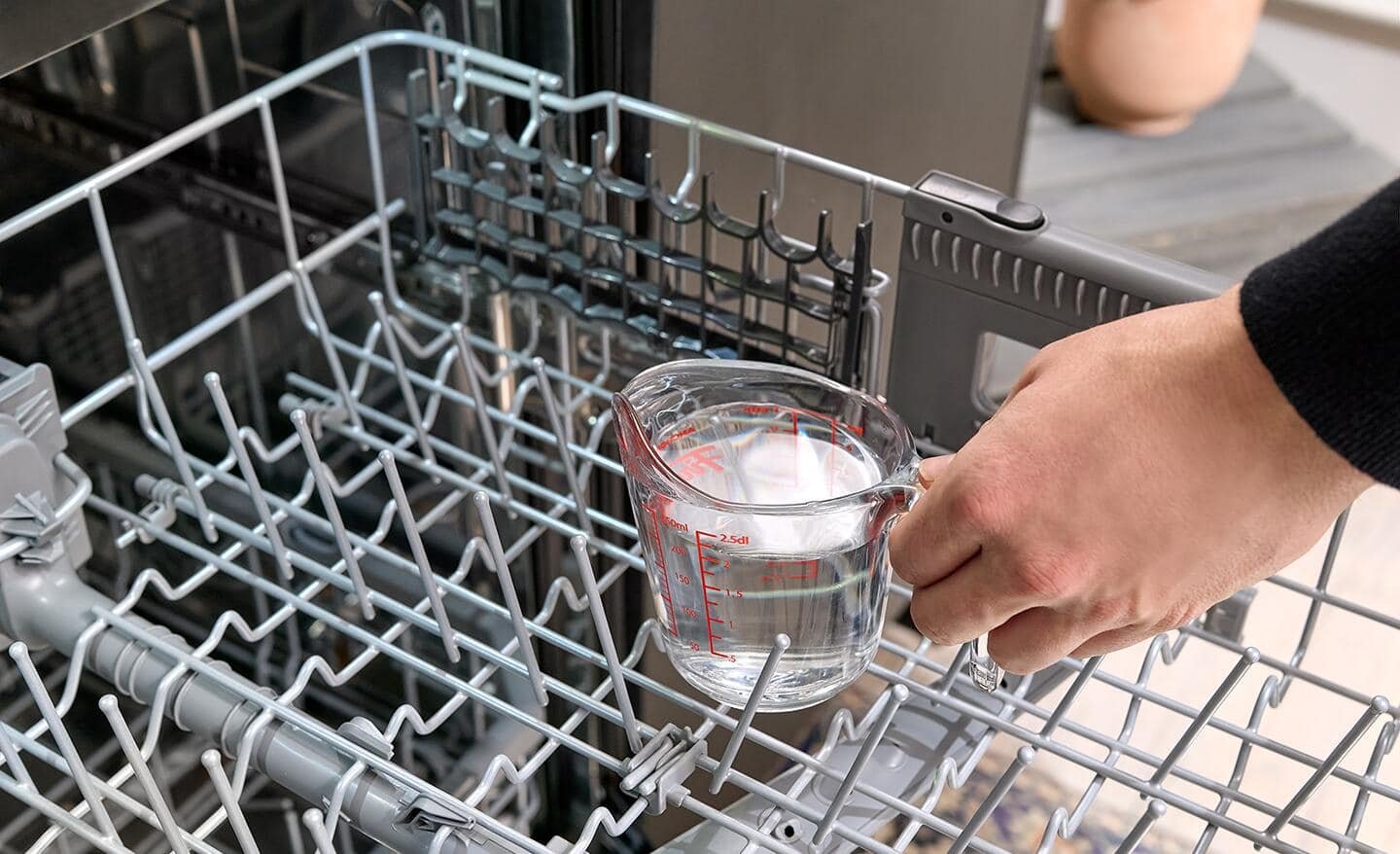
You don’t need harsh chemicals to tackle hard water stains. Simple household ingredients can do the trick. Vinegar is a fantastic natural cleaner. Pour a cup of white vinegar in a dishwasher-safe bowl and place it on the top rack. Run a hot water cycle without any dishes inside. Vinegar’s acidity helps dissolve mineral deposits. Another effective remedy is baking soda. Sprinkle a cup of baking soda along the bottom of the dishwasher and run a short, hot water cycle. Baking soda not only tackles stains but also neutralizes odors. Have you tried lemon juice? It can be a lifesaver. Its natural acidity works wonders on mineral deposits. Add a cup of lemon juice to the detergent compartment and run a hot water cycle. What natural remedy works best for you? Experiment with these methods and find the perfect solution for your dishwasher’s needs.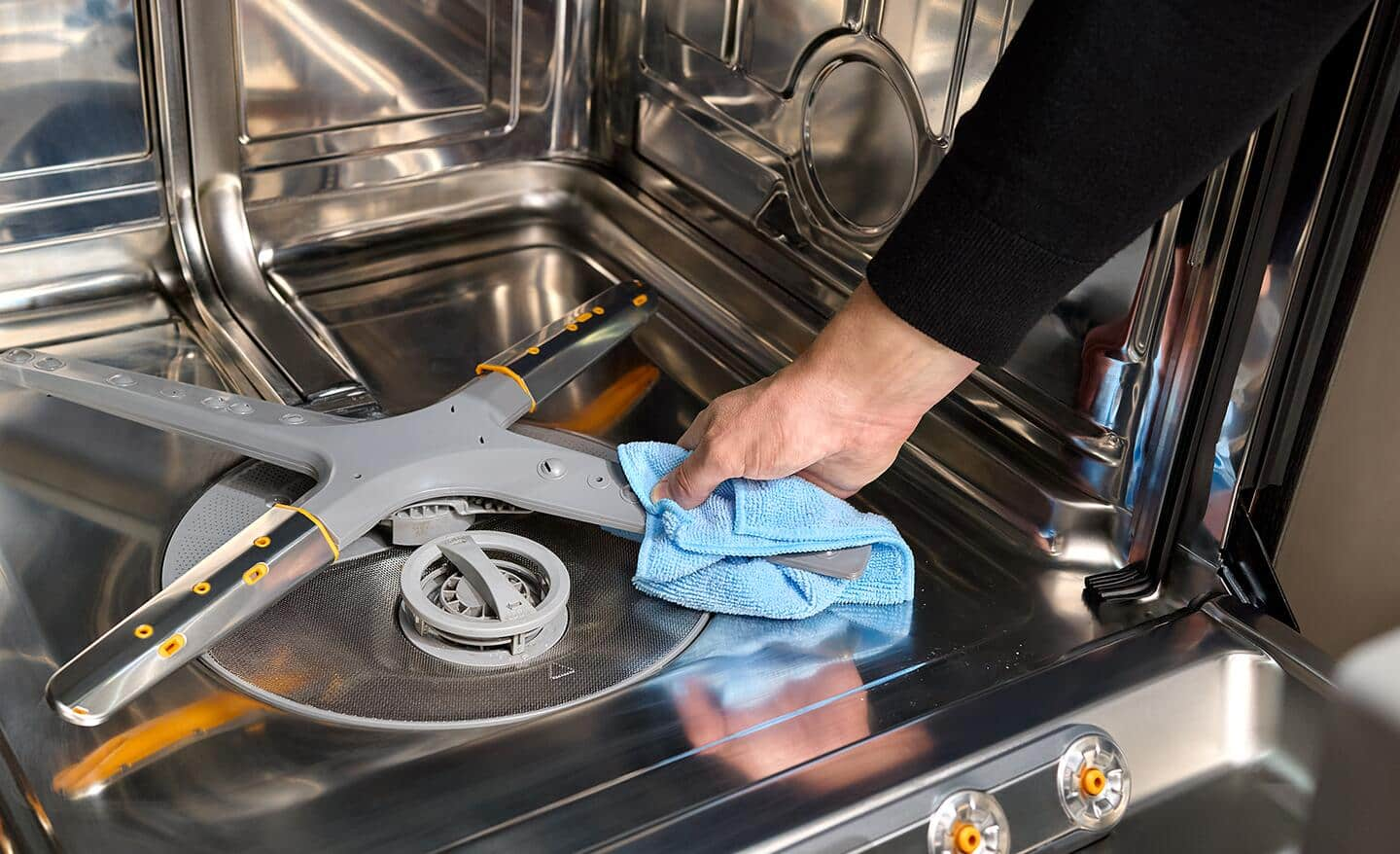
Credit: www.homedepot.com
Clean The Spray Arms
Spray arms need regular cleaning to keep your dishwasher efficient. Remove any blockages by rinsing with warm water. Use a toothpick or small brush to clear stubborn debris from the holes.
Is your dishwasher not cleaning as efficiently as it used to? The spray arms might be the culprit. Over time, these essential components can become clogged with food particles, soap residue, and hard water deposits. Cleaning them can significantly improve your dishwasher’s performance and extend its lifespan. Let’s dive into how you can effectively clean the spray arms and get your dishwasher back to its sparkling best.Remove And Inspect
Start by removing the lower rack to access the spray arms. Most dishwashers have two—one under the lower rack and another beneath the top rack. Gently twist or unscrew the spray arms to detach them. Inspect the spray arms closely. Look for visible debris or blockages in the holes. This could be anything from tiny food remnants to mineral deposits. Identifying these obstructions is key to restoring the spray arm’s function.Unclogging Techniques
Now that you’ve pinpointed the blockages, it’s time to unclog those spray arms. Use a thin piece of wire or a straightened paperclip to poke through the holes. This helps dislodge any trapped particles. Rinse the spray arms under running water. This will flush out loose debris. If you encounter stubborn deposits, soak the spray arms in a mixture of warm water and vinegar for about 30 minutes. Vinegar’s natural acidity works wonders on mineral buildup. Reattach the spray arms and give your dishwasher a test run. Notice the difference? If not, you might want to repeat the unclogging process or inspect other areas of the dishwasher. Cleaning your dishwasher’s spray arms is a simple yet effective way to enhance its efficiency. Have you ever cleaned your spray arms before? What differences did you notice in your dishwasher’s performance? Share your experience and tips in the comments!Check And Clean The Door Seals
Dishwashers work hard to make dishes sparkle. But they need care too. One often overlooked part is the door seals. These seals keep water inside the dishwasher. Cleaning them ensures the appliance runs smoothly. Neglect can lead to leaks and odors. Regular checks can prevent these issues.
Importance Of Door Seals
Door seals are crucial for a dishwasher’s efficiency. They create a watertight barrier. This keeps water from leaking out during cycles. A faulty seal can lead to water damage. It can also cause the machine to work harder. This increases energy use and raises bills. Clean seals ensure the dishwasher works at its best.
Cleaning Methods
Start by inspecting the seals for debris. Use a damp cloth to wipe them down. Focus on any food particles or grime. A toothbrush can help with stubborn spots. Vinegar and water make a good cleaning solution. Avoid harsh chemicals. They can damage the rubber. Dry the seals with a soft towel. This prevents mold growth. Regular cleaning keeps the dishwasher efficient and odor-free.
/how-to-clean-the-dishwasher-1900465_07-6452d6083d11478497770f43bfd83258.jpg)
Credit: www.thespruce.com
Run A Cleaning Cycle
Cleaning your dishwasher regularly ensures it runs efficiently. A cleaning cycle helps remove stubborn grime and build-up. This process is essential for maintaining the appliance’s performance and lifespan.
Using Vinegar Or Baking Soda
Vinegar is a natural cleaner. Pour a cup into the bottom of the dishwasher. It helps break down residue and eliminate odors. Baking soda is another option. Sprinkle a cup on the bottom. It deodorizes and cleans effectively.
Choosing The Right Cycle
Selecting the correct cycle is crucial. Use the hottest setting available. This ensures thorough cleaning and sanitizing. A high-temperature cycle helps dissolve grease and grime. Always check your dishwasher manual for cycle recommendations.
Regular Maintenance Tips
Keeping your dishwasher clean ensures it runs smoothly and efficiently. Start by removing the bottom rack for better access. Wipe down the interior with vinegar and baking soda to eliminate grime and odors.
Keeping your dishwasher in top shape is easier than you might think. Regular maintenance not only extends its life but also ensures your dishes come out sparkling clean every time. By dedicating just a little time to monthly and long-term care, you can avoid costly repairs and maintain efficiency. Let’s dive into some simple tips that will keep your dishwasher running smoothly.Monthly Cleaning Routine
Begin by removing the bottom rack and inspecting the drain area for any food debris or blockages. This area can easily become clogged, affecting your dishwasher’s performance. Wipe down the door seals with a damp cloth to prevent mold and mildew buildup. A good trick is to sprinkle a cup of baking soda on the bottom and run a hot cycle to remove any lingering odors. Use a dishwasher-safe cup filled with white vinegar on the top rack. Run a hot water cycle to break down grease and limescale. This simple step can make a big difference in overall cleanliness.Long-term Care Advice
Check the spray arms for any clogs. You can use a toothpick to clear any blockages, ensuring water flows freely. This step can enhance cleaning efficiency significantly. Inspect and clean the filter regularly. A clean filter means cleaner dishes and a more efficient machine. Consider using a high-quality rinse aid. This helps in reducing water spots and keeps the dishwasher looking new. If you notice any strange noises or your dishes aren’t as clean as they used to be, don’t wait to investigate. Early intervention can save you from major headaches down the road. How often do you think about your dishwasher’s well-being? Regular care keeps it reliable, saving you time and money in the long run.
Credit: www.youtube.com
Frequently Asked Questions
How Do I Get Rid Of Buildup In My Dishwasher?
Clean the dishwasher filter and spray arms regularly. Use vinegar and baking soda to remove buildup. Run an empty hot-water cycle with vinegar. Wipe down the interior with a damp cloth. Ensure proper drainage and avoid overloading.
What Is The Best Way To Clean And Deodorize A Dishwasher?
Clean and deodorize a dishwasher using vinegar and baking soda. Pour a cup of vinegar in the top rack. Run a hot cycle. Sprinkle baking soda on the bottom and run another short cycle. This method removes odors and maintains cleanliness effectively.
Regularly check and clean the filter for optimal performance.
How To Clean Inside Of Dishwasher With Vinegar And Baking Soda?
Start by emptying the dishwasher. Place a cup of vinegar on the top rack and run a hot cycle. Then, sprinkle baking soda on the bottom and run a short cycle. This removes odors and grime, leaving your dishwasher fresh and clean.
How Do I Clean The Sludge Out Of My Dishwasher?
Remove the dishwasher racks. Wipe visible grime with a damp cloth. Sprinkle baking soda inside. Pour white vinegar into a cup on the top rack. Run a hot cycle. This combination breaks down sludge, leaving your dishwasher clean. Regularly clean the filter and check for clogs to maintain efficiency.
Conclusion
Keeping your dishwasher clean is important. It ensures your dishes are spotless. Regular cleaning prevents odors and buildup. Follow simple steps to clean it effectively. Remove racks and wipe them. Check and clean the drain. Use vinegar for deep cleaning.
Baking soda helps remove stains. Scrub the interior walls gently. Maintain your dishwasher monthly for best results. It saves money on repairs. A clean dishwasher works better and lasts longer. Enjoy cleaner dishes every time. Keep these tips handy for easy reference.
Your dishwasher will thank you!
