
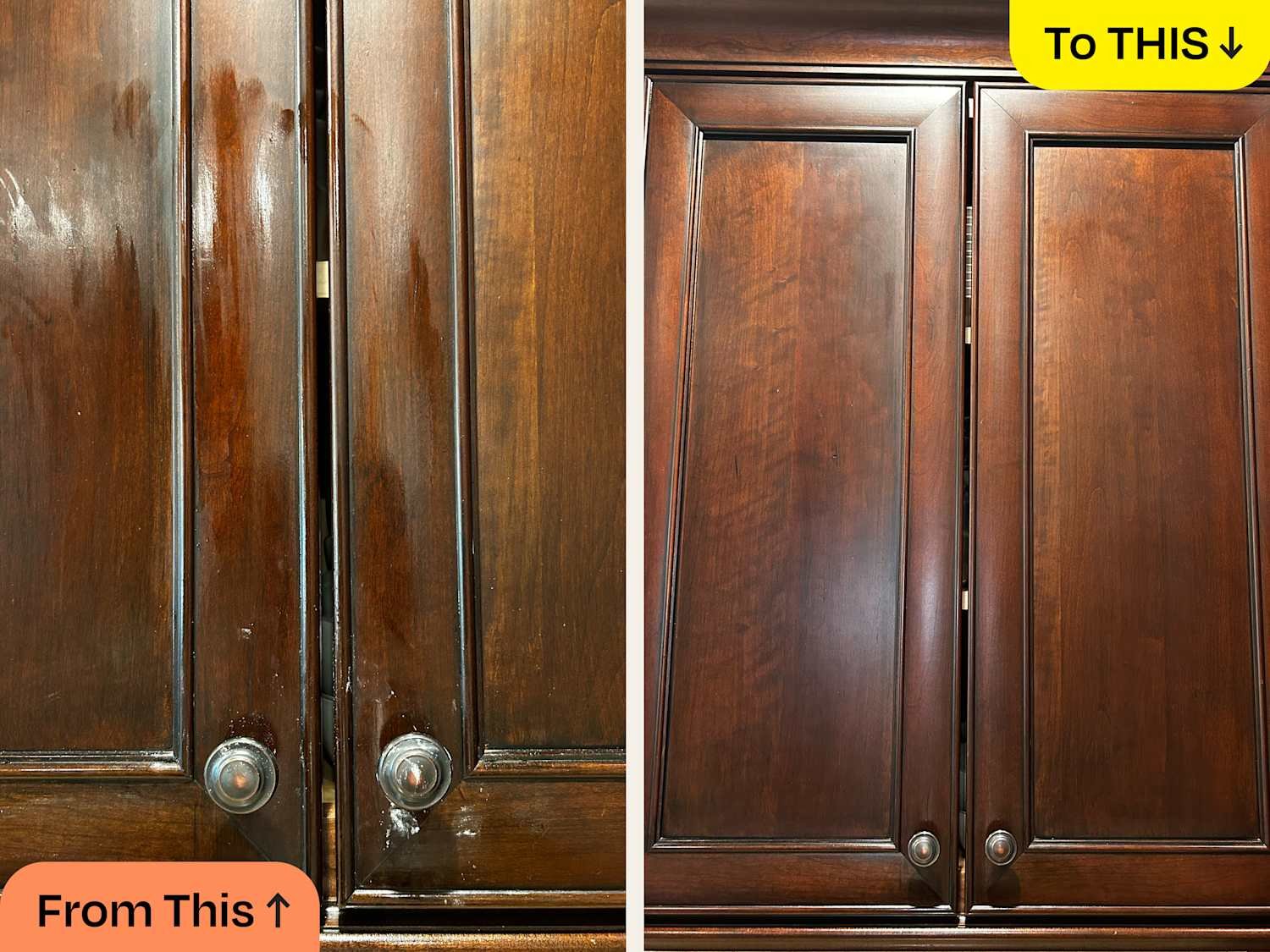
Do greasy kitchen cabinets drive you crazy every time you step into your kitchen? You’re not alone!
That stubborn grease seems to stick around no matter how hard you scrub, leaving your beautiful cabinets looking dull and uninviting. But what if there was a way to get them sparkling clean without breaking a sweat or spending a fortune on cleaning products?
Imagine your kitchen gleaming with freshness, making cooking and entertaining a more enjoyable experience. In this guide, we’re diving into the most effective methods to banish that grease for good. Stick with us, and you’ll discover simple, budget-friendly solutions that truly work. Get ready to transform your kitchen into the spotless, welcoming space you deserve!
Common Grease Sources
Grease on kitchen cabinets often comes from cooking oils, splatters, and fingerprints. Wiping with a mixture of vinegar and water can effectively remove this buildup. Regular cleaning prevents accumulation and keeps your kitchen looking fresh.
Cleaning grease off kitchen cabinets can feel like an uphill battle, especially when you’re unsure where all the sticky mess originates. Understanding the common sources of kitchen grease is the first step in tackling this persistent problem. By identifying these culprits, you can not only clean more effectively but also prevent future build-up.Cooking Oils And Fats
Cooking oils and fats are major contributors to greasy cabinets. When you fry or sauté, tiny oil droplets disperse into the air and settle on surfaces, including your cabinets. You might not notice it immediately, but over time, these droplets accumulate, forming a sticky layer.Sizzling Sauces And Gravies
Next time you’re making a delicious sauce or gravy, consider how it contributes to the grease problem. Simmering sauces release steam and tiny droplets, which can land on your cabinets. This is especially true if your kitchen lacks proper ventilation.Food Splatter From Cooking
Think about the times you’ve cooked at high heat—splattering is inevitable. Whether it’s from frying bacon or searing steak, food particles and oil can jump from the pan to your cabinets. This not only makes them greasy but sometimes sticky, too.Smoke And Steam
You might be surprised how much grease can travel via smoke and steam. When you cook something particularly smoky, like grilled meat indoors, the smoke carries grease particles. These particles can cling to cabinet surfaces, leaving a residue.Everyday Kitchen Activities
Even simple kitchen tasks contribute to greasy cabinets. Activities like opening a bottle of oil or transferring a greasy dish can lead to minor spills. While these might seem insignificant, they build up over time if not addressed. To keep your cabinets clean, think about these sources and how you can minimize their impact. Do you use a splatter screen when frying? Is your range hood effective? Small changes can make a big difference in maintaining a grease-free kitchen environment.
Credit: www.facebook.com
Preparation Steps
Gather mild dish soap, warm water, and a soft sponge. Mix soap in water, dip sponge, and wipe cabinets gently. Dry with a clean towel to prevent streaks.
Cleaning grease off kitchen cabinets can be challenging. Preparation is key. Proper steps ensure a thorough and safe cleaning process. Follow these preparation steps to make your task easier.Safety Precautions
Always begin with safety. Wear gloves to protect your skin. Avoid harsh chemicals without adequate ventilation. Open windows or use a fan. This helps prevent inhaling fumes. Protect your eyes with goggles if necessary. Safety first.Gather Necessary Supplies
Collect all supplies before starting. This saves time. You will need a few items:- Warm water
- Mild dish soap
- White vinegar
- Soft cloths or sponges
- Baking soda
- Bucket
Effective Cleaning Solutions
Degrease kitchen cabinets effectively with a mix of warm water and dish soap. Use a soft sponge to scrub. Rinse with clean water and dry with a cloth for a spotless finish.
Cleaning kitchen cabinets can sometimes feel like an uphill battle, especially when stubborn grease is involved. But fear not, effective cleaning solutions are at your disposal, ready to transform your cabinets from grimy to gleaming. Whether you prefer natural cleaners or commercial products, there’s a method that suits your lifestyle and preferences. Let’s dive into some tried-and-true solutions that can make your cleaning routine a breeze.Natural Cleaners
Natural cleaners are a fantastic choice for those who want to keep their homes chemical-free and eco-friendly. Using ingredients from your pantry, you can create potent cleaning solutions that tackle grease without harsh chemicals. – Vinegar and Baking Soda: Combine equal parts of vinegar and water in a spray bottle and spritz over greasy surfaces. Follow up with a gentle scrub using baking soda for extra cleaning power. – Lemon Juice: The acidity in lemon juice can break down grease efficiently. Mix lemon juice with a bit of salt to create a scrubbing paste that leaves a fresh scent behind. – Castile Soap: Dilute a tablespoon of Castile soap in warm water for a mild yet effective cleaner that’s safe on most cabinet materials. Imagine your kitchen smelling fresh and citrusy after a thorough cleaning session! Natural cleaners not only cleanse but also leave a refreshing aroma.Commercial Products
Sometimes, you need the heavy-duty power that commercial products offer. These solutions are specially formulated to cut through grease quickly and with minimal effort. – Degreasing Sprays: Look for sprays labeled specifically for kitchen grease. They often contain powerful agents that dissolve grease on contact, making cleanup swift. – All-Purpose Cleaners: Choose a high-quality all-purpose cleaner designed for kitchen use. These cleaners are versatile and can be used on various surfaces, offering convenience and efficiency. – Magic Erasers: Perfect for stubborn grease spots, these sponges require only water to activate and can remove grease without damaging your cabinets. Have you ever considered how much easier cleaning becomes with the right tools? Commercial products simplify the process, freeing up your time for other enjoyable activities. By exploring these effective cleaning solutions, you can ensure your kitchen cabinets remain spotless and welcoming. Which method will you choose to try first?
Credit: www.facebook.com
Step-by-step Cleaning Process
Begin by mixing dish soap with warm water in a bowl. Dip a soft cloth into the solution and gently wipe the cabinet surface. For stubborn grease, apply vinegar directly and scrub with a toothbrush. Finally, rinse with clean water and dry with a towel.
Cleaning grease off kitchen cabinets can feel like a daunting task, but breaking it down into a step-by-step process makes it manageable and even satisfying. Imagine the joy of seeing your cabinets transform from grimy to gleaming. With a bit of patience and the right techniques, you can achieve just that. Let’s dive into a simple yet effective cleaning process.Pre-cleaning Techniques
Before you dive into deep cleaning, start by removing any loose dust and debris. Use a soft, dry cloth to wipe down the cabinet surfaces. This initial step prevents dirt from mixing with water and cleaning agents, which can create a muddy mess. Next, make a mild cleaning solution with warm water and a few drops of dish soap. Test this solution on a small, hidden area of your cabinet to ensure it doesn’t damage the finish. This step is crucial to avoid unintended damage to your cabinets.Deep Cleaning Methods
Once you’ve prepped the surface, it’s time to tackle the grease. Combine equal parts of white vinegar and warm water in a spray bottle. Spray this solution generously over the greasy areas and let it sit for a few minutes. Use a soft-bristled brush or a microfiber cloth to scrub the surface gently. Pay special attention to corners and edges where grease tends to accumulate. If stubborn spots persist, consider using a baking soda paste for an extra boost. Finally, rinse the cabinets with clean water and dry them thoroughly with a towel. This step prevents water spots and keeps your cabinets looking fresh. Ever noticed how much better your kitchen feels when everything’s clean and sparkling? It’s these small efforts that make a big difference. Would you be surprised to know that keeping your cabinets clean can extend their lifespan significantly? Try these methods and experience the transformation yourself.Maintaining Clean Cabinets
Removing grease from kitchen cabinets involves using warm, soapy water and a soft cloth. Gently scrub to lift the grease without harming the finish. Rinse with clean water and dry thoroughly to prevent any residue.
Maintaining clean kitchen cabinets can be a real game-changer for your cooking space. Grease and grime can sneak up on you, affecting not just the aesthetics but also the functionality of your kitchen. By keeping your cabinets grease-free, you ensure they stay in top condition, making your kitchen a more pleasant place to cook and gather. Let’s dive into some practical ways to maintain spotless cabinets.Regular Cleaning Schedule
Consistency is key in keeping your cabinets clean. Establishing a regular cleaning routine can prevent grease buildup before it becomes a stubborn issue. Make it a habit to wipe down your cabinets weekly. Use a gentle solution of warm water and dish soap to remove surface grime. Consider setting a reminder on your phone or calendar. Even five minutes a week can make a significant difference in maintaining the cleanliness of your cabinets.Preventive Measures
Prevention is always better than cure. Simple changes in your kitchen habits can keep grease at bay. Place splatter screens over pans while cooking to minimize greasy residue on cabinets. You’ll be amazed at how much this small step can help. Consider using exhaust fans or open windows to improve kitchen ventilation. This helps disperse steam and particles that could settle on surfaces. Would you believe that storing oil bottles away from the stove can significantly reduce cabinet grease? It’s a small adjustment that pays off greatly.Common Mistakes To Avoid
Skipping regular cleaning of kitchen cabinets lets grease build up. Avoid using harsh chemicals that damage surfaces. Using too much water can also harm the wood, causing it to swell or warp.
Cleaning kitchen cabinets can be tricky, especially with grease buildup. Grease on cabinets is not only unsightly but can also damage surfaces. Many people make common mistakes in their cleaning routine. Avoiding these errors can save time and protect your cabinets.Using Harsh Chemicals
Harsh chemicals can damage cabinet finishes. They might strip paint or varnish. Choose gentle cleaners instead.Scrubbing Too Hard
Aggressive scrubbing can scratch surfaces. Use a soft cloth or sponge. Gentle motions work best.Skipping Regular Cleaning
Grease builds up over time. Regular cleaning prevents tough stains. Schedule it weekly for best results.Ignoring Hidden Areas
Cabinet corners and edges often get missed. Grease can hide there. Clean thoroughly to avoid buildup.Using Too Much Water
Excess water can warp wood. Damp cloths are safer. Dry cabinets well after cleaning.Faqs On Cabinet Cleaning
FAQs on Cabinet Cleaning Removing grease from kitchen cabinets is easy with a mix of vinegar and water. Gently scrub with a soft cloth, focusing on sticky spots, and rinse with clean water for a fresh finish.
Cleaning kitchen cabinets can be a daunting task, especially when dealing with stubborn grease. It’s a common challenge many face, but with the right approach, your cabinets can gleam like new. In this section, we’ll tackle some frequently asked questions to ease your cleaning process. Whether you’re wondering about the best cleaning solutions or how often you should clean, we’ve got you covered. Let’s dive into your most pressing queries and offer straightforward, practical advice.What Cleaning Products Are Safe For Wooden Cabinets?
When it comes to wooden cabinets, selecting the right cleaning product is crucial. You want something that cuts through grease without damaging the finish. Mild dish soap mixed with warm water is a safe bet. Avoid harsh chemicals like bleach or ammonia, as they can strip the wood’s natural oils. You can also consider using a mixture of vinegar and water, but be sure to wipe it off completely to prevent any residue.How Often Should I Clean My Kitchen Cabinets?
Regular maintenance can prevent grease buildup, making your deep cleaning sessions less labor-intensive. Aim to wipe down your cabinets every week with a damp cloth. Focus on areas that see the most action, like handles and edges. For a more thorough clean, consider a monthly routine using a gentle cleaner. Don’t forget to dry the cabinets afterward to prevent moisture damage.Can I Use Vinegar On All Types Of Cabinets?
Vinegar is a versatile cleaner, but it’s not suitable for all cabinet types. It’s great for laminated or painted surfaces, as it effectively cuts through grease. However, if you have natural wood cabinets, use vinegar sparingly. Excessive use can dull the finish over time. Always test a small, hidden area first to ensure it doesn’t cause any discoloration or damage.What’s The Best Way To Remove Stubborn Grease?
Stubborn grease requires a bit more elbow grease and the right approach. Baking soda is an excellent ally in this fight. Create a paste with water and apply it to the greasy spots. Let it sit for a few minutes before scrubbing gently with a soft cloth or sponge. Rinse with warm water and dry with a clean towel. Another option is a commercial degreaser, but ensure it’s safe for your cabinet material.Should I Polish My Cabinets After Cleaning?
Polishing your cabinets can restore their shine and protect the surface. Use a furniture polish or a natural oil, like coconut or olive oil, for this task. Apply a small amount with a clean cloth and buff it in circular motions. This not only enhances the appearance but also adds a protective layer against future grease buildup. Remember, moderation is key—too much polish can leave a sticky residue. Cleaning grease off kitchen cabinets doesn’t have to be a dreaded chore. With these insights, you can keep your cabinets looking pristine with minimal effort. What other tips do you have for maintaining a spotless kitchen?
Credit: www.facebook.com
Frequently Asked Questions
How Do You Remove Icky Sticky Greasy Gunk From Kitchen Cabinets?
Use a mixture of vinegar, warm water, and dish soap to clean greasy kitchen cabinets. Apply with a sponge or cloth, scrub gently, and rinse with clean water. Dry thoroughly with a towel to prevent moisture damage. This method effectively removes sticky residue without harsh chemicals.
How Do I Get Grease Off Of My Cabinets?
Use a mixture of vinegar and water to wipe grease off cabinets. Apply, scrub gently, then rinse. For stubborn spots, add baking soda. Regular cleaning prevents buildup.
What Is The Best Degreaser For Kitchen Cabinets?
The best degreaser for kitchen cabinets is a mix of vinegar and water. This solution effectively removes grease and grime. Use a microfiber cloth for wiping. For tough stains, add a few drops of dish soap. This method is eco-friendly and safe for most surfaces.
What’s The Best Thing To Get Grease Off Wood?
Use a mixture of dish soap and warm water to remove grease from wood. Gently scrub with a soft cloth. Rinse with clean water and dry immediately to prevent damage. Baking soda paste can help with stubborn stains. Always test on an inconspicuous area first.
Conclusion
Cleaning grease off kitchen cabinets can be simple. Use the right tools. Vinegar and baking soda help. Warm water is key. Don’t scrub too hard. Gentle cleaning protects the finish. Regular maintenance prevents build-up. Try natural cleaners for safety. Avoid harsh chemicals.
They damage surfaces. Dry cabinets well after cleaning. Moisture causes problems. Keep your kitchen fresh and clean. Enjoy a grease-free space. Feel proud of your sparkling cabinets. With these tips, cleaning becomes easy. A clean kitchen brings joy. Happy cleaning!
