
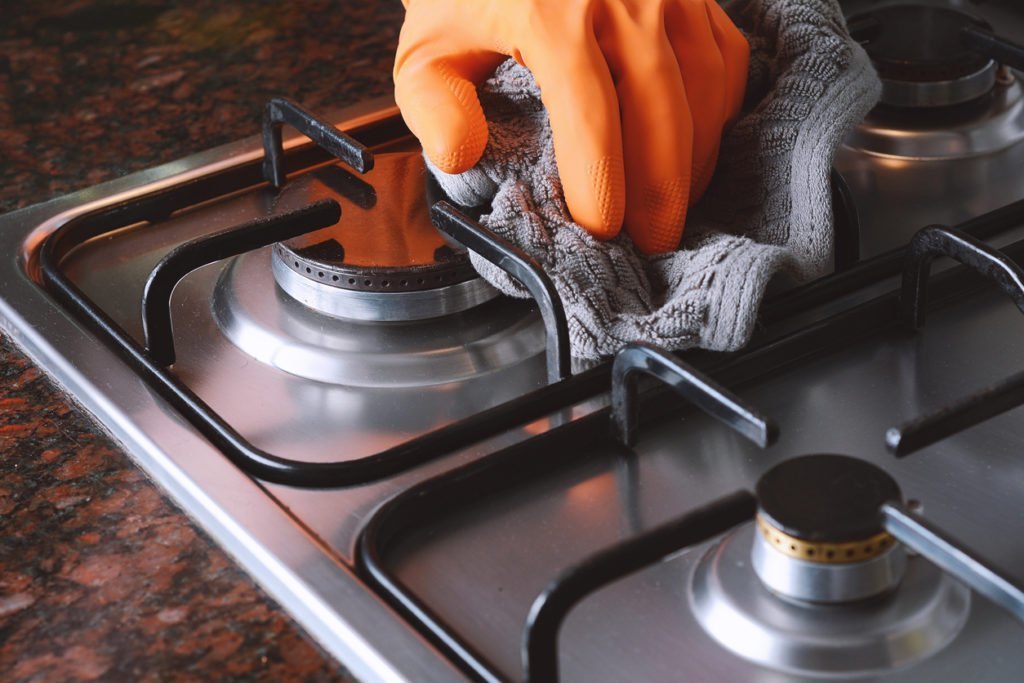
Cleaning a cooktop stove can often feel like a daunting task, especially after a delicious cooking session leaves behind stubborn stains and greasy residues. You might find yourself staring at those burnt-on spills, wondering how to restore your stove to its sparkling, pristine condition.
But what if I told you there’s a simple, effective way to tackle this chore without spending hours scrubbing? Imagine the satisfaction of a spotless cooktop, gleaming like new, ready for your next culinary adventure. Dive into this guide, and discover the secrets to a clean cooktop stove that not only looks great but enhances your cooking experience.
Prepare to transform your cleaning routine and give your kitchen the shine it deserves!
Types Of Cooktop Stoves
Understanding the different types of cooktop stoves can make cleaning them much easier. Each type—whether gas, electric, or induction—has its own cleaning needs. Let’s dive into what makes each unique, ensuring you know how to tackle their messes effectively.
Gas Cooktops
Gas cooktops are loved for their precise temperature control. However, they can be a bit tricky to clean due to their grates and burners. Always start by removing the grates and soaking them in warm, soapy water.
Burners can be wiped down with a damp cloth, but make sure they are completely dry before reassembling. For stubborn stains, a baking soda paste can work wonders. Does your gas cooktop seem more high-maintenance than you expected?
Electric Cooktops
Electric cooktops usually feature coil elements or a smooth glass surface. Coil elements can be lifted for easy cleaning underneath. Wipe them with a damp cloth and ensure they’re dry before use.
If you have a glass-top electric stove, a mixture of vinegar and baking soda can help remove burnt-on residue. A scraper tool can also be helpful, but use it carefully to avoid scratches. Have you ever thought about how simple cleaning a glass top could be?
Induction Cooktops
Induction cooktops are sleek and efficient, using magnetic fields to cook. Their flat surface makes them the easiest to clean. Simply wipe with a damp cloth and mild detergent.
For tougher spots, a gentle glass cleaner can be used, but avoid abrasive materials. Did you know that induction cooktops are not only easy to clean but also safer and more energy-efficient?
Knowing the specific cleaning needs of your cooktop can save you time and effort. Which type of cooktop do you have, and what cleaning tips have worked best for you?

Credit: thekrazycouponlady.com
Essential Cleaning Supplies
Gather essential cleaning supplies for a spotless cooktop stove. Use a gentle cleaner, soft cloth, and a non-abrasive sponge. Wipe spills promptly to maintain a shiny surface.
Cleaning your cooktop stove can transform your kitchen space, making it more inviting and functional. But, before you dive in, it’s crucial to have the right cleaning supplies at your disposal. Equipping yourself with the essential tools ensures not only an effective cleaning session but also protects the surface of your stove from potential damage. Let’s explore the key cleaning supplies that you should have on hand.Cleaning Solutions
Choosing the right cleaning solution is paramount. Opt for ones specifically designed for cooktops, as they are gentle yet effective. Many people swear by homemade solutions like a simple mix of vinegar and water, which is both economical and eco-friendly. If you prefer store-bought options, look for non-abrasive formulas that promise to tackle stubborn stains without scratching the surface. Do you have a favorite brand that has never let you down? Share it with others who might be on the lookout for reliable products.Scrubbers And Brushes
A good scrubber can make or break your cleaning routine. Avoid metal scrubbers that can scratch your cooktop. Instead, opt for nylon or plastic scrubbers which are gentle yet effective. For corners and crevices, small brushes can be invaluable. They reach those pesky spots where food particles tend to hide. Have you ever felt the satisfaction of finding a brush that fits perfectly between the knobs?Cloths And Towels
Microfiber cloths are a staple for any cleaning task, and your cooktop is no exception. They are perfect for wiping down and polishing, leaving no streaks behind. Keeping a stash of absorbent towels on hand is also wise for drying the surface post-cleaning. Picture a sparkling stove, ready for your next culinary adventure—isn’t that a sight worth striving for? Arming yourself with these essential supplies not only makes cleaning efficient but also ensures your cooktop remains in pristine condition. What are your must-have cleaning tools?Daily Maintenance Routine
Easily clean your cooktop stove by wiping it with a damp cloth to remove spills. Use a mild cleaner for stubborn stains. Make sure to dry the surface to avoid streaks. Regular maintenance ensures a spotless and efficient cooking area.
Daily maintenance of your cooktop stove keeps it sparkling clean. A consistent routine prevents stubborn stains and grime. It also enhances the longevity of your appliance. With a few simple steps, you can maintain a pristine cooking surface.Quick Wipe Down
Start with a quick wipe after each use. Use a soft damp cloth. Remove any food particles or spills immediately. This prevents stains from setting in. A microfiber cloth works best for gentle cleaning. Avoid harsh chemicals. They can damage the surface. Use warm, soapy water for effective cleaning.Spot Cleaning
For tougher spots, spot cleaning is essential. Apply a mild cleaning solution directly to the stain. Let it sit for a few minutes. Use a non-abrasive sponge to scrub gently. For stubborn grease, vinegar works wonders. It cuts through grease without leaving residue. Rinse thoroughly and dry with a clean cloth.Deep Cleaning Techniques
Deep cleaning a cooktop stove involves removing all burners and grates. Scrub surfaces with a gentle cleaner. Wipe down with a damp cloth to remove residue. Finish by polishing with a microfiber cloth for shine.
Deep cleaning your cooktop stove can transform your kitchen. It’s not just about hygiene; it’s about bringing back the shine and efficiency of your appliance. Let’s dive into the nitty-gritty of deep cleaning techniques that will make your stove look brand new.Removing Burnt Residue
Burnt residue can be a stubborn, unsightly mess. Start by sprinkling baking soda over the affected areas. Add a few drops of water to create a paste. Let it sit for 15 minutes. Use a soft brush or sponge to scrub gently. The residue should lift off easily. If the residue remains, consider using a razor blade scraper at a 45-degree angle. Be careful not to scratch the surface. How often do you find yourself dealing with burnt spills?Cleaning Grates And Burners
Grates and burners often accumulate grease and grime. Remove them and soak in hot, soapy water for about 30 minutes. This loosens the grime, making it easier to clean. Use a stiff brush to scrub away the loosened dirt. Rinse thoroughly and dry completely before placing them back. Consider using a vinegar and water solution for stubborn spots. How often do you give your burners a thorough cleaning?Polishing The Surface
A polished cooktop not only looks great but also functions better. Use a dedicated cooktop cleaner or a mixture of vinegar and water. Spray it on the surface, and wipe with a microfiber cloth. This removes any streaks or leftover residue. Buff the surface in circular motions for extra shine. For glass cooktops, a glass cleaner can add a sparkling finish. Do you notice the difference in shine when you polish your cooktop regularly? Deep cleaning might feel like a chore, but the reward is a sparkling, efficient kitchen that you’ll love spending time in.Cleaning Specific Stains
Removing stains from a cooktop stove is simple with the right approach. Use warm soapy water to wipe away spills. For stubborn stains, a paste of baking soda and water can gently scrub away grime without scratching.
Cleaning a cooktop stove can sometimes feel like a battle, especially when dealing with those pesky specific stains. Whether it’s grease, food spills, or water marks, each type of stain has its own quirks and cleaning needs. Understanding how to tackle each one effectively can save you time and keep your stove looking pristine. Let’s dive into the specifics and find out how you can make your cooktop shine like new.Grease Stains
Grease stains are a common nuisance on cooktops, often spreading like a rebellious smudge. To combat these, you can use a simple mixture of baking soda and water. Create a paste, apply it to the greasy area, and let it sit for about 15 minutes. Wipe it away with a damp cloth, and watch the grease disappear. For stubborn spots, a bit of white vinegar can work wonders. Remember to be gentle to avoid scratching the surface.Food Spills
Food spills can harden and become unsightly if left unattended. Start by gently scraping off any dried food with a plastic spatula. Avoid metal tools as they can damage the cooktop. Next, apply a warm, damp cloth to soften any remaining residue. Finish by cleaning the area with a mild soap solution. Do you remember the last time you left a spill overnight? It’s always easier to handle them immediately.Water Marks
Water marks may seem harmless but can dull the surface over time. A quick solution involves a mix of vinegar and water. Spray the solution onto the water marks and let it sit for a few minutes. Wipe it off with a clean, dry cloth, and admire the shine. If the marks persist, try using a soft cloth with a little bit of olive oil for an extra polish. Have you tried this before? It can make a surprising difference!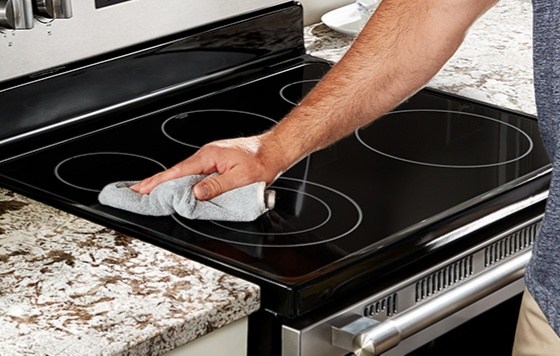
Credit: www.facebook.com
Preventive Measures
Keeping a cooktop stove clean starts with preventive measures. These steps save time and effort later. They also help maintain the stove’s efficiency and appearance.
Using Cooktop Protectors
Cooktop protectors shield surfaces from spills and stains. They are easy to use and fit over the burners. You can find them in various materials like silicone or metal. Protectors are heat-resistant and dishwasher-safe. This makes cleaning simple and quick. Place them on a cool stove before cooking. Remove them after cooking to wash. This simple step prevents tough stains from forming.
Regular Maintenance Tips
Regular maintenance keeps your cooktop in top condition. Wipe spills immediately to prevent residue buildup. Use a soft cloth or sponge for gentle cleaning. Avoid abrasive cleaners or scrubbers that could damage surfaces. For stubborn spots, use a paste of baking soda and water. Let it sit for a few minutes, then wipe away. Check burners regularly for clogs or wear. Ensure they function properly to avoid cooking mishaps. Clean grates and knobs weekly to maintain cleanliness.
Expert Advice
Expert tips for cleaning a cooktop stove include using gentle cleaners and avoiding abrasive tools. Wipe spills quickly to prevent stains.
Cleaning a cooktop stove can be a daunting task. With expert advice, it becomes manageable and even easy. Proper cleaning keeps your stove looking new and functioning efficiently. Experts share valuable insights to simplify this chore. Let’s explore their tips.Common Mistakes To Avoid
Many people use harsh chemicals on their cooktops. This can damage the surface. Instead, choose gentle cleaners. Scrubbing with abrasive pads also causes scratches. Use soft cloths or sponges instead. Avoid letting spills sit for too long. They become harder to clean.Recommended Products
Experts recommend using natural cleaners. Baking soda mixed with water is effective for tough stains. Vinegar works well for grease. Microfiber cloths are perfect for wiping surfaces. They leave no streaks behind. For glass cooktops, use a specialized cleaner. It will maintain the shine.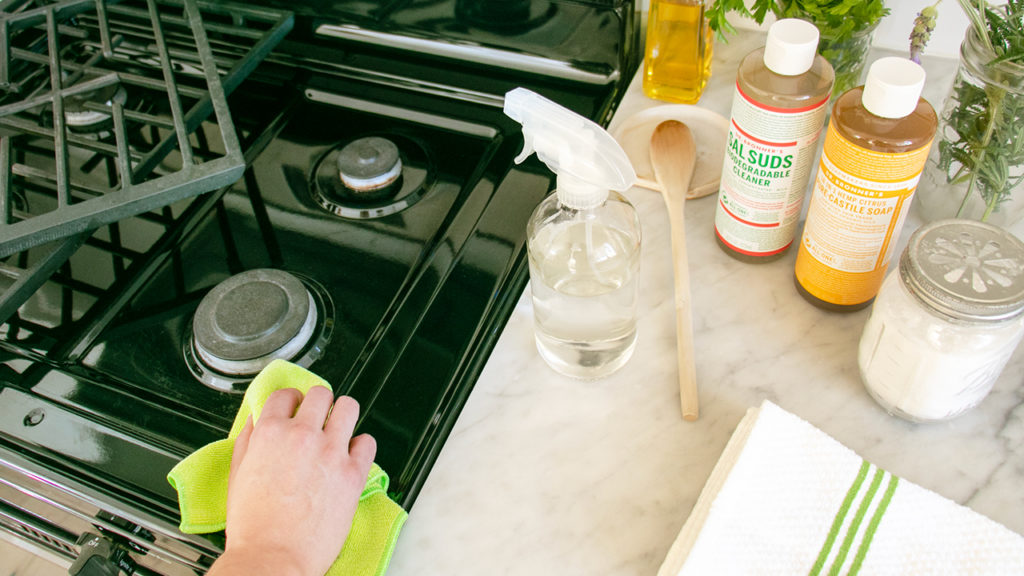
Credit: www.lisabronner.com
Frequently Asked Questions
How Do You Clean A Black Stove Top Glass?
Clean a black stove top glass using a soft cloth and mild dish soap. Avoid abrasive cleaners. Gently scrub with a non-abrasive sponge. Rinse and wipe dry for shine. Regular cleaning prevents buildup and maintains its appearance.
What Is The Best Way To Clean A Dirty Stove Top?
Remove grates and soak them in warm, soapy water. Scrub the stove top with a baking soda paste. Rinse with water and dry thoroughly. Use a vinegar spray for stubborn stains. Buff with a microfiber cloth for shine. Regular cleaning prevents grease buildup and keeps your stove top spotless.
How To Clean Burnt Stuff Off A Glass Cooktop?
Sprinkle baking soda on the burnt areas. Add a little vinegar to create a fizz. Scrub gently with a non-abrasive sponge. Wipe clean with a damp cloth. Dry the surface with a soft towel for a streak-free finish. Repeat if necessary for stubborn stains.
How To Clean A Ceramic Stove Top Without Scratching?
Use a soft sponge and a mixture of vinegar and baking soda. Gently scrub the surface. Avoid harsh cleaners or abrasive pads. Wipe with a microfiber cloth for a streak-free finish. Regular cleaning prevents buildup and scratches, maintaining the stove top’s shine.
Conclusion
Keeping a cooktop stove clean is simple with these steps. Regular cleaning prevents grime and buildup. Use gentle cleaners for stubborn spots. A clean stove not only looks good but functions better. Safety is key—avoid harsh chemicals. Wipe spills quickly to maintain the surface.
A clean stove can enhance your kitchen’s appearance. Less mess means less stress while cooking. Enjoy cooking without worry. With these tips, your stove stays spotless and efficient. Remember, a clean kitchen brings joy and ease. Make stove cleaning a regular habit for best results.
