
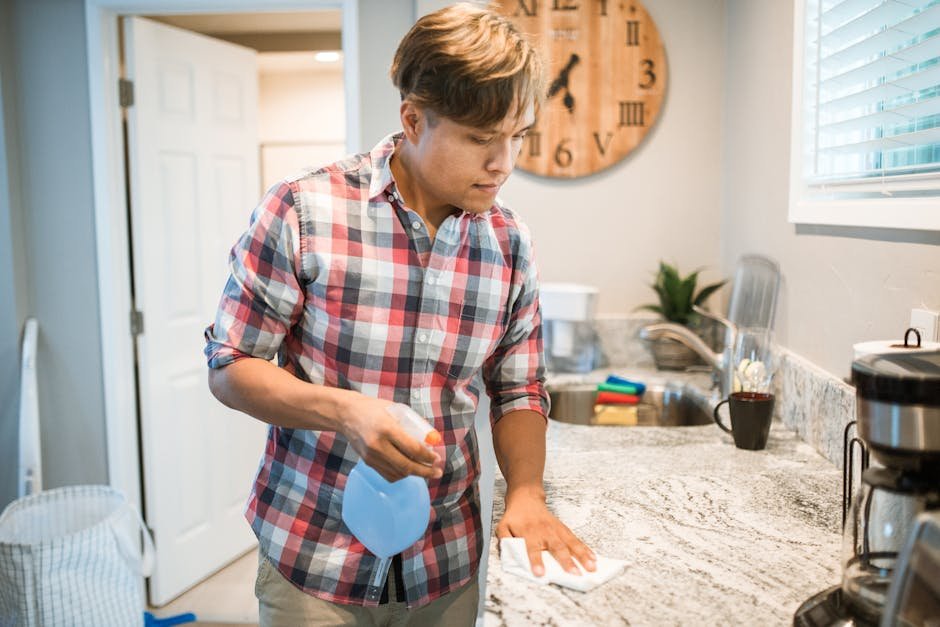
Imagine walking into your kitchen and seeing sparkling clean counters that feel as fresh as they look. It’s a simple pleasure, yet achieving it can sometimes feel elusive.
You might wonder if there’s a secret to maintaining that pristine surface. Well, you’re in luck. In this guide, we’ll uncover the best way to wipe kitchen counters, transforming this mundane chore into a satisfying ritual. Are you tired of smudges and streaks that stubbornly stick around despite your best efforts?
Or perhaps you’re concerned about germs and bacteria lurking on your surfaces. Whatever your reason, you’re not alone. Many people struggle with keeping their kitchen counters both clean and hygienic. But with the right techniques and products, you can make your counters shine with minimal effort. You’ll discover effective methods and tips that can change the way you clean forever. By the end, you’ll feel more confident about your kitchen cleaning routine, knowing that your counters are not only spotless but also safe for your family. Ready to dive in and transform your kitchen cleaning experience? Let’s get started!
Choosing The Right Cleaner
Choosing the right cleaner ensures kitchen counters stay spotless and germ-free. Use a mild, non-abrasive cleaner for safe and effective wiping.
Choosing the right cleaner for your kitchen counters can feel like a daunting task with so many options available. The key is to select a cleaner that not only effectively removes dirt and grime but also aligns with your personal values and the needs of your household. Whether you prioritize natural ingredients or seek eco-friendly solutions, understanding the differences can make your choice easier and your cleaning routine more efficient.Natural Vs. Chemical Options
Natural cleaners often appeal to those who prefer to minimize chemical exposure in their homes. Ingredients like vinegar, baking soda, and lemon juice can be very effective for everyday cleaning. They are gentle on surfaces and free from harsh chemicals, making them a popular choice for families with children or pets. Chemical cleaners, on the other hand, are formulated to tackle tough stains and bacteria with greater intensity. They can be indispensable in combating stubborn grease and ensuring that your kitchen remains hygienic. However, it’s crucial to read labels and understand potential health risks or surface damage.Eco-friendly Choices
Eco-friendly cleaners are gaining popularity as more people become conscious of their environmental impact. These products are often biodegradable and packaged in recyclable materials. They are designed to break down naturally without harming aquatic life or contributing to pollution. You might find that some eco-friendly products can be just as effective as traditional cleaners. Brands like Seventh Generation and Method offer a range of options that are both powerful and planet-friendly. Consider trying one of these products as a simple step toward a more sustainable household. Choosing eco-friendly options can also spark conversations with your family about sustainability. Have you ever wondered how small changes in your cleaning habits can contribute to a healthier planet? Your kitchen is a great place to start.:max_bytes(150000):strip_icc()/fw-roundup-cleaning-products-to-throw-awayreplace-tout-5d3ac101183f41c49f9ac8a43426d644.jpg)
Credit: www.foodandwine.com
Preparation Steps
Start by clearing the counter of any items. Use a damp cloth with warm, soapy water to wipe surfaces. Rinse with clean water and dry with a towel for a sparkling finish.
Cleaning kitchen counters properly begins with preparation. This step ensures a clean, uncluttered surface for effective wiping. It also helps you work efficiently without missing spots. Let’s dive into the essential preparation steps to make your counters shine.Clearing The Counter
Start by removing all items from the counter. This includes appliances, utensils, and any food products. Place them temporarily in a safe spot. This step creates a blank canvas, making it easier to clean every inch. Check for crumbs or residue left behind. A clear counter prevents cross-contamination.Gathering Supplies
Gather all necessary cleaning supplies before starting. You will need a clean cloth or sponge, a mild dish soap, and a spray bottle with water. For tougher stains, have baking soda or vinegar ready. Make sure to have a small bucket or bowl to rinse your cloth. This preparation saves time and ensures a smooth cleaning process. Organize everything within easy reach to avoid interruptions.Effective Cleaning Techniques
Keeping kitchen counters clean is essential for a healthy home. Effective cleaning techniques can make this task easy and efficient. Different surfaces need different approaches. Some counters require gentle care, while others can handle a bit more elbow grease. By adopting the right methods, you ensure your counters remain spotless and long-lasting.
Wiping Motion Strategies
Use the right wiping motion to avoid spreading dirt. Circular motions work well for most surfaces. They help lift grime without pushing it around. For stubborn spots, try a side-to-side motion. Always start from the back of the counter. Move towards the front to gather all debris.
Spot Treatment Tips
Spot treatment is key for tough stains. Use a mild cleaner for these areas. Apply it directly on the stain. Let it sit for a few minutes. Then, gently scrub with a soft cloth. For sticky spots, a mixture of vinegar and water can help. This natural solution breaks down residue without chemicals.
Addressing Different Counter Materials
Selecting the right cleaning technique for kitchen counters depends on the material. Granite surfaces need a pH-neutral cleaner, while laminate counters prefer mild soap and water. For wood, use a damp cloth and avoid excess moisture to prevent damage.
Addressing Different Counter Materials When it comes to wiping kitchen counters, understanding the material you’re dealing with is crucial. Each type of counter requires a unique approach to maintain its beauty and longevity. Let’s dive into the specifics of how to effectively clean different counter materials.Granite And Marble
Granite and marble counters are stunning and add a touch of luxury to your kitchen. However, they are porous and can be easily stained if not cared for properly. Use a gentle dish soap mixed with warm water and a soft cloth to wipe these surfaces. Avoid acidic or abrasive cleaners as they can etch the stone over time. It’s also wise to seal these counters annually to protect against spills and stains. Have you ever noticed a dull spot on your granite? That’s often a sign of etching, which can be minimized with proper care.Wood And Laminate
Wood counters bring warmth and character to a kitchen but require careful maintenance. Use a mild dish soap and water solution, and wipe down with a soft cloth. Ensure you dry the surface thoroughly to prevent water damage or warping. Laminate counters are more forgiving but still need gentle care. Avoid harsh chemicals which can strip their finish over time. A mixture of vinegar and water can be an effective cleaner that leaves no streaks. Have you ever thought about how long your laminate would last with just a bit more attention to cleaning methods?Stain Removal Tactics
Use a damp cloth with mild detergent to gently wipe kitchen counters. This method removes stains without damaging surfaces. Regular cleaning keeps your kitchen fresh and free from stubborn marks.
Removing stains from kitchen counters can be a daunting task, especially when dealing with stubborn marks that seem to cling on for dear life. Whether it’s coffee spills or tomato sauce splashes, knowing the right tactics can make all the difference. Let’s dive into some effective strategies for tackling these pesky stains and preventing future ones.Handling Tough Stains
When faced with tough stains like turmeric or red wine, quick action is crucial. Start by blotting the stain with a damp cloth; avoid rubbing as it might spread the stain further. Mix baking soda and water to form a paste, and gently scrub the area using a soft sponge. This combination is not only effective but also gentle on your countertop surfaces. For more stubborn stains, consider using white vinegar or hydrogen peroxide. Test these solutions in a small, inconspicuous area first to ensure they won’t damage the surface.Preventing Future Stains
Preventing stains is all about maintaining vigilance and adopting smart habits. Regularly wipe down your counters after cooking to remove any potential staining agents before they set. Using cutting boards and mats can also shield your counters from direct exposure to stain-causing ingredients. Additionally, sealing porous surfaces like granite can provide an extra layer of protection. Why not make it a routine to inspect your counters daily? A quick check can help catch potential stains before they become a problem. By integrating these habits, you can enjoy a spotless kitchen with minimal effort.Maintaining Clean Counters
Use a mild soap and warm water to effectively wipe kitchen counters. A soft cloth ensures a scratch-free finish. Rinse and dry thoroughly to prevent water spots.
Maintaining clean kitchen counters is essential for a healthy home. It keeps your space organized and reduces the risk of germs. Regular cleaning prevents buildup of dirt and stains. This ensures your kitchen remains fresh and inviting.Daily Cleaning Routine
Developing a daily cleaning routine is key. Start by clearing the counters of any clutter. Use a damp cloth with mild soap to wipe surfaces. Rinse the cloth and wipe again to remove soap residue. Finish by drying the counters with a clean towel.Weekly Deep Clean
A weekly deep clean tackles tougher grime. Begin by removing all items from the counters. Mix a solution of vinegar and water in equal parts. Spray the solution generously and let it sit for a few minutes. Scrub with a soft brush to lift stubborn stains. Rinse with water and dry thoroughly. Repeat weekly for the best results.Common Mistakes To Avoid
Avoid using harsh chemicals that can damage surfaces. Clean spills immediately to prevent stains. Use a gentle, damp cloth for daily cleaning.
Cleaning kitchen counters seems simple, yet mistakes happen often. These errors can affect cleanliness and safety. Knowing what to avoid ensures your kitchen stays hygienic and welcoming. Let’s explore common mistakes to prevent.Using The Wrong Tools
Many use abrasive tools, thinking they clean better. They can scratch surfaces. Scratches trap bacteria and make counters look dull. Using sponges with metal scrubs is also risky. They damage delicate finishes on counters. Choose soft cloths or non-scratch sponges. Microfiber cloths are gentle and effective. They pick up dirt without damaging surfaces.Neglecting Regular Maintenance
Irregular cleaning lets dirt and germs build up. It makes counters harder to clean later. Regular wiping keeps them spotless and hygienic. Wipe counters daily to prevent grime accumulation. Don’t wait for spills to dry and harden. Address them immediately to avoid tough stains. Regular maintenance ensures a clean and safe kitchen environment.
Credit: www.aol.com

Credit: www.thegreencompany.online
Frequently Asked Questions
What Is The Best Thing To Clean Kitchen Countertops With?
Use a mixture of warm water and mild dish soap for cleaning kitchen countertops. For tougher stains, baking soda paste works well. White vinegar is effective on granite or marble surfaces. Always test a small area first. Regular cleaning maintains hygiene and extends countertop life.
How To Properly Wipe Counters?
Start by clearing debris from the counters. Use a damp cloth with mild detergent to wipe surfaces. Rinse with clean water and dry with a towel. For stubborn stains, apply vinegar or baking soda. Regular cleaning keeps counters hygienic and looking fresh.
Is Dawn Dish Soap Good For Cleaning Countertops?
Yes, Dawn dish soap is effective for cleaning countertops. It removes grease, grime, and stains efficiently. Mix with water for best results. Always test on a small area first. Dawn is safe for most surfaces, including granite and quartz. Regular use keeps countertops looking fresh and hygienic.
How To Wipe Counters Without Streaks?
Use a microfiber cloth with a vinegar-water solution. Dry immediately with a clean cloth for streak-free counters.
Conclusion
Keeping kitchen counters clean is essential. Regular cleaning prevents bacteria build-up. Use mild soap and warm water for everyday messes. For stubborn stains, try vinegar or baking soda. Use a clean cloth or sponge to wipe surfaces. Dry counters with a towel to avoid water spots.
Be consistent with your cleaning routine. A clean counter makes cooking more enjoyable. Plus, it keeps your kitchen looking fresh. Remember, a little effort goes a long way. Keep your counters clean, and your kitchen will thank you. Stay committed to cleanliness for a healthier home.
