
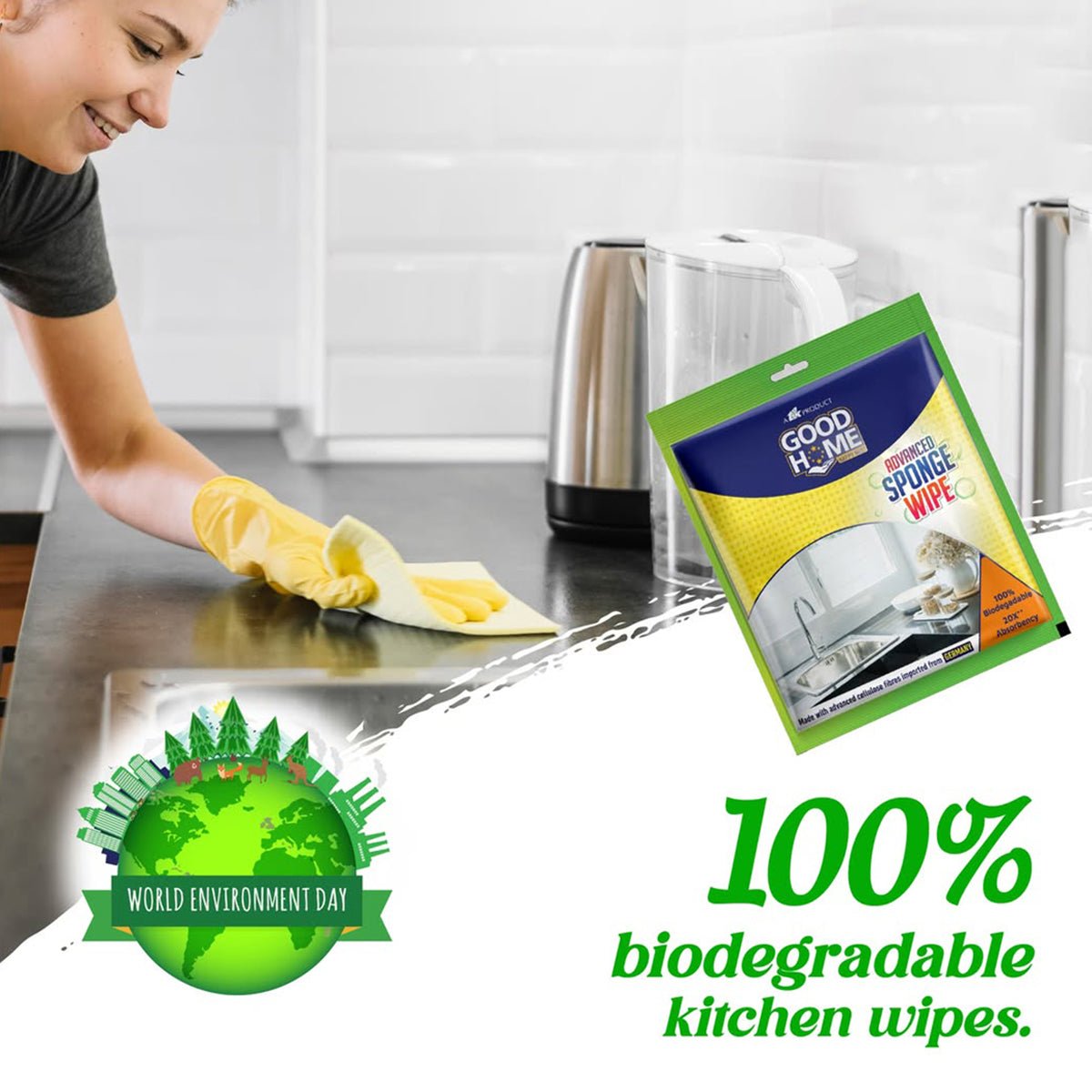
Have you ever thought about how clean your kitchen sponge wipes really are? You might be surprised to learn that these handy cleaning tools can quickly become a breeding ground for bacteria and germs.
It’s time to take control of your kitchen hygiene and ensure your sponge wipes are as clean as they can be. Imagine the peace of mind you’ll have knowing that your surfaces are not only spotless but also safe for your family.
You’ll discover simple, effective techniques to sanitize your kitchen sponge wipes, transforming them from potential health hazards into reliable cleaning allies. Get ready to unlock the secrets to a cleaner, healthier kitchen that will keep you and your loved ones safe. Don’t miss out on these essential tips that can make a big difference in your daily life!
Importance Of Cleaning Kitchen Sponge Wipes
Kitchen sponge wipes are essential tools for maintaining cleanliness. Yet, they are often overlooked when it comes to hygiene. Regular cleaning of these wipes is crucial. It prevents the spread of harmful bacteria and ensures a safe cooking environment.
Dirty sponge wipes can harbor germs. These germs transfer to surfaces, utensils, and hands. Regularly cleaning them reduces this risk. It keeps your kitchen fresh and sanitary.
Understanding the importance of cleaning sponge wipes can improve health. It supports better hygiene practices in your home.
Why Kitchen Sponge Wipes Need Regular Cleaning
Sponge wipes absorb food particles and moisture. This creates a perfect environment for bacteria. Cleaning them regularly removes these contaminants. It extends the life of your sponge wipes and keeps them effective.
Health Risks Of Dirty Kitchen Sponge Wipes
Neglected sponge wipes can spread harmful germs. These germs cause foodborne illnesses and infections. Keeping sponge wipes clean minimizes health risks. It ensures a safer kitchen for your family.
Environmental Benefits Of Cleaning Kitchen Sponge Wipes
Cleaning sponge wipes reduces waste. It allows you to reuse them longer. This practice is eco-friendly. It decreases the need for frequent replacements. It helps reduce environmental impact.
How Often Should You Clean Kitchen Sponge Wipes?
It’s best to clean sponge wipes every few days. Regular cleaning keeps them sanitary. It prevents the buildup of bacteria. This routine ensures they remain effective in cleaning your kitchen.
Common Contaminants In Sponge Wipes
Common kitchen sponge wipes often harbor bacteria like E. coli and Salmonella. Regular cleaning can prevent these contaminants.
Kitchen sponge wipes are an essential tool for maintaining cleanliness, but they can easily become a breeding ground for various contaminants. Understanding the common contaminants lurking in your sponge wipes can help you keep your kitchen hygienic. Here’s a closer look at what might be hiding in your sponge wipes and how to tackle these invisible invaders.1. Bacteria
Bacteria are perhaps the most common contaminants found in kitchen sponge wipes. They thrive in moist environments, making damp sponges an ideal habitat. You might be surprised to learn that these sponges can harbor more bacteria than your toilet seat!2. Mold And Mildew
Mold and mildew can quickly develop in sponge wipes left wet for extended periods. These fungi not only cause unpleasant odors but can also pose health risks. If you’ve ever noticed a musty smell coming from your sponge, mold might be the culprit.3. Food Particles
It’s easy for food particles to get trapped in the fibers of your sponge wipes. These remnants can decompose and attract more bacteria, contributing to the overall contamination. Do you find bits of last night’s dinner clinging to your sponge?4. Yeast
Yeast is another microorganism that can find a home in your sponge wipes. While not as commonly discussed as bacteria or mold, yeast can still contribute to the degradation of your sponge. It’s worth considering if you notice your sponge deteriorating faster than usual.5. Viruses
While less common, viruses can also survive on sponge wipes, particularly if someone in the household is unwell. This makes it crucial to regularly sanitize your sponges, especially during flu season. Are you confident your cleaning routine is keeping your family safe? By recognizing these common contaminants, you can take proactive steps to ensure your kitchen remains a clean and healthy environment. Regular cleaning and proper drying of your sponge wipes can significantly reduce the presence of these unwanted guests. So, what’s your strategy for tackling these common kitchen nuisances?Signs Your Sponge Needs Cleaning
Sponges are hardworking tools in the kitchen, but they often go unnoticed until they start showing signs of wear and tear. Recognizing when your kitchen sponge needs cleaning is crucial to maintaining hygiene and ensuring that your cleaning efforts are effective.Many people might overlook the subtle indicators that their sponge is past its prime. Have you ever noticed that your sponge doesn’t smell as fresh as it used to? Or perhaps it has changed color over time. These are telltale signs that it’s time for a thorough clean or even a replacement.
One obvious sign is a lingering odor. If your sponge smells bad, it’s likely harboring bacteria that could transfer to your dishes and countertops.
Another indicator is a change in texture. If your sponge feels slimy or unusually soft, it may be time to give it a good wash. A sponge should maintain a firm texture to effectively clean surfaces.
Visible stains or discoloration are also red flags. A clean sponge should not have persistent stains that don’t wash out easily.
Consider how long you’ve been using it. Sponges should be cleaned regularly but not used for more than a few weeks, depending on frequency of use. An old sponge might not clean as effectively as a newer one.
Finally, if your sponge starts shedding bits of itself, that’s a sign it’s deteriorating and it’s time for a replacement. Don’t wait until your sponge is falling apart to take action!
Remember, a clean sponge not only helps you maintain a tidy kitchen but also contributes to a healthier home environment. Are you paying enough attention to your sponge’s condition?
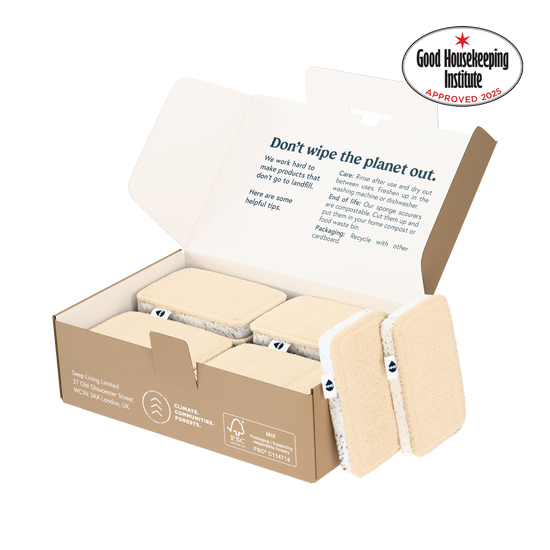
Credit: theseepcompany.com
Effective Cleaning Methods
Kitchen sponge wipes can harbor bacteria if not cleaned properly. To ensure they remain hygienic, employing effective cleaning methods is essential. Here, we explore some proven techniques to sanitize your kitchen sponge wipes.
Microwave Sterilization
Microwave sterilization is quick and effective. Dampen your sponge with water. Place it in the microwave for about two minutes. The heat kills bacteria and germs. Let it cool before using it again.
Dishwasher Technique
The dishwasher offers a thorough clean. Place your sponge in the top rack. Run it through a regular cycle. The hot water and detergent sanitize the sponge. This method is convenient for frequent cleaning.
Bleach Solution Soak
Bleach solution soak is ideal for deep cleaning. Mix a tablespoon of bleach in a gallon of water. Submerge the sponge for five minutes. Rinse thoroughly with water. This method effectively eliminates bacteria and odors.
Boiling Method
Boiling is a natural way to clean sponges. Boil water in a pot. Submerge the sponge for five minutes. This kills germs and bacteria. Ensure the sponge is completely dry before reuse.
Natural Cleaning Alternatives
Kitchen sponge wipes are indispensable tools for keeping your kitchen spotless. However, they can become breeding grounds for bacteria if not cleaned properly. Natural cleaning alternatives offer safe, effective solutions to extend the life of your sponge wipes and ensure your kitchen remains hygienic. These methods are not only eco-friendly but also budget-friendly, utilizing everyday household items. Let’s dive into some practical and simple ways to keep your sponge wipes clean using natural ingredients.
Vinegar And Baking Soda
Vinegar and baking soda are a dynamic duo when it comes to cleaning. Start by soaking your sponge wipes in a bowl filled with equal parts water and vinegar. Let them sit for about 15 minutes. This helps to kill germs and deodorize the sponge. After soaking, sprinkle baking soda directly onto the sponge. Scrub gently to remove any stubborn grime. Rinse thoroughly with water to remove any residue.
Have you ever noticed the fresh scent vinegar leaves behind? It’s an unexpected perk that makes your kitchen smell clean and inviting. Plus, these ingredients are always handy in your kitchen pantry, ready to tackle the toughest stains.
Lemon Juice Treatment
Lemon juice is another fantastic option for cleaning your kitchen sponge wipes. Simply squeeze fresh lemon juice over the sponge and let it soak for about 10 minutes. The natural acidity of lemon juice helps to break down bacteria and neutralize odors. Rinse the sponge under warm water after soaking.
This method is not just effective; it’s refreshing. The citrus aroma adds a delightful touch to your kitchen, making cleaning a surprisingly pleasant task. Have you tried using lemon juice for cleaning before? You’ll be amazed at how rejuvenating it feels.
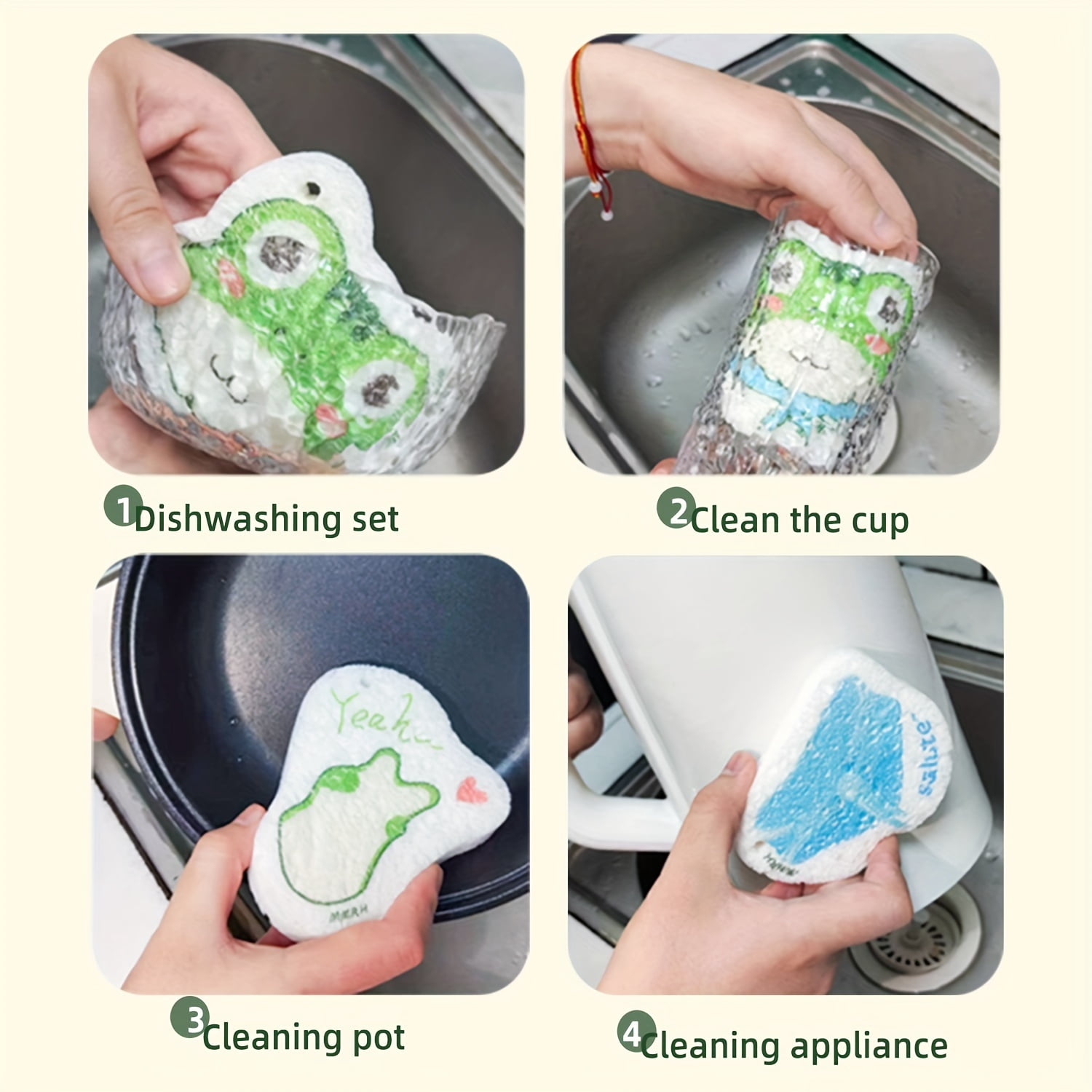
Credit: www.walmart.ca
Frequency Of Cleaning
Regular cleaning keeps kitchen sponge wipes fresh and hygienic. Soak them in vinegar or bleach for a few minutes. Rinse thoroughly with water to remove residues and odors.
Cleaning kitchen sponge wipes regularly is essential for maintaining hygiene. These wipes can harbor bacteria, leading to unpleasant odors and potential health risks. Understanding the right frequency for cleaning can help keep your kitchen safe and fresh.How Often Should You Clean?
Kitchen sponge wipes should be cleaned daily. This prevents bacteria build-up. Cleaning them every day ensures they remain effective and sanitary.Signs It’s Time To Clean
Notice any bad smells? That’s a clear sign. If the sponge looks discolored, it’s time to clean it. A slimy texture also indicates it’s overdue for a wash.Weekly Deep Cleaning
Perform a deep clean once a week. Soak the sponge in boiling water. This kills any remaining bacteria. For extra sanitation, add a few drops of vinegar.Monthly Replacement
Replace your sponge wipes monthly. Over time, cleaning becomes less effective. A new sponge ensures your kitchen stays germ-free.Maintaining Sponge Hygiene
Cleaning kitchen sponge wipes regularly helps prevent germs. Soak them in hot, soapy water, and rinse thoroughly. Microwave for one minute to kill bacteria.
Maintaining sponge hygiene is crucial in keeping your kitchen safe. Kitchen sponges can harbor bacteria if not cleaned regularly. By following simple steps, you can ensure your kitchen stays hygienic.Proper Storage
Store sponges in a dry place after use. A damp sponge breeds bacteria quickly. Use a sponge holder that allows air to circulate. This helps the sponge dry faster. Hanging sponges up is also effective. Avoid leaving them in the sink or on a wet surface.Regular Replacement
Replace kitchen sponges every two weeks. Even with cleaning, bacteria build up over time. Mark the calendar to remember replacement dates. Buying sponges in bulk can save money. It’s a small investment for a cleaner kitchen.Environmental Considerations
Cleaning kitchen sponge wipes requires eco-friendly techniques. Use vinegar or baking soda to disinfect without harsh chemicals. Air-dry thoroughly to prevent bacterial growth and extend their lifespan.
Cleaning kitchen sponge wipes isn’t just about maintaining hygiene; it’s also about making environmentally conscious choices. Many people don’t realize that the way we clean and dispose of these wipes can have a significant impact on the environment. By adopting more sustainable practices, you can reduce waste and contribute to a healthier planet.Eco-friendly Options
Choosing eco-friendly cleaning products is a simple yet effective way to minimize environmental harm. Consider using natural cleaning agents like vinegar or baking soda, which are both effective and gentle on the environment. You might be surprised how well these alternatives can sanitize your sponge wipes without the harsh chemicals. Another option is to invest in biodegradable or reusable sponge wipes. These are designed to break down more quickly in landfills or can be reused for several months, reducing the frequency of disposal. Switching to these options not only helps the planet but can also be cost-effective in the long run.Recycling Used Sponges
Once your sponge wipes are beyond saving, think about recycling them instead of tossing them in the trash. Some recycling programs accept used sponges and can repurpose them into new products. It’s worth checking if such a program exists in your area. Alternatively, you can upcycle old sponges for other uses around the house. For instance, they can be used for gardening as a water-retaining layer in plant pots. This not only gives them a second life but also saves you money on gardening supplies. Have you ever considered how your cleaning habits impact the environment? By making small changes, like opting for eco-friendly products and recycling, you can make a big difference. Let’s challenge ourselves to think beyond convenience and prioritize sustainability.Expert Tips For Prolonging Sponge Life
Proper cleaning extends the life of kitchen sponge wipes. Rinse sponges thoroughly after each use to remove food particles. Disinfect them weekly by soaking in a mixture of water and vinegar or microwaving damp sponges for a minute.
When it comes to kitchen maintenance, the humble sponge wipe often goes unnoticed. Yet, it plays a crucial role in keeping your kitchen clean and hygienic. Proper care can significantly extend the life of your sponge wipes, saving you money and reducing waste. Let’s dive into some expert tips to help you prolong the lifespan of your kitchen sponge wipes.Regular Rinsing
Make rinsing your sponge wipes a habit. After each use, thoroughly rinse them under hot water. This helps remove food particles and soap residue, preventing bacterial growth.Air Drying
Don’t just toss your sponge in a corner. Allow it to air dry completely between uses. Moist environments are breeding grounds for bacteria. Use a sponge holder or a dedicated spot in your kitchen where it can dry quickly.Microwave Sterilization
Ever thought about using your microwave for cleaning? Place a damp sponge in the microwave for one to two minutes. The heat kills bacteria and germs. Ensure the sponge is wet, as microwaving a dry sponge can cause it to catch fire.Vinegar Soak
Vinegar is a natural disinfectant. Soak your sponge wipes in a solution of equal parts water and vinegar for at least five minutes. This not only cleans them but also neutralizes odors.Bleach Solution
For deep cleaning, occasionally soak your sponge in a bleach solution. Mix a tablespoon of bleach in a gallon of water and let your sponge sit for a few minutes. Rinse thoroughly afterward to remove any bleach residue.Alternating Sponges
Consider rotating between multiple sponges. Use one sponge for dishes and another for countertops. This reduces the wear and tear on each sponge, extending their lifespan.Inspect For Wear And Tear
Keep an eye on your sponge’s condition. Once it starts to tear or lose its shape, it’s time to replace it. A worn-out sponge is less effective and can harbor more bacteria.Mind The Smell
A smelly sponge is a sign of bacteria buildup. If you notice an odor, it’s time to clean or replace it. Regular maintenance can prevent this issue.Make It A Routine
Incorporate these cleaning methods into your regular kitchen routine. Consistency is key to keeping your sponge wipes fresh and effective. By following these tips, you not only extend the life of your sponge wipes but also contribute to a more sustainable kitchen. What other kitchen tools do you think deserve more attention in terms of maintenance?)
Credit: www.jiomart.com
Frequently Asked Questions
How To Clean Sponge Wipes?
To clean sponge wipes, rinse thoroughly with warm water and mild soap. Disinfect by soaking in vinegar or bleach solution. Air dry completely before reuse. Regular cleaning prevents bacteria buildup and extends sponge lifespan. Avoid microwaving to prevent damage. Replace sponges every few weeks for optimal hygiene.
What Is The Best Way To Clean Kitchen Sponges?
Microwave damp sponges for two minutes to kill bacteria. Alternatively, soak them in vinegar or diluted bleach solution. Rinse thoroughly after cleaning. Replace sponges every two weeks for optimal hygiene. Dry them completely to prevent mold growth and odors.
How Sanitary Are Kitchen Sponges?
Kitchen sponges are breeding grounds for bacteria. Regular cleaning and replacement are essential for hygiene. Wash sponges in hot water or microwave them to kill germs. Replace sponges every 1-2 weeks to maintain cleanliness. Always dry them thoroughly after use to prevent bacterial growth.
How To Keep Kitchen Sponges Germ Free?
Microwave damp sponges for one minute to kill germs. Replace them every two weeks. Keep sponges dry between uses. Use bleach or vinegar to disinfect them weekly. Avoid using the same sponge for dishes and surfaces.
Conclusion
Cleaning kitchen sponge wipes is simple and important. Keep them fresh. Prevent germs and odors. Regular cleaning extends their lifespan. Choose methods that fit your routine. Use vinegar, bleach, or microwave to sanitize. Rinse thoroughly after cleaning. Store sponges in a dry place.
Replace them when they wear out. Clean sponges make your kitchen healthier. Protect your family from bacteria. Make cleaning sponges a habit. Enjoy a spotless kitchen. Save money by prolonging sponge life. Try these tips today. Stay consistent. Your kitchen deserves clean sponges.
