
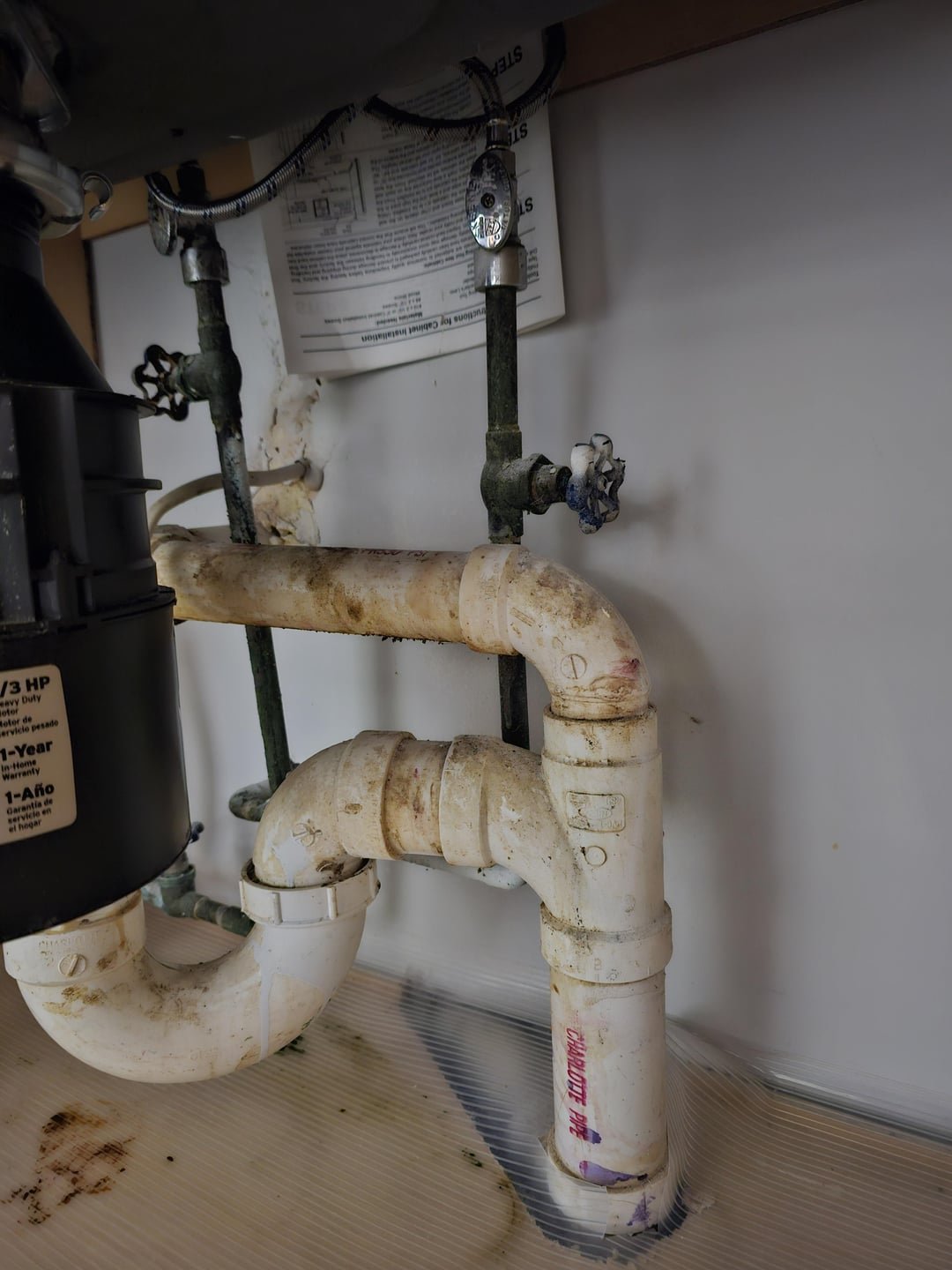
Have you noticed a musty smell coming from under your kitchen sink? That unpleasant odor can quickly turn your clean kitchen into an uncomfortable space.
You might wonder what’s causing it and how to get rid of it for good. You’ll discover simple steps to identify the source of the smell and easy fixes to restore freshness to your kitchen. Keep reading—you deserve a kitchen that smells just as good as it looks.
Causes Of Musty Smell
A musty smell under the kitchen sink often signals hidden problems. This odor usually points to moisture and decay. Understanding the causes helps stop the smell and protect your home.
Leaking Pipes
Leaking pipes release water under the sink. This moisture creates a perfect spot for odors. Even small drips cause dampness. Over time, leaks lead to wood rot and mold.
Mold And Mildew Growth
Mold and mildew thrive in damp, dark areas. Under the sink is a prime location. These fungi produce a strong, musty smell. They can spread quickly and damage surfaces.
Clogged Drains
Clogged drains trap food and grease. Stuck debris breaks down and smells bad. Slow drainage worsens the issue. This causes a persistent odor near the sink.
Trash And Food Residue
Food scraps left in the trash or sink area rot. This decay creates unpleasant smells. Spilled liquids or crumbs also attract pests. Cleaning regularly keeps odors away.
Poor Ventilation
Poor airflow under the sink traps moisture and odors. Without ventilation, dampness builds up. Stale air allows mold to grow faster. Proper ventilation helps keep the area dry and fresh.

Credit: www.reddit.com
Detecting The Odor Source
Detecting the source of a musty smell under the kitchen sink is essential for a fresh kitchen. The odor often signals moisture problems or hidden mold. Finding the exact spot helps prevent damage and keeps your home healthy.
Visual Inspection Tips
Start by clearing the area beneath the sink. Look for water stains on the cabinet walls or floor. Check for peeling paint or swollen wood, signs of moisture damage. Examine pipes for leaks or drips, especially around joints. Look inside the cabinet corners and edges for mold or mildew spots. Use a flashlight to see dark or hidden areas clearly.
Using Smell As A Guide
Smell closely around the cabinet base and walls. Move your nose slowly to catch the strongest odor point. Sniff near the drain pipe and garbage disposal, common odor sources. Smell inside any stored containers or cleaning supplies. The smell may be strongest where moisture collects or mold grows.
Checking Hidden Areas
Check behind the cabinet and under the plumbing pipes. Pull out any removable panels or trays to inspect underneath. Look inside the sink trap for clogs or buildup causing odor. Don’t forget to check the wall behind the sink for leaks. Use a moisture meter if available to find damp spots not visible.
Cleaning Techniques
Cleaning the area under the kitchen sink helps remove musty smells. Dirt, mold, and dampness cause bad odors. Effective cleaning improves air quality and keeps the space fresh.
Removing Mold And Mildew
Wear gloves and a mask before cleaning mold. Use a mixture of water and white vinegar or a mild bleach solution. Apply with a spray bottle and scrub with a brush. Wipe surfaces dry to prevent mold from returning.
Clearing Drain Blockages
Clogs cause water to sit and smell. Pour boiling water slowly down the drain to clear minor blockages. Use a plunger or a drain snake for tougher clogs. Avoid harsh chemicals that damage pipes.
Sanitizing Surfaces
Use a disinfectant spray or a mix of water and baking soda to clean surfaces. Wipe all areas, including pipes and cabinet walls. Dry thoroughly to stop moisture buildup and bacteria growth.
Dealing With Trash And Debris
Remove all trash and crumbs under the sink. Check for food scraps or spills. Clean the trash bin with soap and water regularly. Use a liner to keep the area clean and odor-free.
Preventing Future Odors
Preventing musty odors under the kitchen sink requires consistent care and attention. A simple routine helps keep the area dry and fresh. Small changes in ventilation and quick repairs stop smells before they start. Using natural deodorizers also supports a clean-smelling kitchen space. These steps protect your home from unpleasant odors over time.
Regular Maintenance Routine
Check under the sink weekly for spills or dampness. Wipe the area with a dry cloth to remove moisture. Clear out food crumbs and debris that attract mold. Clean the drain and pipes to avoid buildup. Keeping this routine prevents odors from developing.
Improving Ventilation
Good airflow reduces moisture and odor buildup. Leave cabinet doors open occasionally to let air circulate. Use a small fan or vent nearby if possible. Ventilation stops mold growth and keeps the space dry.
Using Deodorizers And Absorbers
Place natural deodorizers like baking soda or activated charcoal under the sink. These absorb bad smells and moisture. Replace them every few months for best results. Avoid strong chemicals that can irritate or damage surfaces.
Fixing Leaks Promptly
Leaks cause dampness that leads to musty smells. Inspect pipes and fittings regularly for drips or puddles. Repair any leaks quickly to stop water damage. Dry the area thoroughly after fixing leaks to prevent mold.
When To Call A Professional
Determining the right moment to call a professional for a musty smell under your kitchen sink is important. Some issues are simple to fix, but others need expert help. Knowing when to seek professional service can save time and prevent damage.
Professionals have the tools and knowledge to handle tough problems safely and effectively. They can find hidden causes and fix them properly. This section highlights key signs that show it’s time to get expert help.
Persistent Odor Issues
If the musty smell lingers after cleaning, it signals a deeper problem. DIY fixes may not remove the source fully. A persistent odor can come from trapped moisture or decayed materials. Professionals use special equipment to detect and remove hidden sources of odor.
Major Plumbing Problems
Leaks or damaged pipes often cause musty smells. Water pooling under the sink leads to mold and odor. A professional plumber can inspect and repair these issues quickly. Ignoring plumbing problems can cause bigger damage and higher repair costs.
Mold Remediation Needs
Visible mold or extensive dampness requires professional mold remediation. Mold poses health risks and spreads easily. Experts use safe methods to remove mold and prevent its return. They also check for structural damage caused by mold growth.

Credit: www.reddit.com

Credit: www.advantaclean.com
Frequently Asked Questions
Why Is There A Musty Smell Under My Kitchen Sink?
A musty smell under your kitchen sink usually indicates moisture buildup. It often results from leaks, poor ventilation, or mold growth in damp areas. Addressing leaks and improving airflow can help eliminate the odor and prevent further damage.
How Can I Remove Mold Causing Musty Odors?
To remove mold, clean the affected area with a mixture of water and vinegar or a commercial mold remover. Ensure the area is dry and well-ventilated afterward. Wearing gloves and a mask during cleaning is recommended for safety.
What Causes Persistent Dampness Under Kitchen Sinks?
Persistent dampness often comes from leaking pipes, poor seals, or water spills. It creates an ideal environment for mold and mildew. Regular inspections and fixing leaks promptly help keep the area dry and odor-free.
Can A Clogged Drain Cause Musty Smells?
Yes, clogged drains can trap food particles and moisture, leading to musty odors. Regularly cleaning and unclogging drains helps prevent odor buildup and maintains a fresh-smelling kitchen sink area.
Conclusion
A musty smell under the kitchen sink signals a problem. It often means moisture or mold is present. Act quickly to find and fix the cause. Clean the area well and keep it dry. Regular checks help prevent bad smells in the future.
A fresh-smelling kitchen feels clean and healthy. Taking small steps today saves bigger troubles tomorrow. Don’t ignore that musty odor—it’s a sign to act.
