
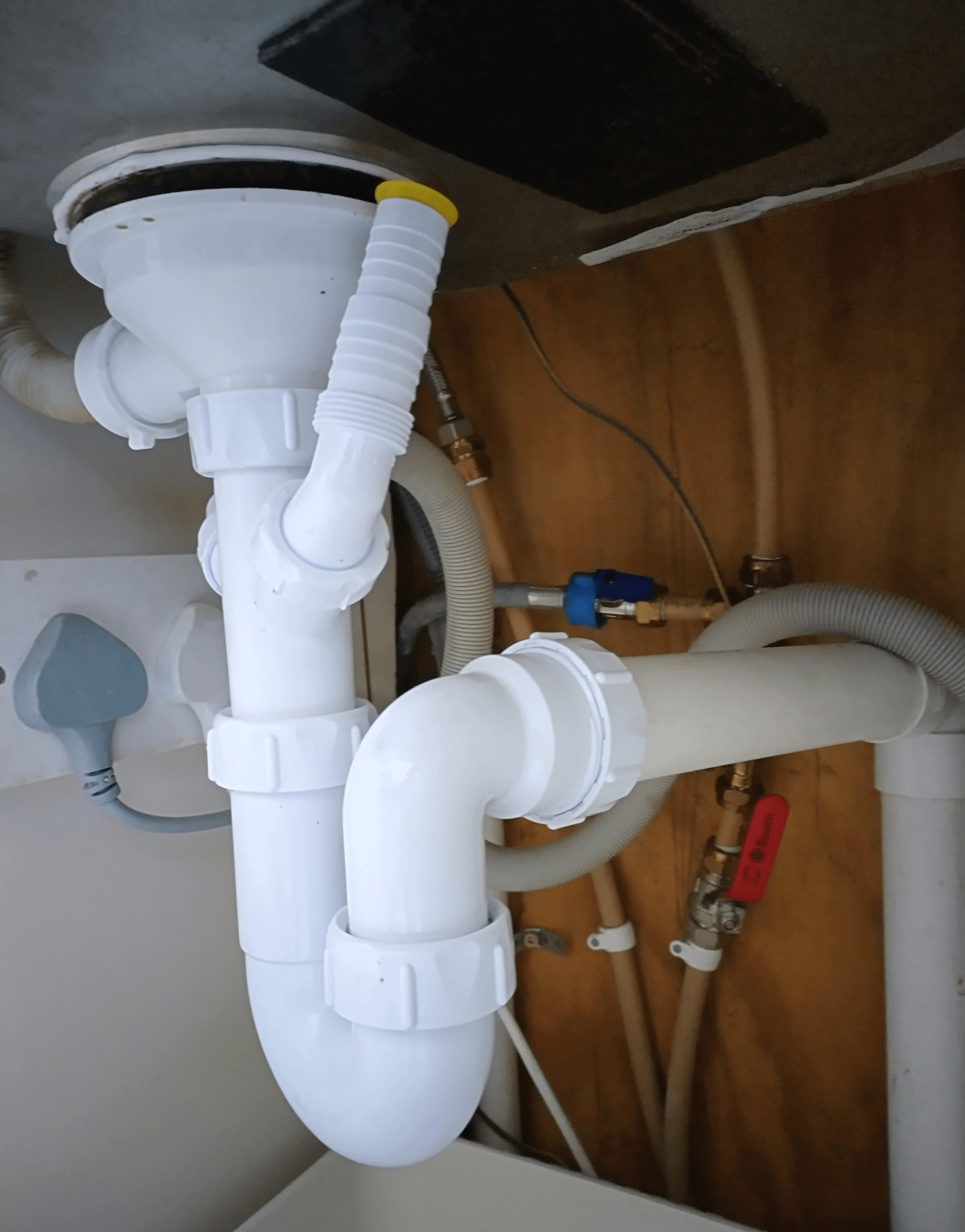
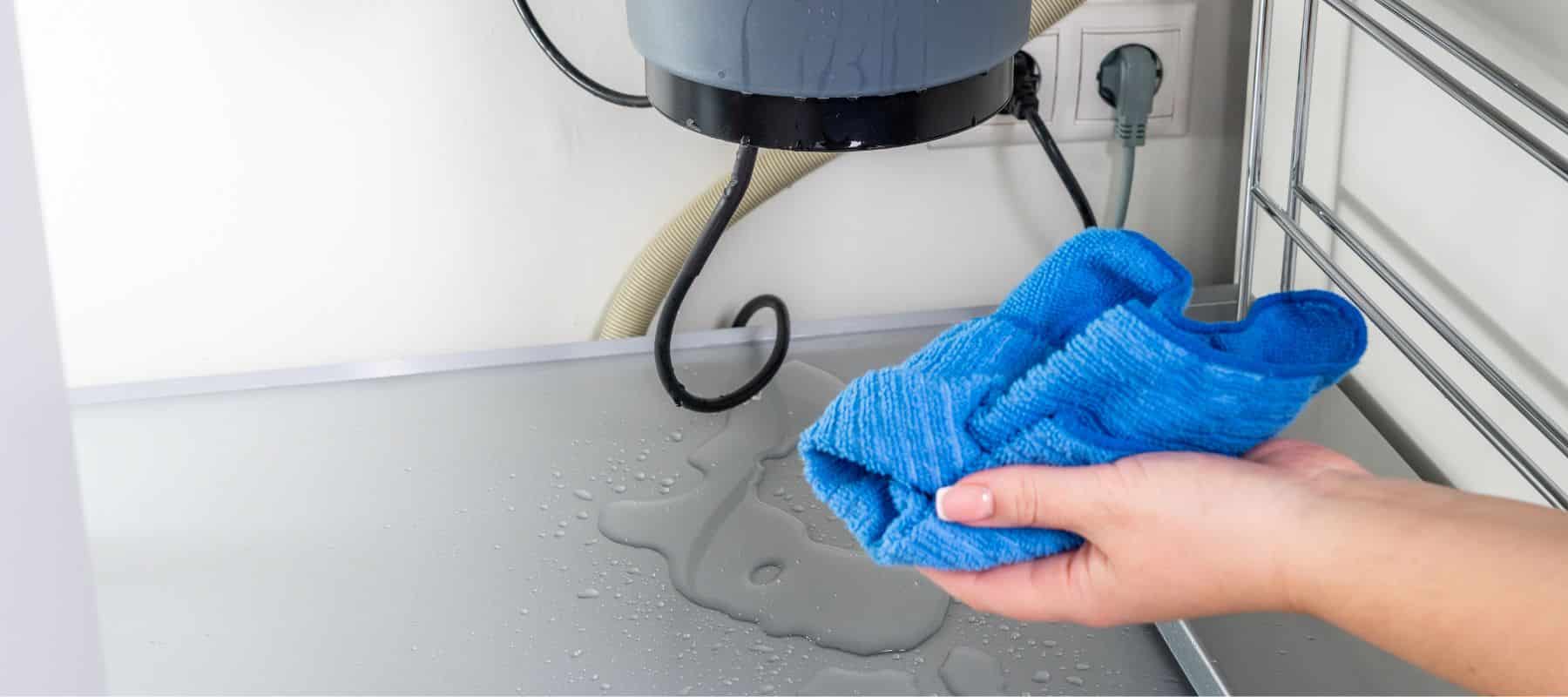
Is water pooling under your kitchen sink? A leak there might seem small at first, but it can quickly turn into a costly problem.
You might notice a damp cabinet, a musty smell, or even water damage that’s hard to fix. If you don’t act fast, that tiny drip can lead to mold, warped wood, and higher water bills. This guide will help you spot the signs, understand what causes leaks, and show you simple steps to fix the problem before it gets worse.
Keep reading to protect your kitchen and save money.
Credit: www.garvinssewerservice.com
Common Causes Of Sink Leaks
Leaks under your kitchen sink can cause more than just annoying drips. They often signal issues that, if ignored, may lead to costly repairs or water damage. Understanding the common causes of sink leaks helps you spot problems early and decide whether you can fix them yourself or need professional help.
Worn Out Washers And Seals
Washers and seals keep water from escaping around joints and connections in your sink. Over time, these small parts wear down, crack, or shrink, causing leaks. If you notice water pooling under your sink or dripping from faucet bases, it might be time to check these components.
Replacing washers and seals is a simple fix that often stops leaks immediately. Do you know where these parts are located in your sink assembly?
Loose Or Damaged Pipes
Loose pipes can shift and create gaps where water seeps out. Damage from corrosion or accidental knocks also compromises pipe integrity. Tightening connections or replacing damaged pipes usually solves this problem.
Have you ever tightened a pipe only to find the leak persists? Sometimes, hidden cracks or worn threads cause trouble beyond what a simple twist can fix.
Clogged Drains
Clogs force water to back up, increasing pressure inside drain pipes and causing leaks at weak spots. Grease buildup, food scraps, and soap residue often block your drain. Clearing clogs regularly prevents leaks and keeps water flowing smoothly.
Are you using the right tools or cleaners to maintain your drain? Avoid harsh chemicals that might damage pipes and opt for safer alternatives.
Faulty Faucet Components
Faucet cartridges, O-rings, and valves control water flow and prevent leaks. Faulty or worn faucet parts can cause leaks around handles or spouts. Identifying and replacing these parts can restore your faucet’s function and stop water waste.
Have you checked if your faucet parts match the manufacturer’s specifications? Using the wrong replacements can lead to persistent leaks and frustration.
Identifying The Leak Source
Finding the exact source of a leak under your kitchen sink is crucial before you can fix it. Leaks often hide in plain sight, but identifying where the water is coming from can save you time and money. You might think the drip is from the faucet, but sometimes the cause is deeper within the plumbing system.
Checking Under The Sink
Start by clearing out everything beneath your sink so you can see all pipes clearly. Look for any visible signs of water, like wet spots, puddles, or corrosion on the pipes.
Don’t forget to feel around the pipes and connections; sometimes leaks drip slowly and you may only notice dampness. A flashlight can help you spot cracks or worn-out seals that are easy to miss in dim light.
Inspecting The Faucet
Your faucet can be the culprit if water drips down into the cabinet. Check around the base of the faucet and handles for moisture or water stains.
Turn on the faucet and watch closely for leaks while the water is running and after it’s turned off. Seals and washers inside the faucet can wear out and cause hidden leaks you might overlook.
Examining Water Supply Lines
Water supply lines connect your sink to the main water source. These flexible or rigid tubes can develop leaks at the joints or along their length.
Feel along the entire length of the supply lines for any wet spots. If you find corrosion or rust on the connectors, it’s a warning sign that the lines may fail soon.
Have you ever noticed a small drip that only appears when you use the sink? That’s often a supply line issue waiting to escalate.
Quick Fixes For Leaks
Leaks under the kitchen sink can cause damage quickly. Quick fixes help stop leaks fast. These simple repairs save water and prevent bigger problems. Most fixes need only basic tools and parts.
Tightening Loose Connections
Loose pipes or joints often cause leaks. Use a wrench to tighten connections gently. Avoid over-tightening, which can break pipes. Check all visible joints under the sink. Tightening can stop drips and small leaks immediately.
Replacing Washers And Seals
Old washers and seals wear out over time. Remove the leaking part carefully. Replace worn washers or seals with new ones of the same size. This fix restores a tight seal and stops leaks. Washers are cheap and easy to change.
Using Plumber’s Tape
Plumber’s tape helps seal threaded pipe joints. Wrap tape clockwise around pipe threads. Make sure to cover threads evenly. Screw the parts back together tightly. The tape fills gaps and prevents leaks. It works well for small leaks at joints.
Temporary Leak Stoppers
Temporary products stop leaks until permanent repairs happen. Leak stoppers come as putty, tape, or patches. Apply directly on the leak following instructions. These stop water flow for a short time. Use them only as a quick, temporary solution.

Credit: www.misterplumber.ca
Tools And Materials Needed
Fixing a leak under your kitchen sink requires the right tools and materials to get the job done efficiently. Having these items on hand can save you time and frustration, ensuring a smoother repair process. Let’s break down what you’ll need to tackle this common household problem.
Basic Plumbing Tools
Start with a good set of plumbing tools. A pipe wrench or adjustable wrench helps you loosen and tighten plumbing fittings without damaging them.
You’ll also need a basin wrench for hard-to-reach nuts under the sink. A flashlight is handy to see in tight, dark spaces.
Don’t forget a bucket to catch dripping water and some old towels to keep the area dry. These basic tools make the repair manageable and less messy.
Sealants And Tapes
Sealants and tapes prevent leaks by creating tight seals around joints and connections. Teflon tape is essential for wrapping threaded pipe connections to stop drips.
Plumber’s putty or silicone sealant works well for sealing around drains and fixtures. Choose a sealant that’s waterproof and durable to avoid frequent repairs.
Have you ever tried fixing a leak only to find it drips again? Using the right sealants can make a big difference in lasting results.
Replacement Parts
Leaks often mean some parts need replacing. Common replacements include washers, O-rings, and gaskets, which wear out over time and cause leaks.
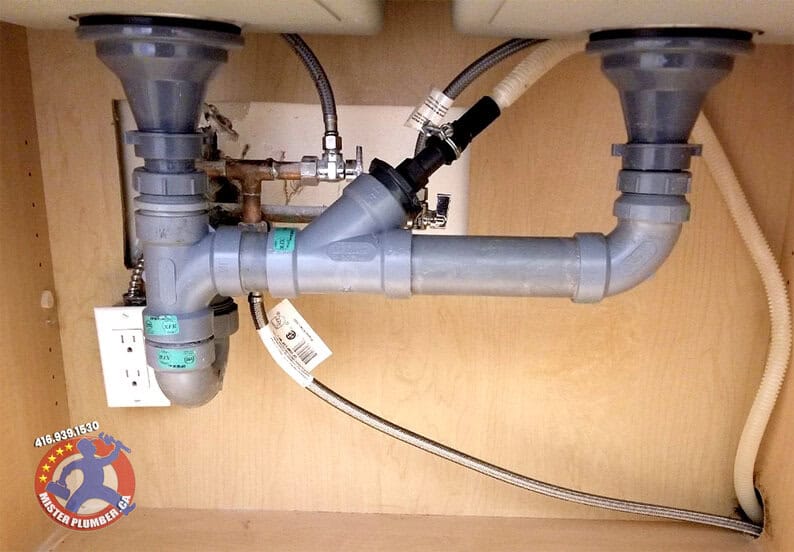
If you notice corrosion or cracks, you might need a new P-trap or supply line. Bring the old part to the hardware store for an exact match—this saves you multiple trips.
Knowing exactly which parts to replace helps you fix the leak faster and prevents future problems under your sink.
When To Call A Professional
Knowing when to call a professional for a leak under your kitchen sink can save you time, money, and stress. Some issues might look simple but hide bigger problems that only an expert can handle safely and effectively.
Complex Pipe Damage
If you notice cracks, corrosion, or multiple leaks in the pipes, it’s time to get help. DIY fixes might not hold up, and incorrect repairs can cause more damage. Professionals have the right tools and experience to replace or repair damaged pipes correctly.
Persistent Leaks
Have you tried tightening connections or replacing washers, but the leak keeps coming back? Persistent leaks often signal an underlying issue that needs expert attention. Ignoring them can lead to bigger problems, so calling a plumber is a smart choice.
Water Damage Concerns
Water stains, mold, or a musty smell under your sink mean the leak has already caused damage. This can affect your cabinets and even your home’s structure. Professionals can assess the full extent of the damage and fix both the leak and the water damage properly.
Credit: www.misterplumber.ca
Preventing Future Leaks
Preventing leaks under the kitchen sink saves time, money, and stress. Small drips can cause big damage over time. Regular care and smart choices keep your plumbing safe and dry. Follow these tips to protect your kitchen from future leaks.
Regular Maintenance Tips
- Check pipes and connections monthly for signs of moisture.
- Look for corrosion, rust, or worn-out seals around fittings.
- Clean drain traps to avoid clogs and pressure build-up.
- Replace damaged washers or gaskets promptly.
- Keep the area under the sink dry and well-ventilated.
Proper Use Of Sink Fixtures
- Avoid forcing handles or knobs to prevent damage.
- Do not pour grease or food scraps down the drain.
- Use strainers to catch debris and prevent blockages.
- Turn off water gently to reduce stress on pipes.
- Report any unusual sounds or leaks immediately.
Monitoring Water Pressure
- High water pressure strains pipes and joints.
- Use a pressure gauge to check pressure regularly.
- Keep pressure between 40 and 60 psi for safety.
- Install a pressure regulator if pressure is too high.
- Lower pressure reduces the risk of leaks and bursts.
Installing Quality Components
- Choose durable pipes made from copper or PVC.
- Use stainless steel or brass fittings for longevity.
- Invest in high-quality washers and seals.
- Ensure professional installation for a secure fit.
- Quality parts last longer and resist leaks better.
Frequently Asked Questions
What Causes A Leak Under Kitchen Sink?
Leaks usually stem from worn-out pipes, loose connections, or damaged seals. Corrosion and clogs also cause leaks. Regular inspection helps prevent these issues and protects your kitchen from water damage.
How To Fix A Leak Under The Sink?
First, turn off the water supply. Then, identify the leak source. Tighten loose fittings or replace damaged parts. If unsure, call a professional plumber to avoid worsening the problem.
How To Prevent Leaks Under Kitchen Sinks?
Regularly check pipes and connections for damage or wear. Avoid pouring grease or debris down the drain. Use strainers to catch food particles and ensure fittings stay tight.
When Should I Call A Plumber For Sink Leaks?
Call a plumber if leaks persist after DIY fixes. Also, seek help if water damage or mold appears. Professional service ensures safe, thorough repair and prevents future leaks.
Conclusion
A leak under the kitchen sink can cause serious damage fast. Acting quickly helps prevent big problems. Check pipes and connections often to catch leaks early. Tighten loose parts or replace broken pieces right away. Clean up water spills to avoid mold and odors.
Small fixes save money and keep your kitchen safe. Stay aware and take simple steps to protect your home. Don’t let a small drip turn into a major repair. Keep your kitchen dry and worry-free.
