

Choosing the best finish for your kitchen paint can transform the heart of your home. You want a look that’s not only beautiful but also practical and long-lasting.
But with so many options available, how do you pick the perfect one? This guide will help you discover the ideal paint finish that fits your style, hides flaws, and stands up to daily wear and tear. Keep reading to find out how to make your kitchen look amazing and stay fresh for years to come.

Credit: www.goodhousekeeping.com
Choosing Kitchen Paint Finishes
Choosing the right paint finish for your kitchen affects its look and durability. The finish changes how the paint handles moisture, stains, and cleaning. It also impacts the overall style of the space. Picking the best finish helps keep your kitchen fresh and easy to maintain.
Factors Influencing Finish Selection
Consider the kitchen’s use and lighting before choosing a finish. High-traffic areas need tougher finishes. Areas with lots of moisture require water-resistant paint. Also, think about the color and how much shine you want. The finish can highlight or soften colors and textures.
Durability And Maintenance
Kitchen walls face spills, steam, and frequent cleaning. Choose finishes that resist stains and wipe clean easily. Satin and semi-gloss finishes offer good durability. They handle scrubbing without fading. Flat or matte finishes may hide flaws but are harder to clean.
Aesthetic Appeal
Paint finish changes the kitchen’s mood and style. Glossy finishes create a bright, modern look. Matte finishes give a soft, cozy feel. Satin is a balance between shine and subtlety. Pick a finish that fits your kitchen’s design and your personal taste.
Matte And Flat Finishes
Matte and flat finishes offer a smooth, non-reflective look that many homeowners find appealing for kitchen walls and cabinets. These finishes absorb light instead of bouncing it back, which gives your kitchen a calm and subtle appearance. If you prefer a surface that hides imperfections well, matte and flat finishes might catch your interest.
Characteristics And Uses
Matte and flat paints have almost no shine, making them perfect for walls with flaws like bumps or patches. They create a soft, velvety texture that feels warm and inviting. Because they don’t reflect light, these finishes can make a kitchen look cozy and less clinical.
These finishes work well on ceilings and walls but are less common on cabinets due to their lower durability. You might choose matte or flat paint for kitchen walls if you want a smooth, elegant backdrop that doesn’t distract from other design elements. They’re also great for kitchens with lots of natural light, as they reduce glare.
Pros And Cons In Kitchens
| Pros | Cons |
|---|---|
|
|
Have you ever noticed how fingerprints or splashes stick out on matte walls? That’s why many people avoid using flat finishes in busy kitchens. But if you’re careful and want a calm, understated look, matte or flat paint can be a smart choice.
Eggshell Finish
Choosing the right finish for your kitchen paint can make a huge difference in both appearance and durability. The eggshell finish strikes a balance that many homeowners find appealing. It offers a subtle sheen without being too glossy, making it a popular choice for kitchen walls.
Texture And Appearance
Eggshell finish has a soft, velvety texture that reflects a little light but doesn’t shine like satin or gloss. This slight sheen helps hide minor wall imperfections better than flat paint. You get a smooth surface that feels warm and inviting, perfect for a space where you spend a lot of time.
Because it’s not too shiny, the eggshell finish won’t highlight smudges or fingerprints as much as higher gloss paints. It’s easy on the eyes and adds a subtle depth to your kitchen walls. Have you noticed how harsh reflections can distract in a room? Eggshell avoids that pitfall.
Suitability For Kitchen Walls
Kitchen walls face challenges like moisture, cooking splatters, and frequent cleaning. Eggshell finish stands up well to gentle scrubbing, unlike flat finishes that can wear away quickly. This makes it practical for areas around the stove or sink where splashes are common.
Still, it’s not as durable as semi-gloss or gloss, so consider your kitchen’s activity level. If you cook often or have kids, you might want a finish that handles heavy cleaning better. But if you prefer a cozy look with decent durability, eggshell is a smart middle ground.
Think about your daily kitchen routine—does your wall paint need to resist stains and frequent washing? Eggshell paint often fits that need without sacrificing style.
Satin Finish
The satin finish strikes a perfect balance between matte and glossy, making it a popular choice for kitchen paint. It offers a subtle sheen that brightens up your space without overwhelming it. If you want a finish that looks elegant and stands up to daily wear, satin might be exactly what you need.
Durability Benefits
Satin finish is known for its durability, which is essential in a busy kitchen environment. It resists moisture and stains better than flat or matte finishes, helping your walls stay fresh longer. This finish also handles scrubbing well, so you won’t have to worry about damaging the paint when cleaning spills or splatters.
Think about the times you’ve accidentally splashed sauce or grease on the wall. With satin paint, those marks wipe away easily without leaving a trace. This durability makes it a smart investment for high-traffic kitchens where walls face constant exposure to cooking messes.
Cleaning And Maintenance Tips
Keeping satin finish walls clean is straightforward, but using the right approach matters. Start by dusting or wiping the surface with a soft cloth to remove loose dirt. For tougher stains, mix a mild detergent with water and gently scrub with a sponge.
Avoid abrasive cleaners or harsh scrubbing pads, as they can dull the satin sheen. Dry the area with a clean towel to prevent water spots. Regular maintenance like this will keep your kitchen walls looking fresh and inviting for years.
Semi-gloss Finish
The semi-gloss finish is a popular choice for kitchen paint. It offers a soft shine that brightens the space without being too shiny. This finish balances style and practicality, making it ideal for busy kitchens. It holds up well against moisture and stains, which are common in cooking areas. Many homeowners prefer semi-gloss for its easy cleaning and fresh look.
Shine And Resistance
Semi-gloss paint has a noticeable shine that reflects light softly. This makes kitchen walls look clean and lively. The finish resists moisture better than flat or matte paints. It also stands up to scrubbing, so stains and dirt wash away easily. This durability helps the kitchen stay fresh, even with constant use.
Best Areas To Apply Semi-gloss
- Kitchen cabinets – for a smooth, durable surface
- Trim and moldings – to highlight details and resist scuffs
- Walls near sinks – to handle splashes and humidity
- Backsplashes – for easy cleaning after cooking
- Doors – to protect from frequent touch and wear
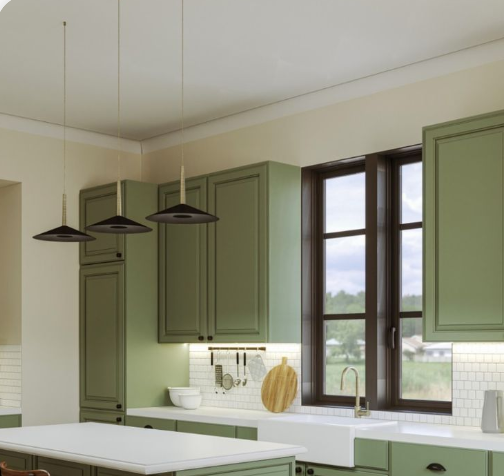
Credit: www.jswpaints.in
High-gloss Finish
Choosing the right finish for your kitchen paint can dramatically affect both the look and function of the space. A high-gloss finish stands out for its shiny surface that instantly brightens any kitchen. Its sleek, polished look can make walls and cabinets feel modern and clean, helping your kitchen look well-maintained and inviting.
Reflective Qualities
High-gloss paint reflects a lot of light, which can make your kitchen appear larger and more open. This reflective quality is especially useful in kitchens with limited natural light. If you want to brighten up darker corners or smaller spaces, this finish can be a game-changer.
But keep in mind, because it reflects so much light, it can also highlight imperfections on your walls. Make sure your surface is smooth and well-prepared before applying high-gloss paint to get the best results. Are you ready to embrace a finish that shows every detail?
Durability In High-traffic Zones
High-gloss paint is known for its toughness, making it perfect for busy kitchens where walls and cabinets face daily wear and tear. It resists stains and is easy to wipe clean, which is a huge advantage when dealing with cooking splatters or fingerprints.
Think about areas like cabinet doors and backsplashes—these get touched and splashed often. Using a high-gloss finish here means less time scrubbing and more time enjoying your kitchen. Wouldn’t you want a paint finish that stands up to your kitchen’s busiest moments?
Specialty Paints For Kitchens
Choosing the right specialty paint for your kitchen can make a big difference in how your space looks and performs. Kitchens face unique challenges like humidity, grease, and constant cleaning. Specialty paints are designed to handle these issues while keeping your walls fresh and vibrant.
Moisture-resistant Options
Moisture is a constant in kitchens, especially near sinks and cooking areas. Paints with moisture-resistant properties protect your walls from peeling and bubbling caused by steam and water splashes.
These paints often have a satin or semi-gloss finish, which makes them easier to wipe clean. If you’ve ever struggled with paint that stains easily or wears down after a few months, moisture-resistant paints can be a game changer.
Wouldn’t you prefer a kitchen wall that stays smooth and fresh even after countless cooking sessions? Look for brands that highlight mildew resistance to prevent mold growth in damp areas.
Antimicrobial Paints
Antimicrobial paints are formulated to inhibit the growth of bacteria, mold, and mildew on your kitchen walls. This is especially useful if you have kids or pets, or if your kitchen tends to feel less than spotless despite your best efforts.
These paints don’t just protect your walls but contribute to a healthier kitchen environment. Imagine reducing the risk of harmful germs lingering on your walls without needing constant harsh cleaning.
Choosing antimicrobial paint can be a smart move if you want your kitchen to stay cleaner longer. Would you like your walls to actively fight germs while keeping their color intact?
Tips For Painting Kitchen Cabinets
Painting kitchen cabinets can transform your entire kitchen without the cost of a full remodel. To get a smooth, lasting finish, every step matters—from prep to application. Here are some essential tips to help you achieve professional-looking results that stand up to daily kitchen use.
Surface Preparation
Start by removing all cabinet doors and hardware. This makes painting easier and prevents drips on your kitchen surfaces.
Clean the surfaces thoroughly with a degreaser to remove grease and dirt. Skip this step, and the paint may not stick well.
Sand the cabinets lightly to create a rough texture for the paint to grip. Use fine-grit sandpaper for a smooth finish without scratches.
Fill any holes or dents with wood filler, then sand again once dry. This helps create an even surface that looks flawless when painted.
Choosing The Right Finish
Not all paint finishes work well in kitchens. Consider how much wear and moisture your cabinets face daily.
- Satin finishoffers a subtle shine and is easy to clean. It’s a popular choice for kitchen cabinets.
- Semi-gloss finishprovides a brighter shine and excellent durability, perfect for high-traffic kitchens.
- Eggshell finishhas a soft sheen but may not hold up as well against spills and scrubbing.
Think about your cleaning habits. Do you wipe down cabinets often? A semi-gloss finish might be your best bet.
Application Techniques
Use a high-quality brush for detailed areas and a foam roller for flat surfaces to avoid brush marks.
Apply thin, even coats and let each layer dry fully before adding the next. Thick coats lead to drips and uneven texture.
Lightly sand between coats with very fine sandpaper to remove imperfections. This step is key for a smooth, professional finish.
Have you considered using a paint sprayer? It can speed up the process and create a flawless surface, but it requires careful masking of surrounding areas.
Maintenance And Touch-up Strategies
Keeping your kitchen paint looking fresh means understanding how to maintain and fix it when needed. Different paint finishes react differently to cleaning and touch-ups. Knowing the right approach saves you time and keeps your kitchen vibrant without a full repaint.
Cleaning Different Finishes
Glossy and semi-gloss finishes are easier to clean because they resist stains and moisture. You can wipe them down with a damp cloth and mild soap without worrying about damage.
Matte and eggshell finishes require more gentle care. Use a soft sponge and avoid harsh scrubbing to prevent dulling the surface. Have you noticed how some paints show fingerprints more? Choosing the right finish can reduce how often you need to clean.
Handling Scratches And Chips
Small scratches and chips happen even in the best-kept kitchens. For glossy or semi-gloss paint, touching up is as simple as applying a bit of matching paint with a fine brush.
Matte finishes can be trickier since new paint might stand out. Try feathering the edges of the touch-up paint to blend it better with the old. Keeping leftover paint from your original can save you a lot of hassle when repairing.
- Clean the area before touching up to help the new paint stick well.
- Apply thin layers and let each dry fully to avoid uneven patches.
- Use painter’s tape to protect surrounding areas for a sharp finish.

Credit: www.goodhousekeeping.com
Frequently Asked Questions
What Is The Best Finish For Kitchen Walls?
The best finish for kitchen walls is satin or semi-gloss. These finishes are durable, easy to clean, and resist moisture. They also add a subtle sheen that enhances the kitchen’s aesthetic. Satin provides a softer look, while semi-gloss offers more shine and durability.
Why Choose Semi-gloss Paint For Kitchens?
Semi-gloss paint is ideal for kitchens due to its durability and moisture resistance. It withstands frequent cleaning and prevents stains. The finish adds a bright touch, making spaces feel larger. It’s perfect for high-traffic areas like kitchens where cleanliness is key.
Is Satin Paint Good For Kitchen Cabinets?
Yes, satin paint is great for kitchen cabinets. It offers a smooth, elegant finish that resists dirt and grime. Satin is less shiny than semi-gloss, providing a more subtle look. It’s easy to clean, making it perfect for maintaining tidy kitchen cabinets.
How Does Gloss Finish Affect Kitchen Aesthetics?
Gloss finish enhances kitchen aesthetics by adding brightness and a modern touch. Its reflective surface makes spaces appear larger. Gloss finishes are durable and easy to clean, ideal for kitchens. However, they show imperfections easily, so proper surface preparation is crucial.
Conclusion
Choosing the right kitchen paint finish affects both look and durability. Glossy finishes shine and clean easily but show marks more. Satin or semi-gloss offer a good balance of shine and toughness. Matte finishes hide imperfections but may stain more.
Think about your kitchen’s use and style before deciding. The best finish fits your needs and keeps your kitchen fresh. Take time to pick a finish that lasts and looks great. Your kitchen deserves paint that works well every day.
