
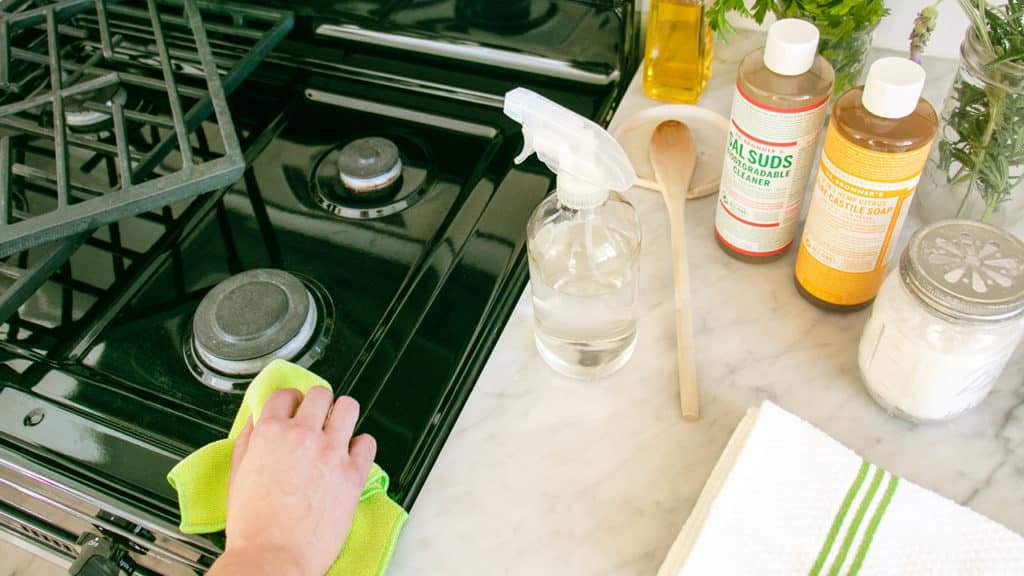
A gleaming electric stove top is more than just a clean cooking surface; it’s the heart of a functional and inviting kitchen. Over time, however, grease splatters, burnt-on food, and everyday spills can leave even the most diligent home cook feeling overwhelmed. If you've ever found yourself staring at a stained cooktop, wondering how to restore its shine without causing damage, you're in the right place. This comprehensive guide will walk you through the most effective, straightforward methods to get your electric stove top sparkling clean. We’ll cover everything from essential supplies and step-by-step cleaning processes to preventative measures that will keep your appliance looking its best for years to come.
Gather Your Cleaning Arsenal: Essential Tools and Products
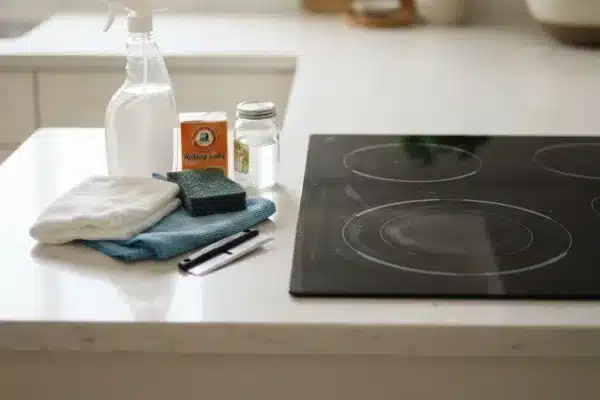
Before you begin tackling grime, assembling the right cleaning supplies is paramount. Having everything organized and at the ready not only streamlines the cleaning process but also ensures you have exactly what you need to avoid damaging your stove’s surface. Think of this as your strategic prep for creating a spotless cooking area.
Essential Tools for a Spotless Finish
The tools you use can make a significant difference in how effectively and safely you clean your electric stove top. Opt for items that are gentle yet effective.
- Soft Cloths and Sponges: Microfiber cloths are excellent for polishing and drying, preventing lint and streaks. For tougher spots, select a non-abrasive sponge.
- Scrapers: A razor blade scraper designed specifically for glass or ceramic cooktops is invaluable for lifting stubborn, burnt-on residue without scratching. Always hold the blade at a low angle (around 30 degrees) to the surface.
- Soft Brushes: An old toothbrush or a small detail brush can reach edges and tight corners where debris tends to accumulate.
- Spray Bottle: Useful for applying homemade cleaning solutions evenly.
Recommended Cleaning Products
While many household items can help, using products formulated for electric stove tops or known for their gentle effectiveness is key.
- Mild Dish Soap: Your everyday dish soap is a great starting point for general cleaning and cutting through light grease. Look for options like Best Non Toxic Liquid Dishwasher Detergent for environmentally conscious choices.
- White Vinegar: A natural disinfectant and degreaser that can loosen many types of grime.
- Baking Soda: When mixed with water to form a paste, it acts as a mild abrasive that can lift tough stains without scratching.
- Specialized Glass/Ceramic Cooktop Cleaner: These professional-grade cleaners are specifically formulated to break down burnt-on food and mineral deposits while protecting the surface. Many brands offer effective solutions, often found alongside other Best Pots and Pans For Wedding Registry items.
Preparing Your Electric Stove Top for Cleaning
Safety and preparation are the first, crucial steps before any deep cleaning begins. Approaching your stove top with a clean slate, both literally and figuratively, ensures a more efficient and accident-free cleaning session.
Prioritize Safety: Turn Off Power
This is non-negotiable. Before you touch any part of your electric stove top for cleaning, ensure the power supply is completely disconnected. For plug-in models, this means unplugging the unit from the wall outlet. For hardwired stoves, you’ll need to locate and switch off the corresponding circuit breaker in your home's electrical panel. This simple step protects you from electrical shock and prevents unintended activation of heating elements.
Allow the Surface to Cool Down
Never attempt to clean a hot stove top. Not only is there a significant risk of burns, but cleaning solutions can also bake onto the hot surface, creating harder-to-remove stains and potentially damaging the cooktop’s finish. Wait until the surface is completely cool to the touch. This might take 30-60 minutes after use, depending on the previous intensity of the burners.
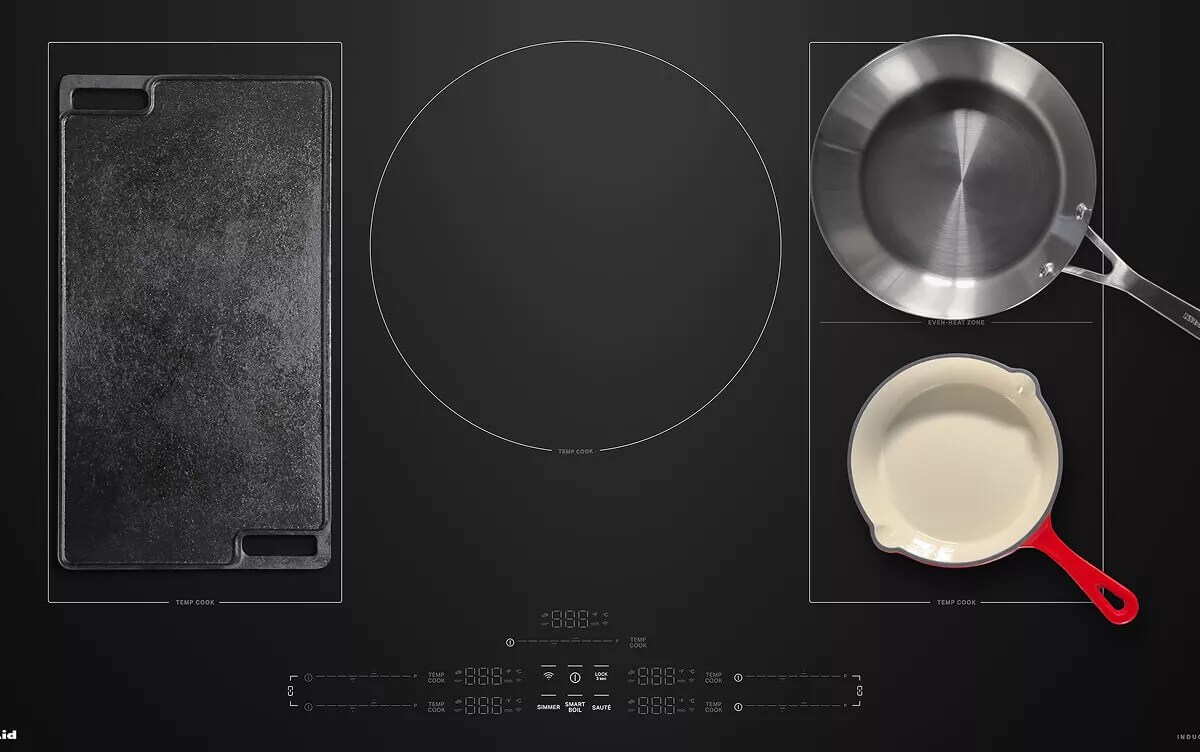 Ensure the stove top is completely cool and unplugged before cleaning.
Image source: www.kitchenaid.com
Ensure the stove top is completely cool and unplugged before cleaning.
Image source: www.kitchenaid.com
Removing Loose Debris: The First Line of Defense
Before you even think about applying cleaning solutions, clearing away loose debris is essential. This prevents crumbs and small particles from becoming abrasive during the scrubbing process, which could lead to micro-scratches on the delicate surface.
Gentle Sweeping and Wiping
Use a dry, soft cloth or a soft-bristled brush to gently sweep away any loose crumbs, coffee grounds, dried food particles, or dust. Pay close attention to the edges and corners of the stove top, as this is where debris tends to hide. This step primes the surface for more effective cleaning.
Utilizing a Vacuum Cleaner (With Caution)
For those hard-to-reach areas or significant amounts of loose debris, a vacuum cleaner can be a quick solution. Attach a crevice tool or a brush attachment to your vacuum and carefully go over the surface. Ensure the stove is still unplugged and cool. This method is particularly effective for removing particles from around burner elements.
Applying Cleaning Solutions for Optimal Results
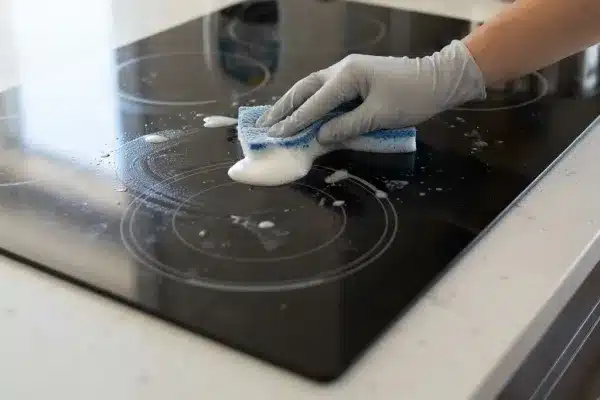
With the surface prepped and debris removed, it's time to introduce cleaning agents. The choice depends on the type and severity of the grime.
The Power of Vinegar and Water
A simple mixture of equal parts white vinegar and water in a spray bottle is a fantastic, eco-friendly option for everyday cleaning. Lightly mist the stove top, allowing the solution to sit for a minute or two to loosen light grease and grime. This is a good follow-up after removing loose debris and before more intensive cleaning.
Harnessing Baking Soda for Tougher Stains
For more stubborn, burnt-on food or grease, a baking soda paste is incredibly effective. Mix baking soda with a small amount of water to create a thick paste. Apply this paste directly onto the stained areas. Let it sit for 10-20 minutes, allowing the baking soda to work its magic. This paste gently lifts residues without abrasion.
When to Reach for a Commercial Cleaner
Commercial stove top cleaners are specifically formulated for glass and ceramic surfaces. They often contain mild abrasives and degreasers that are safe for your appliance when used as directed. If you have deeply ingrained stains or want a highly polished finish, one of these specialized cleaners can be the most efficient solution. Always ensure the product is labeled as safe for electric stove tops.
Scrubbing Techniques for a Pristine Surface
The act of scrubbing is where the real cleaning happens, but it must be done with care to avoid damaging the stove top.
Selecting the Right Scrubbing Tools
As mentioned earlier, soft cloths and non-abrasive sponges are your best friends. For most cleaning, a damp microfiber cloth or sponge is sufficient after applying your chosen cleaner. If you're using the baking soda paste or a commercial cleaner, a soft sponge is ideal for working the product into the stains.
The Gentle Approach to Avoiding Scratches
Circular motions are generally recommended when scrubbing. For baked-on food, the baking soda paste or a specialized cooktop cleaner, combined with a gentle scrub, is usually enough. If you encounter a truly stubborn spot that won't budge with gentle scrubbing, that's where the razor blade scraper comes in. Hold the scraper at a very low angle to the surface and use short, firm strokes to lift the residue. Never use a knife or any sharp object not designed for this purpose. This technique is often featured in guides for maintaining Best Nonstick Fry Pan Non Toxic cookware, emphasizing careful handling.

Addressing Burners and Knobs: Don't Forget These Parts
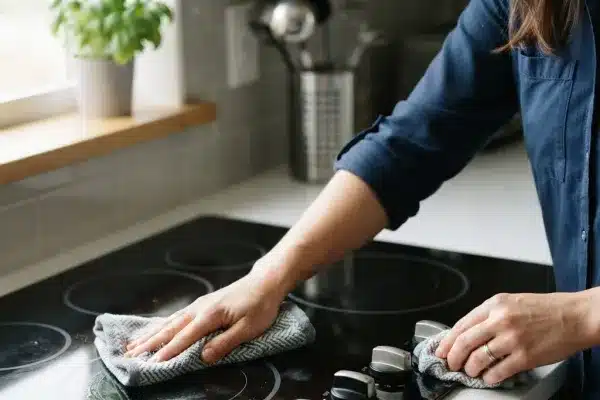
While the cooktop itself gets the most attention, the burners and knobs accumulate their own grime and can detract from the overall clean appearance.
Detaching Burners and Knobs
For most electric stoves with coil burners, the burner elements and drip pans can be lifted out. Ensure the stove is unplugged and cool, then gently detach them. Knobs usually pull straight off their stems. Inspect your stove's manual if you're unsure how to safely detach these parts.
Cleaning Soak and Scrub
The detached drip pans and knobs can often be soaked in warm, soapy water for about 15-30 minutes. This loosens grease and food residue. After soaking, scrub them with a soft brush or sponge. For the burner elements themselves, a damp cloth with mild soap is usually sufficient; avoid submerging electrical connections. Some manufacturers recommend specific cleaning cloths, similar to those used for maintaining surfaces like those found in Best Commercial Dishwasher For Home Use units.
Drying and Polishing: Achieving That Final Shine
The final steps of drying and polishing are crucial for that showroom-worthy gleam and for protecting the surface.
Thorough Drying is Key
After rinsing away any cleaning solution, use a clean, dry microfiber cloth to thoroughly dry the entire stove top. Any remaining moisture can leave water spots or streaks, diminishing the polished look you’ve worked to achieve. Ensure you dry around the edges and any control panel elements.
Applying Stove Top Polish
Many electric stove top cleaners include a polishing agent, or you can purchase a dedicated stove top polish. Applying a small amount to a clean cloth and buffing it into the dry surface in circular motions will enhance the shine and create a protective barrier. This barrier helps repel future spills and makes subsequent cleanings much easier. It’s a step that truly brings out the best in your appliance and is as important as choosing the right Best Cast Iron Skillet For Glass Top Stove for performance.
Regular Maintenance: Keeping Your Stove Top Sparkling
Consistent, simple cleaning habits are far more effective than infrequent, intensive scrubbing. Implementing a routine will keep your electric stove top looking great and functioning optimally.
Weekly Deep Clean Routine
Once a week, perform a more thorough cleaning. This might involve using the baking soda paste or a commercial cleaner on any accumulated grime and giving the burners and drip pans a good scrub. Ensure you're drying and polishing the surface after each weekly clean.
Swift Daily Wipe-Downs
The most impactful habit is a quick wipe-down after each use. Once the stove top has cooled sufficiently, use a damp cloth or paper towel to immediately remove any spills, splashes, or crumbs. This prevents food from hardening and becoming a difficult cleaning challenge later. A quick spray of diluted vinegar can help lift minor grease. This daily habit saves immense time and effort in the long run and is a cornerstone of maintaining any appliance, much like the upkeep required for a Best Electric Fondue Pot For Meat.
Frequently Asked Questions
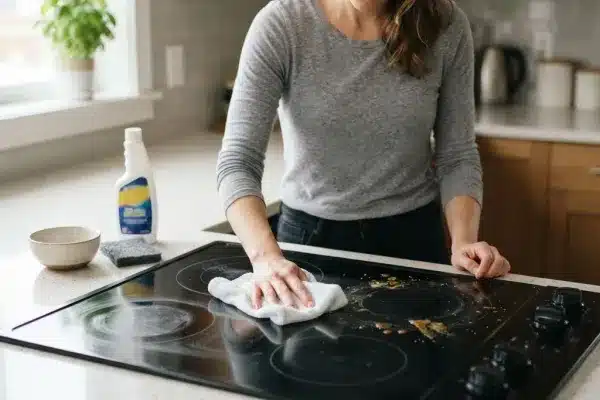
What is the best way to clean an electric stove top?
The best approachinvolves a combination of gentle but effective methods. For everyday cleaning, a mild dish soap or a vinegar-water solution works well. For tougher, burnt-on stains, a paste of baking soda and water, or a specialized glass cooktop cleaner, followed by gentle scrubbing with a non-abrasive sponge or cloth, is recommended. Always ensure the stove top is cool and unplugged before cleaning, and finish by drying and polishing for a streak-free shine.
Can you use Dawn dish soap on an electric stove?
Yes, Dawn dish soap is generally safe and effective for cleaning electric stove tops. Its excellent degreasing properties can help cut through grease and food residue without being overly harsh. Apply a small amount to a damp cloth or sponge, wipe down the cool stove top, and rinse thoroughly with clean water to remove any soap residue.
How to clean a burnt glass stove top?
To clean a burnt glass stove top, start by ensuring it's cool and unplugged. Sprinkle a generous amount of baking soda over the burnt areas. Then, spray white vinegar over the baking soda; it will start to fizz, which helps to loosen the burnt-on food. Let this mixture sit for at least 15-20 minutes, or even longer for very stubborn stains. Gently scrub the area with a non-abrasive sponge or cloth. For very tough spots, you may need to use a razor blade scraper designed for glass cooktops, holding it at a low angle. Rinse the surface well with clean water and buff dry with a microfiber cloth to remove any remaining residue and achieve a shine.
What not to use on an electric stove top?
Avoid using abrasive cleaners, steel wool, scouring pads with metal fibers, or harsh chemicals like ammonia or bleach. These can scratch, dull, or permanently damage the glass or ceramic surface of your electric stove top. Also, be cautious with cookware; while cast iron and certain other materials can be used, they must have a perfectly flat bottom. Rough-bottomed cookware or dragging heavy pots can scratch the surface. Some sources suggest avoiding ceramic or stoneware cookware directly on glass tops, similar to recommendations found in guides for cookware like Best Rated Toaster Convection Oven accessories, where surface compatibility is key.
Conclusion
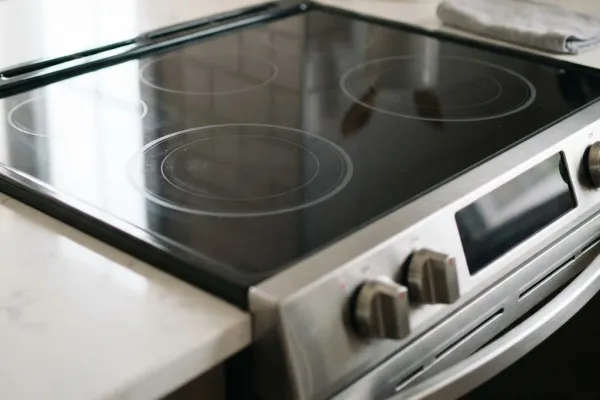
Keeping your electric stove top clean is an achievable task that significantly enhances your kitchen's appearance and your cooking experience. By adhering to a routine of regular wipe-downs, proper weekly cleaning, and careful attention to stubborn spots with the right tools and techniques, you can maintain a sparkling, undamaged surface. Remember that safety—ensuring the unit is cool and unplugged—is paramount before you begin. With these straightforward methods, your electric stove top will remain a gleaming centerpiece, ready for all your culinary creations. Enjoy cooking on a clean and pristine surface!
