
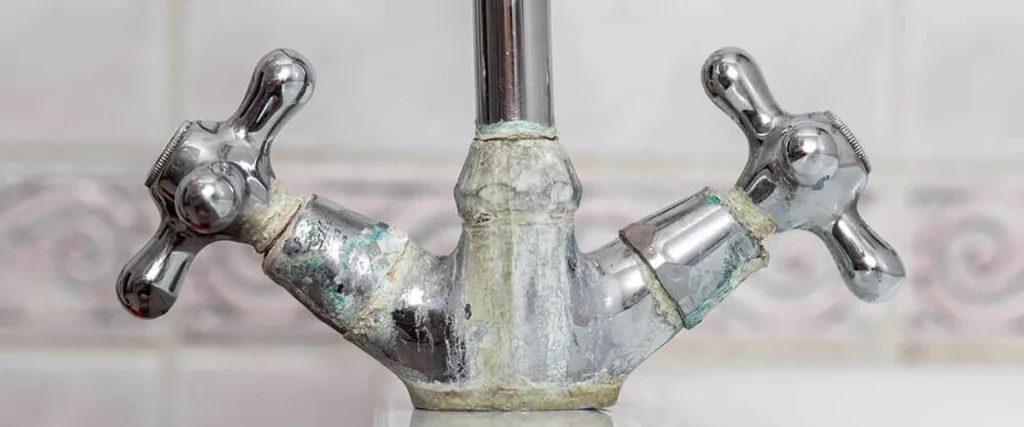
Are you tired of opening your dishwasher only to find a chalky, white residue covering the interior? This pesky problem, known as limescale, not only makes your dishwasher look unsightly but can also affect its performance over time.
Limescale build-up is a common issue, especially in areas with hard water, and it can leave your dishes looking less than sparkling. You might wonder if there’s an easy way to tackle this stubborn problem. The good news is, you can effectively remove limescale from your dishwasher, restoring its efficiency and ensuring your dishes come out spotless every time.
Stick around to discover simple solutions that will breathe new life into your appliance and save you time and frustration.

Credit: mycareplusprotect.co.uk
Causes Of Limescale Buildup
Understanding why limescale builds up in your dishwasher can help you tackle the problem effectively. Limescale is that pesky white, chalky residue you might notice on your dishwasher’s interior and your dishes. Knowing what causes it can save you both time and money on future maintenance.
Hard Water
Hard water is the main culprit behind limescale buildup. It contains high levels of calcium and magnesium, which settle on surfaces over time. If you’re living in an area with hard water, you’re more likely to see limescale in your dishwasher.
High Water Temperature
Many people believe that using hot water cleans better. While it can improve cleaning, high temperatures accelerate limescale formation. The heat causes calcium and magnesium to precipitate out of the water faster, leaving stubborn deposits.
Frequent Use
Do you run your dishwasher daily? Frequent use increases the chance of limescale buildup. More cycles mean more exposure to mineral-rich water, leading to quicker accumulation.
Improper Detergent Use
Using the wrong type or amount of detergent can also contribute to limescale. Some detergents are not designed to soften water, allowing minerals to deposit easily. Always read the labels to ensure you’re using the right product for your needs.
Neglecting Regular Maintenance
Skipping regular maintenance tasks like cleaning filters and checking for residue can worsen limescale issues. If you’ve ever ignored the manufacturer’s cleaning recommendations, you may have noticed more limescale than usual. Consider setting reminders to keep your dishwasher in top shape.
Have you ever considered how these factors might affect your dishwasher’s performance? Understanding them can help you take preventive measures, ensuring your appliance works efficiently for years to come.

Credit: www.youtube.com
Signs Of Limescale In Dishwashers
Dishwashers are a modern convenience we often take for granted. But over time, you might notice your dishes aren’t coming out as sparkly clean as they used to. This could be a sign of limescale buildup in your dishwasher. Limescale is a chalky deposit primarily made up of calcium carbonate, and it tends to accumulate on surfaces that come into regular contact with hard water. Are your dishes coming out cloudy or streaked? Do you see white spots on the interior walls of your dishwasher? These are common signs that limescale may be the culprit.
Recognizing the signs of limescale is the first step in maintaining your dishwasher’s efficiency. When was the last time you checked inside?
Streaky Or Cloudy Dishes
One of the most noticeable signs of limescale is streaks or cloudy residue on your dishes. Despite using detergent, if your glasses come out looking like they’ve been through a dust storm, limescale may be the reason. Hard water can cause minerals to adhere to your dishes, leaving them less than pristine.
White Spots On Interior Walls
Open your dishwasher and inspect the walls. Do you see white spots or a chalky film? These are tell-tale signs of limescale deposits. Left unchecked, this buildup can reduce the efficiency of your dishwasher and lead to costly repairs.
Reduced Heating Efficiency
Have you noticed that your dishwasher seems to be taking longer to heat up? Limescale can insulate heating elements, causing them to work harder and less effectively. This not only impacts the cleaning power but also your energy bill.
Faulty Spray Arms
Are your spray arms not moving as they should? Limescale can clog the holes in spray arms, preventing them from spinning properly. This can mean uneven water distribution and a less thorough clean.
Understanding these signs can lead you to take action before it’s too late. Regular maintenance and cleaning can prevent limescale from taking over your dishwasher. Have you noticed any of these signs in your appliance? If so, it might be time for a little TLC.
Preventing Limescale Formation
Limescale can build up in dishwashers, affecting their performance. It forms due to hard water minerals, leaving white residue inside the machine. Regular cleaning helps, but prevention is better. Understanding prevention methods can keep your dishwasher in top condition.
Use Soft Water
Soft water has fewer minerals. It reduces limescale risk. Install a water softener to treat hard water. This device removes calcium and magnesium. It ensures your dishwasher runs smoothly without limescale build-up.
Use Dishwasher Salt
Dishwasher salt softens water. It prevents limescale formation. Most dishwashers have a dedicated compartment for salt. Filling it regularly helps maintain water softness. This keeps your dishwasher limescale-free.
Regular Cleaning
Clean your dishwasher monthly. Use vinegar or citric acid. These natural agents dissolve limescale. Run an empty cycle with these solutions. They help keep the interior free from mineral deposits.
Check Water Hardness Levels
Test your home’s water hardness. Purchase a water testing kit. This helps you know how hard your water is. Adjust your dishwasher settings accordingly. It ensures optimal performance and reduced limescale risk.
Use Limescale Prevention Products
Purchase limescale prevention tablets. They are available in stores. These products protect your machine from mineral deposits. Use them as directed for maximum effectiveness.
Natural Cleaning Solutions
Are you tired of seeing those unsightly white stains in your dishwasher? Limescale can be a stubborn adversary, but you don’t need harsh chemicals to defeat it. Natural cleaning solutions can be just as effective and are kinder to both the environment and your appliance. Let’s dive into some simple, everyday remedies that can transform your dishwasher into a sparkling clean machine.
Using Vinegar
Vinegar is a powerhouse against limescale. It’s something you probably already have in your kitchen. Pour a cup of white vinegar into a dishwasher-safe bowl and place it on the top rack. Run your dishwasher on the hottest setting. The vinegar will break down mineral deposits, leaving your dishwasher fresh and clean. Have you ever tried this and noticed how your dishwasher smells better afterwards?
Lemon Juice Method
Lemon juice isn’t just for refreshing summer drinks. Its natural acidity is perfect for tackling limescale. Squeeze fresh lemon juice directly into the bottom of your empty dishwasher. Add a few lemon slices for an extra boost. Run a hot cycle and watch your dishwasher shine. Imagine opening the door to a citrus-scented freshness every time you do the dishes. Isn’t it appealing?
Baking Soda Technique
Baking soda is another kitchen staple that works wonders. Sprinkle a cup of baking soda across the bottom of your dishwasher. Run a short hot cycle. Baking soda is abrasive enough to scrub away deposits, yet gentle on your machine. It leaves your dishwasher looking renewed and odor-free. Have you ever noticed how baking soda seems to brighten everything up?
Each of these methods not only clears limescale but also contributes to the overall health of your dishwasher. Why not experiment with these natural solutions and see which one works best for you? Your dishwasher and the planet will thank you.
Chemical Descaling Products
Removing limescale from a dishwasher requires effective chemical descaling products. Choose a solution designed to dissolve hard deposits. Regular use ensures optimal appliance performance and longevity.
Chemical descaling products can effectively remove limescale from dishwashers. These products are formulated to dissolve mineral deposits, ensuring your appliance runs efficiently. Regular use can prevent buildup, extending the life of your dishwasher. Chemical descalers are easy to use and require minimal effort. Let’s explore how to choose the right product and ensure safety during use.
Choosing The Right Product
Selecting the correct descaler is crucial for effective cleaning. Check compatibility with your dishwasher model. Read product labels carefully to understand ingredients and usage instructions. Some products are more potent, suitable for heavy buildups. Others are gentler, designed for regular maintenance. Choose based on your dishwasher’s condition and needs. User reviews can also guide your decision. Ensure the product is environmentally friendly if possible.
Safety Precautions
Safety is vital when using chemical descaling products. Wear gloves to protect your skin from irritation. Ensure proper ventilation in the area to avoid inhaling fumes. Follow the instructions on the label precisely. Never mix different chemical products, as this can cause harmful reactions. Keep these products out of reach of children and pets. Store them in a cool, dry place. If accidental contact occurs, rinse immediately and seek medical advice if necessary. Safety ensures a hassle-free descaling process.

Credit: www.amazon.com
Step-by-step Cleaning Process
Dealing with limescale in a dishwasher can be frustrating. It affects performance. A step-by-step cleaning process helps. Let’s explore how to tackle this issue effectively. Follow these easy steps for a cleaner, more efficient dishwasher.
Preparing The Dishwasher
Start by emptying the dishwasher. Remove all dishes and utensils. Then, take out the racks. Check for any food debris. Clear out any visible particles. This prevents blockages during cleaning. Ensure the dishwasher is completely empty before proceeding.
Application Of Cleaning Agents
Choose a limescale remover suitable for dishwashers. Read the instructions on the label. Pour the cleaning agent into the detergent compartment. Alternatively, place a dishwasher-safe bowl filled with white vinegar on the top rack. Run a hot water cycle. This helps dissolve limescale buildup.
Final Rinse And Maintenance
After the cycle, open the dishwasher door. Let it air dry completely. Inspect for any remaining limescale. Wipe down surfaces with a damp cloth. Regular maintenance prevents future buildup. Run an empty hot water cycle monthly. This keeps your dishwasher performing optimally.
Tips For Long-term Maintenance
Regularly clean your dishwasher with vinegar to remove limescale. Run an empty cycle with a cup of vinegar placed on the top rack. This helps dissolve mineral deposits and keep your dishwasher sparkling clean.
Keeping your dishwasher free from limescale is not just about the immediate fix. It’s a long-term commitment that saves you from frequent repairs and ensures your dishes come out sparkling clean every time. Imagine never having to worry about those pesky white stains again. Let’s dive into some practical tips for maintaining your dishwasher in top shape.
Regular Cleaning Schedule
Consistency is key. Make it a habit to clean your dishwasher at least once a month. Use a commercial dishwasher cleaner or a simple mix of vinegar and baking soda. Don’t forget to wipe down the door seals and check the filter. A clean filter enhances water flow, making the dishwasher more efficient.
Monitoring Water Hardness
Do you know if your water is hard or soft? Hard water is a major culprit in limescale buildup. Consider investing in a water hardness test kit. If your water is hard, think about installing a water softener. This can prevent limescale from forming in the first place, saving you a lot of hassle.
Optimal Dishwasher Settings
Are you using the right settings on your dishwasher? Opt for the hottest water setting available, as hot water dissolves detergent better and helps prevent limescale. Use the right amount of detergent. Too much can leave a residue, while too little won’t clean effectively. Adjust based on your water hardness. Engaging in these practices can save you from the headache of frequent limescale removal. Plus, they extend the life of your appliance. Isn’t it worth the effort to maintain your dishwasher properly?
Frequently Asked Questions
How Do You Get Rid Of Thick Limescale In The Dishwasher?
Use vinegar and baking soda to remove thick limescale. Run an empty cycle with a cup of vinegar. Sprinkle baking soda, then run another cycle. Ensure regular cleaning to prevent buildup.
What Is The Best Way To Descale A Dishwasher?
Use white vinegar for effective dishwasher descaling. Pour 2 cups into the bottom, run a hot cycle, and repeat monthly. Regular cleaning ensures optimal performance and longevity. Vinegar helps remove limescale, keeping your dishwasher fresh and efficient.
What Dissolves Calcium Deposits In The Dishwasher?
White vinegar effectively dissolves calcium deposits in dishwashers. Add one cup to an empty cycle. Baking soda also helps. Sprinkle a cup in the bottom and run a short cycle. Regular cleaning prevents buildup. Both methods are safe and eco-friendly, keeping your dishwasher running smoothly.
What Removes Hardened Limescale?
Use vinegar or lemon juice to dissolve hardened limescale. Scrub with a brush for better results. Baking soda paste can help too. Chemical limescale removers are effective for tough spots. Regular cleaning prevents buildup. Always wear gloves when using chemicals.
Conclusion
Removing limescale from your dishwasher isn’t hard. Simple steps can make a big difference. Regular cleaning keeps your appliance efficient. Use natural remedies like vinegar or baking soda. They are safe and effective. Check your manual for any specific instructions.
Prevent limescale by cleaning monthly. Hard water is often the cause, so consider a water softener. A clean dishwasher lasts longer and performs better. Enjoy spotless dishes every time. Keep these tips handy for a hassle-free kitchen routine. Limescale doesn’t stand a chance against your newfound cleaning skills.
Happy washing!
