
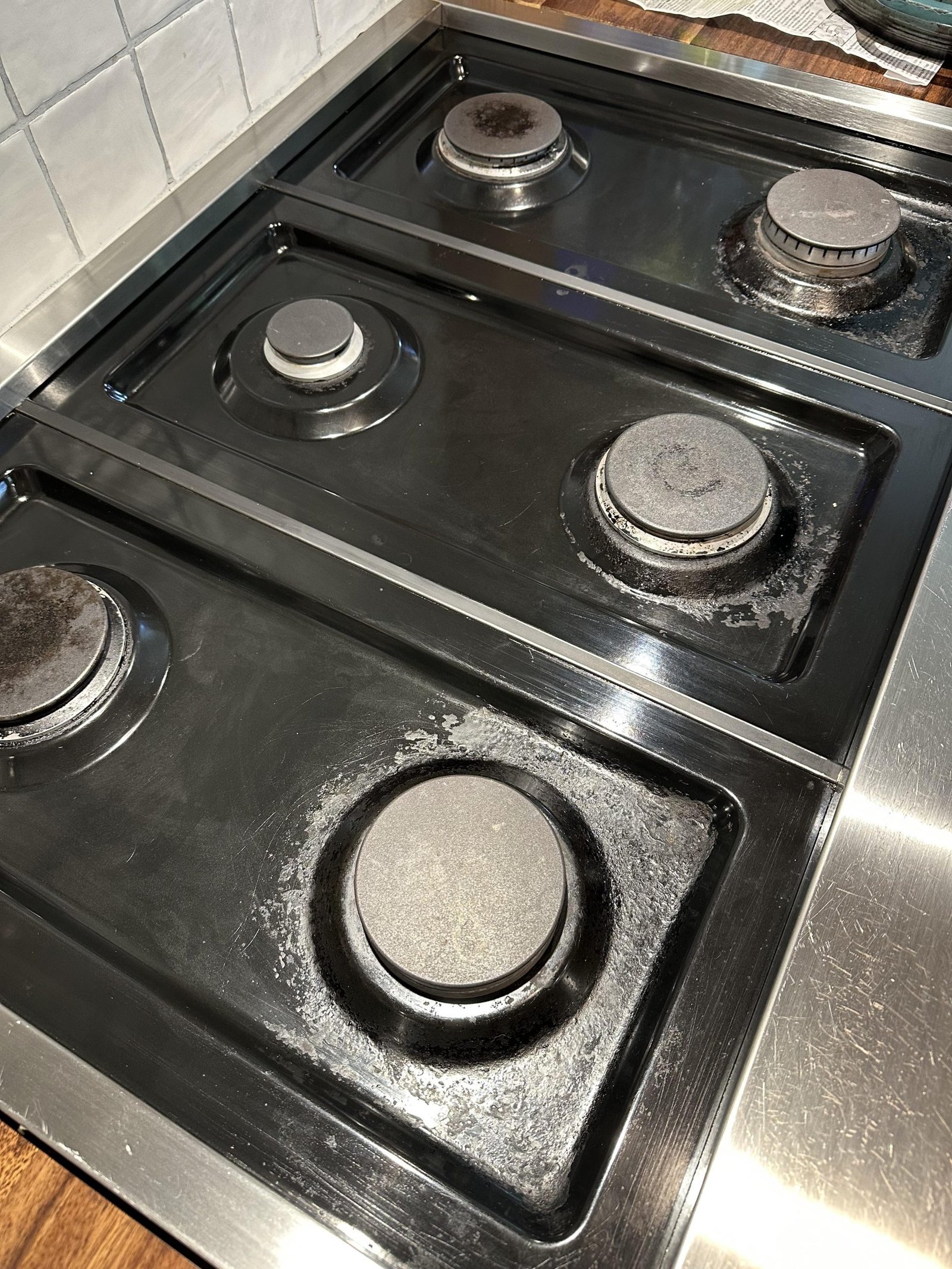
A black cooktop can be the pride of your kitchen — sleek, modern, and undeniably stylish. But keeping it that way? That's where most people hit a wall. Those first few smudges appear almost immediately after cooking, and before you know it, you're staring at a dull, streaky surface that seems to reflect every fingerprint and dried spill.
The good news: restoring that mirror-like finish is entirely within reach. With the right techniques, proper tools, and a consistent routine, you can keep your black cooktop looking showroom fresh without spending hours scrubbing or resorting to harsh chemicals. This guide walks through everything you need — from quick daily habits to deep-cleaning strategies for the toughest burnt-on messes.
Why Black Cooktops Need Special Care
Black cooktops — whether glass, ceramic, or smooth-top induction — share one frustrating trait: they show everything. Smudges, water spots, streaks, and fine scratches stand out against the dark surface in ways they simply don't on stainless steel or white models.
The surface is also more delicate than it looks. Most black cooktops use a glass-ceramic material that, while heat-resistant, can scratch, etch, or dull if cleaned with the wrong products or abrasive tools. Understanding what not to do is just as important as knowing the right cleaning method.
Preparation: What You Need Before You Start
Having the right supplies ready prevents frustration and protects your cooktop. Gather these items before you begin:
- Microfiber cloths (at least two — one for cleaning, one for buffing)
- Soft sponge or non-abrasive scrubbing pad
- Mild dish soap
- White vinegar
- Baking soda
- Glass cooktop cleaner (optional, but recommended for deep cleaning)
- Plastic razor blade scraper (for hardened residue — never use metal)
Safety First
Always wait until the cooktop is completely cool before cleaning. Even the "residual heat" indicator can fool you — touching a burner that still feels warm can cause burns, and cleaning a hot surface can bake on residue instead of removing it.
Work in a well-ventilated area if you use any commercial cleaner, and wear gloves if you have sensitive skin.
Daily Maintenance: The Five-Minute Habit That Saves Hours
The single most effective strategy for a spotless black cooktop is addressing messes immediately. Waiting until tomorrow turns a quick wipe into a major scrubbing session.
Post-Cooking Wipe Down
After every meal, once the cooktop has cooled, take a microfiber cloth dampened with warm, soapy water and wipe the entire surface. Microfiber traps grease and dust without scratching, and it leaves no lint behind. Follow up with a dry microfiber cloth — this step is the secret to preventing water spots and streaks.
Make this a non-negotiable part of your cooking routine. It takes under a minute and eliminates the need for most deep cleaning.
Handling Fresh Spills
When something bubbles over — and it will — don't let it sit. Use a damp cloth to blot (not rub) the spill before it dries. Rubbing spreads the mess and can grind food particles into the surface.
For oily spills, a 50/50 vinegar and water solution sprayed directly onto the spill cuts through grease naturally. Let it sit for ten seconds, then wipe clean.
How to Clean Black Cooktop: Step-by-Step Deep Cleaning
Even with diligent daily care, baked-on residue and stubborn stains will accumulate over time. Here is the complete process for restoring your cooktop's original shine.
1. Remove Loose Debris
Wipe the surface with a dry microfiber cloth to remove crumbs, loose food particles, and dust. This prevents scratching when you apply cleaner.
2. Apply Your Cleaner
For light to moderate grime: Spray the cooktop with a glass cooktop cleaner or a 50/50 vinegar-water solution. Let it sit for 30 to 60 seconds to break down residue.
For stubborn, baked-on stains: Make a thick paste from baking soda and water (about three parts baking soda to one part water). Spread it over the stained areas and let it sit for 15 minutes. The paste gently lifts carbonized food without scratching.
3. Scrub Gently
Using a soft sponge or microfiber cloth, work in small circular motions. Focus on stained areas but avoid pressing too hard — glass-ceramic surfaces can scratch under excessive pressure, especially if trapped grit is present.
For crusted-on residue at the edges of burners, a plastic razor blade scraper held at a shallow angle (nearly flat against the glass) can safely lift it. Never use a metal blade or steel wool.
4. Rinse Thoroughly
Wipe away all cleaner residue with a clean, damp microfiber cloth. Any remaining baking soda or soap will leave a hazy film when dry.
5. Buff to a Mirror Finish
This is the step most people skip — and it makes all the difference. Use a dry microfiber cloth to buff the entire surface in a circular motion. The friction polishes the glass, removing micro-smears and revealing the deep, even shine that makes a black cooktop look brand new.
Handling Specific Stain Types
Not all stains respond to the same treatment. Here is how to tackle the most common offenders.
Burnt Sugar or Syrup
These sweet spills caramelize into a dark, glass-like layer that standard cleaners barely touch. Apply a baking soda paste, cover it with a damp cloth, and let it sit for 20 to 30 minutes. The moisture softens the hardened sugar. Then scrape gently with a plastic razor blade and wipe clean.
Grease Splatter
Grease dries into a cloudy, tacky film that dulls the surface. Vinegar cuts through it effectively. For heavy buildup, spray full-strength vinegar onto the cooktop, let it sit for five minutes, then scrub with a soft sponge and rinse.
Hard Water Spots
White, chalky rings come from mineral deposits, especially if you have hard tap water. A 50/50 vinegar solution dissolves these minerals. Spray, wait two minutes, wipe, and dry immediately to prevent new spots.
Scratches
Fine scratches are permanent on glass-ceramic surfaces — no cleaner or polish can remove them. However, a specialized glass cooktop polish can fill in micro-scratches and reduce their visibility. Apply it according to the product instructions and buff thoroughly. Prevention (using soft cloths and never dragging pots across the surface) is the only real defense.
Products to Use — and Products to Avoid
Safe Choices
| Product | Best For |
|---|---|
| White vinegar | Grease, water spots, light grime |
| Baking soda paste | Baked-on food, burnt residue |
| Glass cooktop cleaner (e.g., Cerama Bryte, Weiman) | General deep cleaning, polishing |
| Microfiber cloth | All cleaning and buffing |
| Plastic razor blade | Hardened spills |
Never Use
- Steel wool or abrasive scrub pads — Guaranteed scratches
- Harsh chemical cleaners (oven cleaner, bleach, ammonia-based sprays) — Can etch or discolour the glass
- Paper towels — Many brands contain fibres that can micro-scratch glass surfaces; also leaves lint
- Windex or glass cleaners with ammonia — Can damage the cooktop's coating over time
How to Prevent Damage and Maintain the Finish
Protecting your cooktop's finish is easier than repairing it. These habits pay off every time you look at your kitchen.
Use Flat-Bottomed Cookware
Pots and pans with warped or uneven bottoms rock on the cooktop and can create scratches or cause hotspots that burn residue into the glass. Check your cookware — if it spins or wobbles on a flat surface, replace it.
Don't Slide Cookware
Lifting pots and pans instead of sliding them is the single biggest thing you can do to prevent scratches. It takes one extra second and saves the surface from years of micro-scratches that dull the finish.
Invest in a Cooktop Cover
A tempered glass or silicone cooktop cover provides a barrier against accidental scratches from utensils, dropped items, or storage. It is especially useful if you have limited counter space and occasionally place items on top of the stove.
Keep It Dry
Water spots are not just unsightly — mineral deposits from evaporated water can etch the glass over time. After every cleaning, dry the surface with a clean microfiber cloth. After cooking, if you see condensation, give it a quick wipe before it dries.
When to Call a Professional
Most black cooktop maintenance can be handled at home, but certain situations warrant expert help:
- Deep scratches or chips — A professional can assess whether the glass needs replacement
- Burner element issues — If a burner is not heating evenly or the surface cracks near an element, a technician should inspect for electrical problems
- Stubborn cloudiness that won't lift — Mineral etching or chemical damage may require specialized restoration products that professionals carry
Consider scheduling a professional cleaning once or twice a year if your cooktop sees heavy daily use. They have industrial-grade products and tools that can restore a dull surface better than consumer products alone.
Common Mistakes That Ruin Black Cooktops
Avoiding these errors will save you time, money, and frustration.
Scrubbing while hot. Not only is it dangerous, but it bakes residue deeper into the surface. Never clean until the cooktop is cool to the touch.
Using too much cleaner. Excess liquid can seep into the edges of the cooktop, especially around burner elements, potentially causing electrical issues. Apply cleaner sparingly — a light mist or thin paste is plenty.
Reusing dirty cloths. A cloth that has picked up food residue can act like sandpaper when you wipe the glass. Always start with a fresh, clean microfiber cloth.
Skipping the buff. Many people stop after rinsing. The buffing step removes the thin film of moisture and cleaner residue that leaves the surface looking dull and streaky.
Frequently Asked Questions
What is the best thing to clean a black stove top with?
For daily cleaning, a 50/50 vinegar and water solution sprayed onto a microfiber cloth works well for most messes. For deeper cleaning, a baking soda paste tackles baked-on stains without scratching. Dedicated glass cooktop cleaners are also effective and often include polishing agents that restore shine.
How to clean a black glass cooktop without streaks?
The key is the final buffing step. After cleaning and rinsing, use a completely dry microfiber cloth to polish the surface in firm circular motions. Streaks occur when residual moisture or cleaner dries on the glass — buffing removes it all. A second pass with a spotless cloth guarantees a streak-free finish.
Why is my black glass cooktop cloudy?
Cloudiness typically comes from one of three causes: mineral deposits from hard water, a thin layer of dried cooking residue (grease or oil film), or fine scratches that scatter light. For mineral deposits, vinegar dissolves the buildup. For residue, a thorough deep clean with baking soda paste usually restores clarity. Scratches are permanent but can be masked with a glass polish.
How do I get burnt-on food off a black cooktop?
Apply a baking soda paste thickly over the burnt area and let it sit for 15 to 20 minutes. The moisture softens the carbonized food. Then scrape gently with a plastic razor blade held at a low angle. Wipe clean and buff. For exceptionally stubborn spots, repeat the process or use a dedicated cooktop cleaner designed for burnt residue.
Conclusion
A spotless black cooktop is not a luxury reserved for people who never cook. It is the natural result of a few straightforward habits: wiping spills immediately, using the right tools, buffing after every clean, and deep-treating stains before they become permanent.
Take the time to learn what works for your specific cooktop — every model is slightly different, and what works on one may not on another. Once you find your rhythm, the daily wipe down becomes automatic, and deep cleaning becomes a rare event rather than a regular chore.
A gleaming black cooktop reflects the care you put into your kitchen. And when your kitchen looks good, cooking feels better — simple as that.
