
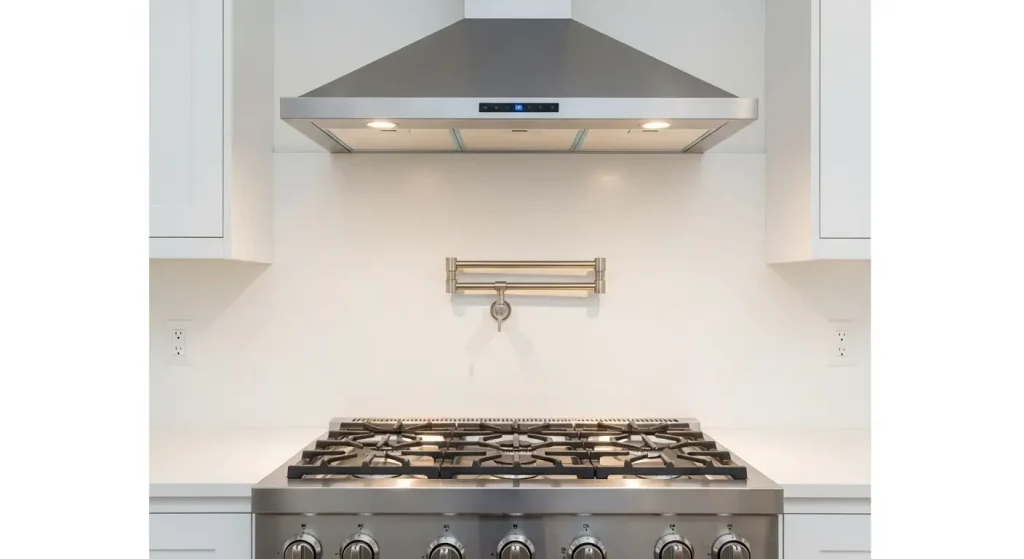
Are you planning a kitchen renovation or simply looking to upgrade your cooking space? One crucial detail that often gets overlooked is the height of your range hood above the stove.
You might wonder why this matters. Well, the right height can make a world of difference in how effectively your range hood works. Imagine cooking your favorite meal without worrying about lingering odors or smoke. Picture a kitchen where the air stays fresh and clean, making your cooking experience more enjoyable.
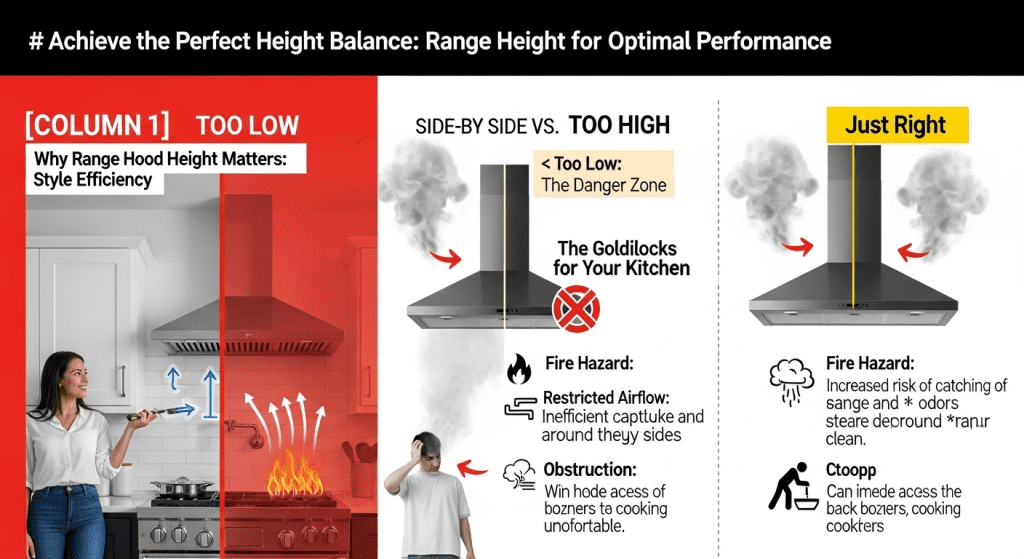
We’ll dive into the ideal height for your range hood, ensuring your kitchen not only looks great but functions at its best. Let’s explore how you can achieve the perfect balance between style and efficiency.
Optimal Range Hood Height
Determining the right height for a range hood is crucial. It ensures effective ventilation and enhances kitchen aesthetics. The ideal height can vary, but understanding the basics helps.
General Guidelines For Range Hood Height
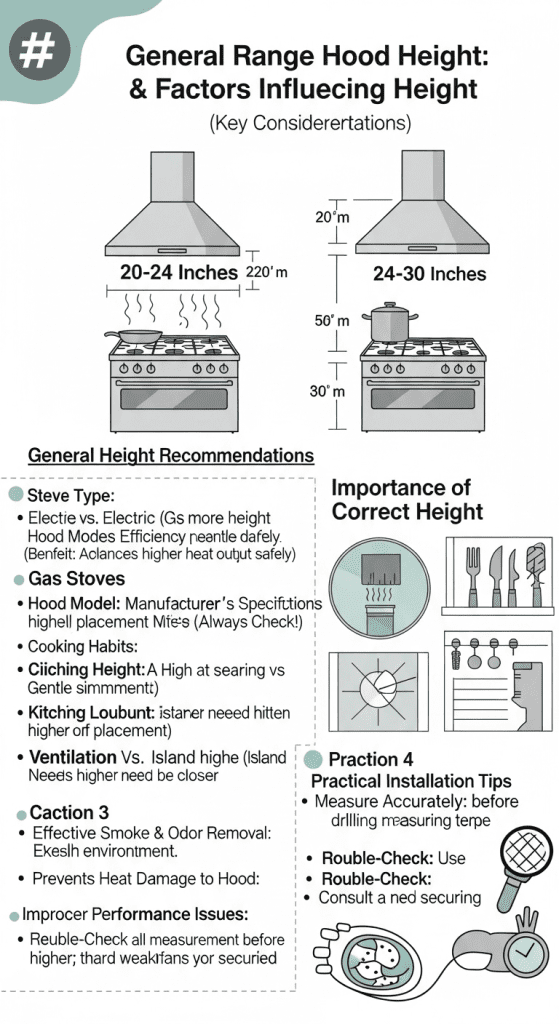
A common recommendation is 20 to 24 inches above electric stoves. For gas stoves, 24 to 30 inches is advised. These measurements balance efficiency and safety.
Factors Influencing Range Hood Height
Several factors affect the ideal height. These include stove type, hood model, and cooking habits. Ceiling height also plays a role.
Importance Of Correct Range Hood Height
The right height ensures smoke and odors are removed effectively. It also prevents heat damage to the hood. Incorrect height can reduce performance.
Adjusting For Different Hood Types
Wall-mounted hoods might need different heights than island hoods. Always check the manufacturer’s specifications for guidance.
Practical Tips For Installation
Use a measuring tape to ensure accuracy. Double-check measurements before installation. Consulting a professional can provide peace of mind.
Factors Affecting Height
The height of a range hood above a stove isn’t random. It depends on various factors. Each plays a role in ensuring efficiency and safety. Understanding these factors can help in making the right decision.
Stove Type Considerations
Different stove types require different hood heights. Gas stoves produce more heat than electric ones. So, they need the hood to be higher. Electric stoves allow for a closer hood placement. Always check the manufacturer’s guidelines. They provide specific recommendations for your stove type.
Kitchen Layout Influence
The kitchen layout impacts hood height. An island stove setup differs from a wall-mounted one. Wall-mounted hoods might need to be lower. Island setups often require higher placement. The design of your kitchen can guide the decision.
Ventilation Requirements
Ventilation needs dictate hood height too. A powerful fan can work efficiently at a higher level. Weaker fans need to be closer to the stove. Ensure the hood can remove smoke and odors effectively. This ensures a pleasant cooking experience.
Safety Guidelines
Positioning a range hood 24 to 30 inches above the stove ensures effective smoke and odor removal. This height provides optimal ventilation while maintaining safety and accessibility. Proper installation protects kitchen surfaces and improves air quality.
Ensuring the correct height for your range hood above the stove is crucial not only for efficiency but also for safety. A well-positioned range hood helps in effectively capturing smoke, odors, and grease, while also minimizing fire hazards. Let’s explore some essential safety guidelines that can help you maintain a safe and efficient kitchen environment.
Fire Hazard Prevention
Avoiding fire hazards is one of the primary reasons for setting the correct height for your range hood. If the hood is too low, it might not only interfere with cooking but also become a potential fire risk. Grease and heat can accumulate, leading to dangerous situations. The recommended distance between the stove and the range hood is typically between 24 to 30 inches for electric stoves, and 27 to 36 inches for gas stoves.
This ensures sufficient clearance to reduce the risk of fire while maximizing the hood’s efficiency. Have you ever seen a kitchen accident due to grease build-up? Such incidents stress the importance of keeping your range hood at the recommended height. Regular cleaning and maintenance are also vital to prevent grease accumulation.
Proper Installation Practices
Proper installation practices are key to ensuring that your range hood functions safely and efficiently. It’s not just about height; the installation must be secure and stable. An improperly installed hood can pose a safety risk, potentially falling or malfunctioning. Always follow the manufacturer’s instructions for installation. They provide specific guidelines based on the model and type of range hood you have.
It’s essential to use the right tools and mounting materials for secure installation. Consider professional installation if you’re unsure about doing it yourself. A professional can ensure everything is correctly aligned and securely fastened. Remember, a well-installed range hood not only enhances safety but also improves the overall cooking experience.
Are you confident in your DIY skills, or would you rather seek professional help to ensure safety? Making the right choice can save you from potential hazards and costly repairs down the line.
Aesthetic Considerations
Determining the ideal height for a range hood involves aesthetic considerations. This enhances kitchen design and ensures proper ventilation. Typically, a range hood should be installed 24 to 30 inches above the stove for optimal performance.
When installing a range hood above your stove, its height can significantly impact the visual appeal of your kitchen. Beyond functionality, it’s essential to consider how the hood integrates with the overall design. Striking the right balance between aesthetics and practicality can transform your kitchen into a harmonious space.
Design Harmony
Achieving design harmony involves selecting a range hood that complements your kitchen style. Whether you have a modern or traditional kitchen, the hood should blend seamlessly with existing elements. Consider how the hood’s finish matches your appliances. Stainless steel hoods pair well with contemporary kitchens, while a custom wood hood might suit a rustic style. Think about the hood’s shape and size in relation to your kitchen cabinets. A hood that aligns with cabinet lines can enhance the overall flow of the space.
Space Utilization
The height of your range hood also affects how you utilize space. A hood that’s too low may obstruct your view and make the kitchen feel cramped. If you have high ceilings, a higher-mounted hood can create an open and airy atmosphere. This positioning can also make the space feel larger and less cluttered.
Consider your cooking habits. Do you frequently use large pots and pans? Ensure the hood is high enough to accommodate your cookware while still effectively venting smoke and odors. By thinking about these aesthetic considerations, you not only enhance the look of your kitchen but also make it a more enjoyable place to cook and gather. How will you integrate design harmony and space utilization in your kitchen setup?
Expert Recommendations
Installing a range hood at the correct height is crucial. It ensures optimal performance and safety in your kitchen. Experts provide recommendations to guide you. Understanding these can help you make informed decisions. Let’s explore professional insights and industry standards.
Professional Insights
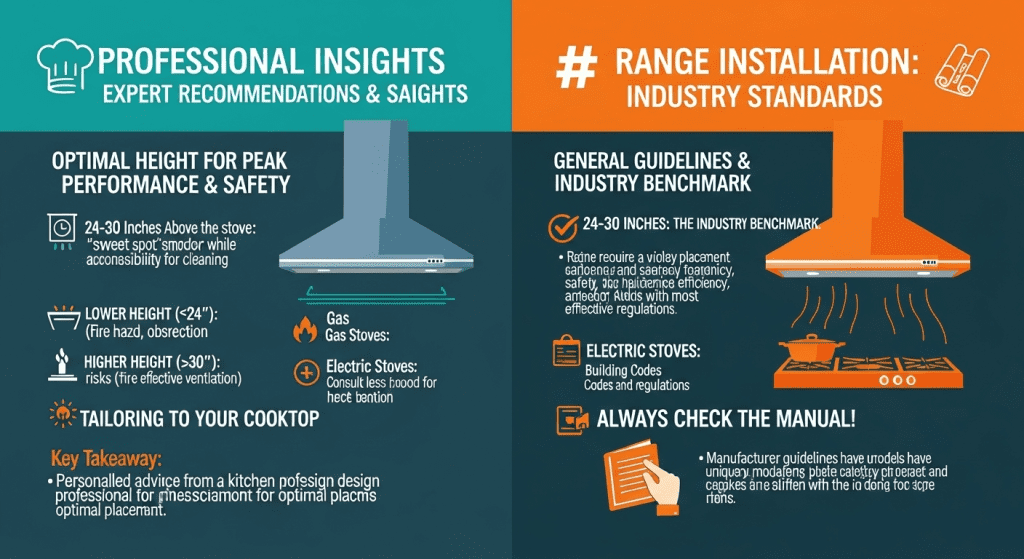
Experts suggest a range hood should be 24-30 inches above the stove. This height helps capture smoke and odors effectively. It also ensures easy access for cleaning and maintenance. A lower height can pose safety risks. While a higher installation might reduce its efficiency.
Kitchen design professionals often consider stove type. Gas stoves may need a slightly higher hood due to heat. Electric stoves generate less heat, so the hood can be lower. Consult a professional for personalized advice.
Industry Standards
Industry standards align with expert recommendations. Most guidelines suggest a height between 24-30 inches. This range balances efficiency with safety. It also complies with most building codes and regulations.
Some manufacturers provide specific guidelines. Always check the hood’s manual. Following these ensures warranty protection and optimal performance. Different models may have unique requirements. Understanding these nuances is important for installation.
Remember, proper installation enhances kitchen safety. It also prolongs the life of your range hood. Adhering to expert and industry standards is key.
Common Mistakes To Avoid
Installing a range hood requires careful planning. Many homeowners make mistakes that affect performance. These errors can lead to inefficient ventilation. Avoiding them ensures a safe and functional kitchen.
Incorrect Measurements
Incorrect measurements lead to poor installations. The hood must be at the right height above the stove. Too high means reduced efficiency. Too low can be dangerous. Measure carefully before installation. Consider the stove’s size and style. This ensures the hood functions properly.
Ignoring Ventilation Needs
Ventilation needs vary by kitchen. Ignoring them affects air quality. Proper ventilation keeps odors and smoke at bay. Select a hood with adequate power. Consider the kitchen’s size and layout. This helps maintain clean, fresh air indoors.
Frequently Asked Questions
What Is The Height Code For Range Hoods?
The height code for range hoods typically requires installation 24 to 30 inches above the cooking surface. This ensures effective ventilation and meets safety standards. Check local building codes for specific requirements, as they may vary based on your region.
Always prioritize manufacturer’s guidelines for optimal performance.
What Is The Standard Height For Range Hoods?
The standard height for range hoods is between 24 to 30 inches above the stove. This measurement ensures optimal ventilation and effective removal of smoke and odors. Adjustments may be necessary based on the type of stove and hood. Always consult the manufacturer’s guidelines for specific recommendations.
How To Measure Range Hood Height Correctly?
To measure range hood height, start from the top of the stove surface. Ensure there’s enough clearance for smoke and steam. Consider the hood’s design and kitchen layout. Accurate measurements help achieve optimal efficiency and safety. Consult installation guides for detailed instructions and tips.
Can Range Hood Height Affect Performance?
Yes, range hood height can affect performance significantly. If too low, it may obstruct cooking. If too high, it might fail to capture smoke effectively. Proper height ensures efficient ventilation and a comfortable cooking environment. Follow manufacturer guidelines for best results.
Conclusion
Choosing the right height for your range hood is crucial. It ensures effective ventilation and safety. Measure carefully. Consider stove type and ceiling height. Follow manufacturer guidelines for best results. A well-placed hood keeps your kitchen air clean. It reduces smoke and odors.
It enhances cooking comfort. Proper installation boosts efficiency. Avoid too high or too low placement. This affects performance. Regular maintenance is important too. Clean filters often. Check for any blockages. Keep your range hood working efficiently. Your kitchen will benefit from it.
Enjoy a fresher cooking space. Take care of your range hood.
