

Are you tired of pulling out your silverware from the dishwasher only to find it still grimy or spotted? You’re not alone.
It can be frustrating to discover that your utensils aren’t as pristine as you’d hoped, especially when you’ve followed all the usual steps. But what if there’s a secret to getting them sparkling clean every single time? The way you load your silverware might be the game-changer you need.
Imagine never having to rewash your forks and spoons again! We’ll dive into the best techniques for placing silverware in the dishwasher, ensuring they come out spotless and ready to impress. Stick around, and you’ll soon master the art of perfect dishwashing!
Loading Silverware Correctly
Arrange silverware with handles down for better cleaning. Separate forks, knives, and spoons to avoid nesting. Ensure water reaches all surfaces by spacing items evenly.
Loading silverware correctly in a dishwasher can save you time and ensure sparkling clean utensils. But how often do you find yourself wondering if there’s a better way? Whether you’re dealing with forks, spoons, or knives, each piece has a rightful spot to maximize cleaning efficiency. Let’s dive into the best practices for loading silverware to achieve the best results.Understanding Your Dishwasher’s Silverware Basket
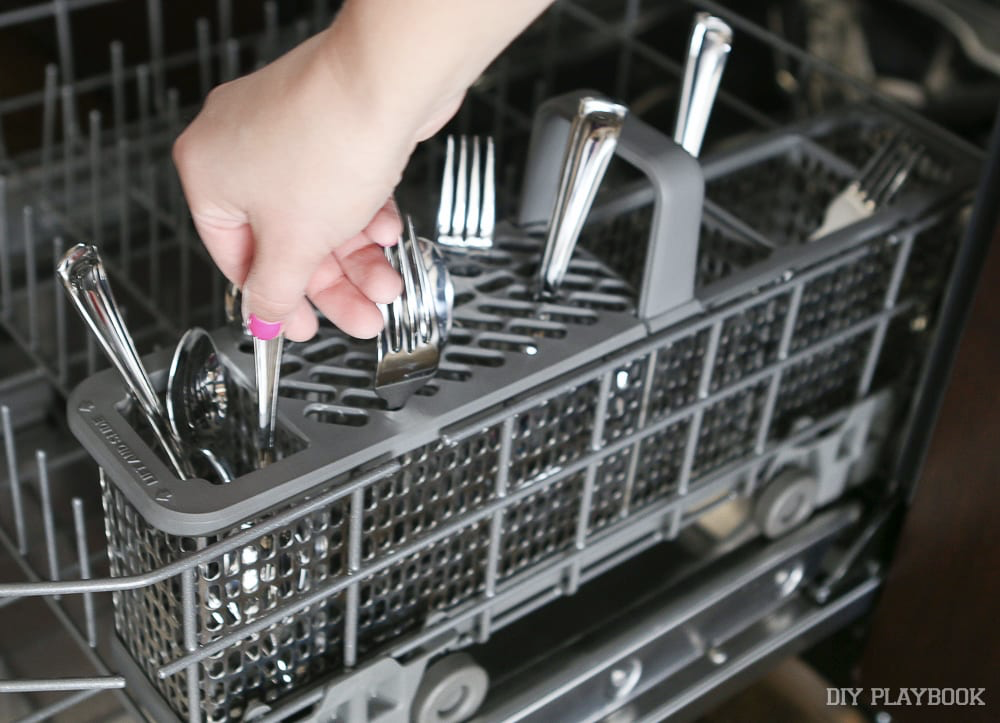
Start by familiarizing yourself with your dishwasher’s silverware basket. Some dishwashers come with a special holder for knives, while others have slots to separate each utensil. Check for any unique features that your basket might have. This simple step can make a big difference in how clean your silverware gets.Mix And Match For Better Cleaning
Mix different types of utensils in each compartment. Place spoons, forks, and knives in separate slots to prevent nesting. This allows water to reach every corner and ensures even cleaning. Have you ever pulled out a spoon only to find it still dirty? Mixing up the types can help avoid that problem.Handle Up Or Down?
The age-old debate: handles up or down? Place forks and spoons with handles down to ensure the dirtiest part gets the most exposure to water. However, knives should always go handle up for safety reasons. Next time you’re loading, think about which part of the utensil needs the most cleaning.Avoid Overcrowding
Avoid the temptation to cram every last piece of silverware into the basket. Overcrowding can prevent water and detergent from reaching all surfaces. If you find yourself running out of space, it might be time for a second load. A little patience can lead to much better results.Consider Special Settings
Check if your dishwasher has a specific setting for silverware or intensive cleaning. Some models offer targeted sprays or jets for the basket area. Using these settings can enhance cleaning power and efficiency. Why not make the most of the features you have?Regular Maintenance
Keep your silverware basket clean and unclogged. Residue buildup can block water flow, reducing cleaning effectiveness. Regularly inspect and rinse the basket to keep it in top shape. A clean basket means cleaner silverware. Loading silverware correctly is more than just a chore; it’s a small step that can make a big difference in your daily routine. Are you ready to give these tips a try and see the difference for yourself?Preventing Scratches And Damage
Ensuring your silverware stays pristine in the dishwasher requires careful placement. Scratches and damage are common concerns, but with proper techniques, these can be minimized. Understanding how to organize silverware is crucial for maintaining its longevity and appearance.
Proper Placement Of Silverware
Place forks and spoons with handles down. This prevents damage during cycles. Their heads should face up to maximize cleaning effectiveness.
Avoid Overcrowding
Don’t overload the silverware basket. Overcrowding can lead to scratches. Allow space between utensils for proper water flow.
Separate Metals
Separate silverware from other metals. This prevents chemical reactions that cause discoloration. Stainless steel should be kept apart from silver-plated items.
Use Gentle Detergents
Choose mild detergents for washing. Harsh chemicals can scratch surfaces. Gentle detergents preserve the shine and quality of silverware.
Adjust Dishwasher Settings
Set your dishwasher to a gentle cycle. Avoid high-temperature settings. Lower heat reduces the risk of damage to delicate silverware.
Regular Maintenance
Inspect your dishwasher’s silverware basket regularly. Replace worn sections to prevent damage. A well-maintained basket ensures safe washing.
Consider Handwashing
Handwash delicate silverware when possible. This ensures maximum protection. For items of high value, manual cleaning is often best.
Maximizing Cleaning Efficiency
Maximizing cleaning efficiency in your dishwasher ensures sparkling silverware. Proper placement enhances water flow and detergent reach. It saves energy and time. Let’s explore the best ways to arrange your silverware.
How To Place Forks
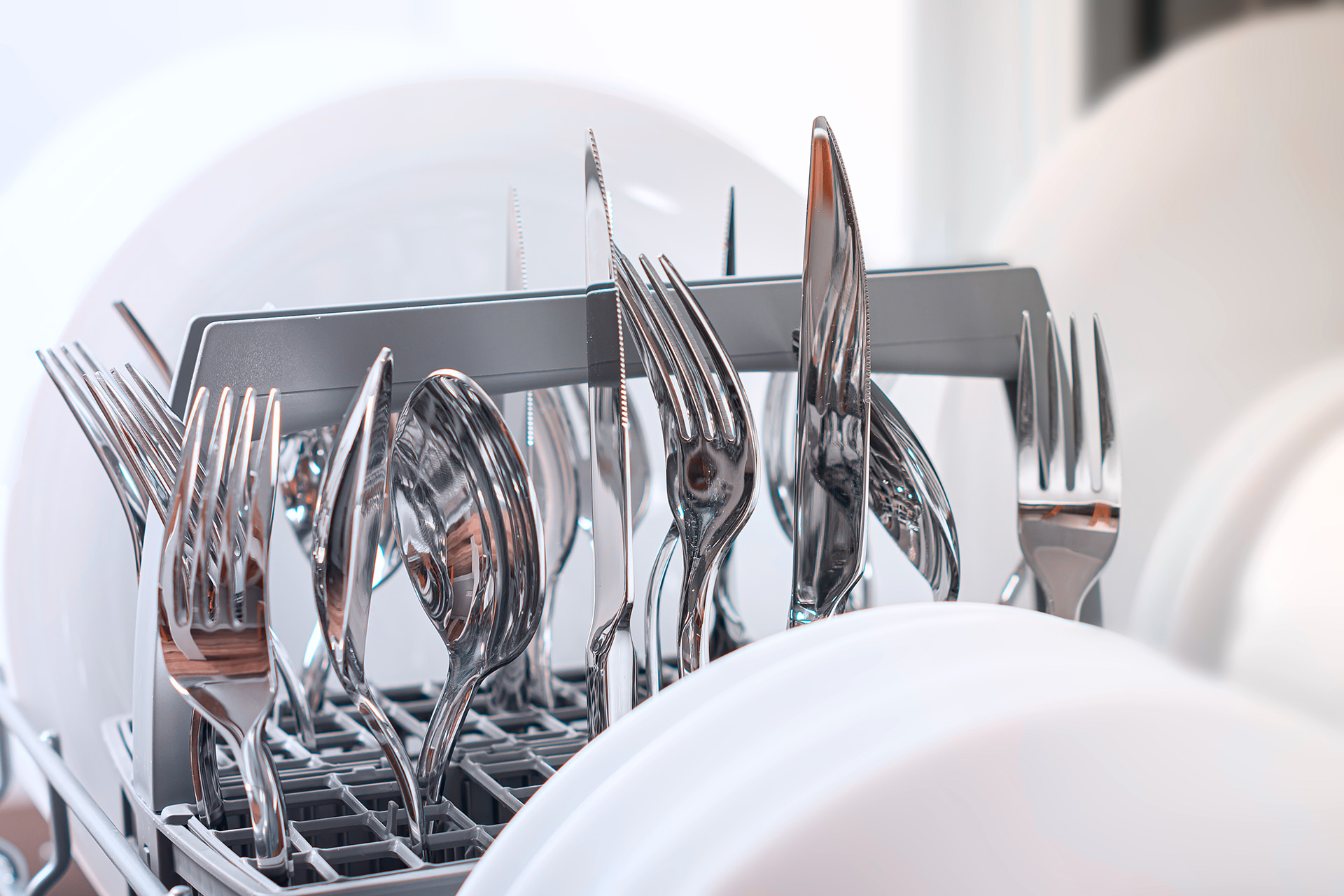
Place forks with tines facing up. This allows water to clean them thoroughly. It also prevents nesting. Tines up ensure each fork gets cleaned individually.
Positioning Spoons
Alternate spoons in the basket. One spoon’s bowl up, the next down. This stops them from nesting. Water and detergent reach every surface.
Arranging Knives
Place knives with blades down. This keeps you safe from sharp edges. It also allows for better cleaning. Knives won’t block each other.
Utilizing The Silverware Basket
Spread items evenly in the basket. Avoid overcrowding. Good spacing ensures all pieces get cleaned. Mix types to prevent nesting.
Checking For Obstructions
Ensure no silverware blocks the spray arms. Clear path means better cleaning. Check the rotation before starting the wash.
Credit: www.finishdishwashing.com
Avoiding Common Mistakes
Loading silverware in the dishwasher seems easy, but mistakes happen often. These errors can affect cleaning results and even damage the dishwasher. Understanding common mistakes helps ensure your silverware comes out spotless. Let’s explore how to avoid these pitfalls.
1. Overloading the Silverware BasketAvoid cramming too much silverware into the basket. Each piece needs space for water to reach it. Overloading blocks water flow and leaves food particles behind.
2. Mixing Stainless Steel and SilverNever mix stainless steel with silver in the dishwasher. Contact between them can cause discoloration. Keep them separate to maintain their shine.
3. Placing Handles in the Same DirectionDon’t place all handles in one direction. Alternate them for better water and detergent access. This improves cleaning efficiency and prevents nesting.
4. Ignoring Manufacturer InstructionsAlways follow the dishwasher’s manual for loading tips. Manufacturers provide guidance for optimal performance. Ignoring these can lead to ineffective cleaning.
5. Neglecting Regular Basket CleaningRegularly clean the silverware basket. Food particles can accumulate over time, blocking water flow. A clean basket ensures thorough rinsing.
Choosing The Right Detergent
Choosing the right detergent is a crucial step in ensuring your silverware comes out sparkling clean and free from any stubborn stains. With numerous options available, it’s easy to feel overwhelmed. But selecting the right detergent can significantly impact the effectiveness of your dishwasher and the cleanliness of your silverware.
Using Powder Detergents
Powder detergents are a classic choice for many households. They’re often more affordable and readily available. I remember my grandmother swore by powder detergents, claiming they did the best job at removing tough stains. Although they require careful measurement to avoid residue, they are a solid option if you’re looking for cost-effectiveness.
Liquid Detergents: Pros And Cons
Liquid detergents offer ease of use and quick dissolving properties. They’re great if you’re on the go or want something straightforward. However, they can sometimes leave streaks if not used properly. You might want to consider them if convenience is a priority, but be mindful of their potential downsides.
Why Pods Are A Popular Choice
Pods are gaining popularity for their no-mess, no-fuss approach. They provide the perfect amount of detergent for each load, reducing the risk of overuse or waste. Have you ever found yourself rushing in the morning? Pods might be your best friend for a hassle-free experience.
Environmentally Friendly Options
For those who are eco-conscious, there are detergents made from natural ingredients. These are gentler on the environment and often come in recyclable packaging. Choosing these can be a small step towards reducing your carbon footprint. Have you considered the environmental impact of your detergent choice?
Checking For Compatibility
Always ensure your chosen detergent is compatible with your dishwasher model. Some detergents work better with specific machines. You don’t want to realize halfway through a cycle that your detergent isn’t doing its job properly. A quick check can save you from a lot of hassle.
In the end, the choice of detergent can make all the difference in achieving that gleaming finish on your silverware. So, which detergent will you try next?
Maintaining Dishwasher Performance
Maintaining dishwasher performance is crucial for clean, sparkling dishes. Proper silverware placement ensures optimal cleaning and prevents damage. Many overlook this simple yet effective habit. Correctly loading your dishwasher enhances its longevity. It also saves energy and water.
Organize By Type
Place forks, knives, and spoons separately. This prevents nesting. Nesting blocks water flow. Separating types allows better cleaning. It also makes unloading faster and easier.
Alternate Direction
Point some handles up. Point others down. This variation stops silverware from sticking together. It ensures all surfaces get cleaned. Mixed directions improve water access.
Avoid Overcrowding
Leave space between items. Overcrowding limits water and detergent reach. Each piece needs its own space. This ensures effective cleaning. Avoid stacking utensils on top of each other.
Use The Silverware Basket
Place small items in the basket. Keep them secure during cycles. Avoid placing items through the basket holes. This prevents damage to the dishwasher. Basket use maintains dishwasher efficiency.
Check For Sharp Items
Point sharp knives downwards. This protects your hands. It also prevents damage to other items. Safe placement reduces risks. It ensures a smooth cleaning process.
Environmentally Friendly Practices
Place silverware in the dishwasher with handles facing down to ensure thorough cleaning. This method prevents overcrowding and maximizes water circulation, promoting energy efficiency. Organizing utensils properly reduces water usage and supports environmentally friendly practices in daily chores.
When considering environmentally friendly practices in your kitchen routine, even the way you load your dishwasher can make a difference. Efficient dishwasher use not only saves water but also reduces your energy consumption. By adopting mindful practices, you contribute to a healthier planet while keeping your dishes sparkling clean.Use Less Water
Did you know that dishwashers use less water than hand-washing? To maximize this benefit, ensure your dishwasher is full before running a cycle. Running it half-empty wastes water and energy, negating the environmental advantages.Skip The Pre-rinse
Rinsing dishes before loading them into the dishwasher can waste gallons of water. Modern dishwashers are designed to handle food particles effectively. Scrape off large food scraps and let your machine do the heavy lifting. This saves time and reduces water usage significantly.Choose Eco-friendly Detergents
Selecting the right detergent is crucial. Opt for eco-friendly dishwasher detergents that are biodegradable and free from phosphates and chlorine. These detergents are less harmful to aquatic life and still deliver excellent cleaning performance. Check the labels on your next shopping trip.Optimize Energy Use
Run your dishwasher during off-peak hours to conserve energy. Many utility companies charge less for electricity during these times. Additionally, using the air-dry setting instead of the heat-dry option can further reduce energy consumption. It might take a little longer, but it’s a simple step towards a more sustainable lifestyle.Regular Maintenance
A well-maintained dishwasher operates more efficiently. Regularly clean the filters and spray arms to prevent clogs and ensure optimal water flow. This not only extends the lifespan of your appliance but also maintains its efficiency, saving energy and water over time. By implementing these environmentally friendly practices, you make a conscious effort to reduce your household’s ecological footprint. What small changes can you make today to lead a greener lifestyle?:max_bytes(150000):strip_icc()/GettyImages-172148339-2000-737ebc6bca884bb08796852114e583bf.jpg)
Credit: www.southernliving.com
Credit: www.dvo.com
Frequently Asked Questions
Is It Better To Put Silverware Up Or Down In The Dishwasher?
Place silverware handles down for better cleaning and safety. Forks and spoons face up to avoid nesting. Knives handle up to prevent cuts. Always check the dishwasher manual for specific recommendations.
What Is The Proper Way To Wash Silverware In The Dishwasher?
Place silverware in the dishwasher’s cutlery basket. Arrange forks, knives, and spoons with handles facing down. Avoid overcrowding to ensure thorough cleaning. Use a mild detergent. Select a gentle cycle to prevent tarnishing and damage.
What Is The Proper Way To Load Silverware Into A Dishwasher?
Place silverware handles down in the basket for better cleaning. Mix spoons, forks, and knives to avoid nesting. Keep sharp knives handles up for safety. Avoid overcrowding to ensure water circulation. Use the designated compartment for best results.
What Is The Correct Way To Stack Cutlery In The Dishwasher?
Place cutlery in the dishwasher basket with handles down for better cleaning. Keep spoons and forks separate to avoid nesting. Alternate knife orientation for safety and effectiveness. Avoid overcrowding to ensure water flow. Check manufacturer’s guidelines for specific recommendations.
Conclusion
Arranging silverware correctly in the dishwasher saves time and hassle. Place forks, spoons, and knives separately for cleaner results. Point sharp edges down for safety. Mix metal types to avoid clumping and ensure thorough washing. Keep handles facing down for balanced cleaning.
This simple method prevents spots and tarnish. Maximize your dishwasher’s efficiency with these easy steps. Enjoy spotless silverware every time. No more guesswork. Just clean utensils ready for your next meal. Try these tips today for a smoother dishwashing experience.
Your kitchen routine just got easier. Happy cleaning!
