
Are you tired of struggling to mix thick ingredients that just won’t blend smoothly? Whether you’re whipping up dough, batter, or a hearty sauce, choosing the right kitchen tool can make all the difference.
Using the wrong one can leave you frustrated, wasting time and effort. But what if you could find the perfect tool that makes mixing thick ingredients easier, faster, and more enjoyable? Keep reading, and you’ll discover which kitchen tool will transform your cooking experience and save you from the toughest mixing challenges.
Mixing Challenges With Thick Ingredients
Mixing thick ingredients can be tough in any kitchen. Thick mixtures like dough or heavy batter resist blending. They need more effort and the right tools to combine properly. Without the correct tool, mixing can take too long and strain your hands.
Thick ingredients often stick to the sides of bowls. This causes uneven mixing and clumps. It can make the final product dense or lumpy. The tool must scrape and fold the mixture well to avoid this problem.
Mixing thick ingredients also requires strength. Some tools break or bend under pressure. Others do not move through dense mixtures easily. A sturdy and strong mixing tool is key for smooth results.
Resistance And Effort Needed
Thick ingredients create high resistance during mixing. This means more force is needed to move through the mixture. Tools with weak handles or blades can fail under this pressure. A solid grip and strong structure help reduce effort.
Risk Of Overworking The Mixture
Mixing thick ingredients for too long can damage texture. Overworking dough or batter can make it tough or dry. The right tool helps mix quickly and evenly, avoiding this risk. It blends without overmixing.
Handling Sticky And Heavy Textures
Sticky mixtures cling to tools and bowls. This slows down mixing and wastes ingredients. A tool that scrapes and folds well keeps the mixture moving. It prevents sticking and ensures a smooth blend.
Essential Kitchen Tools For Mixing
Mixing thick ingredients needs the right tools for smooth results. Choosing the proper kitchen tool saves effort and time. It also ensures consistent texture in your recipes. Several essential tools fit various thick mixing tasks. Each tool offers unique benefits and uses.
Hand Mixers
Hand mixers are lightweight and easy to handle. They work well for thick batters and doughs. Their multiple speed settings give control over mixing speed. Hand mixers are affordable and take less storage space. They are great for small to medium mixing jobs.
Stand Mixers
Stand mixers handle heavy and thick ingredients with ease. They have powerful motors and large mixing bowls. These mixers offer different attachments for versatile use. They keep hands free while mixing dense dough or batter. Stand mixers are ideal for frequent or large baking tasks.
Immersion Blenders
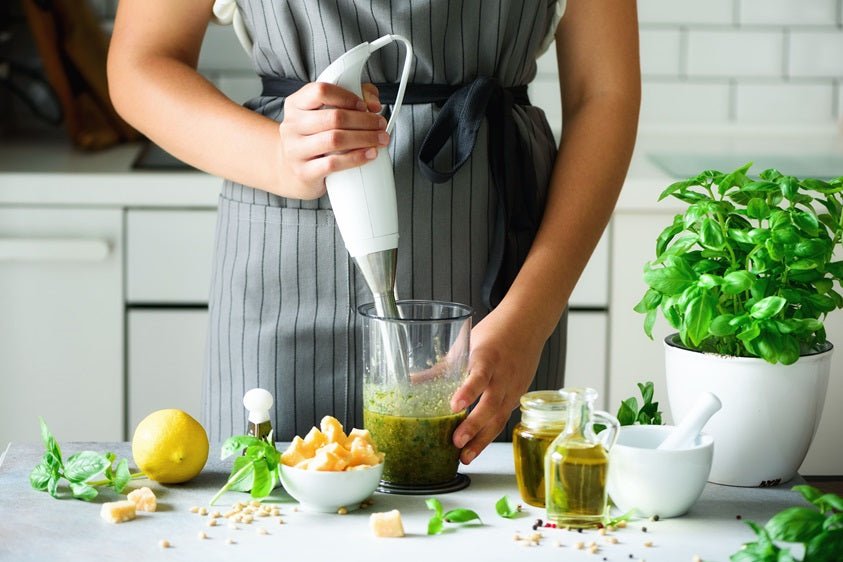
Immersion blenders are handheld and easy to use. They blend thick soups, sauces, and some dough mixtures. Their compact size fits right into pots and bowls. Immersion blenders are perfect for quick mixing and blending. They are less effective for very dense doughs.
Food Processors
Food processors chop, mix, and blend thick ingredients fast. They come with sharp blades and strong motors. Food processors work well for dough, pastes, and thick mixtures. They offer multiple speed options for better control. These tools help reduce manual effort in thick mixing tasks.
Stand Mixers: Power And Versatility
Stand mixers stand out for their power and versatility, making them ideal for mixing thick ingredients like dough and heavy batters. Their strong motors handle dense mixtures with ease, saving you time and effort. If you’ve ever struggled with a hand mixer that bogs down, you’ll appreciate how a stand mixer keeps going without overheating or stalling.
Features And Attachments
Stand mixers come with a range of features designed to tackle tough mixing tasks. Variable speed controls give you precision, so you can start slow to avoid splatters and ramp up as needed. The heavy-duty motor is key—it powers through sticky doughs and chunky mixtures without breaking a sweat.
Attachments add serious versatility:
- Flat Beater:Perfect for thick batters and cookie dough.
- Wire Whisk:Ideal for whipping air into lighter mixtures.
- dough Hook:Made specifically for kneading bread and pizza dough.
Some models also offer pasta makers, grinders, and slicers as extra attachments. This means your stand mixer can do much more than just mix—it’s a kitchen powerhouse.
Top Models To Consider
Choosing the right stand mixer depends on your kitchen needs and budget. Here are some top picks that consistently impress users:
| Model | Motor Power | Key Features | Price Range |
|---|---|---|---|
| KitchenAid Artisan | 325 Watts | Multiple colors, tilt-head design, wide range of attachments | $$$ |
| Kenwood Chef XL | 1200 Watts | Powerful motor, bowl scraper attachment, large capacity | $$$$ |
| Cuisinart SM-50 | 500 Watts | Compact design, dishwasher-safe parts, 12-speed control | $$ |
Have you ever wondered if a stand mixer could replace several kitchen tools? If you often make thick dough or heavy batters, investing in one could simplify your cooking and baking. What’s stopping you from making your kitchen work smarter?
Hand Mixers: Portable And Efficient
Hand mixers offer a simple and effective way to mix thick ingredients. Their lightweight design makes them easy to handle. They provide good control over mixing speed and duration. Perfect for medium to thick batters, doughs, and creams. Portable and easy to store, hand mixers suit small kitchens well.
Advantages And Limitations
- Advantages:Easy to use and clean, suitable for many tasks.
- Lightweight and portable, ideal for quick mixing jobs.
- Multiple speed settings allow better control.
- Affordable compared to heavy-duty stand mixers.
- Limitations:May struggle with very thick or heavy doughs.
- Can overheat if used for too long.
- Less power compared to stand mixers, not ideal for large batches.
Best Options Available
| Model | Power (Watts) | Speed Settings | Weight | Price Range |
|---|---|---|---|---|
| KitchenAid 5-Speed Hand Mixer | 85 | 5 | 2.5 lbs | $$ |
| Hamilton Beach 6-Speed Hand Mixer | 70 | 6 | 2.3 lbs | $ |
| Breville Handy Mix Scraper | 220 | 8 | 2.6 lbs | $$$ |
Immersion Blenders: Compact Solutions
Immersion blenders offer a compact and versatile solution for mixing thick ingredients right in the bowl or pot you’re using. Unlike bulky stand mixers, these handheld devices fit easily into your kitchen drawer and clean up quickly. They deliver powerful blending with minimal hassle, making them ideal for small batches or quick fixes.
When To Use Immersion Blenders
Immersion blenders work best when you need to mix thick ingredients directly in their container. Think thick sauces, creamy soups, or even dense batters. They shine when you want to avoid transferring heavy mixtures to a blender or mixer, saving time and reducing cleanup.
Have you ever tried mixing cookie dough or bread dough with an immersion blender? It’s not the ideal tool for very stiff doughs, but it handles softer, thick mixtures like mashed potatoes or pancake batter with ease. Its design lets you control the blending speed and depth, so you don’t overwork your ingredients.
Recommended Picks
| Model | Power | Key Features | Best For |
|---|---|---|---|
| Breville Control Grip | 280 Watts | Ergonomic handle, variable speed control, stainless steel blade | Thick soups, sauces, small batches of dough |
| KitchenAid 2-Speed Hand Blender | 150 Watts | Two speed settings, detachable shaft, dishwasher safe | Batters, purees, creamy mixtures |
| Braun MultiQuick 5 | 350 Watts | PowerBell technology for smooth blending, splash control, multiple attachments | Thick smoothies, soups, and sauces |
Choosing the right immersion blender depends on the thickness of your ingredients and how often you plan to use it. If you blend thick mixtures frequently, a model with higher wattage and speed control offers better performance. For occasional use, a simple, budget-friendly option might do the job well enough.

Credit: www.amazon.in
Food Processors: Multi-functional Approach
Food processors offer a multi-functional approach that makes mixing thick ingredients easier and more efficient. They combine power and versatility, allowing you to handle a variety of textures without switching tools. If you often find yourself struggling with dense doughs or chunky mixtures, a food processor might be the best addition to your kitchen arsenal.
Capabilities And Attachments
Food processors come with a range of capabilities beyond just mixing. Their powerful motors can knead dough, chop nuts, puree vegetables, and even shred cheese. This makes them ideal for thick ingredients that require more force than a handheld mixer can provide.
Attachments play a key role in their versatility. Most models include:
- S-shaped bladefor chopping and mixing
- Dough bladedesigned specifically for kneading thick dough
- Shredding and slicing discsfor prepping ingredients
These attachments help you switch between tasks quickly, saving time and effort. Have you ever tried mixing bread dough by hand? The food processor’s dough blade takes that hard work off your hands.
Leading Brands And Models
Choosing the right food processor depends on your needs and budget. Some brands stand out for durability, performance, and user-friendly features.
| Brand | Model | Key Features | Approximate Price |
|---|---|---|---|
| Cuisinart | Custom 14-Cup | Large capacity, powerful motor, multiple attachments | $200 |
| KitchenAid | Pro Line Series 16-Cup | Heavy-duty, adjustable slicing/shredding, dough blade | $350 |
| Breville | Sous Chef 16 Pro | Precision controls, extra-large feed chute, multiple blades | $400 |
Have you considered how much time you could save with a model that handles thick mixtures effortlessly? Investing in one of these can change your approach to cooking and baking.
Comparing Tools For Different Recipes
Choosing the right kitchen tool to mix thick ingredients can change your cooking experience dramatically. Different recipes demand different tools, and knowing which one suits your needs can save time and improve results. Let’s compare some popular options to help you decide what fits best for your cooking style.
Baking Needs
Baking often involves thick batters and doughs that require sturdy tools. A heavy-duty stand mixer excels here, handling dense mixtures like bread dough or cookie batter without breaking a sweat.
If you prefer hand tools, a strong wooden spoon or a silicone spatula with a firm edge can do the job well. These allow you to feel the mixture’s texture and adjust your mixing speed accordingly.
Have you ever struggled with a mixer that couldn’t handle your dough? Switching to a tool designed for thick ingredients can be a game-changer.
Cooking Preparations
For thick sauces, mashed vegetables, or hearty stews, different tools shine. A sturdy whisk might struggle, but a potato masher or a heavy-duty spoon can break down lumps and mix ingredients evenly.
Sometimes, a hand mixer with dough hooks can handle thick mixtures in cooking prep, especially when you want to combine ingredients quickly without overworking them.
Think about your typical cooking tasks—do you often prepare thick stews or chunky sauces? Choosing the right tool can make these tasks easier and more enjoyable.

Credit: sallysbakingaddiction.com
Expert Tips For Choosing The Right Tool
Choosing the right kitchen tool to mix thick ingredients can make a big difference in your cooking experience. The right tool saves time, reduces effort, and improves your dish’s texture. Knowing what fits your style and budget helps you make a smart choice that lasts.
Assessing Your Cooking Style
Think about how often you mix thick ingredients and the types you use most. Do you bake frequently or prepare hearty stews? If you’re making dough or batter regularly, a heavy-duty stand mixer or a strong hand mixer might suit you best.
If you prefer quick meals with occasional thick mixing, a sturdy wooden spoon or a silicone spatula might be enough. Ask yourself: How much effort do you want to put into mixing? Your tool should match your energy and frequency in the kitchen.
Budget Considerations
Kitchen tools come in a wide price range, from affordable manual options to high-end electric mixers. Set a budget that fits your needs without overspending on features you won’t use.
Manual tools like a wooden spoon or dough whisk often cost less and require no electricity. On the other hand, electric mixers can be an investment but save you significant time and effort. Consider whether the convenience justifies the cost for your cooking routine.
Care And Maintenance Of Mixing Tools
Proper care and maintenance keep mixing tools effective and safe. Thick ingredients can be tough on tools. Cleaning and storing tools correctly extends their life. It also prevents damage and maintains hygiene in your kitchen.
Cleaning Methods
Rinse tools immediately after use to stop ingredients from hardening. Use warm water and mild soap for thorough cleaning. A soft brush helps remove stuck particles without scratching. Avoid harsh scrubbing on non-stick or coated surfaces. For wooden handles, wipe gently with a damp cloth. Dry tools completely to avoid rust or mold.
Preservation Tips
- Store tools in a dry, cool place away from direct sunlight.
- Keep mixing tools separate from sharp objects to prevent damage.
- Use protective covers or cases for delicate or electric mixers.
- Oil wooden handles occasionally to prevent cracking.
- Check tools regularly for wear and replace if damaged.
:max_bytes(150000):strip_icc()/faw-tier-3-oxo-good-grips-radial-pepper-mill-0-443017ee0d6f4bf2a13a7ed997bcc172.jpeg)
Credit: www.foodandwine.com
Frequently Asked Questions
What Is The Best Tool For Mixing Thick Ingredients?
The best tool for mixing thick ingredients is a sturdy silicone spatula or a heavy-duty wooden spoon. These tools provide strength and flexibility to handle dense mixtures without breaking or bending.
Can A Hand Mixer Handle Thick Doughs Effectively?
A hand mixer can handle moderately thick doughs, but very dense mixtures may strain the motor. A stand mixer with a dough hook is better for thick doughs.
Why Is A Wooden Spoon Preferred For Thick Mixtures?
Wooden spoons are preferred because they are strong, durable, and don’t conduct heat. They provide excellent leverage to mix thick ingredients without damaging the tool.
Is A Silicone Spatula Good For Thick Batter Mixing?
Yes, silicone spatulas are excellent for thick batter mixing. They are flexible, easy to clean, and scrape bowls efficiently, ensuring even mixing of dense ingredients.
Conclusion
Choosing the right tool makes mixing thick ingredients easier and faster. A sturdy spatula or a strong wooden spoon works well for most tasks. Electric mixers help when ingredients are very dense or large in quantity. Remember, comfort and control are key for good results.
Trying different tools can show what fits your style best. Mixing thick ingredients does not have to be hard or tiring. With the right tool, you can enjoy cooking more and get great results every time.
