
You open the dishwasher and a sour, musty, or rotten smell hits you. Knowing how to make dishwasher smell better starts with a quick diagnosis of the scent and a few targeted fixes.
Manufacturer specifications indicate sanitize cycles reach about 150°F, which reduces bacteria and odors. Aggregate user reports and appliance manuals, as of 2026, show most smells come from trapped food, gasket mold, or drain problems, so start with the easy checks below.
Quick Answer
how to make dishwasher smell better, clean the filter and gasket first.
Run a hot empty cycle with citric acid or a commercial dishwasher cleaner.
Check the drain, garbage disposal, and P-trap for backflow.
Call a plumber for sewer gas or persistent standing water.

What causes dishwasher odors: food traps, biofilm, drains, and hard-water scale
Food and grease collect in the removable filter and sump and produce sour smells.
Mildew grows in the door gasket folds and the detergent dispenser when moisture sits there.
Drain backflow or a dry P-trap creates rotten, sulfur odors from sewer gas.
Hard-water scale traps grime in spray-arm ports and under components, holding smells longer.
Stainless steel tubs resist staining more than plastic tubs, but both can harbor biofilm.
Manufacturer maintenance notes consistently list filter care and periodic descaling as top preventative steps.
What's inside to check first: filter, sump/food trap, spray arms, gasket, dispenser, drain hose, and disposal
Start at the parts that trap food and moisture, because they are the most common smell sources.
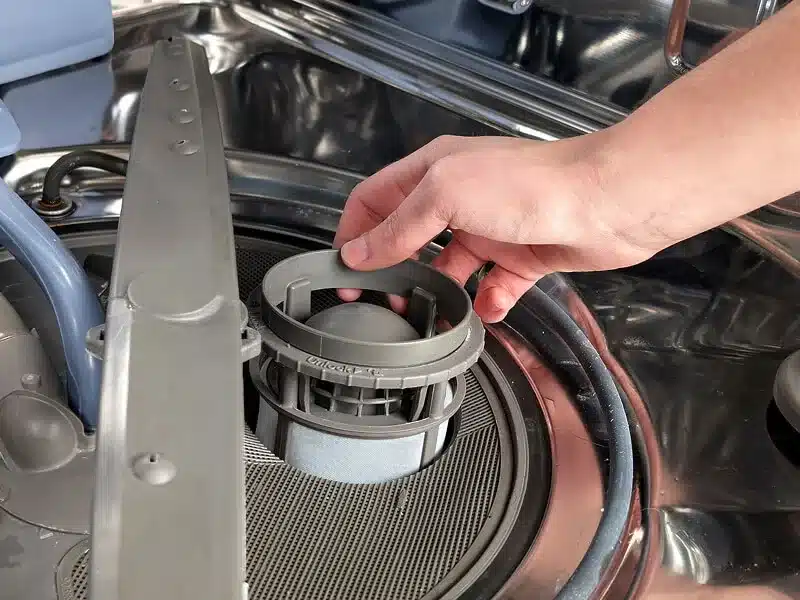
Pull out the bottom rack, remove the filter, and peek into the sump beneath it.
Inspect spray-arm holes, the rubber door gasket, the detergent dispenser, and any air gap by the sink.
Trace the drain hose to the garbage disposal or sink connection and verify the hose has a high loop or an air gap.
Tools and materials table
| Item | Why it matters | What to have |
|---|---|---|
| Removable filter | Traps food, primary odor source | Soft brush, hot water |
| Spray arms | Blocked jets reduce rinsing | Toothpick, small brush |
| Door gasket | Mold grows in folds | Cloth, mild cleaner, toothbrush |
| Drain hose, air gap | Prevents backflow and sewer gas | Pliers, flashlight |
If you find persistent black mold below the sink, use a short guide to identify mold problems, and then act. For help keeping plumbing accessible while you work, follow practical under, kitchen counter storage ideas.
Smell ID: match scent to likely source and quick tests
Sour, fermented smell, likely trapped food in the filter or sump
- Test: remove the filter and smell it. If it reeks, clean and rinse it.
- Action: scrub the filter, run a hot cycle with citric acid.
Musty or mildew smell, likely gasket or detergent cup mold
- Test: pull back the rubber door gasket and smell the folds. Look for black specks.
- Action: scrub the gasket and detergent cup, run a sanitize cycle.
Rotten or sulfur smell, likely drain backflow, disposal, or P-trap problems
- Test: run the sink faucet and the disposal while the dishwasher drains. Does the odor change?
- Action: run the disposal, refill the P-trap by running water, and verify the drain hose routing.
Chemical or metallic smell, likely detergent residue or rust
- Test: inspect the tub and racks for crusty residues or rust spots.
- Action: run an empty hot cycle with citric acid, then dry the interior.
Faint ongoing odor after cleaning, likely biofilm or partial plumbing clog
- Test: run a hot empty cycle and check the smell after 24 hours.
- Action: inspect the drain pump area, and call a technician if the smell returns.
Diagnostic decision tree — step-by-step workflow
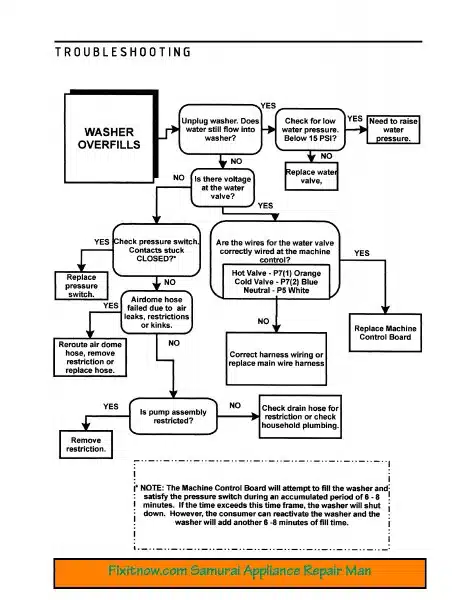
If you detect an odor, follow this stepwise path to find the root cause and choose the right fix. The first question steers the rest of the workflow.
Branch A, sour or fermented smell
- Then remove the filter and clean it. If the smell stops, keep a monthly filter routine.
- If not, clear spray arms and the sump, then run citric acid.
Branch B, musty or mildew smell
- Then scrub the gasket and detergent dispenser, run sanitize if available. If mold returns, replace the gasket.
- Use enzyme cleaners monthly for recurring biofilm.
Branch C, rotten or sewer smell
- Then run the garbage disposal with cold water and check the P-trap. If the P-trap is dry, fill it by running water.
- If the P-trap is full and smell persists, inspect for a missing high loop or air gap. Local plumbing code may require an air gap, so consult an official code body if unsure.
Branch D, chemical or metallic smell
- Then run an empty hot cycle with baking soda or citric acid to neutralize residues.
- Replace rusted rack parts to avoid ongoing metallic odors.
Branch E, persistent odor after cleaning
- Then inspect the drain pump and check valve for stuck debris or failing seals. If the pump hums without draining, call a professional.
When to call a pro
- Standing water remains after cleaning.
- Strong, continuous sewer gas is present.
- The drain pump makes unusual noises or refuses to pump.
If you need to know how a leaking sink pipe gets fixed, see steps for repairing a broken pipe under the kitchen sink.
Step-by-step deep clean: filter removal, sump clearing, spray-arm cleaning, gasket scrubbing, and maintenance cycles
Follow these steps in order, because skipping the filter wastes effort.
Wear rubber gloves and gather a soft brush, toothbrush, toothpicks, and a bowl of hot water.
- Remove the bottom rack and lift out the removable filter assembly. Rinse under hot water and scrub with a soft brush. Repeat until no residue remains.
- Reach into the sump beneath the filter and pick out visible debris with gloved hands. Use a flashlight to check deep pockets.
- Remove the lower spray arm if your model allows it. Clear each jet with a toothpick and rinse thoroughly.
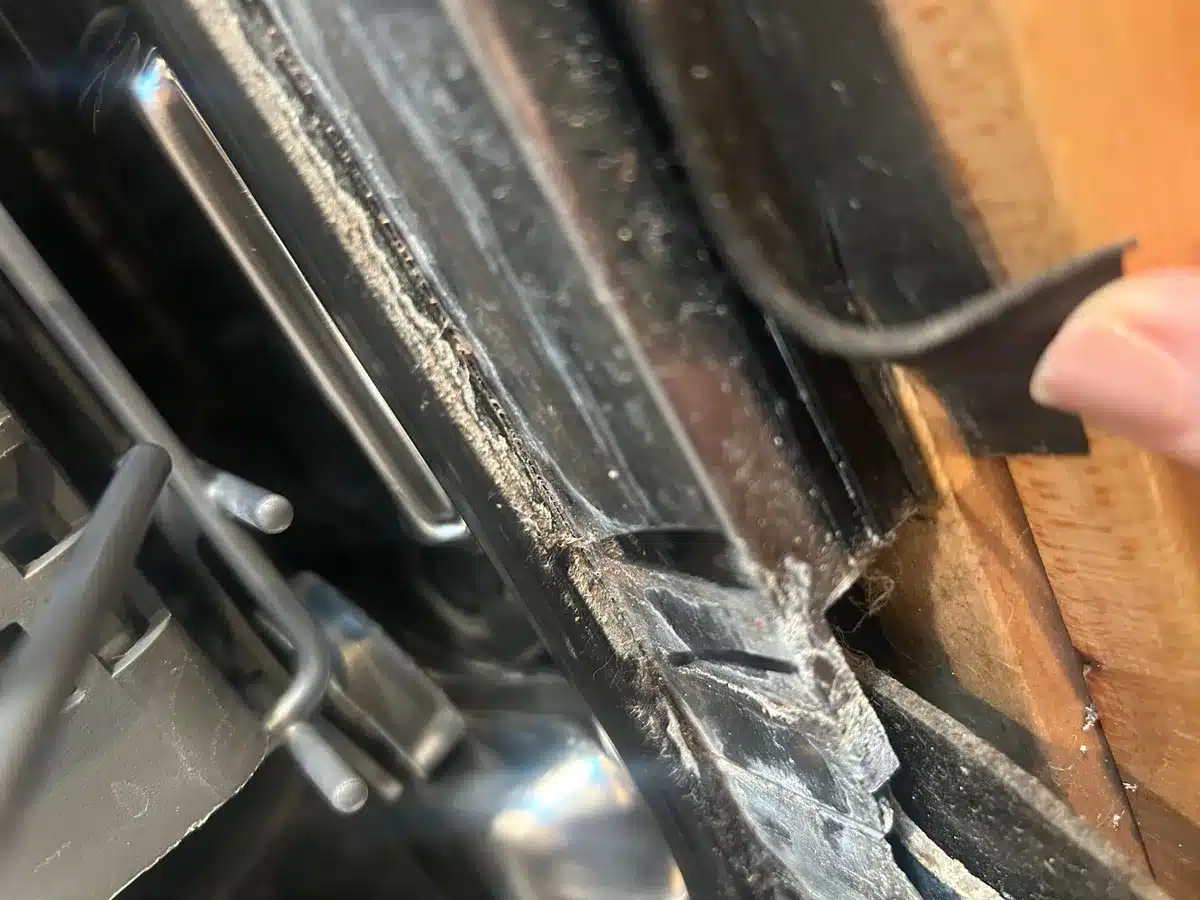
- Pull back the door gasket folds and wipe them with warm soapy water. Scrub crevices with a toothbrush and rinse. Replace the gasket if it has deep black staining or cracks.
Finish with a maintenance cycle. Put one cup of powdered citric acid on the bottom, or place one to two cups of white vinegar in a bowl on the top rack. Run the hottest, longest cycle available, use the sanitize option if present, then leave the door cracked to dry for an hour.
Tools, cleaners, and parts — baking soda, white vinegar, citric acid, enzyme cleaners, brushes, replacement gaskets and filters
Choose cleaners that match the problem: citric acid for scale, enzymes for biofilm, and baking soda for deodorizing. Bleach kills mold but can damage rubber and stainless parts, so use it only with manufacturer approval.
| Cleaner or part | Best for | Typical dose | Caution |
|---|---|---|---|
| Citric acid powder | Mineral scale and odors | 1 cup in tub | Repeated acid exposure can affect rubber |
| Baking soda | Neutralize odor | 1 cup, short rinse | Mild, not for deep biofilm removal |
| Enzyme cleaner | Biofilm and grease | Follow label | Works over several cycles |
| White vinegar | Light descaling | 1 cup in bowl | Do not mix with bleach |
| Replacement gasket | Stubborn mold or cracked seal | OEM part by model | Confirm model number before ordering |
| Replacement filter | Torn or irreparably clogged | OEM filter assembly | Use correct fit for flow rate |
If heavy grease is the issue, pair cleaning with a kitchen degreaser designed for cabinet surfaces and hardware. For removing stubborn cabinet grease and residue, consult a guide on removing heavy grease from kitchen cupboards.
Mistakes to avoid and chemical safety
Do not mix cleaning chemicals. Mixing bleach and vinegar releases chlorine gas, which is hazardous. For general household chemical guidance, refer to CDC household chemical safety information.
Avoid these common mistakes
- Using bleach repeatedly on rubber gaskets, which causes brittleness and leaks.
- Running cleaners without removing coarse debris from the filter, which allows grit to recirculate.
- Tugging on the drain hose while plumbing is pressurized, which risks leaks.
Manufacturer manuals warn against oven cleaners inside tubs and heavy acids on stainless surfaces. If a product label contradicts this guidance, follow the appliance manual to preserve warranties.
Maintenance schedule and small habits that stop smells before they start
A short, regular routine prevents most odors and keeps the appliance running well.
Weekly
- Wipe the door gasket and detergent dispenser with a damp cloth.
- Check the filter for obvious debris.
Monthly
- Remove and clean the filter, then run a hot maintenance cycle with citric acid.
- Clear spray-arm ports and check for mineral buildup.
Quarterly
- Inspect the drain hose path, air gap, and garbage disposal connection. Tighten clamps if loose.
- Use an enzyme cleaner if you notice recurring biological buildup.
Daily habits that help
- Scrape plates, removing large chunks, but skip full pre-rinsing under hot water.
- Leave the door ajar after a cycle to let the interior dry.
- Avoid overloading, so water can reach all dishes.
To keep plumbing and supplies organized under the sink, follow practical under counter storage ideas for easy access during inspections.
When to call a pro or replace parts — drain pump, check valve, persistent sewer gas, and warranty decisions
Call a licensed plumber when you suspect a plumbing defect, because sewer gas and backflow are hazards that need professional correction.
Signs you need professional help
- Strong, persistent sewer gas that returns during every run.
- Standing water after a cycle, or a pump that hums but fails to evacuate water.
- Visible leaks under the sink or damaged electrical components.
Budget and warranty notes
- Filters and gaskets usually cost $20 to $100 depending on model.
- Drain pump repairs, including labor, typically run $150 to $400 or more.
- If the appliance is under warranty, check the manual before using harsh chemicals or replacing parts yourself.
If the repair involves sink plumbing, consult a step guide on fixing a broken pipe under the kitchen sink for safe DIY steps.
Costs, time estimates, and part pricing
Basic cleaning takes 20 to 45 minutes and costs near zero with household tools. Maintenance cycles run one to three hours, mostly hands-off.
| Item or service | Typical cost | Typical time |
|---|---|---|
| Citric acid, baking soda, enzyme cleaner | $5 to $20 | One cycle, 1 to 3 hours |
| Replacement filter or gasket | $20 to $100 | 15 to 60 minutes DIY |
| Drain hose or clamp | $15 to $50 | 30 to 90 minutes DIY |
| Drain pump replacement, parts and labor | $150 to $400+ | 1 to 3 hours professional |
| Plumber service call | $75 to $200 | 30 to 90 minutes, region dependent |
If you spot a torn filter, replacing it yourself avoids labor charges. For parts, always confirm the OEM part number in your manufacturer service manual.
Comparison and alternatives, which cleaning method is best for each problem
Pick citric acid for limescale, enzymes for biofilm, and baking soda for quick freshening. Each method targets a different cause and timeline.
- Citric acid, best for mineral scale, often clears limescale in one hot cycle.
- Enzyme cleaners, best for greasy biofilm, may need two or three cycles for full effect.
- Baking soda, best for deodorizing, is fast but not a deep cleaner.
- White vinegar removes light deposits but should not be mixed with bleach and is milder on scale than citric acid.
Who should use what
- Hard-water homes should run citric acid monthly to control scale.
- Homes that see recurring sour smells should try enzyme treatments every one to two months.
- Rentals or quick fixes can use baking soda and a short hot rinse for immediate improvement.
Expert tips, quick hacks, and troubleshooting shortcuts
Run the hottest cycle monthly and use sanitize if available, because higher temperatures reduce bacterial load. Leave the door cracked after a cycle for 30 to 60 minutes to dry the interior.
Quick hacks that work
- After cleaning, sprinkle one cup of baking soda on the tub bottom and run a short rinse to deodorize.
- Put citric acid in a zip-top bag on the top rack if bowls don't sit flat.
- Grind two handfuls of ice and a cup of coarse salt in the disposal to free grease near the dishwasher inlet.
- Replace loose spray-arm clips and damaged rack parts to restore proper water flow.
Troubleshooting shortcuts
- If smells happen only during runs, isolate the sink and disposal. Run the sink for 30 seconds to refill the P-trap.
- If the pump hums without pumping, suspect a blocked impeller or foreign object in the sump.
- If a gasket molds repeatedly, replace it and reduce interior humidity by drying after cycles.
For household chemical safety reference, consult CDC guidance on chemical exposures.
Real scenarios and case examples
Scenario 1, holiday cooking sour odor
- Action: Cleaned a clogged filter, cleared spray arms, and ran a citric acid cycle.
- Result: Odor cleared and did not return after two clean cycles.
Scenario 2, recurring mildew in a rental unit
- Action: Landlord replaced a cracked gasket and told tenants to keep the door ajar after cycles.
- Result: Smell reduced within two weeks and stayed away.
Scenario 3, sewer smell after cleaning
- Action: Plumber found a missing air gap and a clogged drain hose. The tech installed an air gap and snaked the line.
- Result: Sewer smell eliminated and drain flow restored.
These examples show the usual path: clean first, then check plumbing, then replace parts or call a pro.
Final recommendation and decision guide
If cleaning the filter and gasket removes the smell, keep a monthly filter routine and run citric acid quarterly.
If odors persist after cleaning, inspect the garbage disposal, P-trap, and drain hose for clogs and improper routing.
If you detect sewer gas, or if standing water remains, stop using the appliance and call a licensed plumber.
Decision checklist for next steps
- Filter smells, clean and schedule monthly maintenance.
- Gasket molds, scrub and replace if stained or cracked.
- Sink or disposal smells, clean disposal and refill the P-trap.
- Persistent or sewer gas smell, contact a plumber immediately.
For local plumbing code questions and air gap requirements, consult an official plumbing code source to confirm your installation meets regulations.
Frequently Asked Questions
How often should I clean the dishwasher filter?
Clean the filter at least once per month with normal daily use. If you cook greasy meals often or run the dishwasher every day, clean it every two weeks. Regular cleaning prevents trapped food, improves rinse performance, and cuts sour smells before they form.
Can I use white vinegar to remove dishwasher smells?
White vinegar works for light descaling and neutralizing smells in a hot empty cycle. Use one cup in a bowl on the top rack. Do not mix vinegar with bleach or ammonia, because mixing creates hazardous fumes that can cause respiratory harm.
Why does my dishwasher smell only after running?
When smells appear only during operation, drain backflow or a dry P-trap often causes sewer gas to enter the tub. Run the sink to refill the P-trap, check for a missing high loop or air gap, and inspect the disposal inlet for clogs. If smell persists, call a plumber.
Will replacing the door gasket fix mildew smells?
Replacing the gasket will fix mildew if cleaning cannot remove deep staining or cracks. Scrub the gasket first, then replace it when mold recurs or the seal is damaged. A new OEM gasket restores a proper seal and cuts the places where mildew hides.
Is it safe to run the dishwasher with baking soda or citric acid?
Yes, running one cup of baking soda or one cup of powdered citric acid on a hot empty cycle is safe for most tubs. Citric acid is effective at removing scale. Avoid mixing acids with bleach, and check your appliance manual before repeated acid use to protect rubber parts.
What if I still smell sewer gas after all home fixes?
Persistent sewer gas points to a plumbing defect such as a dry P-trap, missing air gap, faulty check valve, or improper drain connection. Call a licensed plumber to inspect the drain route and venting. Sewer gas can include hydrogen sulfide, which poses health risks and needs prompt correction.
