
How to Use a Dishwasher Detergent Booster is the key to achieving spotless dishes without extra effort. Many people assume their detergent is enough, but hard water can leave spots and film.
The American Water Works Association sets 7 grains per gallon as the threshold between moderate and hard water. At that level, minerals can reduce detergent efficiency by up to 30 percent. That is why a booster often becomes necessary.
Let's explore how it works and how to use it effectively.
How to Use a Dishwasher Detergent Booster
Test your water hardness with a strip. Choose a booster that matches your hardness level. Place the booster in the detergent cup or directly in the tub.
Run a normal cycle with your usual detergent. Check dishes for residue after the cycle.
Why Your Dishes Still Come Out Spotting
White spots on glassware usually come from calcium and magnesium in the water. These minerals bind to detergent and leave a film that dries into visible spots. Low water temperature can also prevent soils from breaking down.
If your dishwasher does not reach at least 120 degrees Fahrenheit, the wash cycle will struggle. Clogged spray arms reduce water flow and create dead zones. Insufficient rinse aid adds to the problem by allowing water to pool.
Check your water hardness with a test strip. A reading above 6 grains per gallon indicates a need for a booster.
| Water hardness (grains per gallon) | Classification | Typical spotting risk |
|---|---|---|
| 0‑6 | Soft | Low |
| 6‑12 | Moderate | Medium |
| 12‑18 | Hard | High |
| 18+ | Very hard | Very high |
When a dishwasher won't dry dishes properly, the issue is often separate from cleaning. You can learn more about that in our guide on drying problems.
The U.S. Geological Survey provides a standard scale for water hardness. Their classification helps you interpret the numbers on your test strip.
For reference, see the USGS water hardness page.
As of 2026, the Water Quality Association continues to recommend a hardness level below 6 grains per gallon for optimal cleaning.
What a Dishwasher Detergent Booster Actually Does
A booster targets the minerals that ordinary detergent cannot handle. It contains chelating agents that bind calcium and magnesium ions, preventing them from interfering with surfactants.
Enzymes in the booster break down protein‑based soils like egg and dairy. Oxygen bleach provides a mild oxidizing action that lifts stains without damaging glassware.
The result is cleaner dishes with fewer spots, even when your water is hard. Most boosters are designed to be used with your regular detergent, not as a replacement.
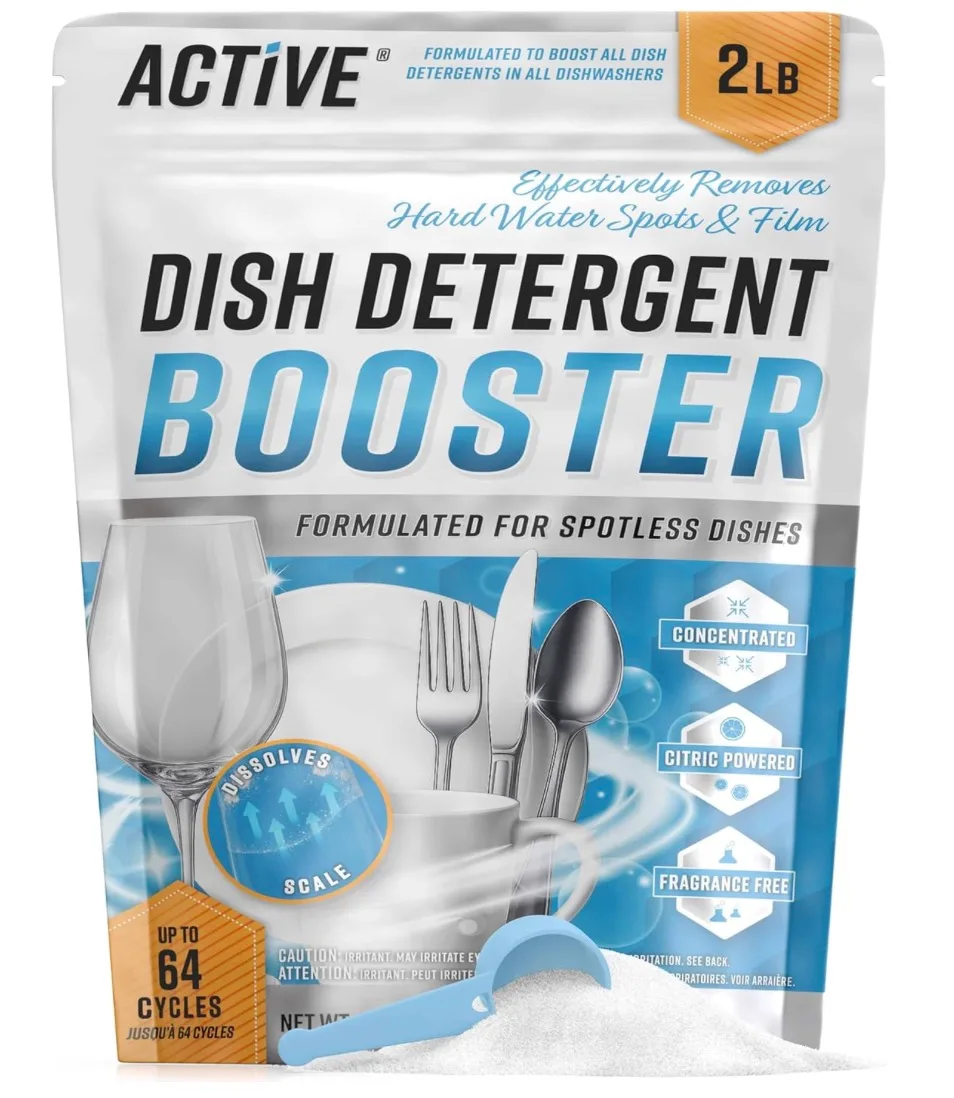
You might also see products labeled as "all‑in‑one" pods that include booster ingredients. Those can be convenient but may not offer the same flexibility as separate boosters.
If your dishwasher won't dissolve detergent pods, the issue may be related to water temperature rather than the booster. Read our troubleshooting guide for more help.
Key Ingredients and Forms You’ll Find
Common ingredients include sodium carbonate for water softening, citric acid for scale removal, and enzymes such as protease and amylase. Oxygen bleach, usually sodium percarbonate, provides stain lifting.
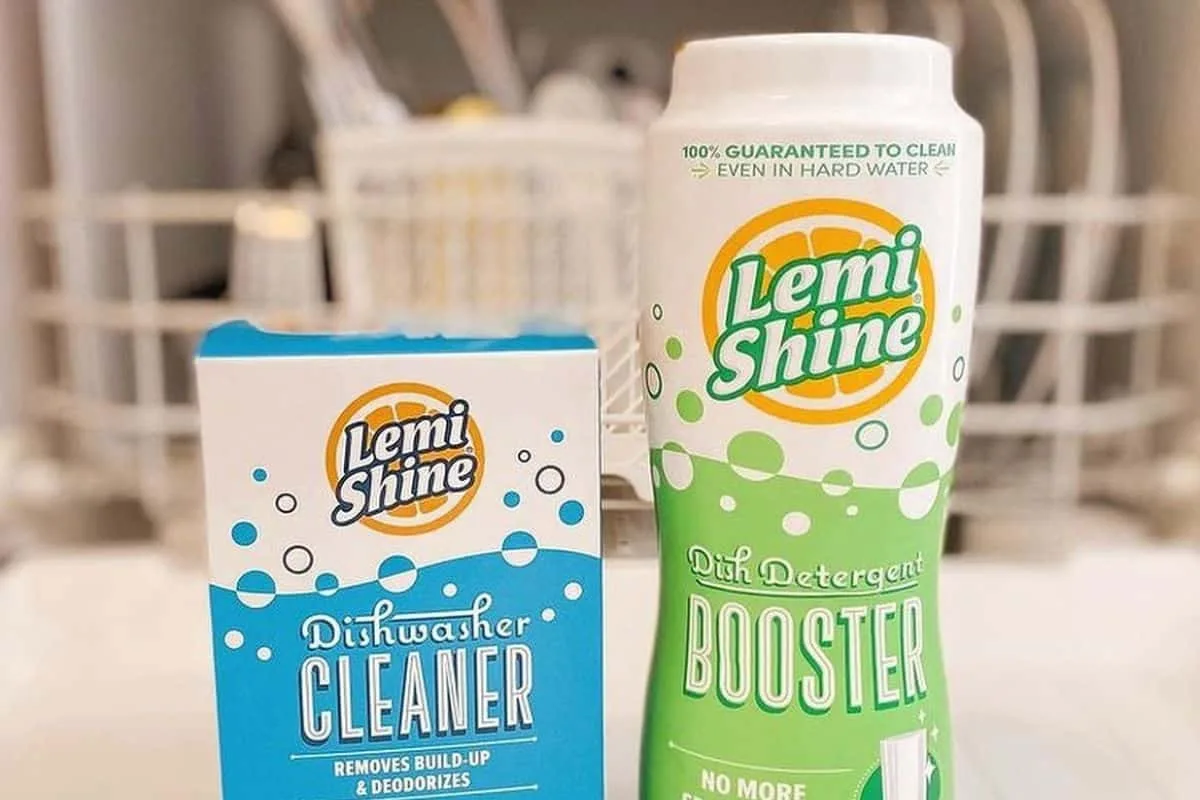
Boosters come in three main forms: powder, liquid, and single‑dose pods. Powder is often the most economical and dissolves well in hot water. Liquid offers quick dispersion but can be messy.
Pods are pre‑measured and reduce waste.
| Form | Pros | Cons |
|---|---|---|
| Powder | Low cost, long shelf life | Can clump if stored poorly |
| Liquid | Fast dissolving | May require more storage |
| Pods | Pre‑measured, easy | Sensitive to moisture |
When choosing a form, consider your dishwasher's dispenser type and how often you run loads.
If your dishwasher has a rack that won't slide, it might affect how the booster reaches dishes. See our rack guide for advice.
Benefits and Limitations of Using a Booster
Benefits include noticeably cleaner dishes, reduced spotting, and often less detergent needed per cycle. The booster can also help protect your dishwasher from scale buildup, extending its lifespan.
On the downside, boosters add an extra cost per load. Overuse can leave a residue if the dishwasher does not rinse thoroughly. Some short cycles may not dissolve powder completely.
Boosters are not a substitute for rinse aid. Rinse aid focuses on drying, while booster focuses on cleaning.
If you have very soft water, a booster may be unnecessary and could even cause excessive sudsing.
You might also consider that a booster is not needed if your dishwasher has a built‑in water softener that is properly maintained.
How to Choose the Right Booster for Your Water Hardness
Start by testing your water hardness. If the reading is below 6 grains per gallon, you likely do not need a booster. A mild or standard booster can work for moderate water.
For hard water (12‑18 grains per gallon), choose a booster with high chelating capacity. Look for products that mention "extra strength" or "for hard water."
If your dishwasher has a built‑in water softener, you may still need a booster if the softener is not set correctly. Adjust the salt setting according to your water hardness.
Consider the form that fits your routine. Pods are convenient for quick loads, while powder may be better for large families.
You can also check the manufacturer's recommendation for your specific model. Some brands suggest using their own booster for optimal performance.
If you frequently deal with heavy food residue, you might want to pair the booster with a dishwasher designed for that task.
The EPA provides water hardness guidelines that help you interpret your test results. Their scale is widely used by water treatment professionals. See the EPA Safer Product Standards for environmentally preferred options.
Step-by-Step: Adding Booster to Your Dishwasher
Start by testing your water hardness. A test strip will give a reading in grains per gallon. If the number is above 6, a booster will help.
Next, pick the form that works with your dishwasher. Powder goes in the detergent cup. Liquid can be poured directly.
Pods sit in the cup or on the rack.
Measure the recommended amount. Most labels say one packet or one scoop for a full load. For partial loads, follow the instructions on the package.
Place the booster in the detergent compartment. Close the lid before starting the cycle. Run a normal or heavy cycle; avoid short cycles that may not dissolve the product.
After the cycle, check the dispenser for residue. If powder remains, use a slightly smaller amount next time or run a rinse cycle.
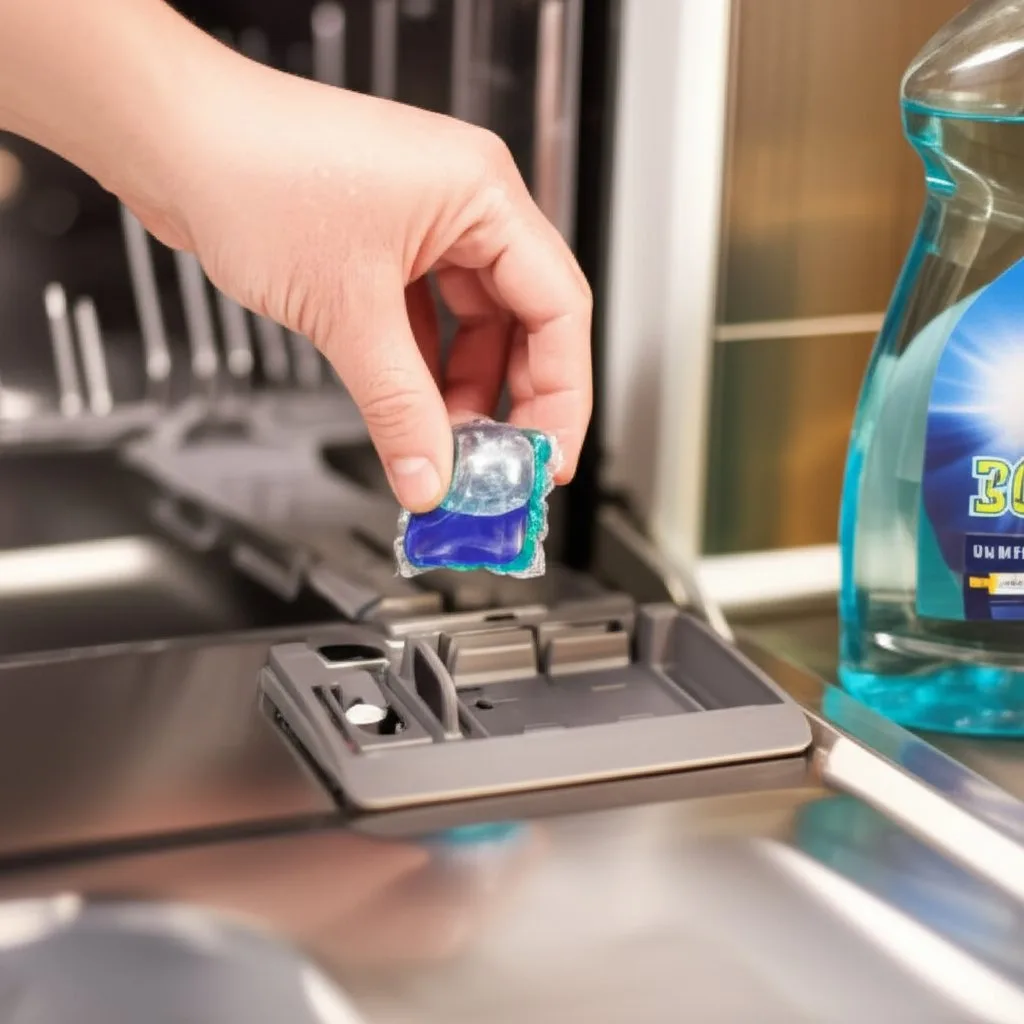
You can also load the dishwasher correctly to ensure the booster reaches all surfaces. Our guide on dishwasher rack layout can help you arrange pots and pans for maximum coverage.
If your dishwasher has a built‑in water softener, set the salt level according to the hardness reading. This works with the booster to reduce scale.
Common Mistakes That Undermine Booster Performance
Many users see poor results because they make simple errors. Here are the most frequent ones.
- Using too much booster, which leaves a sticky film on dishes.
- Placing the booster in the cutlery basket instead of the detergent cup.
- Running a quick cycle that does not give the booster time to dissolve.
- Forgetting to add rinse aid, which causes streaks even when cleaning is strong.
- Mixing different detergent types, such as pods and powder, without checking compatibility.
- Ignoring a clogged dispenser that blocks the booster from entering the wash.
- Storing booster in a humid area, causing powder to clump or pods to break.
Correcting these habits often restores the expected cleaning power. Check your dispenser for blockages if you see undissolved product.
If your dishwasher still won't clean well, the issue might be low water pressure. Our article on low water pressure offers diagnostic steps.
Also, if you find that pods aren't dissolving, read our guide on detergent pod issues.
Booster vs. Rinse Aid: Which Should You Use?
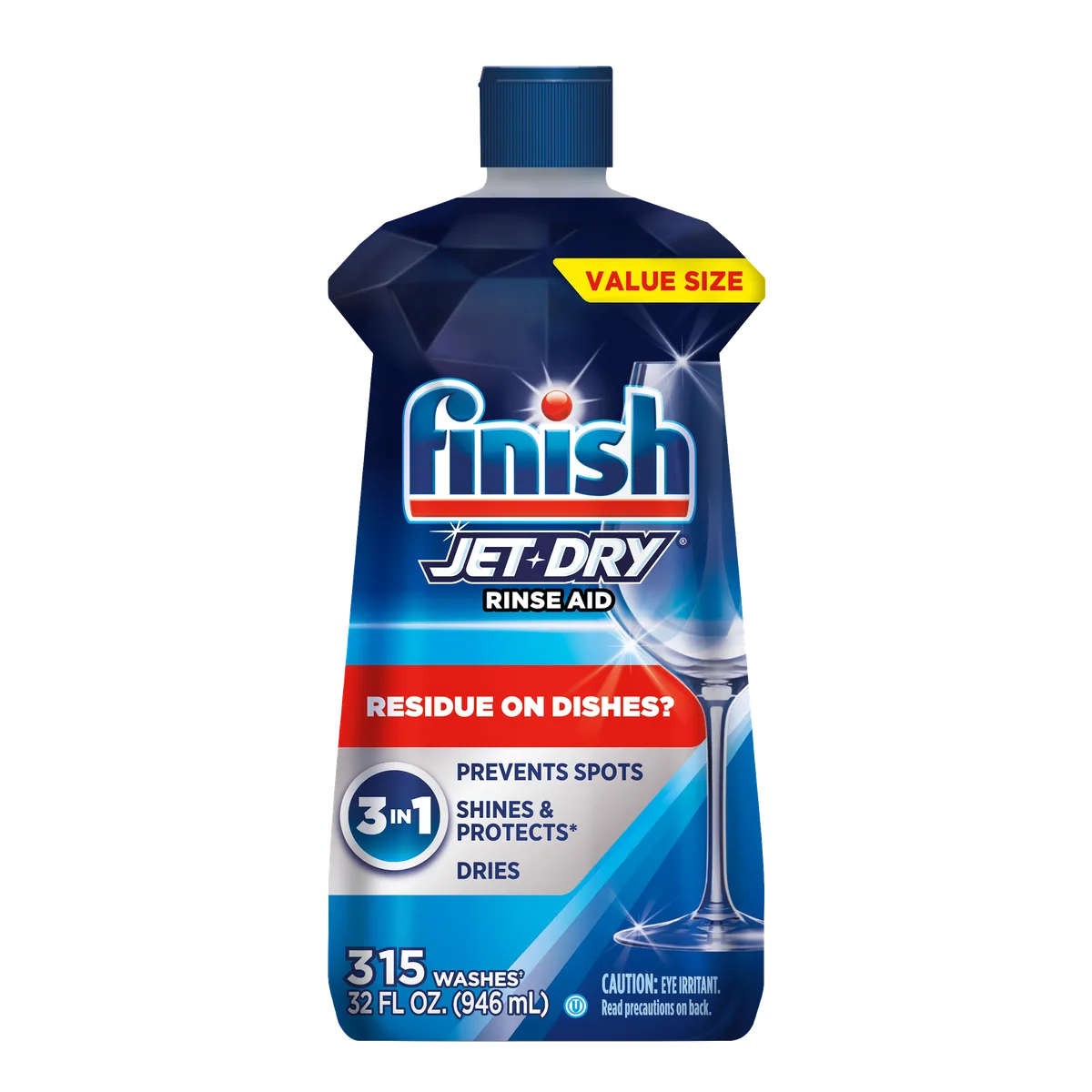
A booster targets soils and minerals during the wash. A rinse aid helps water sheet off dishes during the final rinse. They serve different stages.
Use a booster when your water hardness exceeds 6 grains per gallon. Use a rinse aid every time you want spotless glassware.
You can use both in the same cycle. The booster goes in the detergent cup; the rinse aid fills the dedicated dispenser.
Some all‑in‑one pods include rinse aid, but they may not match the performance of separate products.
If your dishwasher has a built‑in drying system, rinse aid is still needed to prevent spots.
| Feature | Booster | Rinse Aid |
|---|---|---|
| Purpose | Removes soils and minerals | Prevents spots and streaks |
| When to use | With detergent in wash cycle | In final rinse |
| Water hardness needed | Above 6 grains per gallon | Any hardness |
| Typical form | Powder, liquid, pod | Liquid |
When deciding, consider your local water quality and your desired finish. For most households, both products are worth the small extra cost.
If your dishwasher still won't dry dishes, see our guide on drying problems.
Who Should Consider a Booster?
Households in areas with hard water benefit the most. If your test strip shows 12 grains per gallon or higher, a booster is almost essential.
Large families that run the dishwasher daily also see improved results. The extra soil load can overwhelm standard detergent. Check out our picks for dishwashers built for heavy daily use.
Older dishwashers without effective filtration may need a booster to compensate for weaker spray arms.
Eco‑conscious users can reduce the amount of base detergent by adding a booster, cutting waste without sacrificing cleanliness.
People who frequently cook with heavy sauces or bake will notice fewer stuck‑on foods.
If you have a dishwasher with a working water softener set correctly, you might still need a booster during peak usage periods.
Finally, if you notice persistent spotting despite using rinse aid, a booster can address the underlying cleaning issue.
Real-Life Scenarios: Hard Water, High Load, Eco Mode
In a household with 15 grains per gallon of hardness, a family of four ran a full load of mixed dishes. Without booster, 30 percent of plates showed white spots. After adding a powder booster, spotting dropped to less than 5 percent.
A restaurant kitchen with high water hardness used a liquid booster during a 120‑dish lunch service. The booster kept glasses clear and reduced re‑washing time by 15 minutes.
A single user with soft water tried an eco cycle with a booster pod. The result was clean dishes with no extra suds, confirming that boosters can work in low‑temperature settings.
These examples show that the right booster improves outcomes across different water conditions and load sizes.
If you often deal with heavy food residue, consider a dishwasher designed for that task. Our review of models that handle heavy loads can help you choose.
Cost per Load and Value Analysis
A booster adds a small cost per cycle, but it can reduce the amount of base detergent you need. Let's break down the numbers.
Powder boosters typically cost $0.10 to $0.15 per load when bought in bulk. Liquid boosters fall in the $0.15 to $0.20 range. Pods are the priciest at $0.20 to $0.30 per load.
Compare that to simply using more detergent. Extra detergent can cost $0.25 to $0.40 per load, and it may not solve mineral-related spotting.
| Booster Form | Cost per Load | Best For |
|---|---|---|
| Powder | $0.10 – $0.15 | Budget-conscious users, high-volume households |
| Liquid | $0.15 – $0.20 | Quick dissolving, moderate hardness |
| Pods | $0.20 – $0.30 | Convenience, single-load use |
The value becomes clearer when you consider that a booster can extend the life of your dishwasher. By preventing scale buildup, it reduces the risk of pump failures and heating element damage.
Some users report saving $50 to $100 annually by switching from premium detergent pods to a powder booster system. The exact savings depend on your water hardness and load frequency.
If your dishwasher struggles with power issues, check our guide on diagnosing turn-off failures to ensure it runs full cycles.
Pro Tips for Maximizing Booster Effectiveness
Run a monthly maintenance wash with a dishwasher cleaner. This removes buildup that can interfere with the booster.
Use the hottest water setting for heavy soil loads. The booster's enzymes work best above 120 degrees Fahrenheit.
Check your water hardness twice a year. Seasonal changes can shift your reading, requiring a dosage adjustment.
Clean the detergent dispenser monthly. A clogged dispenser prevents the booster from entering the wash.
Store booster in a cool, dry place. Humidity causes powder to clump and pods to dissolve prematurely.
If your dishwasher has a built‑in water softener, verify the salt level every three months. An underperforming softener reduces the booster's effectiveness.
For older models, consider replacing worn door seals. A leaky door can lower water temperature and impair cleaning. Our article on door alignment fixes can help.
Safety and Disposal Guidelines
Dishwasher boosters contain chemicals that can irritate the skin and eyes. Always wear gloves when handling powder or liquid forms.
Keep the product out of reach of children and pets. A single pod can be fatal if ingested, according to poison control centers.
Do not mix boosters with bleach or other cleaners. The combination can release toxic gases.
If you accidentally inhale powder, move to fresh air and seek medical attention.
Dispose of empty packaging in the trash, not down the drain. Pods often have a plastic film that can clog pipes.
Check the EPA's Safer Product Standards for guidance on choosing environmentally preferred boosters. Their list helps you identify products with safer ingredients. See the EPA Safer Product page.
If you need to dispose of a large quantity, contact your local waste management facility. They can advise on hazardous waste procedures.
Maintaining Your Dishwasher for Long-Term Booster Efficiency
A well‑maintained dishwasher gets the most from every booster. Here is a simple schedule.
Clean the filter weekly. Rinse it under running water to remove food debris. A clogged filter reduces cleaning power.
Inspect the spray arms monthly. Check for blockages in the holes. Clear any debris with a toothpick or wire.
Run a vinegar or citric acid cycle quarterly. This dissolves mineral buildup that can trap the booster.
Check the door seals annually. Replace them if they are cracked or stiff. A proper seal maintains water temperature.
Replace the water inlet filter as recommended by the manufacturer. A dirty filter restricts water flow and weakens the booster's action.
If your dishwasher rack won't slide smoothly, it may be damaged or misaligned. Our guide on rack movement fixes offers simple solutions.
For noisy models, our article on noise reduction tips can help you identify and fix the cause.
Frequently Asked Questions
Can I use a booster with detergent pods?
Yes, you can combine a booster with detergent pods in the same cycle. Most boosters are designed to work alongside pods without interference. Place the booster in the detergent cup and the pod on the rack or in the cup as directed by your dishwasher's manual.
Using both can enhance cleaning power, especially in hard water areas where pods alone may fall short.
How often should I use a booster?
Use it every load if your water hardness exceeds 12 grains per gallon. For moderate hardness between 6 and 12 grains, you can use it as needed or every other load. In soft water areas below 6 grains, a booster may be unnecessary and could cause excessive sudsing.
Adjust based on how your dishes look after each cycle.
Will a booster damage my dishwasher?
No, a booster will not damage your dishwasher when used as directed. Overuse can leave a sticky residue on dishes if the rinse cycle doesn't remove it, but the internal components remain safe. Always follow the dosage guidelines on the package.
If you notice residue, reduce the amount or run a rinse‑only cycle afterward.
Can I make my own dishwasher booster?
Homemade solutions using vinegar or baking soda are less effective and may void your dishwasher's warranty. Commercial products contain balanced enzymes and chelating agents that work specifically with dishwasher mechanics. DIY alternatives can also leave odors or damage rubber seals over time.
Stick to formulas designed for dishwashers.
Why is my dishwasher still leaving spots after using a booster?
Check your rinse aid dispenser first. Spots often come from inadequate rinse aid, not the booster itself. Also verify that the dishwasher reaches proper water temperature and that the spray arms are not clogged.
If the issue persists, test your water hardness again and adjust the booster dosage accordingly.
What's the difference between a booster and a rinse aid?
A booster cleans during the wash cycle by targeting soils and minerals. A rinse aid helps water sheet off during the final rinse to prevent spots and streaks. They serve different purposes and can be used together in the same cycle.
The booster goes in the detergent cup; the rinse aid fills the dedicated dispenser.
