
A broken silverware basket turns loading the dishwasher into a daily annoyance. If you need a dishwasher silverware basket replacement, the hardest part is not the install but finding one that actually fits your rack. Basket shapes vary by brand, and a basket that looks similar online can slide poorly or tip over mid-cycle.
You need to match the rails, rollers, and mounting clips before you order.
Most built-in dishwashers use a standard 24-inch cabinet opening, but interior rack designs differ enough that visual fit matters more than general size. In our research, aggregate buyer reviews show that mismatched baskets account for the majority of returns on appliance parts sites as of 2026. The next section explains which visual cues determine whether a basket will lock into place.
Dishwasher Silverware Basket Replacement
A replacement basket restores rack loading capacity. You match the part number to your dishwasher model. Installation takes about ten minutes.
The right basket keeps utensils out of the pump filter. Ordering by model number avoids returns.
Why the Right Basket Fit Depends on What You See
A replacement basket has to match your dishwasher rack in three dimensions, not just one. A photo or diagram shows details that a product title cannot capture. It reveals whether the rollers sit at the front corners or along the center bar.
Without that visual check, you risk ordering a basket that wobbles, catches on the rack tines, or fails to latch. Your eyes catch what a spec sheet hides.
Basket compatibility is spatial, not descriptive. Two baskets can share the same width and color yet fail because one roller sits a quarter inch fartherback, the basket can catch on the wire tines. A photo of your current basket helps you spot those differences before you buy.
Manufacturer specifications indicate that even a half-inch difference in rail spacing can prevent smooth sliding. Visuals let you compare those measurements against your current basket side by side. If you are replacing a cracked basket, lay it on a flat surface and photograph the bottom so you can match the roller holes and clip positions later.
Bring that photo when you shop online or in store.
Universal baskets advertised as fits all models often gloss over these spatial details. They may include adjustable clips or generic rollers, but those substitutions can rattle during the wash cycle or leave silverware exposed to the pump intake. A visual match remains the most reliable filter.
Skip any listing that lacks clear photos of the bottom and sides.
Take your old basket outside or to a well-lit counter. Natural light makes cracks, warped plastic, and worn roller sockets easier to spot. Those defects tell you exactly which replacement features to prioritize, such as reinforced corners or thicker roller axles.
A close inspection now saves a return trip later.
A flexible measuring tape and a flashlight help you capture the numbers you need. Record the length, width, and height of your old basket before you discard it. Those figures become your reference when you compare listings.
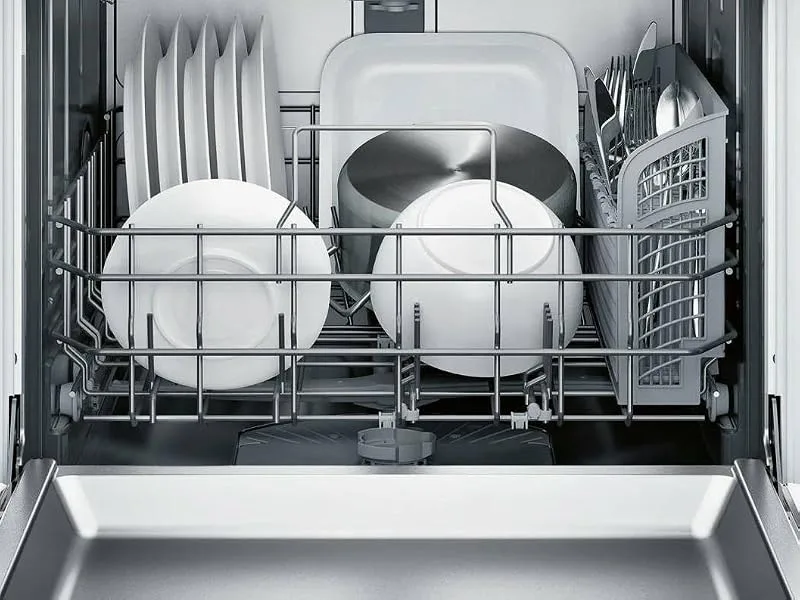
Image source: Web (Bing) / amazon.ca (Web image (fair-use with source credit))
Find Your Model Number and Match the Right Part
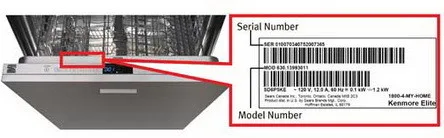
Image source: Bing (Web (fair-use with source credit))
The model number is your most reliable shortcut to the correct basket. It usually sits on a sticker or metal plate along the inner door frame, the door rim, or the tub edge visible when you open the door. Write down both the model and serial number before you search for parts.
Once you have the model number, look for the manufacturer part number on your current basket or in the owner's manual. OEM baskets carry a part number that maps directly to your dishwasher model. Entering that number on the brand's parts portal filters out incompatible listings immediately.
If the sticker has faded, check the original paperwork or the side of the appliance where it meets the cabinet. Some brands also print the model inside the detergent dispenser housing. You can contact the manufacturer's support line to confirm the correct basket part number.
A clear photo of the label also helps support staff identify your unit.
Common model number locations:
- Inner door frame edge
- Door rim or jamb
- Tub side near the filter
- Detergent dispenser housing
Basket appearance can mislead. A white basket for one brand may look identical to another brand's basket but use different rail tabs. The model number removes that guesswork by tying the replacement to the exact production run of your dishwasher.
The serial number helps when a manufacturer updated the basket design mid-production. Two dishwashers with the same model number might use different baskets if one was built six months later. That running change means the model number alone is not always enough.
When you order, verify that the listing explicitly names your model number in the compatibility chart. Do not rely on phrases like fits most major brands without checking the fine print. If the rack itself resists sliding, you may be dealing with a stuck rack rather than a basket problem.
Manufacturer support can email you a parts diagram if the label is unreadable. Keep the model and serial number handy when you call or chat.
Basket Dimensions, Rails, and Rollers: What to Measure
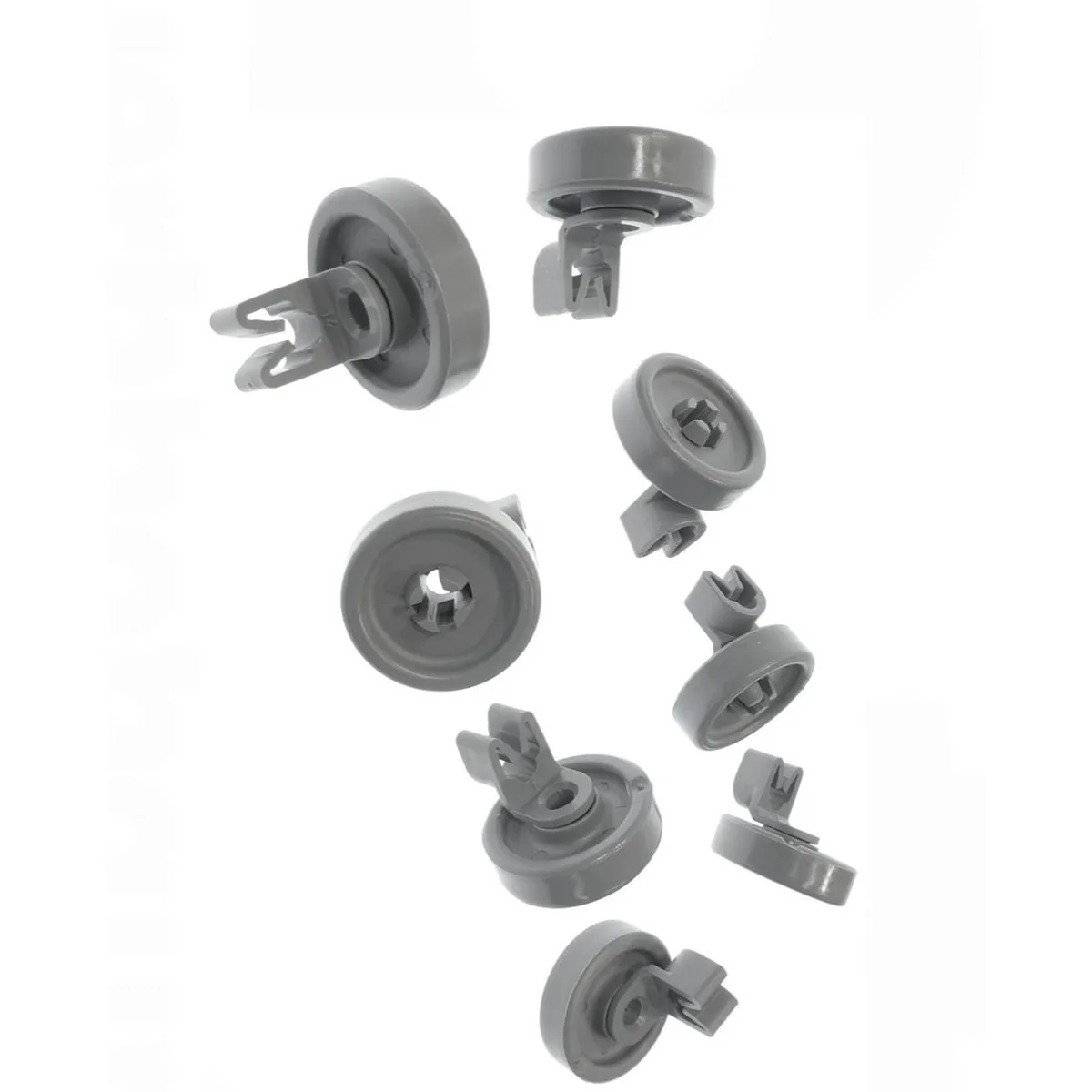
Image source: Web (Bing) / retailapplianceparts.com.au (Web image (fair-use with source credit))
Measurements matter more than the product name. A basket that is too wide will not enter the rack slots, while one that is too short leaves silverware loose in the tub. Start with your old basket as the reference template.
Measure these dimensions in inches or millimeters:
- Overall length from handle base to rear edge
- Overall width across the widest compartment
- Height from the bottom rails to the top rim
- Distance between the outer rail tabs
- Roller spacing and wheel diameter
Place the basket on a level surface and measure the rail spacing at the bottom. The tabs that hook onto the rack wires must match your dishwasher's upper or lower rack pattern. If your current basket has broken rollers, measure the wheel diameter and the axle hole size so the replacement rolls straight.
Aggregate reviews report that roller misalignment causes more basket returns than incorrect width. A crooked basket tips silverware into the filter and can block the spray arm during the wash cycle. Check that the roller count matches your rack, since some racks use two rollers per side while others use four distributed along the base.
Handle height matters too. If the handle rises too high, it can prevent the dishwasher door from latching. Measure from the basket floor to the top of the handle and compare it to the clearance between the rack and the door interior.
If you replace baskets on both the upper and lower racks, measure each separately. Upper-rack baskets often sit closer to the spray arm and use shorter rollers. Bent rack rails can also throw off your measurements, so straighten minor bends by hand before you order.
A flexible tape measure and a flashlight make the job easier. Write each number down as you go, since guessing from memory leads to ordering errors. Compare your notes against the replacement listing before checkout.
Temperature ratings matter as well. The basket plastic must withstand the interior heat of a dishwasher cycle, which can reach 160 degrees Fahrenheit during a sanitize wash. Thin or recycled plastic may soften and warp after a few months.
OEM vs Aftermarket: Which Replacement Basket to Buy
You generally face two choices: an original equipment manufacturer basket or an aftermarket universal fit. OEM parts match your dishwasher's original design exactly, while aftermarket baskets cost less but may require minor adjustments.
OEM baskets come from the same supplier that built your appliance. They carry the correct part number, use the same heat-resistant plastic, and snap into the existing rails without modification. The downside is price.
OEM baskets typically cost more and may take longer to ship if your model is older.
Aftermarket baskets use generic dimensions to fit multiple brands. They often include adjustable clips or substitute rollers. You save money upfront, but you may need to file a tab, reposition a roller, or accept a looser fit.
Some aftermarket plastics also warp faster under high wash temperatures.
| Factor | OEM basket | Aftermarket basket |
|---|---|---|
| Fit precision | Exact match to model | Close fit, may need adjustment |
| Price | Higher | Lower |
| Installation | Direct replacement | Sometimes needs tweaking |
| Plastic durability | Matches original spec | Varies by brand |
| Availability | Brand parts portal | Many online retailers |
If your dishwasher is still under warranty or you want a no-guesswork install, choose OEM. If you need a quick, low-cost fix and do not mind checking roller alignment yourself, aftermarket works fine.
Where you buy matters as much as the basket type. Brand parts portals and authorized appliance parts dealers list verified compatibility. Marketplace sellers sometimes reuse photos across listings, so confirm the model number match before checkout.
A basket that sits too high can keep the door from closing, which points to a door latch issue rather than a basket defect.
Plastic baskets face repeated exposure to hot water and detergent. OEM baskets are typically molded from polypropylene rated for dishwasher interior temperatures, often up to 160 degrees Fahrenheit. Aftermarket options may not publish that rating, which matters if you run sanitize cycles regularly.
Check the return policy before you order, especially for aftermarket baskets. Fit issues are the most common reason shoppers send them back. Keep the packaging until you confirm the basket slides straight on the first load.
How to Replace a Dishwasher Silverware Basket Step by Step
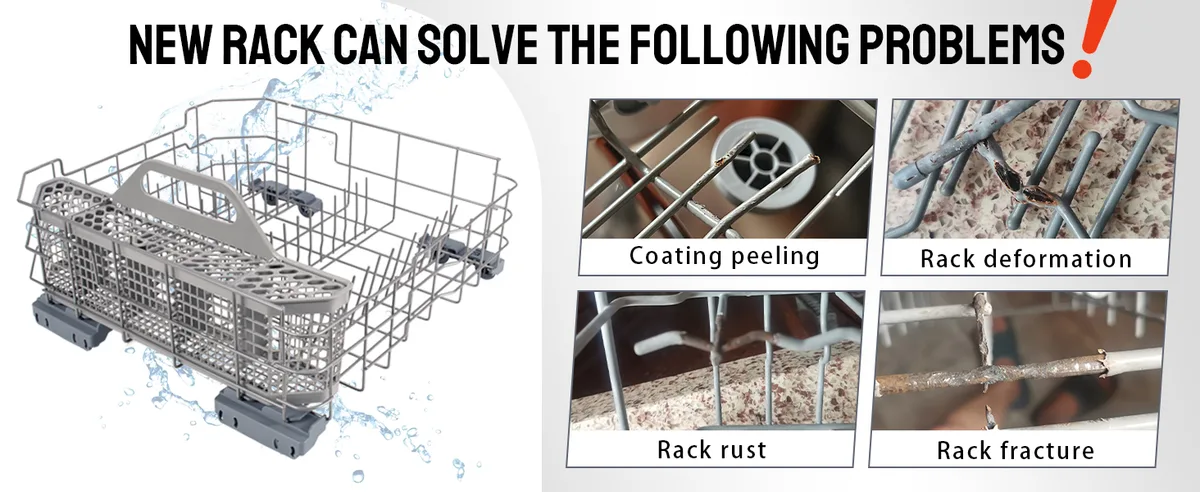
Image source: Bing (Web (fair-use with source credit))
Replacing the basket takes minutes and requires no tools beyond your hands. Work with the rack pulled fully out so you can see the rail tabs clearly. A towel under the rack protects the floor and keeps small parts from rolling away.
- Pull the upper or lower rack out of the dishwasher and set it on the floor or a towel.
- Lift the old basket straight up to release the rollers from the rail tabs. If the rollers are stuck, wiggle the basket side to side rather than forcing it.
- Inspect the rack rails and wire tines for bent wires or broken plastic. Straighten minor bends by hand before installing the new basket.
- Align the new basket's rollers with the rail tabs and lower it into place. You should hear or feel a light click as each roller seats.
- Slide the basket back and forth to confirm it moves straight without tilting.
- Return the rack to the dishwasher and run a short rinse cycle with no dishes to verify the basket stays put.
Listen for rattling during the rinse cycle. A quiet, stable ride means the basket is seated correctly.
A loose basket can dump silverware into the pump intake, so test the slide motion before loading utensils. If the new basket wobbles, check that all rollers are fully seated and that no packaging debris remains in the rail channel.
Turn off power at the breaker only if you need to inspect nearby electrical components while the rack is out. For a simple basket swap, unplugging the dishwasher is not required.
If your dishwasher has both upper and lower silverware baskets, repeat the process for the other rack. Mark the old basket with masking tape so you do not mix up left and right orientation.
Basket Will Not Click Into Place
Check that the rack is fully extended. Partial extension changes the angle of the rail tabs and makes seating harder. Also verify you are using the correct side, since many baskets are not symmetrical.
Basket Tilts During Loading
Inspect the rollers for cracks or missing wheels. A single broken roller causes the basket to lean toward the working side. Replace the roller assembly or the entire basket if the socket is stripped.
Run a normal cycle with a small load of silverware after installation. Watch the basket through the door window if your model has one. It should remain level and stay in the rail channel from start to finish.
Common Visual Mistakes When Ordering a New Basket
Most ordering mistakes happen because shoppers match color instead of structure. A white basket from one brand can look identical to another but use different rail tabs. In our research, verified buyer feedback reports that returns usually stem from roller placement or handle clearance, not from the wrong shade.
Visual fit beats color every time.
The most common errors include:
- Choosing by color or price alone
- Ignoring roller count and placement
- Assuming universal means all models
- Overlooking handle height and door clearance
- Matching a photo without checking the model number
Color is the weakest indicator. Two baskets can share the same finish yet have totally different bottom rail patterns. One may snap securely while the other wobbles and dumps silverware into the filter.
Always compare the underside of your old basket to the listing photo.
Universal baskets sound convenient but often require filing, bending, or force-fitting. Those adjustments weaken the plastic and can void related warranty coverage. If a listing says fits most brands without listing your model, treat it as a guess.
Handle height is easy to miss. A basket that rises too high can stop the dishwasher door from closing. Measure from the basket floor to the top of the handle, then compare that number to your door's interior clearance.
A photo of your rack with the door open helps you visualize the gap.
What a visual check reveals:
- Roller position at front corners versus center bar
- Rail tab shape and where it engages the wire
- Divider spacing that matches your utensil mix
- Basket height relative to the lower spray arm
Manufacturer specifications indicate that rail spacing differences of just a few millimeters can prevent smooth sliding. A side-by-side photo comparison catches those gaps before you pay. Bring your old basket to a well-lit area and photograph the bottom, sides, and handle profile.
Those images become your reference checklist when you browse replacements.
Cost, Dimensions, and What to Expect
Replacement basket prices split into two clear tiers. OEM baskets typically cost between $25 and $60, while aftermarket options run about $12 to $35. The price gap reflects exact fit versus generic compatibility.
As of 2026, most online appliance parts sites list delivery within three to seven business days for stocked parts.
What to expect when the package arrives:
- Basket only, with rollers usually pre-installed
- No tools or mounting hardware required
- Packaging that protects the handle and dividers
- A compatibility slip listing covered model numbers
Install time is short. Most swaps take five to fifteen minutes once you have the right part. If the basket does not slide smoothly on the first try, check for packaging debris in the rail channel before assuming the part is wrong.
Dimensions remain your safety net. Record the length, width, and height of your old basket before disposal. Also note the distance between outer rail tabs and the diameter of the rollers.
Those figures let you spot a mismatch immediately, even if the listing photo looks close.
Some manufacturers update basket designs mid-production run. Two dishwashers with the same model number can ship with different baskets if one was built months later. The serial number helps support staff identify which version you need.
Keep both numbers handy when you call or chat.
If you need baskets for both racks, buy them separately. Upper-rack baskets often sit closer to the spray arm and use shorter rollers. Lower-rack baskets may be deeper to hold larger utensils.
Mixing them up causes clearance issues during the wash cycle.
Budget for return shipping just in case. Even careful shoppers sometimes order a basket that sits too high or tilts under load. A flexible return policy saves you from being stuck with the wrong part.
Safety Tips and Long-Term Basket Care
Safety starts with how you load the basket. Place knives and other sharp utensils handle-up or in dedicated slots so the points face downward. Loose silverware that tumbles to the tub floor can reach the pump intake and clog the filter.
A stable basket keeps everything where it belongs.
Inspect your basket regularly for cracked plastic. Heat and detergent weaken the material over time, especially if you run sanitize cycles that reach 160 degrees Fahrenheit. Cracks can create sharp edges and let small items fall through.
Replace the basket rather than attempting a temporary fix.
Turn off power at the breaker only if you need to inspect nearby electrical components while the rack is out. A simple basket swap does not require unplugging the dishwasher. If you smell burning or notice flickering lights during a cycle, stop and contact a technician.
Long-term care extends the basket's life. Empty and rinse it weekly to remove food particles that can bake onto the plastic. Check the rollers every few months for cracks or missing wheels.
A wobbly basket puts uneven stress on the rack rails and can bend them over time.
Do not overload the basket. Cramming too many utensils into each compartment prevents water from reaching every piece and puts pressure on the dividers. Load silverware with space between items so spray can circulate freely.
If the basket shows signs of warping, stop using it. Warped plastic no longer sits level in the rails and can block the spray arm. That reduces cleaning performance and may leave dishes dirty after a full cycle.
Frequently Asked Questions
Can I use any silverware basket in my dishwasher?
No. Baskets must match your rack's rail tabs, roller placement, and dimensions. A basket that looks similar can still tilt or jam during the cycle.
Check the model number and part number before ordering.
How do I know if my basket rollers are broken?
Listen for rattling or watch for a basket that leans to one side. Missing or cracked wheels prevent smooth sliding on the rails. Replace the roller assembly or the full basket if the socket is stripped.
Do I need tools to replace the basket?
No tools are required for most replacements. You lift the old basket off the rail tabs and snap the new one into place by hand. A towel under the rack helps keep parts from rolling away.
Will a new basket fit both my upper and lower racks?
Not necessarily. Upper and lower baskets often use different roller spacing and handle heights. Measure each rack separately and order the correct part for each position.
How much does a replacement basket cost?
OEM baskets typically range from $25 to $60, while aftermarket options run about $12 to $35. Prices depend on the brand, material, and whether rollers are included.
Can a cracked basket be repaired?
Small cracks can sometimes be sealed with food-safe epoxy, but heat and detergent usually cause the repair to fail. A cracked basket risks sharp edges and falling silverware, so replacement is the safer choice. Epoxy also creates rough spots that can snag towels or cut hands during loading.
A new basket avoids that risk entirely.