
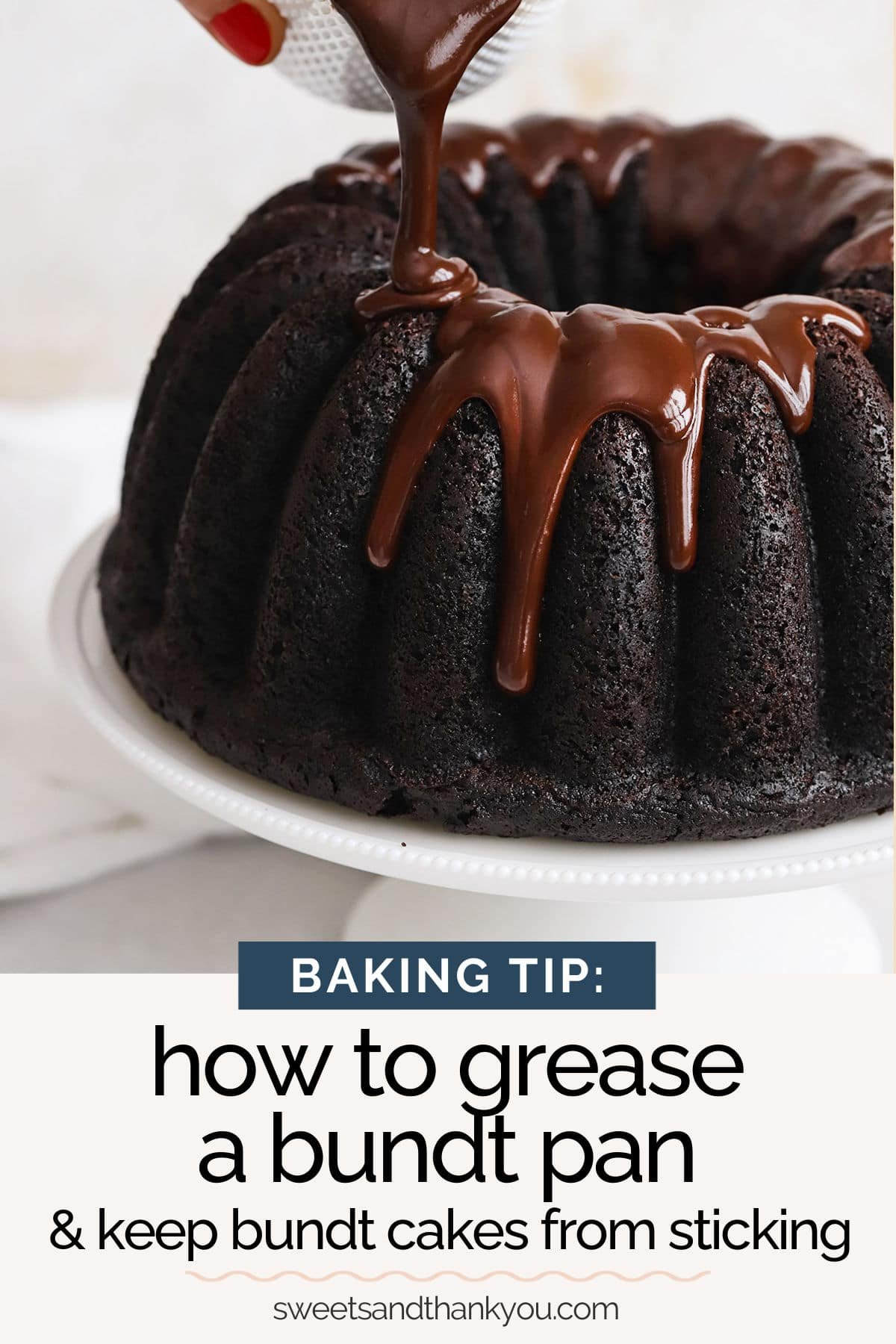
Have you ever baked a cake that refused to leave the bundt pan, despite your best efforts to coax it out? If so, you’re not alone.
Many home bakers face the frustrating challenge of a cake sticking to the pan, ruining what could have been a beautiful, Instagram-worthy dessert. But what if I told you there’s a simple trick to ensure your bundt cake slides out perfectly every time?
You’ll discover the best way to grease a bundt pan, a technique that promises to transform your baking results. Imagine the satisfaction of presenting a flawless cake at your next gathering. Ready to unlock this game-changing secret? Keep reading, and let’s get your cakes turning out just the way you’ve always imagined.
Credit: www.thekitchn.com
Choosing The Right Grease
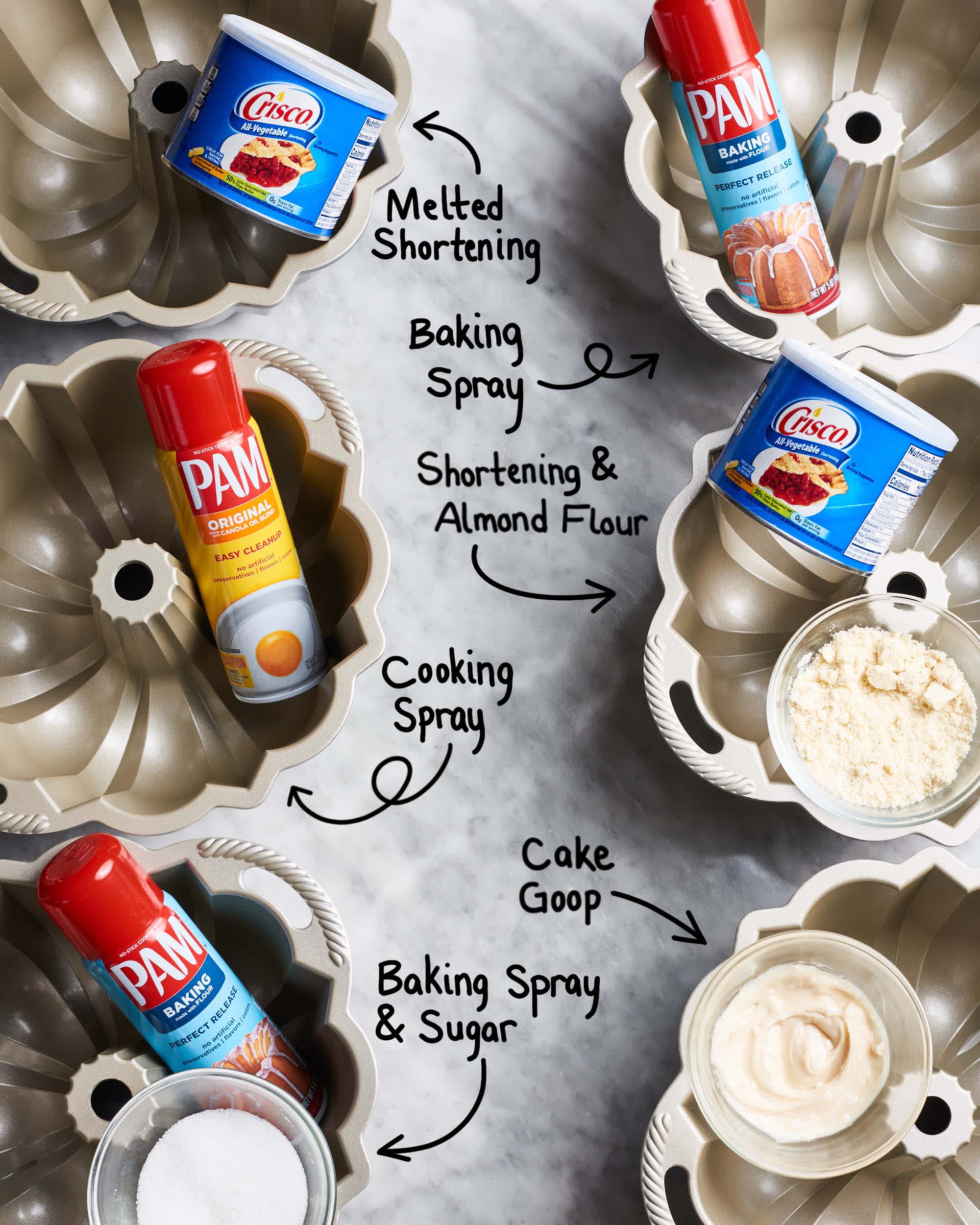
Greasing a Bundt pan properly ensures your cake releases without a hitch. Choosing the right grease is crucial for a smooth baking experience. Each grease type has its pros and cons. Let’s explore your options.
Butter Vs. Oil
Butter gives a rich flavor to baked goods. It creates a golden crust. But it can sometimes stick. Oil provides a smoother release. It coats the pan evenly. Yet, it lacks the buttery taste. Consider your recipe needs. Both options are popular among bakers.
Non-stick Sprays
Non-stick sprays are convenient. They offer quick application. These sprays distribute grease evenly. Ideal for intricate Bundt designs. They prevent sticking efficiently. But some sprays contain additives. Check the label for ingredients. Choose a spray that suits your health preferences.
Preparing The Pan
Preparing the Bundt pan properly ensures your cake releases smoothly. A well-greased pan prevents sticking, ensuring a beautiful cake design. Let’s explore the best way to grease a Bundt pan.
Cleaning And Drying
Start by cleaning the pan thoroughly. Use warm water and mild detergent. Remove any residue or crumbs from previous bakes. Rinse the pan well to ensure no soap remains. Dry the pan completely with a clean towel. Moisture can cause sticking.
Ensuring Even Coating
Use a pastry brush or paper towel for even grease distribution. Apply a generous layer of butter or oil. Cover every nook and cranny, especially around intricate designs. Avoid pooling grease in one area. It can affect the cake’s texture.
Application Techniques
Greasing a Bundt pan ensures your cake releases smoothly. Use a pastry brush to coat every crevice with melted butter or shortening, then dust with flour. This prevents sticking and guarantees a perfect cake shape.
Greasing a Bundt pan can be the difference between a flawless cake and one that stubbornly clings to the pan. The right application techniques ensure your cake releases effortlessly, maintaining its intricate design. Let’s explore some effective methods to grease your Bundt pan.Using A Brush
Using a brush is an excellent technique for greasing a Bundt pan. A pastry brush allows you to reach every nook and cranny, ensuring even coverage. Dip your brush into softened butter or oil, and gently paint the entire surface of the pan. Pay special attention to the crevices where cakes are most likely to stick. I once used this method for a birthday cake, and it released so perfectly that it looked like a professional bake. Have you tried using a brush before? It might just become your go-to technique.Applying With A Paper Towel
Another effective way to grease your Bundt pan is by using a paper towel. It’s simple and surprisingly efficient. Tear off a small piece of paper towel, and dip it into your choice of butter or oil. Use it to rub the grease evenly across the pan’s surface. This technique is great for those who prefer not to use a brush or when you’re in a hurry. A friend of mine swears by this method, claiming it’s quick and always works. Which technique do you prefer, and why? Maybe it’s time to experiment with both and see what suits your baking style best.Preventing Common Issues
Greasing a Bundt pan is an essential step to ensure your delicious cake comes out perfectly. However, there are common issues that can turn your baking experience into a sticky mess. Let’s look at some practical ways to prevent these problems and guarantee a flawless release every time.
Avoiding Sticking
Sticking is the nemesis of Bundt cakes, but it’s easily preventable with the right technique. Use a brush to evenly spread softened butter or shortening across the entire surface of the pan, paying extra attention to the intricate designs. Dust with flour, tapping out any excess, to create a non-stick barrier.
Have you ever had a cake stick despite using a non-stick spray? These sprays often leave gaps and don’t reach every nook and cranny. Instead, the old-fashioned butter-and-flour method ensures every inch is covered. Next time you bake, try this approach and see the difference.
Dealing With Residue
Residue can be a pesky problem, especially when it affects the aesthetics of your cake. After greasing, inspect your pan for any excess flour or butter pools. Wipe them gently with a paper towel before pouring in your batter.
Leftover residue often comes from uneven greasing or over-flouring. A little goes a long way, so apply in moderation. If you notice buildup after baking, soak your pan in warm water to loosen it before cleaning. This keeps your pan pristine and ready for your next baking adventure.
Does residue affect the flavor of your cake? Thankfully, no! But it might not look as appealing. By taking time to avoid residue, you ensure your Bundt cake is as visually stunning as it is delicious.
Have you faced these issues before? What methods have you tried to overcome them? Share your experiences in the comments below and let’s learn from each other to bake better cakes!
Testing The Pan
Ensuring your bundt pan is greased properly can make or break your bake. Testing the pan is crucial before pouring in your batter. It helps avoid sticking issues that can ruin your cake’s shape. This section guides you through the testing process for a perfectly greased bundt pan.
Visual Check
Start with a visual inspection. Look for shiny spots. These indicate areas covered with grease. Make sure every corner is covered. Check the center tube thoroughly. Look for any missed spots. Uneven greasing leads to sticking. Inspect closely to ensure complete coverage.
Trial Bake
Conduct a trial bake with a simple batter. This checks if the pan is greased well. Use a small amount of batter. Bake it for a short time. Observe if it releases easily. If it sticks, re-grease the pan. This step saves your final bake from disaster.

Credit: www.youtube.com
Cleaning After Use
Cleaning your Bundt pan after use ensures its longevity. Proper cleaning helps maintain the non-stick surface. This makes baking easier next time. A clean pan also keeps your cakes tasting fresh.
Removing Grease
First, let the Bundt pan cool completely. Warm pans can warp. Use a soft sponge and warm, soapy water. Gently scrub the pan’s surface. Focus on the grooves where grease hides. Avoid using abrasive pads. They can scratch the surface.
If grease persists, try baking soda. Sprinkle some inside the pan. Add a little water to create a paste. Scrub gently with a sponge. Rinse thoroughly with warm water. Ensure no residue remains. Dry with a soft towel to prevent water spots.
Maintaining Non-stick Surface
Never use metal utensils on the pan. They damage the non-stick coating. Use silicone or wooden tools instead. Store the pan in a dry place. This prevents rust and maintains the coating.
Occasionally, re-season the pan. Lightly coat with vegetable oil. Heat in the oven for 10 minutes at 350°F. Let it cool completely before storing. Regular maintenance keeps the pan performing well.

Credit: www.tiktok.com
Frequently Asked Questions
How Do You Grease A Bundt Pan Properly?
To grease a Bundt pan, use melted butter or shortening. Apply it with a pastry brush for even coverage. Ensure you reach all the crevices. After greasing, dust the pan with flour or sugar to prevent sticking. Shake out any excess for a smooth finish.
Can I Use Cooking Spray On Bundt Pans?
Yes, cooking spray is convenient for greasing Bundt pans. Use a non-stick spray with flour for best results. Ensure you cover all the pan’s grooves. This prevents sticking and helps achieve a perfect cake release.
Why Does My Bundt Cake Stick?
Bundt cakes may stick due to uneven greasing or missing flour. Ensure you thoroughly grease the pan, especially in the grooves. Dust with flour or sugar to create a barrier. This prevents sticking and ensures a smooth cake release.
Is Butter Or Oil Better For Greasing?
Butter and oil both work for greasing Bundt pans. Butter adds flavor but may burn. Oil provides a neutral taste and is less likely to burn. Choose based on your recipe and desired flavor profile.
Conclusion
Greasing a Bundt pan well is essential for perfect cakes. Use the right tools and ingredients. Butter and flour work wonders. Ensure even coverage on every nook. Silicone brushes help with corners. Don’t forget to tap out excess flour. A well-greased pan means easy cake release.
No more stuck cakes or broken pieces. Enjoy beautifully baked Bundt cakes every time. Practice makes perfect, so try different techniques. Soon, you’ll find what works best for you. Happy baking!
