
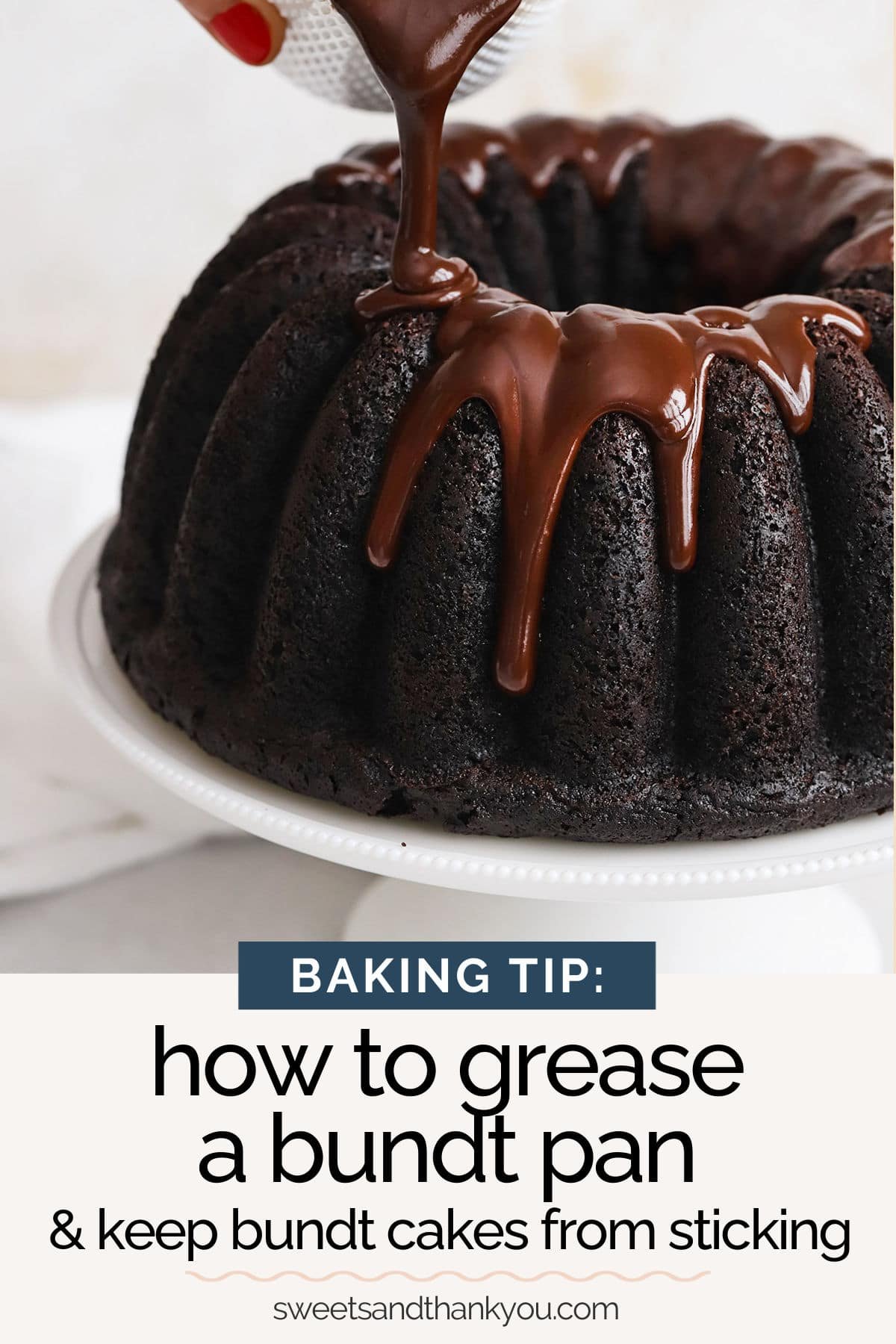
When you’re about to bake a Bundt cake, the last thing you want is for it to stick to the pan. Imagine the frustration of your beautifully crafted cake tearing apart, leaving half of it stuck to the pan.
But don’t worry! You can avoid this baking disaster with the right technique. Greasing a Bundt pan properly is an art that ensures your cake slides out effortlessly, every time. In this guide, you’ll discover the best way to grease a Bundt pan, so your cakes will look as good as they taste.
Stick with us, and you’ll learn a foolproof method that turns baking stress into baking success. Get ready to impress with flawless Bundt cakes that release perfectly every time.
Choosing The Right Grease
Choosing the right grease for your Bundt pan can make or break your baking experience. Imagine spending hours crafting the perfect cake, only to have it stubbornly stick to the pan, ruining its flawless shape. The key lies in selecting the appropriate grease that will ensure your cake slides out effortlessly, leaving you with a masterpiece to present. But which one should you choose?
Butter Vs. Oil
Butter is a classic choice for greasing Bundt pans. Its rich flavor adds a delightful touch to your cake. Using a soft butter stick, you can easily coat every nook and cranny of the pan. However, butter can sometimes lead to uneven coverage due to its thickness.
On the other hand, oil offers a more uniform application. Vegetable or canola oil spreads smoothly across the surface of the pan. This liquid option reduces the chances of your cake sticking. But, does it impart the same flavor as butter? Some bakers swear by oil for its reliability, while others stick to butter for its taste.
Non-stick Sprays
Non-stick sprays provide convenience and efficiency. With just a quick spritz, you can cover the entire pan in seconds. These sprays are formulated to prevent sticking, making them a popular choice among busy bakers.
Yet, have you ever considered the potential residue they leave behind? Some sprays can affect the final look and taste of your cake. It’s essential to find a spray that complements your baking style without compromising quality.
So, what’s your preference? Butter’s traditional charm, oil’s smooth application, or the quick fix of non-stick sprays? Each option has its merits. Choose the one that aligns with your baking goals and personal taste. Your choice could be the secret to achieving that perfect Bundt cake.

Credit: www.youtube.com
Tools For Greasing
When preparing to bake a Bundt cake, the last thing you want is for your beautifully crafted creation to stick to the pan. Proper greasing is the key to a flawless release, and the right tools can make all the difference. Whether you’re a seasoned baker or just starting, understanding the best tools for greasing can transform your baking experience.
Brushes And Sponges
One of the most effective tools for greasing a Bundt pan is a brush or sponge. Brushes allow you to reach into every nook and cranny, ensuring thorough coverage. Choose a silicone or nylon brush for best results. These materials are flexible and won’t shed bristles into your batter. You can easily dip them in melted butter or oil and glide them across the pan’s surface.
If you prefer using a sponge, opt for a soft, non-abrasive one. A sponge can be perfect for spreading shortening evenly. It conforms to the pan’s curves, ensuring that you cover every inch without missing a spot. Ever tried using a regular kitchen sponge? It works wonders, but make sure it’s clean and dry!
Pastry Bag Techniques
A pastry bag might not be the first tool that comes to mind for greasing, but it’s surprisingly effective. Fill your pastry bag with softened butter or oil. Use a small round tip to pipe the grease onto intricate patterns in the pan. This technique is particularly useful for pans with complex designs. It allows precision, making sure the grease is applied directly where needed.
Have you ever struggled with those tiny crevices in a Bundt pan? A pastry bag can help you get into those hard-to-reach areas effortlessly. Just squeeze gently and watch as the grease fills the spaces. This method can be a game-changer, especially if you’re aiming for a perfectly detailed cake.
Choosing the right tool can make greasing a Bundt pan both easy and efficient. What tool will you try next? Share your thoughts and experiences in the comments!
Steps To Perfect Greasing
Greasing a Bundt pan is essential for perfect cakes. A well-greased pan ensures your cake slides out smoothly, maintaining its beautiful shape. Follow these steps to achieve perfect greasing every time.
Coating The Pan Evenly
Start with soft butter or a non-stick spray. Use a pastry brush for spreading. This helps you reach every part of the pan. Move in a circular motion to cover the entire surface. Make sure the butter or spray isn’t clumpy. Clumps can cause uneven baking. Aim for a thin, even layer.
Ensuring Coverage In Crevices
Bundt pans have intricate designs. These crevices need extra attention. Use your brush to work butter into every nook. Rotate the pan as you brush. This gives you a better angle for coverage. Don’t miss the center tube. It’s often overlooked but important. A well-covered tube ensures an easy release.
Preventing Sticking Issues
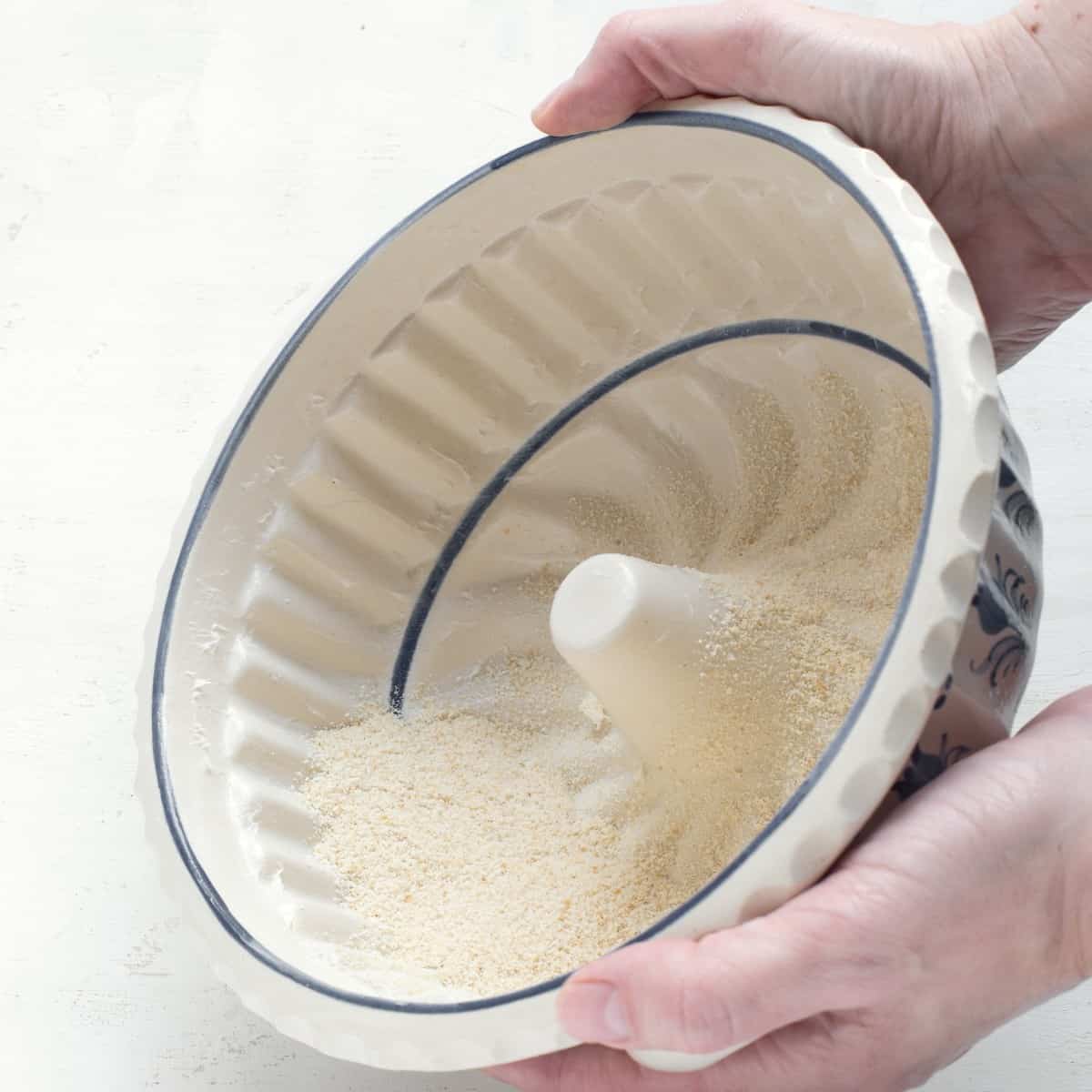
Greasing a Bundt pan properly prevents sticking issues. Use melted butter or oil, brushing every nook. Sprinkle flour lightly for extra assurance. This ensures perfect release and flawless cake presentation.
Preventing a Bundt cake from sticking to the pan can be a tricky task, but getting it right is incredibly satisfying. Imagine pulling your cake out of the oven, and it slides effortlessly from the pan, maintaining its beautiful shape. To achieve this baking bliss, you need to understand the right way to grease your Bundt pan. Let’s dive into some practical steps and insights that will ensure your cake comes out perfectly every time.Common Mistakes To Avoid
Many bakers make the mistake of simply spraying a non-stick spray and calling it a day. This often leads to uneven coverage and can cause parts of your cake to stick. Instead, use a pastry brush to apply a thin layer of softened butter, ensuring every crevice is covered. Avoid using melted butter, as it can pool in the grooves of the pan, leading to an inconsistent crust. Another frequent mistake is flouring the pan with too much or too little flour. After greasing, lightly dust the pan with flour, tapping out any excess. This step is crucial for creating a barrier between the batter and the pan, preventing sticking and ensuring easy release.Testing For Adequate Coverage
Wondering if you’ve covered your Bundt pan well enough? A simple test can give you peace of mind. After greasing and flouring, tilt the pan under a light. If you see any shiny spots, those areas need more attention. Go back with your butter and flour to cover those spots thoroughly. Feel free to use your finger to gently trace the contours of the pan, ensuring every nook is adequately coated. This hands-on approach can sometimes reveal missed areas that a brush might not have reached. If you’re using a spray, consider one that’s specifically designed for baking, which often includes flour in the mix. Even then, double-check by running your fingers over the surface to confirm consistent coverage. Do you have any Bundt pan horror stories or triumphs? Share in the comments below!Alternative Greasing Methods
Greasing a Bundt pan can sometimes be challenging. Traditional methods can be messy. Explore alternative greasing methods for smoother baking experiences. These methods ensure your Bundt cakes release perfectly. Read on to learn these effective techniques.
Using Parchment Paper
Parchment paper can help prevent sticking. Cut a circle to fit the pan’s base. Grease the pan lightly, then place the parchment inside. Grease over the parchment for extra assurance. This method works well for intricate designs. It helps cakes release cleanly and easily.
Silicone Bundt Pans
Silicone Bundt pans are non-stick by nature. They don’t require heavy greasing. A light coat of oil is enough. These pans are flexible, making cake removal easier. Silicone pans also heat evenly. They help achieve a perfect bake each time. They are a great alternative to traditional pans.
Credit: www.cooklikeczechs.com
Cleaning And Maintenance
Greasing a Bundt pan can prevent sticking and ensure a perfect cake. Use melted butter or shortening for best results. Coat every nook and cranny with a brush or fingers, then dust with flour.
Cleaning and maintaining your Bundt pan ensures that every cake you bake comes out perfectly every time. After all, no one enjoys a cake that sticks or has uneven textures because of improper care. A well-maintained Bundt pan not only enhances your baking experience but also extends the lifespan of your pan. So, how do you keep that pan in tip-top shape? Let’s dive into some easy and practical tips.Removing Residual Grease
After a delightful baking session, you might notice some leftover grease clinging to your Bundt pan. This isn’t just unsightly—it can affect your next bake. Begin by washing the pan with warm, soapy water using a soft sponge. Avoid abrasive scrubbers as they can scratch and damage the pan’s surface. For stubborn grease, a mixture of baking soda and vinegar can work wonders. Apply it, let it fizz, and then gently scrub away the residue. It’s a simple solution that keeps your pan spotless without harsh chemicals.Storing The Bundt Pan
Storing your Bundt pan correctly is just as crucial as cleaning it. Consider where you keep it. Is it a dry, cool place? Moisture can lead to rust, especially on metal pans. Always ensure the pan is completely dry before storing it. Stacking can lead to scratches and dents, so if you must stack, place a soft cloth or paper towel between pans. Think about how you can make reaching for your Bundt pan as convenient as possible. If it’s buried deep in a cupboard, you might be less inclined to use it frequently. Regular cleaning and smart storage can make all the difference. Have you ever faced a sticky cake disaster? Share your experiences and how you overcame them. With a little care, your Bundt pan will be a trusty kitchen companion for years to come.
Credit: www.tiktok.com
Frequently Asked Questions
How Do I Grease A Bundt Pan Effectively?
To grease a Bundt pan effectively, use melted butter with a brush. Ensure every nook and cranny is covered. After applying butter, sprinkle flour to prevent sticking. Shake off excess flour, ensuring even coverage. This method helps achieve a perfect cake release without sticking issues.
Can I Use Non-stick Spray For Bundt Pans?
Yes, non-stick spray is a convenient option for greasing Bundt pans. Choose a spray with flour for better results. Coat the pan evenly, focusing on intricate designs. However, traditional methods with butter and flour may yield better results for intricate Bundt pan designs.
What Is The Best Flour For Greasing Bundt Pans?
Use all-purpose flour for greasing Bundt pans effectively. It provides even coverage and prevents sticking. After applying butter, sprinkle flour lightly and shake off excess. This creates a non-stick barrier, ensuring smooth cake release without leaving residue on the pan.
Why Is My Bundt Cake Sticking?
Bundt cakes often stick due to inadequate greasing or insufficient flour coverage. Ensure the pan is thoroughly greased with butter and lightly floured. Focus on covering intricate designs. Using the right method prevents sticking, ensuring your cake releases perfectly every time.
Conclusion
Mastering the art of greasing a Bundt pan ensures perfect cakes. Using butter or oil with flour prevents sticking. Silicone brush helps spread evenly. Remember to reach all the nooks and crannies. It makes a big difference. Proper greasing reduces the risk of cake damage.
Your cakes will slide out easily. Cleaning becomes a breeze too. Testing these tips improves your baking results. Enjoy more success with your Bundt cakes. Share your delicious creations with family and friends. Happy baking and savor every bite of your perfectly baked Bundt cake!
