
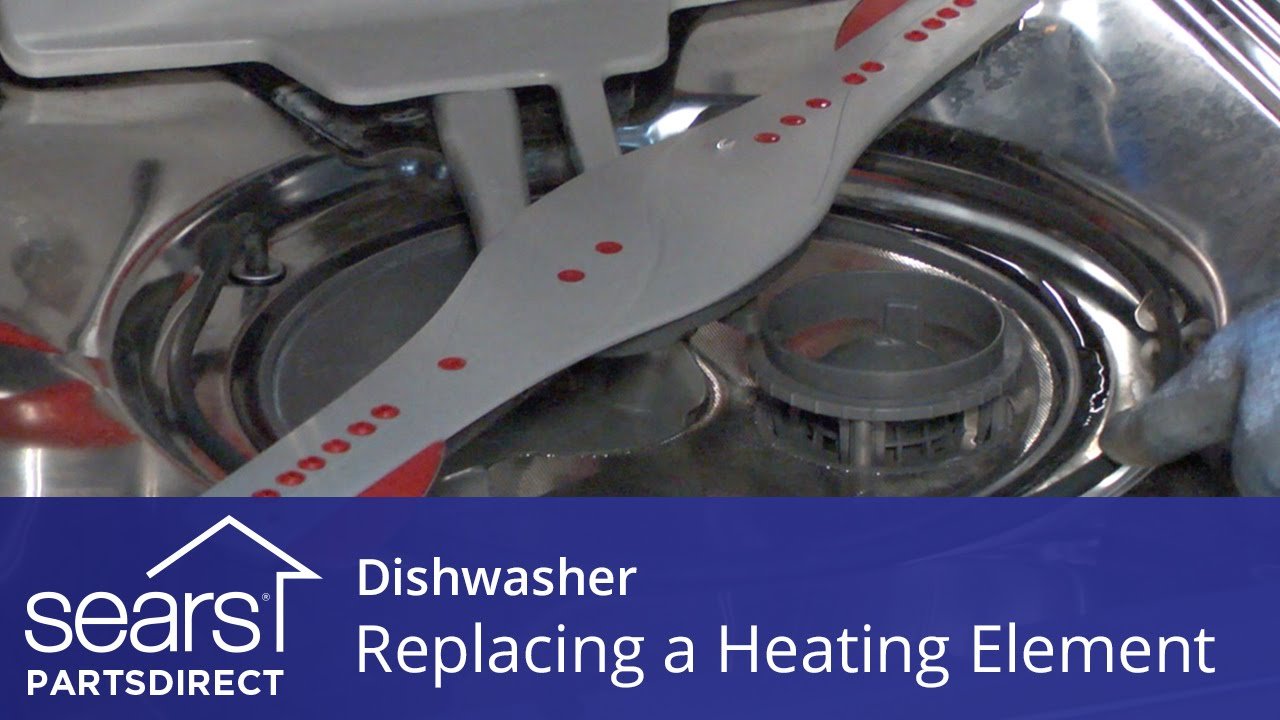
Does your dishwasher leave your dishes cold and unclean? A faulty heating element might be the culprit.
Luckily, you don’t need to be a tech wizard to fix it. Imagine saving money on costly repairs and extending the life of your appliance with just a simple DIY project. In this guide, we’ll walk you through the steps to change your dishwasher’s heating element, ensuring your dishes come out spotless every time.
With easy-to-follow instructions and minimal tools required, you’ll have your dishwasher back to optimal performance in no time. Ready to tackle this small yet impactful home improvement task? Let’s get started!
Tools And Materials Needed
Changing a dishwasher’s heating element requires specific tools and materials. Having the right supplies ensures a smooth replacement process. Gathering these items beforehand saves time and prevents frustration. Let’s explore what you’ll need.
Tools Required
Ensure you have a screwdriver, both flathead and Phillips. These will help remove screws from the dishwasher. You’ll also need needle-nose pliers. They aid in disconnecting wires safely. A multimeter is essential too. It helps check the heating element’s functionality.
Materials Needed
First, get a new heating element compatible with your dishwasher. Check the model number for accuracy. You’ll also need a towel or sponge. This will clean up any water spills. Finally, keep some wire nuts handy. They connect wires securely, ensuring safety.
Safety Precautions
Changing a dishwasher heating element requires careful attention to safety. The process involves handling electrical components, which can pose risks. Ensure you follow safety precautions to prevent accidents or damage.
Check The Power Supply
Disconnect the dishwasher from the power source. This step is crucial to avoid electric shocks. Use a voltage tester to confirm there is no power running through the dishwasher.
Wear Protective Gear
Put on gloves to protect your hands from sharp edges. Safety goggles are important to shield your eyes from debris. A mask can help in avoiding dust inhalation.
Keep The Area Dry
Ensure the work area is dry before starting. Water near electrical components can be dangerous. Use a towel to wipe any damp surfaces around the dishwasher.
Use The Right Tools
Gather tools suitable for the job. Using incorrect tools can lead to damage. Ensure screwdrivers, pliers, and wrenches are within reach.
Follow Manufacturer Instructions
Consult the dishwasher manual for guidance. Each dishwasher model may have specific requirements. Adhering to these instructions ensures safe and effective replacement.
Locating The Heating Element
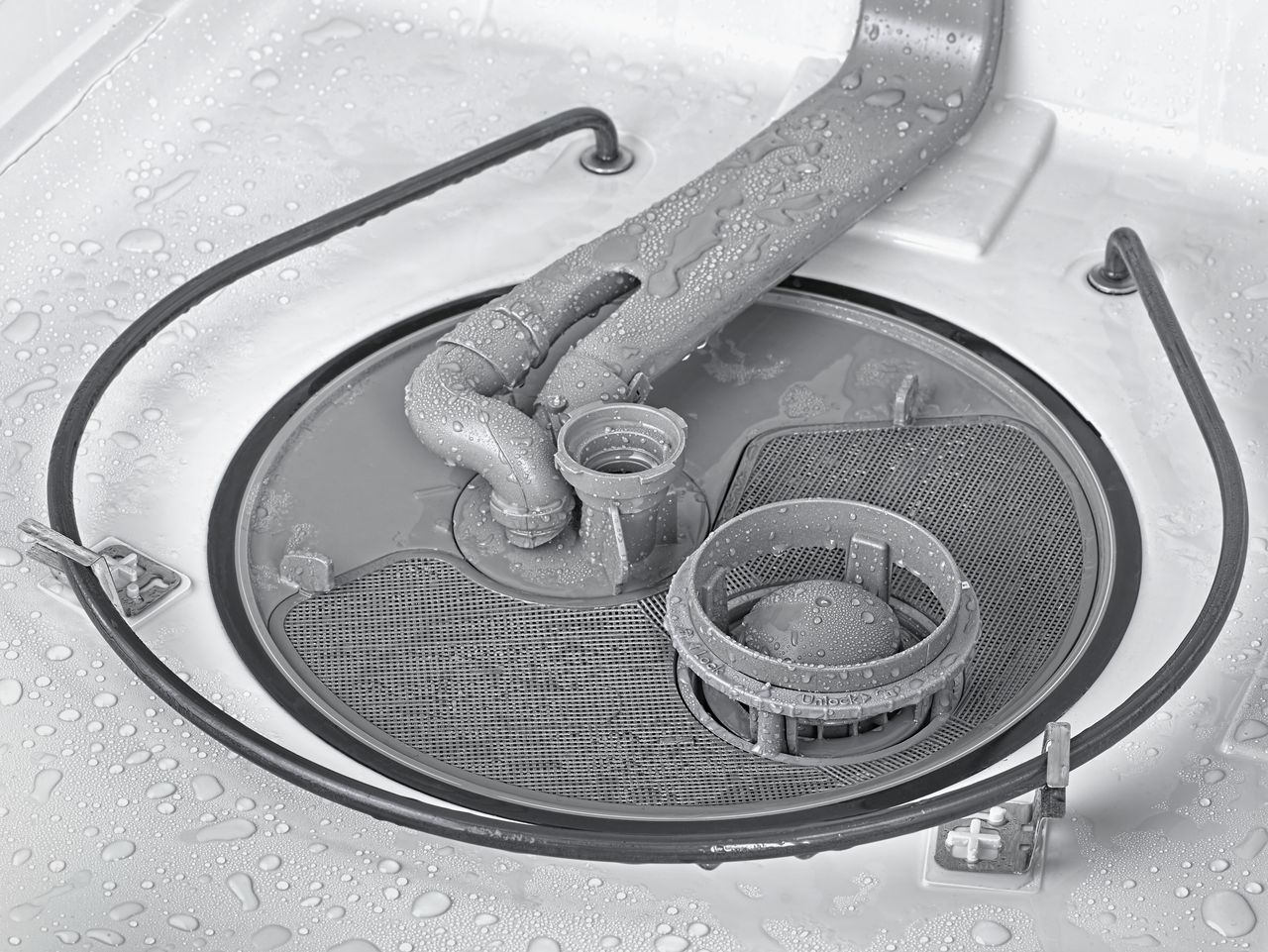
Finding the dishwasher’s heating element is crucial. Typically located at the bottom, it resembles a metal coil. Ensure the appliance is unplugged before accessing the element for safety.
Locating the heating element in your dishwasher may seem like a daunting task, but with a little guidance, it becomes straightforward. Knowing where to find this crucial component is the first step in replacing it, ensuring your dishwasher returns to optimal performance. Whether you’re an experienced DIY enthusiast or just starting, understanding the layout of your appliance is essential.Understanding The Dishwasher Layout
Before you begin, familiarize yourself with the general layout of your dishwasher. Most dishwashers have a heating element located at the bottom. It’s typically a thick, metal rod that loops around the basin. Once you open the dishwasher door, look for this element. It might be partially hidden beneath the lower dish rack, so don’t hesitate to remove the rack for a better view.Consulting The User Manual
Don’t underestimate the power of your dishwasher’s user manual. It contains specific diagrams and instructions that are invaluable. If you’ve misplaced yours, search online using your dishwasher model number. Many manufacturers provide digital copies on their websites.Removing The Lower Dish Rack
To locate the heating element, you’ll often need to remove the lower dish rack. This is usually a simple task. Pull the rack out until it stops, and lift it slightly to free it from the tracks. This will give you a clear view of the bottom of the dishwasher and the heating element.Identifying The Heating Element
Once the lower rack is removed, the heating element should be visible. It’s a thick, metallic rod, usually silver or black. It loops around the bottom of the dishwasher. Take note of its shape and position, as this will be important when you install the new one. Safety is paramount when working with electrical appliances. Always ensure that the dishwasher is unplugged before you begin any repairs. If it’s hardwired into your electrical system, switch off the circuit breaker. Wearing rubber gloves can add an extra layer of protection.Assessing Accessibility
Consider how easily you can reach the heating element. Some dishwashers have it secured with clips or screws. Others might have it integrated into the base. If it’s difficult to access, you might need to tilt the dishwasher or remove some panels. Ensure you have adequate lighting to avoid straining your eyes.Personal Experience Insight
I remember the first time I had to replace a dishwasher heating element. I was apprehensive, but taking each step slowly made a world of difference. I realized that, like any task, breaking it down into manageable steps made it less overwhelming. Have you ever tackled a home repair project that seemed daunting at first, but became easier as you went along? Locating the heating element is a pivotal step in maintaining your dishwasher. Now that you know how to find it, you’re well on your way to ensuring your appliance runs efficiently. Ready to roll up your sleeves and dive into the next step?
Credit: www.youtube.com
Removing The Old Heating Element
Gently detach the old heating element from the dishwasher base. Ensure all electrical connections are safely disconnected. Carefully remove any screws or fasteners holding it in place.
Replacing a dishwasher’s heating element might sound like a daunting task, but with the right guidance, it becomes a manageable DIY project. The first step in this journey is removing the old heating element. This process involves careful attention to detail and a few essential steps to ensure safety and success. You’ll discover that even tasks that seem complex can be achieved with patience and the right approach.Disconnecting Power And Water
Before you dive into any repair work, safety must come first. Make sure to disconnect the power to the dishwasher by unplugging it or turning off the circuit breaker. This prevents any accidental electrical shocks while you work. Next, turn off the water supply to the dishwasher. Locate the water valve, typically under the sink, and ensure it’s fully turned off. This simple step will prevent any unexpected leaks while you’re accessing the dishwasher’s internals.Accessing The Element
Once the power and water are safely disconnected, it’s time to access the heating element. Start by removing the lower dish rack to give yourself some space. Look at the bottom of the dishwasher for the metal prongs of the heating element. To reach the element, you may need to unscrew the panel located at the bottom of the dishwasher. Use a screwdriver to gently remove any screws securing the panel. Keep track of these screws as you will need them for reassembly. Have you ever thought about how many components lie hidden beneath the surface of your everyday appliances? As you peel back the layers, you might realize how interconnected each part is. Understanding this can be a great motivator to tackle repairs you once thought were beyond your skill set. Remember, taking your time and following these steps can make the task feel less overwhelming. How do you feel about tackling appliance repairs yourself? It might be easier than you think once you get started!Installing The New Heating Element
Replacing a dishwasher heating element requires careful installation. The process ensures your appliance heats effectively. Follow these steps for a seamless installation.
Positioning The Element
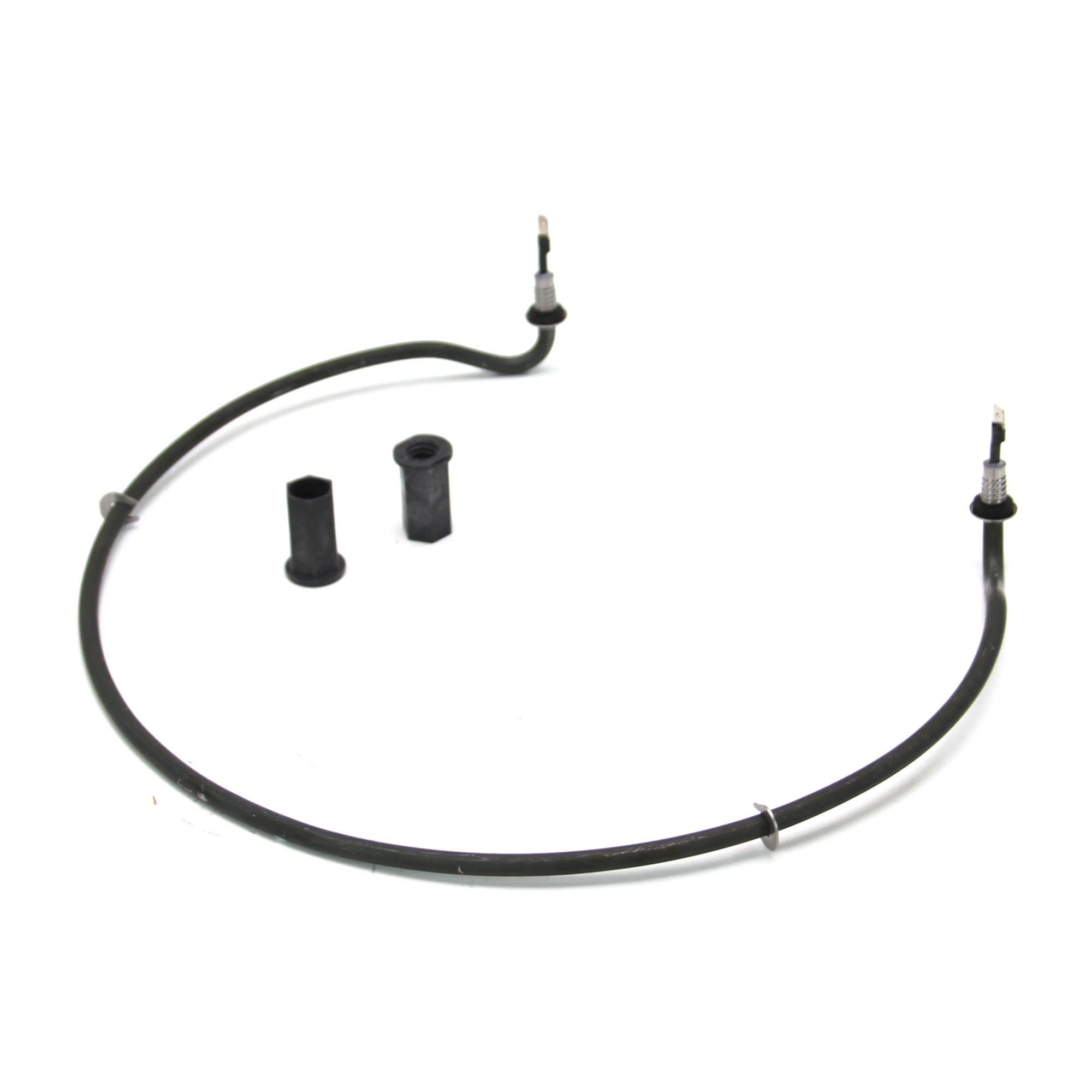
Place the new heating element correctly. Slide it into the designated slots. Ensure it aligns with the previous element’s position. This guarantees proper functioning.
Check that the element does not touch other parts. This prevents damage and ensures efficiency. Proper positioning is crucial for even heating.
Securing The Element
Use the screws or clips provided to secure the element. Tighten them firmly but avoid over-tightening. This keeps the element stable during operation.
Ensure the element is fixed securely. Loose elements can cause heating issues. Double-check the connections for safety and reliability.
Credit: www.searspartsdirect.com
Reconnecting Power And Water
Changing a dishwasher’s heating element involves careful steps. Begin by disconnecting power and water. This ensures safety while working. Then, locate the element at the bottom. Remove old parts and install the new one securely. Finally, reconnect power and water to test the dishwasher.
Reconnecting power and water to your dishwasher might seem daunting, but with a methodical approach, it becomes manageable. This step is crucial for ensuring your appliance functions smoothly after changing the heating element. A successful reconnection not only safeguards your machine but also ensures optimal performance.Ensure Safety First
Before you reconnect anything, double-check that the power is still off. Safety cannot be overstated—electricity and water are a risky combination. Confirm that the circuit breaker is off and the dishwasher is unplugged.Reconnect The Water Supply
Locate the water supply valve under your sink. Turn it counterclockwise to open the water line. Listen for any water flow; if it’s silent, there may be a blockage to address.Check For Leaks
After turning on the water, inspect all connections for leaks. Use a paper towel or your fingers to feel around the hose connections. If you find any moisture, tighten the connections slightly to stop the leak.Reconnect The Power
Plug the dishwasher back into the outlet. Go to the circuit breaker and switch on the power. Listen for any unusual sounds from the dishwasher, which may indicate improper installation.Run A Test Cycle
Start a short wash cycle to ensure everything works correctly. Pay attention to how the dishwasher sounds and whether it heats the water properly. This step confirms that the heating element change was successful.Final Adjustments
If you notice issues during the test cycle, don’t panic. Check the connections again to ensure they are secure and correct any problems. Sometimes, a small adjustment can make a big difference in performance. Reconnecting power and water requires attention to detail. Have you ever experienced a moment of doubt, wondering if you reconnected everything correctly? Those moments teach us the value of patience and double-checking.Testing The Dishwasher
Before replacing the heating element, test the dishwasher to confirm issues. This step saves time and ensures accurate diagnosis. Testing the dishwasher involves checking several components and observing its operation. Let’s explore how to effectively test your dishwasher.
Check For Power Supply
Ensure the dishwasher is connected to a power source. Inspect the plug and outlet for any damage. A tripped circuit breaker can also cause power issues. Reset the breaker if needed.
Run A Short Cycle
Run a short cycle to observe any unusual behavior. Listen for strange noises or irregular water flow. Check if the water heats up during the cycle. This helps identify if the heating element is failing.
Inspect The Control Panel
Examine the control panel for error codes or lights. These indicators can provide clues about the problem. Refer to your user manual for specific code meanings.
Test With A Multimeter
Use a multimeter to test the heating element’s resistance. Disconnect power before testing. Set the multimeter to the resistance setting. A reading of zero indicates a broken element.
Observe Water Temperature
Check the water temperature during the wash cycle. It should be hot to the touch. Cold water may indicate a heating issue. This confirms if the element needs replacement.
Credit: twincitiesappliance.com
Troubleshooting Tips
Changing a dishwasher heating element might seem daunting. But with the right troubleshooting tips, the process becomes straightforward. Understanding common issues helps in tackling problems effectively, ensuring your dishwasher functions smoothly.
Common Signs Of A Faulty Heating Element
Dishwasher not heating? Dishes are cold after a cycle? These signs indicate a problem with the heating element. Spotting these early can save time and effort.
Checking For Physical Damage
Inspect the heating element for visible damage. Look for cracks or breaks. A damaged element won’t heat properly. Replace it to restore function.
Testing With A Multimeter
Use a multimeter to test the element’s continuity. No continuity suggests a broken element. Replace it to ensure efficient heating.
Ensuring Secure Connections
Loose connections can cause heating issues. Check wires and connectors for secure attachment. Tighten any loose connections.
Reviewing The Dishwasher’s Manual
Consult the dishwasher’s manual for specific troubleshooting steps. Manuals offer detailed guidance tailored to your model. Follow these instructions for accurate repairs.
Maintenance Tips For Longevity
Proper maintenance of your dishwasher extends its lifespan. It also ensures efficient performance. Regular care prevents issues like a malfunctioning heating element. Follow these tips for maintaining your dishwasher.
Inspect The Heating Element Regularly
Check the heating element for any signs of damage. Look for cracks, burns, or any irregularities. Addressing minor issues early can prevent bigger problems. A simple visual check can save you time and money.
Clean The Dishwasher Thoroughly
Residue and debris can affect the heating element. Clean the dishwasher’s interior monthly. Use vinegar or a dishwasher cleaner. This removes buildup and enhances performance. Pay attention to hard-to-reach spots.
Avoid Overloading The Dishwasher
Overloading puts stress on the dishwasher. It can impact the heating element’s function. Load dishes properly to ensure even cleaning. This helps maintain consistent water temperature.
Use The Right Detergent
Choose a detergent suitable for your dishwasher. Some detergents can cause damage over time. Follow the manufacturer’s recommendations. This ensures effective cleaning and protects the appliance.
Check Water Temperature
Ensure the water entering the dishwasher is hot enough. Optimal water temperature is crucial for cleaning. It also reduces strain on the heating element. Adjust your water heater if necessary.
Run Hot Water Before Starting The Cycle
Run hot water in the sink before starting the dishwasher. This ensures the initial water is hot enough. It helps the heating element work less hard. This simple step can improve efficiency.
Schedule Professional Maintenance
Consider professional maintenance every year. A technician can inspect and clean hard-to-reach parts. This includes the heating element and other components. Regular check-ups can prolong your dishwasher’s life.
Frequently Asked Questions
Is It Worth Replacing The Heating Element In A Dishwasher?
Replacing the heating element can be cost-effective, especially if it’s cheaper than a new dishwasher. Ensure the element is the issue. A functioning heating element improves cleaning efficiency and drying performance, offering energy savings. Consider professional diagnosis and repair for optimal results.
Can You Replace A Dishwasher Heating Element Yourself?
Yes, you can replace a dishwasher heating element yourself. Ensure you disconnect power and water first. Follow the manufacturer’s instructions carefully. Use necessary tools and safety precautions. If unsure, consult a professional to avoid damage or injury.
How Do I Know If The Heating Element In My Dishwasher Is Bad?
Check for cold water and unclean dishes after a cycle. Listen for unusual noises or inspect for visible damage. Use a multimeter to test the heating element’s continuity. A lack of continuity indicates a faulty heating element. Replace it if necessary to ensure optimal dishwasher performance.
How Expensive Is It To Replace A Heating Element In A Dishwasher?
Replacing a dishwasher heating element costs between $100 to $250. Labor and parts affect the total price. Ensure professional installation for optimal performance and safety. Prices vary based on model and location. Always compare quotes from different service providers to get the best deal.
Conclusion
Changing a dishwasher heating element can seem daunting. But it’s manageable with proper guidance. Always ensure safety by unplugging the appliance first. Gather all necessary tools before starting. Follow each step carefully to avoid errors. This task saves money and extends your dishwasher’s life.
Doing it yourself can feel rewarding and builds confidence. Remember, patience is key. Take your time and double-check your work. If unsure, seek professional help. Your dishwasher will work efficiently once the heating element is replaced. Enjoy clean dishes without worry! Keep learning and improving your home repair skills.
