
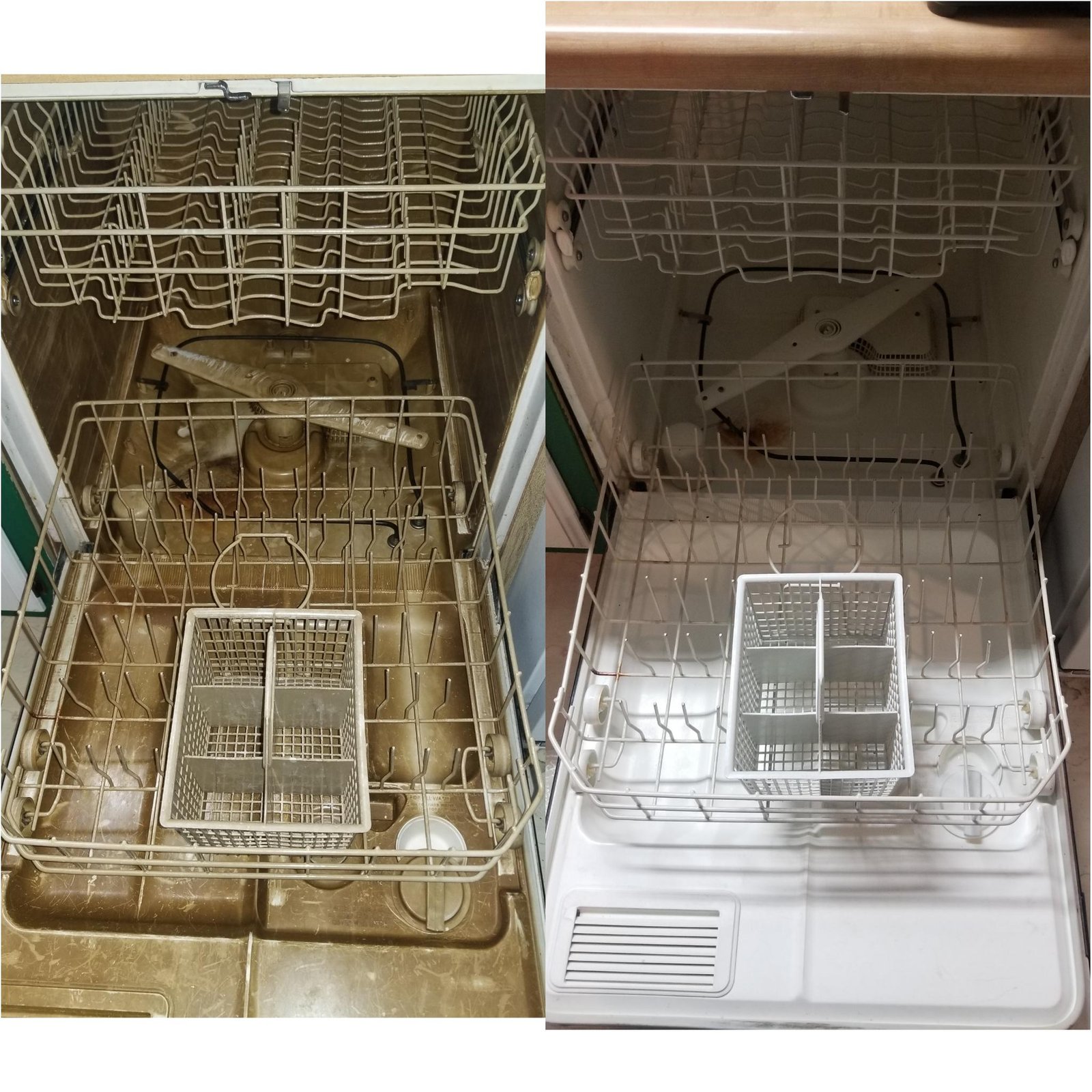
Is your dishwasher leaving spots and white residue on your dishes, making them look less than sparkling? Hard water might be the culprit behind those stubborn stains.
Over time, minerals like calcium and magnesium build up, not just on your dishes but also inside your dishwasher. This can lead to inefficient cleaning and even damage your machine. But don’t worry, you’re not alone in this battle against hard water.
In this guide, we’ll show you exactly how to clean a hard water dishwasher, ensuring your dishes come out spotless and your appliance stays in peak condition. Stick around, and you’ll discover simple, effective methods to tackle this issue head-on, saving you time, money, and frustration. Ready to transform your dishwasher’s performance and enjoy gleaming dishes once again? Let’s dive in!

Credit: rehabitathome.com
Identifying Hard Water Issues
Hard water can be a hidden issue in your kitchen. It affects the performance of your dishwasher and leaves unsightly marks on dishes. Knowing the signs of hard water is crucial. It helps you tackle the problem effectively.
Identifying White Spots On Dishes
White spots are a clear sign of hard water issues. These spots are mineral deposits. They form when water evaporates during the drying cycle. This residue can be stubborn and unappealing. Regular cleaning can prevent these marks from forming.
Checking For Dishwasher Buildup
Mineral buildup inside the dishwasher is another indicator. Hard water deposits can accumulate over time. They affect the efficiency of the appliance. Look inside the dishwasher for chalky buildup. If found, it’s time for a thorough cleaning.
Observing Reduced Cleaning Performance
Hard water can reduce cleaning effectiveness. Dishes may not come out sparkling clean. Detergent struggles to dissolve in hard water. This makes it harder to remove food particles. If dishes are not as clean as before, hard water could be the culprit.
Examining Dishwasher Parts
Inspect the spray arms and filters. Hard water can clog these parts. Clogs reduce water flow and pressure. This affects the dishwasher’s ability to clean. Regular maintenance can help keep these parts clear.
Testing Water Hardness
Use a water hardness test kit. It provides a precise measure of mineral content. High levels indicate hard water. Testing can guide your cleaning strategy. Understanding the hardness level helps in finding solutions.
Essential Cleaning Supplies
Cleaning hard water deposits from your dishwasher requires the right tools. Using the correct cleaning supplies ensures a sparkling clean machine. Essential cleaning supplies help you tackle stubborn mineral deposits. Let’s explore what you need to clean your dishwasher effectively.
White Vinegar
White vinegar is a powerful natural cleaner. It helps dissolve hard water deposits. Use it to run a cleaning cycle. Pour a cup into the bottom of the dishwasher. Let it work its magic.
Baking Soda
Baking soda is a versatile cleaning agent. It helps scrub away grime. Sprinkle a cup on the dishwasher floor. Run a hot water cycle. It will refresh and deodorize the machine.
Lemon Juice
Lemon juice is a natural acid. It breaks down hard water stains. Pour some into a dishwasher-safe cup. Place it on the top rack. Run a hot water cycle. Your dishwasher will smell fresh.
Dishwasher Cleaner Tablets
These tablets are designed for deep cleaning. They target mineral buildup. Place one in the detergent compartment. Run a full cycle. Follow the package instructions for best results.
Soft Brush Or Cloth
A soft brush or cloth is essential. It helps scrub away stubborn deposits. Use it to clean the door and seals. Gently scrub to avoid scratches. Ensure all parts are residue-free.
Gloves And Sponge
Gloves protect your hands from harsh cleaners. A sponge helps with scrubbing. Use them for manual cleaning. Focus on tough spots and corners. Rinse thoroughly after cleaning.
Preparing Your Dishwasher
Cleaning a dishwasher affected by hard water involves using vinegar and baking soda. These ingredients help remove mineral buildup. Run an empty cycle with a cup of vinegar, then sprinkle baking soda and run another cycle. This process ensures effective cleaning and maintains your dishwasher’s efficiency.
Cleaning hard water residue from your dishwasher might seem daunting, but it doesn’t have to be. Before you dive into scrubbing and rinsing, it’s crucial to prepare your dishwasher properly. This step ensures you tackle the hard water stains effectively and prolong the life of your appliance. The preparation phase sets the stage for successful cleaning, leaving you with a sparkling dishwasher ready to tackle any load.
Remove All Dishes And Utensils
Start by clearing out everything from your dishwasher. Take out all plates, glasses, and cutlery. This allows you to access every nook and cranny, ensuring no spot is left untouched. You’ll want an empty canvas to work on, free from obstacles.
Inspect The Dishwasher For Residue
Once empty, give your dishwasher a thorough once-over. Look for white, chalky stains or mineral build-up. These are common indicators of hard water deposits. Pay special attention to the walls, racks, and the door. Identifying these trouble spots will help you focus your cleaning efforts.
Check The Drain
Investigate the drain at the bottom of your dishwasher. Food particles and grime can accumulate here, affecting your dishwasher’s performance. If you notice any debris, remove it manually. A clear drain ensures water can flow freely, optimizing the cleaning process.
Examine The Spray Arms
Don’t overlook the spray arms. These are essential for distributing water during cycles. Check the holes for clogs caused by hard water deposits or food particles. Use a toothpick or a small brush to clear any blockages. Functioning spray arms guarantee efficient cleaning and rinsing.
Gather Cleaning Supplies
Finally, assemble your cleaning arsenal. You’ll need white vinegar, baking soda, and a soft cloth or sponge. These everyday items are perfect for dissolving hard water stains. Having everything ready saves time and keeps the process smooth. By preparing your dishwasher thoroughly, you set yourself up for success in removing stubborn hard water stains. Have you ever found unexpected grime in places you never thought to look? Addressing these hidden areas is crucial, and once you’ve prepared your dishwasher, you’re on your way to a cleaner, more efficient appliance.

Credit: www.reddit.com
Natural Cleaning Solutions
Tackle hard water stains in your dishwasher with natural solutions. Use vinegar to break down mineral deposits. Baking soda scrubs away residue, leaving your dishwasher sparkling clean.
Cleaning your dishwasher from hard water stains can be a daunting task. But before you reach for harsh chemicals, consider natural cleaning solutions. Not only are they effective, but they’re also safe for you and the environment. Plus, they’re often already in your pantry, saving you a trip to the store. Ready to get started on a cleaner, greener approach?
Vinegar Rinse
White vinegar is a powerful ally against hard water stains. Its natural acidity breaks down mineral deposits and leaves your dishwasher sparkling. To use, fill a cup with white vinegar and place it on the top rack. Run the dishwasher on a hot cycle without any dishes. You’ll be amazed at how fresh and clean it smells afterward. But why stop at just cleaning? Vinegar also helps in eliminating odors. If your dishwasher has a lingering smell, this rinse can neutralize it. Have you ever noticed how much better a space feels when it smells clean?
Baking Soda Scrub
Baking soda is another fantastic natural cleaner. It acts as a gentle abrasive to scrub away stubborn stains. Sprinkle a cup of baking soda on the bottom of your dishwasher. Then, run a short hot water cycle. This method is great for tackling those pesky, hard-to-remove spots. And baking soda does more than just clean; it also deodorizes. You’ll find your dishwasher not only looking better but also smelling fresher. Isn’t it satisfying when a simple solution works so well? Have you ever tried these natural cleaning methods before? If not, give them a shot and see the difference they make. Your dishwasher—and the planet—will thank you.
Commercial Cleaners
Commercial cleaners offer a convenient solution for cleaning hard water stains in dishwashers. These products are specially formulated to tackle mineral deposits and grime. They can restore your dishwasher’s performance and appearance effectively.
Choosing The Right Product
Not all commercial cleaners are the same. Some target specific minerals or stains. Read labels carefully to ensure compatibility with your dishwasher. Choose a product designed for hard water. Look for eco-friendly options if you prefer a greener approach.
Application Tips
Follow instructions on the cleaner’s packaging. Ensure your dishwasher is empty before starting. Pour the cleaner into the designated compartment or directly into the machine. Run a cycle at the hottest setting. This maximizes cleaning power. Repeat the process for tough stains. Regular use can prevent future buildup.

Credit: www.reddit.com
Regular Maintenance Tips
Keep your dishwasher sparkling by tackling hard water stains. Start by placing a bowl of white vinegar on the top rack. Run a hot cycle to dissolve mineral buildup, leaving your appliance fresh.
Keeping your dishwasher in top condition is easier than you might think, especially if you’re dealing with hard water. Regular maintenance is key to prolonging the life of your appliance and ensuring it runs efficiently. By following a few simple tips, you can prevent pesky mineral buildup and keep your dishes sparkling clean. Let’s dive into some actionable advice to maintain your dishwasher effectively.
Routine Cleaning Schedule
Developing a routine cleaning schedule is crucial. Aim to clean your dishwasher once a month. This keeps stubborn mineral deposits from taking over. Begin by removing and cleaning the filter. Rinse it under hot water to clear any trapped food particles. A clean filter ensures water flows freely and prevents odors. Next, wipe down the interior with a damp cloth. Pay special attention to the door seals and spray arms. This prevents any grime from hard water buildup. Using a dishwasher cleaner or a homemade vinegar solution can help. Run an empty cycle with your chosen cleaner to tackle any hidden deposits. Your dishwasher will thank you for the extra care.
Spotting Early Signs Of Hard Water Buildup
Identifying early signs of hard water buildup is vital to prevent bigger issues. Look for a white, chalky film on your dishes and dishwasher interior. This is a clear indicator of mineral deposits. Notice any reduced water flow from the spray arms? This could be due to mineral blockages. Regularly inspect and clean these components to ensure efficient washing. If your dishwasher seems less effective lately, check for hard water issues. Sometimes, a simple cleaning can restore its performance. Have you ever noticed spots or cloudy residue on your glassware? This is often linked to hard water. Addressing it early can save you from more extensive cleaning later. By staying observant and taking small steps regularly, you can keep your dishwasher running smoothly. What other maintenance tricks have you found helpful? Share your thoughts in the comments below!
Preventive Measures
Hard water can leave unsightly residue in your dishwasher. Regular cleaning is essential. Yet, preventive measures can help reduce buildup. By using a few smart strategies, you can keep your dishwasher running smoothly. This will also extend its lifespan.
Water Softener Systems
A water softener system can help. It removes minerals from hard water. This means less residue in your dishwasher. Installing a water softener is a long-term solution. It can save you time and effort. You will also notice cleaner dishes.
Consider consulting a professional for installation. It ensures the system works efficiently. Regular maintenance is also important. It keeps the water softener functioning well.
Using Rinse Aids
Rinse aids can make a big difference. They help water slide off dishes. This reduces spotting and filming. Use a rinse aid regularly. It enhances the drying process too.
Choose a rinse aid designed for dishwashers. Follow the manufacturer’s instructions carefully. This ensures the best results. You will find your dishes sparkle more.
Preventive measures are simple yet effective. They can keep your dishwasher in top condition. Start implementing these tips today.
When To Call A Professional
Cleaning hard water stains from your dishwasher can be a daunting task. Sometimes, you might need help from a professional. You must know when it’s time to make that call.
Persistent Stains
If hard water stains remain after several cleaning attempts, call a professional. They have tools and techniques to remove stubborn stains effectively.
Unusual Noises
Strange noises during dishwasher cycles indicate a problem. A professional can identify and fix any issues causing these sounds.
Water Leakage
Leaks are a serious problem requiring expert attention. Professionals can locate the source and provide a solution to prevent further damage.
Frequent Clogs
If your dishwasher clogs often, it may need professional cleaning. Experts can clear blockages and ensure smooth operation.
Electrical Issues
Electrical problems are dangerous to handle on your own. A professional can safely address any wiring or power concerns.
Frequently Asked Questions
Will Hard Water Ruin A Dishwasher?
Hard water can damage a dishwasher over time. Mineral buildup clogs spray arms and reduces cleaning efficiency. Regularly clean and use a water softener or descaler to prevent issues. This maintenance can extend your dishwasher’s lifespan and ensure optimal performance.
How To Remove Thick Limescale From A Dishwasher?
Use vinegar to dissolve limescale buildup. Pour 2 cups into the dishwasher, then run a hot cycle. Baking soda helps too; sprinkle a cup after the vinegar cycle. Avoid bleach as it damages components. Regular maintenance prevents future limescale.
How To Remove Calcium Deposits From A Dishwasher?
Clean calcium deposits using vinegar or citric acid. Fill a cup with either and place it in the top rack. Run a cycle without dishes. Repeat monthly for maintenance.
Can Vinegar Unclog A Dishwasher?
Vinegar can help unclog a dishwasher by breaking down mineral deposits and residue. Use one cup of vinegar in an empty cycle to clean and unclog. It’s effective for minor clogs and regular maintenance, but may not resolve severe blockages.
Regular use keeps your dishwasher running smoothly.
Conclusion
Cleaning your dishwasher can be simple. Hard water stains disappear with the right steps. Regular maintenance keeps your appliance running smoothly. Use vinegar or citric acid for tough spots. A clean dishwasher means cleaner dishes. Check filters for debris often.
Scrub with a brush for stubborn build-up. Safe cleaning keeps your dishwasher lasting longer. Follow these tips for an easy routine. A clean appliance saves you time and hassle. Enjoy spotless dishes every time. Keep your kitchen appliance working well.
Refresh your dishwasher, ensure efficiency. Your dishes will thank you!
