
Is your dishwasher not draining properly, leaving you with a pool of dirty water and a sinking feeling? You might be dealing with a clogged dishwasher drain hose.
But don’t worry, you’re not alone, and the solution is simpler than you think. In this guide, you’ll discover how to clean your dishwasher drain hose efficiently, restoring your appliance’s performance and saving you from costly repairs. Imagine the satisfaction of tackling this common household issue yourself, without the stress and expense of calling in a professional.
By following these straightforward steps, you can keep your dishwasher running smoothly and extend its lifespan. Ready to get started? Let’s dive into the practical tips that will have your dishwasher back in top shape in no time.

Credit: www.wikihow.com
Signs Of A Clogged Dishwasher Drain Hose
A clogged dishwasher drain hose can cause many problems. These issues are often easy to spot. Recognizing them early can save you time and money. Let’s explore some common signs.
1. Water Pooling at the BottomWater left at the bottom is a clear sign. The drain hose might be blocked. This water shouldn’t be there after a wash cycle. It can even lead to unpleasant smells.
2. Slow DrainingDoes your dishwasher drain slowly? This might indicate a clog. The water should drain quickly. If not, check the hose for blockages.
3. Unusual NoisesListen for strange sounds during a cycle. Gurgling or grinding noises aren’t normal. They often point to a clogged hose. This happens as the water struggles to flow.
4. Dishes Not CleanAre your dishes still dirty after washing? A clogged hose might be the cause. The dishwasher can’t clean well without proper drainage. Check the hose to ensure it’s clear.
5. Dishwasher Error CodesModern dishwashers have error codes. These codes can indicate drainage problems. If you see one, the drain hose might be clogged. Refer to the manual for specific error meanings.
Tools And Materials Needed
Gather essential items like a screwdriver, bucket, and cleaning brush for the task. Use vinegar or baking soda for effective cleaning. Disconnect the power supply to ensure safety while cleaning the dishwasher drain hose.
Cleaning the dishwasher drain hose can seem daunting, but with the right tools and materials, it becomes a straightforward task. Have you ever wondered why your dishwasher isn’t draining properly? It might just be a clogged drain hose. Gathering the correct tools and materials before starting ensures you tackle the job efficiently and effectively.Basic Tools Required
You’ll need a few basic tools to get started. A screwdriver is essential for removing clamps or panels that secure the hose. If you don’t have one, a simple adjustable wrench can do the job. It’s also helpful to have a bucket or large bowl handy to catch any water that may spill out. A towel will help clean up any accidental splashes. Do you have a flashlight? It’s not essential, but it can be incredibly helpful in those dark, cramped spaces under your sink. Ensure you have these tools ready before you start, so you don’t have to stop halfway through.Cleaning Materials
Your cleaning efforts will need some specific materials. White vinegar and baking soda are excellent for breaking down debris and odors in the hose. These common household items are safe and effective. A pipe cleaner or a small, flexible brush can help scrub the inside of the hose. If you don’t have one, a long, thin object like a coat hanger can work in a pinch. Just make sure it doesn’t scratch the hose.Protective Gear
Safety first! It’s wise to wear rubber gloves to protect your hands from grime and any sharp edges. Old clothes or an apron can keep you clean while you work. If you’re sensitive to dust or cleaning fumes, consider a simple mask or goggles. This might seem excessive, but a little precaution can make a big difference.Additional Supplies
Sometimes, you might need extra supplies depending on your dishwasher model. Have a replacement hose ready if the existing one is damaged beyond cleaning. This can save a last-minute trip to the store. A clamp or zip ties can secure the hose back in place if the original fittings are worn out. Are you prepared for unexpected hiccups? A little foresight can save a lot of time. Gathering these tools and materials ahead of time ensures a smooth process. Ready to dive in? Your dishwasher will thank you for it with sparkling clean dishes!Safety Precautions
Ensure safety by unplugging the dishwasher before cleaning the drain hose. Wear gloves to protect your hands. Keep a towel nearby to catch any water spills.
Cleaning your dishwasher drain hose is essential for maintaining the efficiency of your appliance. However, diving into this task without proper precautions can lead to unexpected mishaps. Safety should always be your top priority. Not only does it protect you from harm, but it also ensures the longevity of your dishwasher.Wear Protective Gear
Before you begin, think about what you need to protect yourself. Gloves are a must. They shield your hands from sharp edges and dirty residue. Consider wearing safety goggles too. You never know when a splash might occur, especially if you’re dealing with chemical cleaners.Turn Off The Power
Electricity and water do not mix well. Ensure your dishwasher is disconnected from the power source before you start. This eliminates the risk of electric shocks. Have you ever experienced a minor shock from your toaster? Imagine that, but with water involved – not pleasant!Prepare Your Workspace
A cluttered workspace can lead to accidents. Clear the area around your dishwasher. Lay down towels or sheets to catch any spills. This keeps your floor dry and prevents slips. Plus, it makes cleaning up afterward much easier.Handle Tools Carefully
Using the right tools can make a huge difference. Ensure they are in good condition and appropriate for the job. A sturdy screwdriver can help you remove clamps without slipping. Have you ever tried using a flimsy tool? It’s frustrating and dangerous.Be Aware Of Chemical Cleaners
If you opt for chemical cleaners, read the labels carefully. Use them in well-ventilated areas to avoid inhaling fumes. Consider natural alternatives if possible. What’s your go-to cleaner? A mix of vinegar and baking soda can be surprisingly effective and safe.Double-check Reassembly
Once you’ve cleaned the hose, ensure everything is put back correctly. Check that clamps are secure and hoses are properly connected. A loose hose can lead to leaks and damage. Have you ever experienced a leak after a DIY job? Double-checking can save you from this hassle.Reflect On Your Experience
After finishing, take a moment to reflect. What went smoothly? What could improve next time? Personal insights can make future tasks easier and safer. It’s a learning process. What lessons did you take away from your cleaning adventure? Share your thoughts below! Cleaning your dishwasher drain hose doesn’t have to be daunting. By prioritizing safety, you ensure a smooth and successful cleaning process. Remember, taking precautions today can save you from headaches tomorrow.Locating The Dishwasher Drain Hose
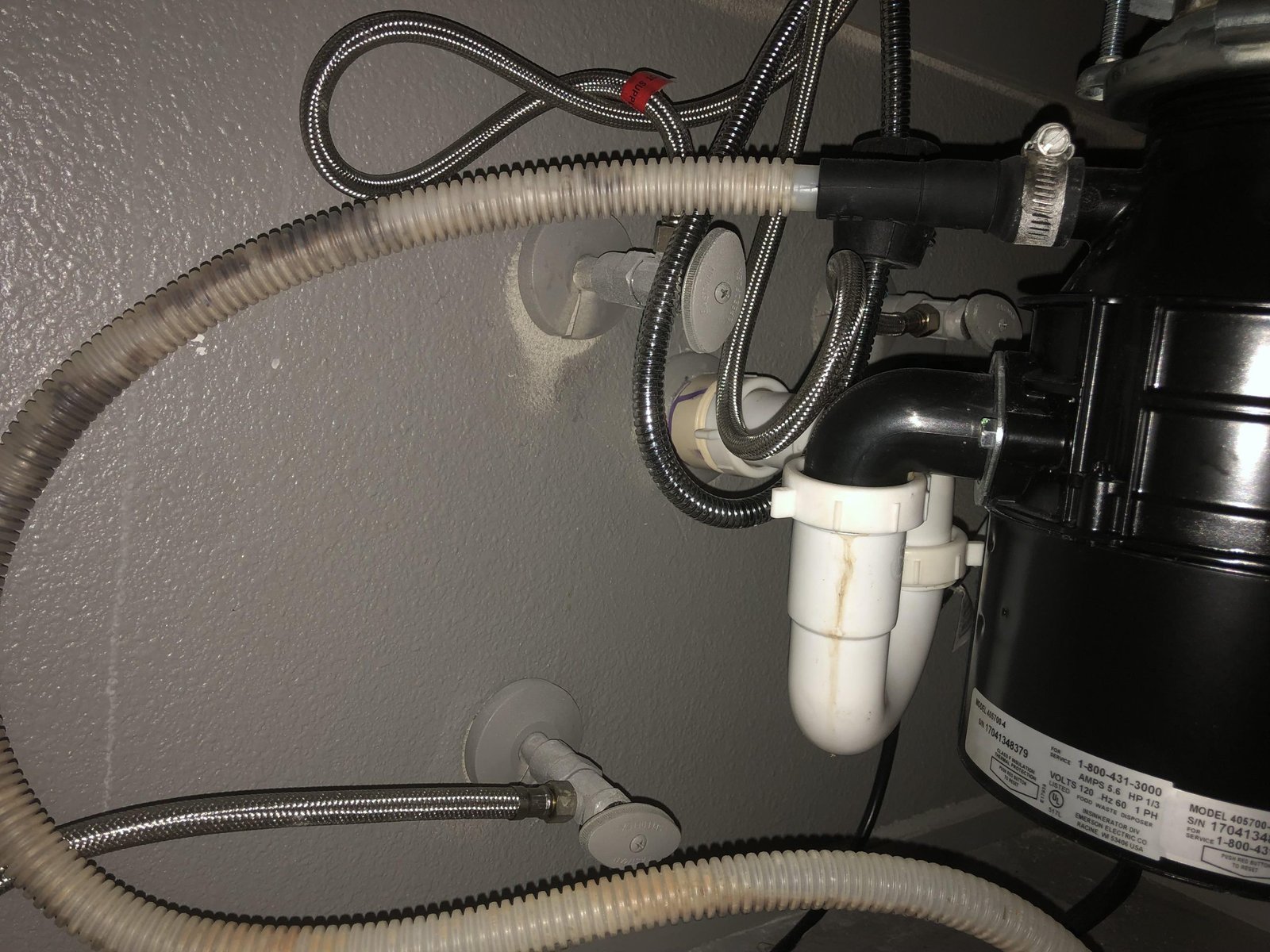
Find the dishwasher drain hose under the sink or behind the appliance. Cleaning this hose prevents blockages and keeps your dishwasher running smoothly. Regular maintenance ensures efficient water flow and extends the life of your machine.
Finding the dishwasher drain hose may seem like a daunting task, but it doesn’t have to be. Knowing where to look is half the battle. If you’re like me, you might have spent ages searching for it, only to realize it’s been hiding in plain sight. Your dishwasher drain hose is typically located at the back of the dishwasher. The hose connects the dishwasher to the sink or garbage disposal. Knowing this can save you a lot of time and frustration. Have you ever wondered if you were looking in the right place? Here’s how you can be sure:Remove The Dishwasher Kick Plate
Start by removing the kick plate at the bottom of the dishwasher. This panel is usually held in place by a few screws. Use a screwdriver to take them out and set the plate aside. You might find it easier than you expected.Identify The Drain Hose
Once the kick plate is off, locate the drain hose. It’s typically a flexible tube, often corrugated, running from the dishwasher to the sink area. Does it seem like a straightforward task now?Check Under The Sink
Next, check under your kitchen sink. You’ll likely find the other end of the hose here, connected either to the garbage disposal or directly to the drain pipe. Isn’t it surprising how much you can discover with a bit of careful observation?Inspect For Any Signs Of Wear
While you’re locating it, inspect the hose for signs of wear or damage. Look for cracks or leaks that might affect its performance. Have you ever considered how a simple inspection could prevent bigger issues down the line? Locating the dishwasher drain hose doesn’t have to be a chore. With these steps, you can tackle the task confidently. What’s stopping you from rolling up your sleeves and getting started?Disconnecting The Drain Hose
Disconnecting the drain hose is an essential step in cleaning your dishwasher. This process ensures that blockages are removed effectively, allowing your dishwasher to function smoothly. Proper disconnection is crucial to avoid any damage or leaks.
Gather Your Tools
Before starting, collect the necessary tools. You will need a screwdriver and pliers. These tools help in safely disconnecting the hose without causing harm. A bucket is useful to catch any water spills.
Turn Off The Power
Safety is a priority. Turn off the dishwasher’s power. This prevents any electrical accidents. Unplugging the appliance is a simple yet crucial step. Ensure that no power runs through the device while working.
Locate The Drain Hose
Find the drain hose behind the dishwasher. It connects to the sink or garbage disposal. Identifying this hose is vital to proceed. It’s usually a flexible tube, visible at the back of the unit.
Detach The Hose
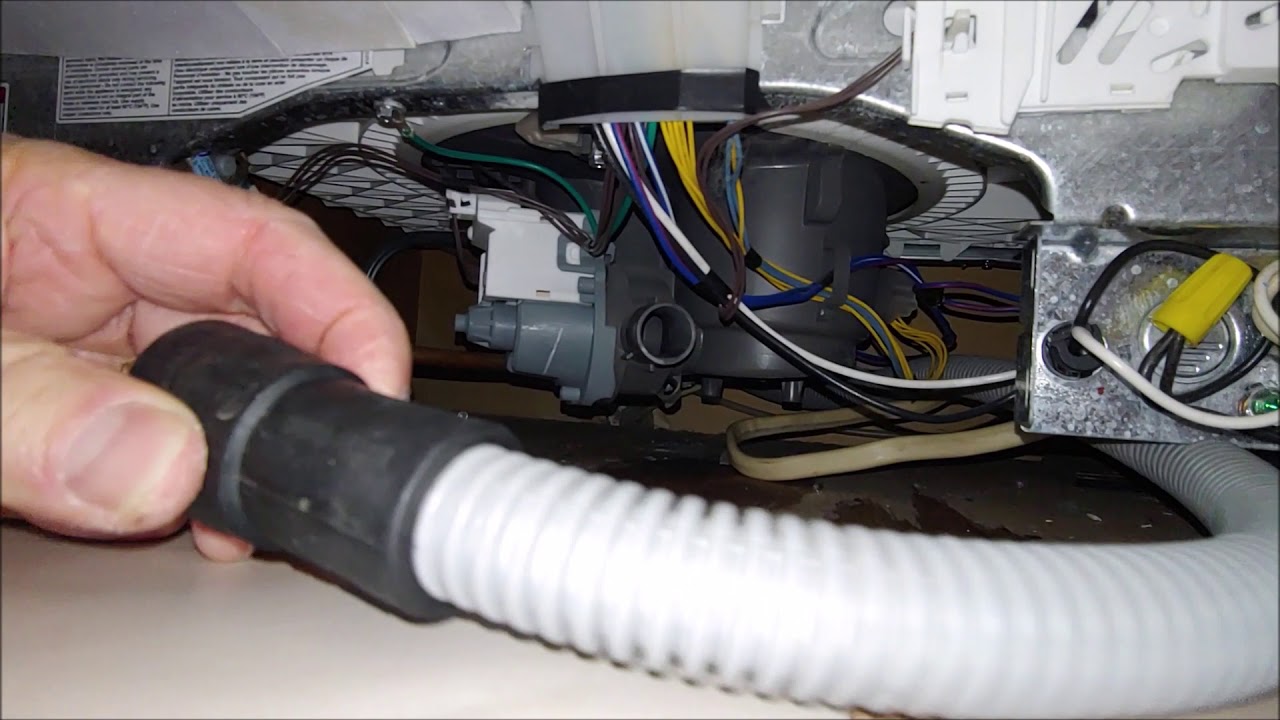
Loosen the clamps holding the hose. Use a screwdriver for this task. Gently pull the hose away from the connection points. Ensure you do this slowly to avoid any damage. Place a bucket underneath to catch any dripping water.
Inspect For Blockages
Check the hose for any clogs or debris. Look through the length of the hose. Remove any visible obstructions. This inspection helps in maintaining a clear water path. A clean hose ensures efficient drainage.
Credit: www.youtube.com
Cleaning The Drain Hose
Cleaning the dishwasher drain hose is crucial for smooth operation. Remove the hose, rinse it with warm water, and clear any debris. Regular maintenance prevents clogs and ensures efficient performance.
Cleaning the drain hose of your dishwasher is a task that can seem daunting, yet it’s a crucial step in maintaining an efficient and odor-free appliance. Imagine your dishwasher as a team player in your kitchen—if one part gets clogged, the whole system can’t perform its best. Have you ever noticed your dishes coming out less clean or an unpleasant smell emanating from your dishwasher? The culprit might be a blocked drain hose. Let’s dive into how you can tackle this common issue with ease.Using A Cleaning Solution
Start by gathering a simple cleaning solution. Vinegar and baking soda are powerful allies against the grime. Mix a cup of vinegar with a tablespoon of baking soda until it forms a fizzing mixture. Pour the solution into the open end of the drain hose. Let it sit for about 15-20 minutes to break down the build-up. This step alone can significantly improve the flow of water.Flushing With Water
Next, flush the drain hose with hot water. You can use a garden hose if available, or simply run the tap into the hose. Aim for at least two gallons to ensure a thorough clean. The hot water will help remove any loosened debris and residues. It’s satisfying to see the water running clear again, isn’t it?Inspecting For Blockages
Finally, inspect the drain hose for any remaining blockages. Detach the hose from the dishwasher and look through it against a light source. It’s like spotting a stubborn stain on your favorite shirt; sometimes you need to get a closer look. If you notice any blockages, use a flexible brush or a straightened wire hanger to gently dislodge them. Be careful not to puncture the hose. When was the last time you gave your dishwasher some TLC? Regular maintenance like this can prolong its life and improve performance. So, take a few moments to ensure your dishwasher is in top shape and ready to tackle your next load of dishes.Reattaching The Drain Hose
Reattaching the drain hose is essential after cleaning. Ensure it’s secure to avoid leaks. Proper attachment helps maintain dishwasher efficiency and prevents potential damage.
Reattaching the drain hose is a crucial step in maintaining your dishwasher’s efficiency. A securely attached hose ensures water drains properly, preventing leaks and potential damage. This task might seem daunting, but with a few simple steps, you can do it yourself. Let’s walk through the process of reattaching the dishwasher drain hose effectively.Step 1: Position The Dishwasher
Pull the dishwasher out slightly to gain access to the back. Make sure it’s unplugged and the water supply is off. This ensures safety while you work. Have someone assist you if the appliance is too heavy.Step 2: Inspect The Drain Hose
Check the hose for any visible damage or blockages. Look for cracks or kinks that might obstruct water flow. Replace the hose if you notice any issues.Step 3: Align The Hose Correctly
Place the drain hose in the correct position. It should align with the outlet on the dishwasher. Ensure there are no twists or bends in the hose. This guarantees smooth water flow.Step 4: Secure The Hose To The Connection
Attach the hose firmly to the dishwasher’s drain outlet. Use a clamp to hold the hose in place. Tighten the clamp with a screwdriver to prevent leaks. Ensure it’s snug but not overly tight.Step 5: Test For Leaks
After reattaching, run a short cycle on the dishwasher. Check for any leaks around the connection point. If you spot any, tighten the clamp further. Ensure everything is dry before pushing the dishwasher back. Reattaching your dishwasher drain hose doesn’t have to be complicated. With these steps, you’ll ensure your appliance runs smoothly.Testing The Dishwasher
Cleaning the drain hose often solves many dishwasher issues. But you need to check if the dishwasher works well afterwards. Testing ensures the problem is fixed and the dishwasher runs smoothly.
Follow these steps to test your dishwasher after cleaning the drain hose. This will help confirm that everything is back to normal.
Run A Short Cycle
Start by selecting a short cycle on the dishwasher. A quick rinse cycle can help test the flow of water. Watch for any leaks or unusual sounds during the cycle.
Check For Water Drainage
Observe how water drains from the dishwasher. Ensure water flows out without any blockage. Listen for any strange noises that might indicate a problem.
Inspect The Cleanliness Of Dishes
After the cycle, check the cleanliness of the dishes. Clean dishes mean the drain hose is working properly. If dishes are dirty, there might be another issue to address.
Assess For Any Leaks
Examine the area around the dishwasher for leaks. No leaks indicate a successful cleaning of the drain hose. If leaks are present, further inspection may be necessary.
Listen For Unusual Sounds
Pay attention to any unusual sounds during the test cycle. Unwanted noises could signal a problem with the hose or other parts. Ensure the dishwasher runs quietly and smoothly.
Monitor Performance Over Time
Keep an eye on the dishwasher’s performance over a few days. Consistent performance shows the drain hose cleaning was effective. This continued observation ensures long-term functionality.
Maintenance Tips
Cleaning the dishwasher drain hose prevents clogs and keeps your appliance running smoothly. Disconnect the hose and flush it with warm water to remove debris. Regular maintenance helps avoid unpleasant odors and ensures efficient operation.
Cleaning the dishwasher drain hose regularly keeps your appliance running smoothly. A clean drain hose prevents blockages and bad odors. Simple maintenance tips can save you from costly repairs. Follow these steps to maintain your dishwasher effectively.Regular Cleaning
Regular cleaning is crucial for a healthy dishwasher. Start by unplugging the dishwasher. Remove the lower dish rack to access the drain area. Check for any visible debris or food particles. Use a soft brush to clean around the drain opening. This prevents buildup and keeps water flowing. Inspect the drain hose for any kinks or damage. A clear hose ensures efficient drainage. Reassemble the parts and plug the dishwasher back in. Regular checks keep your appliance in top condition.Using A Dishwasher Cleaner
Using a dishwasher cleaner helps maintain hygiene. Choose a cleaner suitable for your dishwasher model. Follow the instructions on the cleaner’s label. Run an empty cycle with the cleaner. This removes grime and built-up residue. A clean dishwasher works more efficiently. Regular use of a cleaner prevents foul smells. It also prolongs the life of your appliance. Make this a part of your monthly routine. Your dishwasher will thank you.
Credit: diy.stackexchange.com
Frequently Asked Questions
How To Clean Smelly Dishwasher Drain Hose Without?
Disconnect the hose and rinse with hot water. Use baking soda and vinegar to eliminate odor. Reconnect carefully.
How Often Should I Clean My Dishwasher Drain Hose?
Clean your dishwasher drain hose every 3-6 months. Regular cleaning prevents clogs and ensures efficient operation. Inspect the hose for debris or buildup, and rinse it thoroughly. Keeping the drain hose clean helps maintain your dishwasher’s performance and prolongs its lifespan.
How Do You Unblock A Dishwasher Drain Hose?
First, disconnect the power. Remove the lower panel to access the dishwasher drain hose. Detach the hose and check for clogs. Use a long brush or wire to clear debris. Reattach the hose securely. Test by running a short cycle to ensure the blockage is gone.
How To Unclog Dishwasher Drain Hose With Vinegar?
Pour equal parts of vinegar and water into a container. Disconnect the drain hose and pour the mixture through it. Let it sit for 30 minutes, then flush with hot water. This helps dissolve clogs and debris, ensuring your dishwasher drains smoothly.
Repeat if necessary for stubborn blockages.
Conclusion
Clean your dishwasher drain hose regularly for smoother operation. A clean hose prevents clogs. It ensures dishes come out sparkling every time. Avoid costly repairs by maintaining your appliance. Regular checks can save you money and stress. Enjoy a hassle-free kitchen experience.
Simple cleaning steps make a big difference. Keep your dishwasher running efficiently. Happy dishwashing ensures happier meals. A little maintenance goes a long way. Remember, a clean kitchen starts with clean appliances. Make cleaning part of your routine. Preserve the life of your dishwasher.
Take action today for cleaner tomorrow.
