
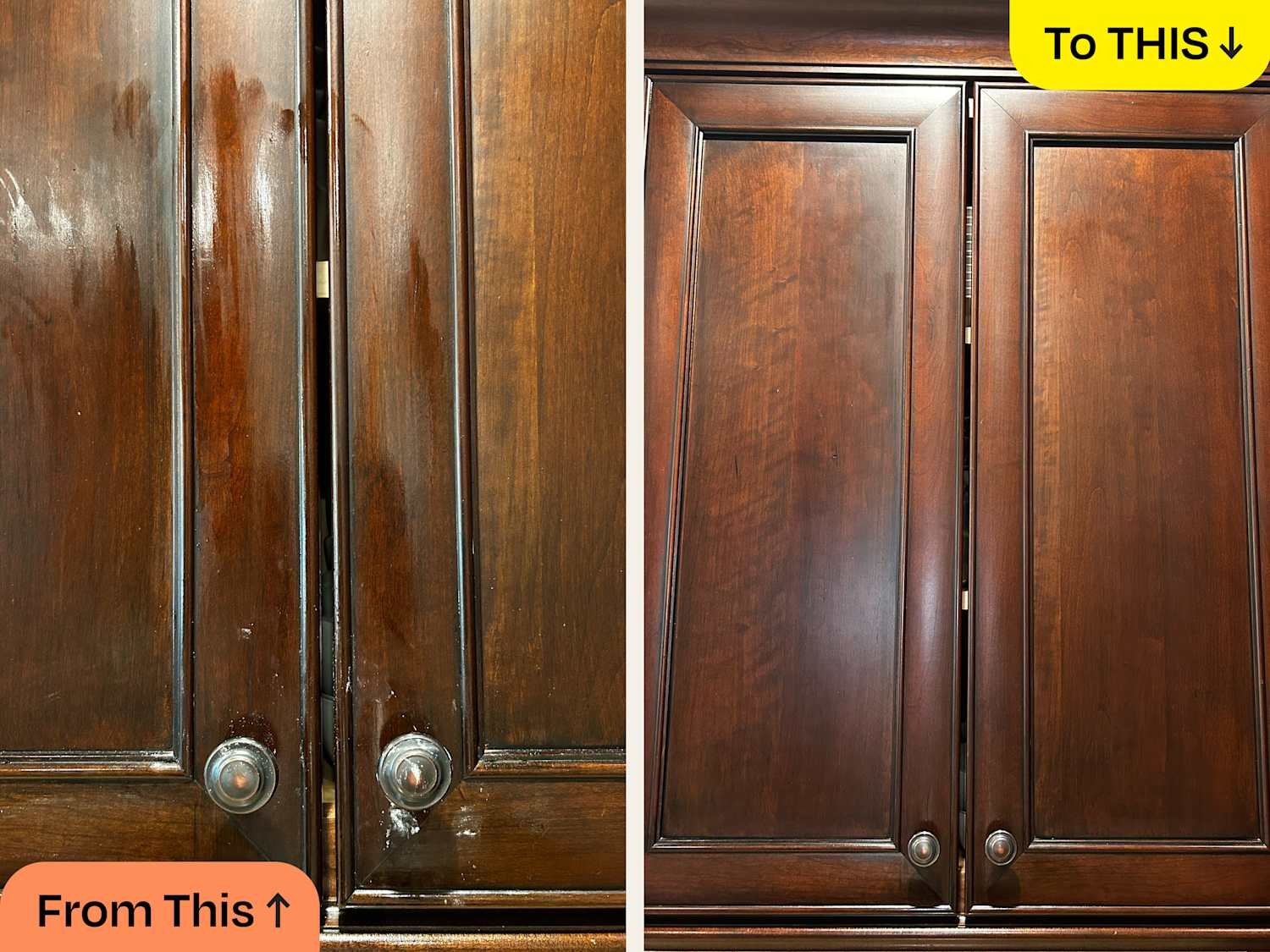
Grease buildup on kitchen cabinets is a common challenge that can make your kitchen look dull and dirty. You might have tried scrubbing and wiping, only to feel frustrated when the stubborn grease refuses to budge.
It’s not just about aesthetics; grease can also harbor bacteria and affect the longevity of your cabinets. Imagine walking into your kitchen every day and feeling a sense of freshness and cleanliness, rather than frustration. In this guide, you’ll discover simple, effective methods to remove grease from your kitchen cabinets.
These tips will not only restore the beauty of your kitchen but also make cleaning a breeze. Stay with us to learn how you can transform your kitchen space quickly and effortlessly, making it a place you love to spend time in.

Credit: www.facebook.com
Causes Of Grease Buildup
Grease buildup on kitchen cabinets often results from cooking oils, steam, and daily handling. This sticky residue can attract dust and dirt, making cabinets look dull and grimy over time.
Grease buildup on kitchen cabinets is a common issue. It not only affects the appearance but also the hygiene of your kitchen. Understanding the causes helps in preventing and managing this sticky problem. Various factors contribute to grease accumulation, and knowing them helps keep your kitchen clean and fresh.Cooking Oils And Fats
Oils and fats used in cooking are primary culprits. As they heat, they release particles into the air. These particles settle on nearby surfaces, including cabinets. Over time, they create a greasy layer.Steam From Cooking
Steam carries grease particles. It rises from boiling pots and pans. As it cools, it deposits grease on surfaces. This is especially true for cabinets near the stove.Dust And Dirt
Dust and dirt in the kitchen mix with airborne grease. This combination forms a sticky residue. It clings to cabinet surfaces, making them harder to clean.Lack Of Ventilation
Poor ventilation increases grease buildup. Without proper airflow, grease particles linger. They settle on cabinets and other surfaces, creating a greasy film.Frequent Frying
Frying produces more grease than other cooking methods. The more you fry, the more grease accumulates. Cabinets near the stove bear the brunt.Infrequent Cleaning
Irregular cleaning allows grease to build up. The longer grease sits, the harder it becomes to remove. Regular cleaning prevents thick layers from forming.Preparation Before Cleaning
Cleaning kitchen cabinets requires more than just scrubbing. Proper preparation is key to achieving spotless results. Before diving into the cleaning process, it’s essential to gather your supplies and take necessary safety precautions. This ensures a smooth and efficient cleaning experience.
Gathering Cleaning Supplies
Begin by collecting all the cleaning materials you need. A mix of mild dish soap and warm water often works well for grease. You might also need vinegar or baking soda for stubborn stains. Have clean cloths or sponges ready. A soft-bristle brush can help with intricate cabinet designs. Consider wearing gloves to protect your hands.
Safety Precautions
Safety is crucial when using cleaning products. Ensure good ventilation in the kitchen by opening windows or turning on fans. This helps reduce inhalation of fumes. Read labels on cleaning products to understand their ingredients. Avoid mixing chemicals that can produce harmful reactions. Keep cleaning products out of reach from children and pets. If using harsh chemicals, wear protective gear like gloves and masks. This ensures you stay safe while cleaning.
Effective Cleaning Methods
Mix baking soda with water to form a paste. Apply the paste to greasy areas. Wipe with a damp cloth. For tougher stains, use vinegar. Spray vinegar on the spots, let sit, then scrub gently. Finish by wiping with a clean cloth.
Cleaning grease from kitchen cabinets can seem like an uphill battle, but with the right methods, you can achieve a spotless finish that will leave your kitchen looking fresh and inviting. Whether you’re dealing with a light film or a stubborn buildup, there are effective cleaning strategies that cater to every need. The question is, which method suits your kitchen best?Natural Cleaning Solutions
Natural cleaners can be surprisingly powerful against grease. Vinegar is a great option, as its acidity helps break down grease without harsh chemicals. Mix equal parts vinegar and water in a spray bottle. Spritz onto the greasy areas and let it sit for a few minutes before wiping clean with a damp cloth. You’ll be amazed at how effectively this simple solution works. Another natural powerhouse is baking soda. Create a paste by mixing baking soda with a bit of water. Apply this to the greasy spots using a sponge. The gentle abrasiveness of baking soda can lift the grease without scratching the surfaces. Do you prefer citrusy scents? Lemon juice can also cut through grease while leaving your kitchen smelling fresh. Mix lemon juice with a bit of water and use it as a spray. The natural oils in lemon help dissolve grease, making it a refreshing alternative.Commercial Cleaners
If you’re looking for something more robust, commercial cleaners are designed for tougher tasks. Degreasing sprays are popular for their convenience and effectiveness. Simply spray, wait a few minutes, and wipe away with a clean cloth. These sprays are formulated to tackle stubborn grease, saving you time and effort. Dish soap is another handy tool. Many dish soaps contain grease-fighting ingredients. Mix some dish soap with warm water and scrub the cabinets using a sponge. It’s an easy go-to when you need a quick solution. Consider specialized cabinet cleaners that not only clean but also protect your cabinet surfaces. These products often contain ingredients that condition the wood or finish, preserving the cabinet’s look over time. Which method will you try first? Each offers unique benefits tailored to different cleaning needs. Keep your kitchen sparkling and enjoy the satisfaction of cabinets free from greasy residue.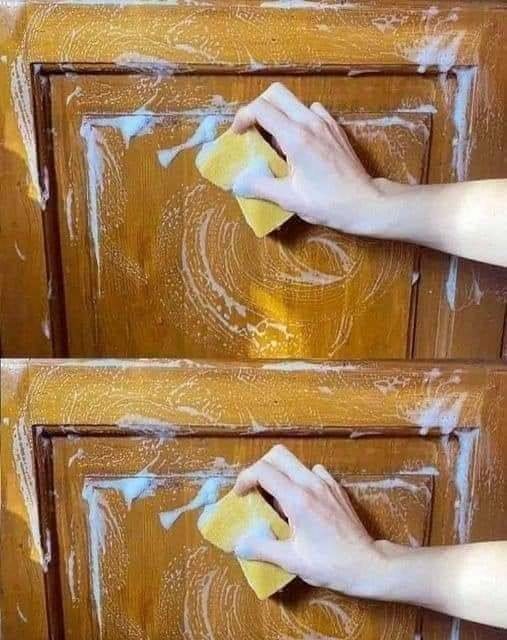
Credit: www.facebook.com
Step-by-step Cleaning Process
Begin by mixing warm water and dish soap in a bowl. Dip a sponge into the solution and gently scrub the cabinets. Rinse with clean water and dry with a soft cloth to remove any soap residue.
Cleaning kitchen cabinets can be a challenging task, especially when grease has accumulated over time. But fear not, with a structured approach, you can restore the sparkle to your cabinets. Let’s dive into a step-by-step cleaning process that can make a real difference in your kitchen’s appearance.Initial Dusting
Begin by removing any loose dust and dirt from the cabinets. Use a soft cloth or a microfiber duster to gently wipe the surfaces. This step ensures that you don’t spread dust around when you apply the cleaner later. Ever noticed how dust clings to grease? A thorough dusting makes your cleaning solution more effective.Applying The Cleaner
Once the dust is gone, it’s time to apply your cleaner. Opt for a mixture of warm water and dish soap, or a specialized cabinet cleaner. Spray or apply the solution generously, covering all greasy spots. The cleaner should sit for a few minutes to break down the grease. Have you ever wondered why some spots seem more stubborn? It’s usually because they need a bit more time to soak.Scrubbing Techniques
Now, roll up your sleeves for some scrubbing. Use a soft-bristled brush or a non-abrasive sponge to gently scrub the greasy areas. Focus on corners and edges where grease loves to hide. Remember, a gentle approach prevents damage to your cabinet finish. Have you discovered any hidden grime during this step? It’s always surprising how much can accumulate in unnoticed areas.Rinsing And Drying
After scrubbing, rinse the cabinets with a clean damp cloth to remove any soap residue. This step is crucial to prevent sticky surfaces. Follow up with a dry cloth to ensure no moisture remains, which can warp the wood over time. Consider this: how often do you forget to dry thoroughly, leading to unexpected cabinet issues later? By following these steps, your kitchen cabinets can look as good as new, and you’ll be armed with practical cleaning skills for future challenges.Preventing Future Grease Buildup
Regular cleaning keeps kitchen cabinets grease-free. Use mild soap and warm water to wipe surfaces weekly.
Preventing future grease buildup on kitchen cabinets is not just about cleaning. It’s about creating habits and using smart products to keep your kitchen looking fresh. A little effort today can save you from scrubbing tomorrow. So, let’s dive into some practical strategies to keep your cabinets grease-free.Regular Maintenance
Regular maintenance is your first line of defense against grease. Wiping down your cabinets weekly can prevent buildup from becoming a problem. Use a mild dish soap and warm water solution for a gentle clean. Make it a routine task. Perhaps every Sunday after brunch, give your cabinets a quick wipe. You’ll be surprised how this simple habit keeps them looking new. Don’t forget to clean those hard-to-reach places. Grease likes to hide in corners and edges. A small brush can be your best friend for these spots.Using Protective Coatings
Consider using protective coatings to shield your cabinets. Products like furniture polish or specialized cabinet protectors can create a barrier against grease. Apply these coatings every few months. Think of it as giving your cabinets a protective armor. This not only prevents grease but also adds a lovely shine. Remember to choose a product suitable for your cabinet material. What works for wood might not be ideal for laminate. Always read the label and test on a small area first. Doesn’t it feel better knowing you’ve proactively stopped grease in its tracks? With these simple steps, you can enjoy a cleaner, more inviting kitchen space.
Credit: www.facebook.com
Expert Tips For Optimal Results
Discover easy steps to remove grease from kitchen cabinets. Use vinegar and baking soda for effective cleaning. Gently scrub with a soft cloth to keep cabinets looking new.
Cleaning your kitchen cabinets can seem like a daunting task, especially when dealing with stubborn grease. With the right approach, however, you can achieve sparkling results. These expert tips will guide you to optimal cleanliness and keep your cabinets looking fresh and inviting.Choosing The Right Tools
The tools you choose can significantly impact your cleaning efficiency. Microfiber cloths are a must-have, as they’re gentle on surfaces yet effective at grabbing grease. A soft-bristled brush can help you tackle those tricky corners and grooves without damaging the finish. You’ll also need a reliable cleaning solution. A mix of warm water and dish soap is a great starting point, but for tougher stains, consider adding a splash of vinegar. Avoid harsh chemicals that could strip the cabinet’s finish.Handling Tough Stains
Stubborn stains require a bit more attention and patience. First, apply your chosen cleaning solution and let it sit for a few minutes. This softens the grease, making it easier to wipe away. For really difficult stains, create a paste using baking soda and water. Apply it to the stain and gently scrub with your soft-bristled brush. Always test a small, hidden area first to ensure it doesn’t affect the finish. Repeat the process if necessary, and always wipe down with a clean, damp cloth to remove any residue. Have you ever tried leaving a solution to soak in overnight? It can sometimes be the key to lifting the most persistent grime without extra elbow grease.Frequently Asked Questions
How Do You Get Heavy Grease Off Kitchen Cabinets?
Use a mixture of vinegar and water to clean kitchen cabinets. Apply with a cloth and scrub gently. Rinse with warm water and dry with a soft towel. For stubborn grease, add baking soda to the vinegar solution. Always test on a small area first.
What Is The Best Degreaser For Kitchen Cabinets?
The best degreaser for kitchen cabinets is Krud Kutter Cleaner Degreaser. It effectively removes grease and grime. It’s non-toxic, biodegradable, and safe for various surfaces. This powerful formula ensures a spotless finish without damaging your cabinets. Regular use keeps your kitchen clean and fresh.
Does Murphy’s Oil Soap Remove Grease From Kitchen Cabinets?
Murphy’s Oil Soap effectively removes grease from kitchen cabinets. Its gentle formula cleans without damaging surfaces. Use a damp cloth with the soap for best results. Regular cleaning helps maintain cabinet shine and prevents grease buildup. Ideal for wood surfaces, it ensures your kitchen cabinets stay fresh and clean.
Does Magic Eraser Work On Greasy Cabinets?
Magic Eraser effectively cleans greasy cabinets by removing grime and stains. Wet it slightly and gently scrub. It’s important to test on a small area first to avoid damage. For heavy grease, additional cleaning solutions might be needed. Regular use can maintain cabinet cleanliness and shine.
Conclusion
Cleaning kitchen cabinets can be simple. The right method is key. Choose gentle, effective cleaners. Protect the finish. Regular cleaning prevents buildup. Start with mild solutions. Avoid harsh chemicals. Use a soft cloth. Scrub gently. Rinse and dry thoroughly. Consistency is crucial.
Clean spills immediately. Maintain your cabinets’ look. Enjoy a fresh kitchen. A clean kitchen feels inviting. It’s worth the effort. Keep your cabinets grease-free. Make cleaning a habit. Simplify your routine. Keep them shining bright. Your kitchen will thank you.
Everyone loves a clean kitchen. It’s easy with these tips.
