
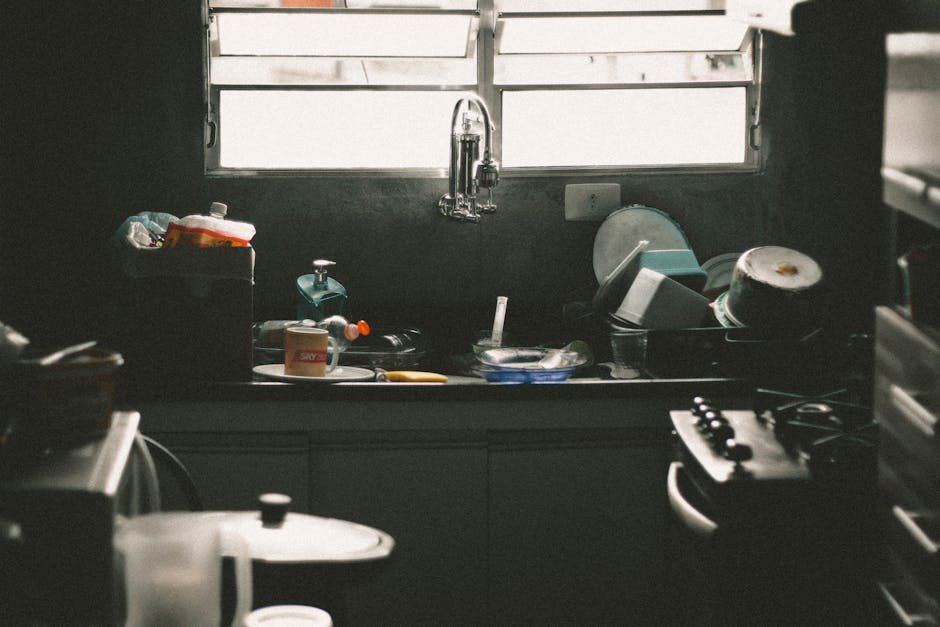
Are your kitchen cabinets looking a little worse for wear? You’re not alone.
Over time, grease, spills, and everyday use can leave your cabinets looking dull and grimy. But don’t worry; refreshing their appearance doesn’t have to be a daunting task. Imagine opening your kitchen cabinets to find them as spotless as the day they were installed, every single time.
Sounds satisfying, right? In this guide, we’ll share easy and effective cleaning tips that will transform your kitchen cabinets from drab to fab. Get ready to discover tricks that will not only make your cabinets sparkle but also extend their life. Stick with us, and you’ll soon enjoy a kitchen that feels fresh, inviting, and organized. Your cabinets are about to become the envy of every guest!
Materials Needed
Gather a gentle dish soap, warm water, and soft cloths. Include baking soda for tough stains. White vinegar helps to remove grease.
Cleaning your kitchen cabinets might seem like a mundane task, but it’s essential for maintaining a fresh, inviting space. The right materials can make this chore both efficient and effective. Whether you’re tackling stubborn grease or simply dusting, having the right supplies will save you time and effort. Let’s explore what you’ll need to get your cabinets looking their best.Microfiber Cloths
Microfiber cloths are a game-changer for cleaning kitchen cabinets. They trap dust and grime effortlessly without scratching the surface. Keep a few on hand, and you’ll find yourself reaching for them time and again.Gentle Cleaning Solution
A gentle cleaning solution is crucial to avoid damaging cabinet finishes. Mix a small amount of dish soap with warm water for a simple, effective cleaner. Avoid using harsh chemicals that can strip the paint or stain.Baking Soda
Baking soda is your best friend for tackling tough stains and odors. It works wonders on greasy spots without leaving a residue. Simply sprinkle it on a damp cloth and gently scrub those stubborn areas.White Vinegar
White vinegar is perfect for cutting through grease and disinfecting surfaces. Dilute it with water to ensure it’s safe for your cabinet material. Its natural properties make it a safer alternative to chemical cleaners.Soft Bristle Brush
A soft bristle brush can reach into the nooks and crannies of your cabinet doors and handles. It helps loosen dirt and grime that a cloth might miss. Just be sure to use gentle pressure to avoid scratching.Old Toothbrush
An old toothbrush is ideal for getting into tight spaces like corners and around hardware. It’s perfect for detail work where precision is needed. Keep one in your cleaning kit for those hard-to-reach spots.Vacuum With A Brush Attachment
A vacuum with a brush attachment can remove dust and debris from both the interior and exterior surfaces. It’s particularly helpful for cleaning the tops of cabinets where dust tends to accumulate. Regular vacuuming can prevent buildup and make deep cleaning easier. Are you ready to tackle those kitchen cabinets with confidence? The right materials can transform cleaning from a dreaded chore to a manageable task. What’s your favorite cleaning tool that you can’t live without?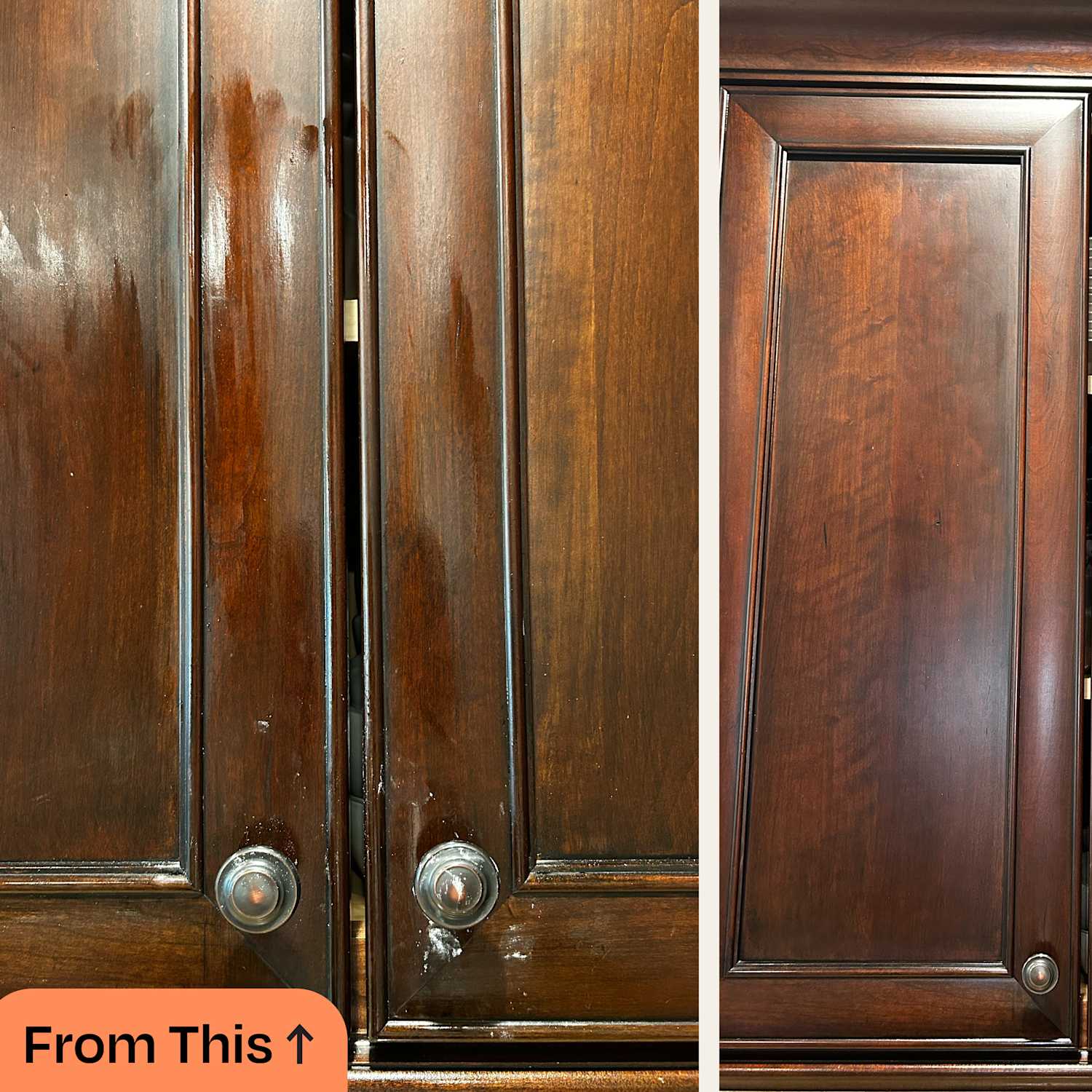
Credit: www.thekitchn.com
Preparation Steps
Gather cleaning supplies like mild soap, vinegar, and soft cloths. Remove items from cabinets to clear space. Dust surfaces before applying cleaning solution.
Cleaning kitchen cabinets demands proper preparation. This ensures effective results. Start with gathering necessary supplies. This saves time and keeps the process smooth. It’s important to have a plan before starting. Let’s delve into key preparation steps.Gather Necessary Supplies
Have all cleaning materials ready. You need a gentle cleaner, soft cloths, and a bucket. A toothbrush helps in cleaning corners. Rubber gloves protect your hands. Ensure you have everything within reach.Clear The Area
Remove items from cabinets. This includes dishes, food, and utensils. Place them on a nearby table. Clearing the area prevents damage and makes cleaning easier.Check For Damage
Inspect cabinets for scratches or dents. Identify areas needing repair. This helps in addressing issues early. Fixing minor problems prolongs cabinet life.Prepare Cleaning Solution
Mix cleaning solution in a bucket. Use warm water and a gentle cleaner. Avoid harsh chemicals that harm surfaces. Test the solution on a small area first.Ventilate The Kitchen
Open windows for fresh air. Proper ventilation reduces fumes from cleaners. It also helps in drying cabinets faster. Fresh air keeps the environment safe.Cleaning Techniques
Tackle grease and grime on kitchen cabinets with a simple mix of warm water and mild soap. Gently scrub using a soft cloth to avoid scratches. Dry thoroughly with a towel to prevent moisture damage.
Keeping kitchen cabinets clean not only enhances the aesthetic appeal of your kitchen but also prolongs the life of your cabinets. Whether you’re dealing with everyday dust or stubborn grease, the right cleaning techniques can make a world of difference. Here, you’ll find practical tips to maintain your kitchen cabinets in top condition without a hassle.Dusting And Wiping
Begin with a simple yet effective routine: dusting and wiping. Use a soft microfiber cloth to gently remove dust from cabinet surfaces. A dry cloth works well for weekly cleaning, while a damp one with a mild detergent can tackle tougher spots. For an extra shine, consider using a mix of water and vinegar. This solution not only cleans but also disinfects, leaving a fresh scent behind. Remember to dry the surfaces thoroughly to prevent any water damage.Tackling Grease And Grime
Grease can build up quickly, especially near the stove. Create a natural degreaser using baking soda and water. Apply the paste to greasy areas, let it sit for a few minutes, and then wipe it away with a damp cloth. For more stubborn spots, a mixture of vinegar and dish soap can work wonders. Apply it directly to the grime, scrub gently with a sponge, and rinse with clean water. Have you ever noticed how much brighter your cabinets look after a good grease-busting session?Deep Cleaning Methods
Every once in a while, your cabinets need a deep clean to maintain their original beauty. Remove all items from the cabinets and clean the interior with a solution of warm water and mild dish soap. Use a toothbrush to reach into crevices and corners. Once the interiors are spotless, focus on the exteriors, paying special attention to handles and hinges where dirt accumulates. How often do you think about cleaning these areas? A little extra care can prevent wear and tear over time. Finally, dry every surface with a clean towel to prevent moisture damage. Regular deep cleaning not only preserves the look of your cabinets but also ensures a healthy kitchen environment.
Credit: us.cleadeep.com
Natural Cleaning Solutions
Natural cleaning solutions are a healthy choice for maintaining kitchen cabinets. They are safe, cost-effective, and environmentally friendly. These solutions avoid harsh chemicals, ensuring a safer kitchen environment. Many ingredients are readily available at home, making them convenient to use.
Vinegar And Baking Soda
Vinegar and baking soda are powerful cleaning agents. Vinegar is acidic and breaks down grime easily. Baking soda acts as a gentle scrub. Mix equal parts vinegar and water in a spray bottle. Spray the solution onto the cabinets. Let it sit for 10 minutes. Sprinkle baking soda on a damp sponge. Gently scrub the cabinets in circular motions. Rinse with water and dry with a clean cloth.
Lemon Juice And Salt
Lemon juice and salt offer natural cleaning power. Lemon juice is acidic and cuts through grease effectively. Salt acts as an abrasive to scrub away dirt. Squeeze fresh lemon juice into a bowl. Add a tablespoon of salt and mix well. Dip a cloth into the mixture. Rub the cloth over the cabinet surfaces. Focus on stained or sticky areas. Rinse the cabinets with water and dry thoroughly.
Maintenance Tips
Clean kitchen cabinets regularly to maintain their shine and functionality. Use mild soap and warm water for gentle cleaning. Dry thoroughly to prevent moisture damage and keep them looking new.
Maintaining your kitchen cabinets not only keeps them looking pristine but also extends their lifespan. Regular upkeep can prevent common issues like warping, staining, or unsightly grime buildup. By following a few simple maintenance tips, you can ensure your cabinets remain a beautiful feature of your kitchen for years to come.Regular Cleaning Schedule
Consistency is key when it comes to maintaining the beauty of your kitchen cabinets. Establish a regular cleaning routine to prevent dirt and grease from accumulating. Consider a weekly schedule for a light wipe-down using a soft cloth and a gentle cleanser. For deeper cleaning, a monthly session with a mixture of warm water and mild dish soap can effectively remove stubborn stains without damaging the finish. Don’t forget the less obvious spots like the cabinet tops and undersides, which can collect dust and grime over time.Protecting Cabinets From Damage
Protecting your cabinets from physical damage is just as crucial as cleaning them. Avoid using harsh chemicals or abrasive sponges, as they can scratch and dull the surface. A simple habit like using a coaster or a cloth to catch spills and splashes can make a big difference. Consider installing cabinet liners to protect the interior from spills and stains. These liners are especially useful in areas where you store liquids or foods prone to leaking. Additionally, ensure your cabinet hardware is securely fastened to prevent unnecessary strain or damage when opening and closing doors. Have you ever noticed how sunlight can fade your favorite shirt? The same can happen to your cabinets. Use curtains or blinds to shield your cabinets from direct sunlight, preserving their color and finish. By taking these proactive steps, you not only maintain the aesthetic of your kitchen but also enhance its functionality and longevity. What simple change can you make today to protect your cabinets?Quick Fixes For Common Problems
Kitchen cabinets often face common issues like stains and scratches. Quick fixes can help maintain their appearance and functionality. These easy solutions will keep your cabinets looking fresh and new. Let’s explore effective methods for tackling these typical problems.
Removing Stains
Stains can make cabinets look worn out. Try these simple tips:
- Mix baking soda with water to form a paste. Apply it to the stain and gently scrub with a soft cloth.
- Use vinegar for stubborn stains. Dampen a cloth with vinegar, rub the area, and rinse with warm water.
- For grease stains, mix dish soap with warm water. Wipe the stain with a sponge, then dry with a clean towel.
Handling Scratches
Scratches can be tricky, but some easy fixes can help:
- Rub a walnut over the scratch. The natural oils help hide the damage.
- Apply a touch-up marker that matches your cabinet color. This can mask scratches effectively.
- Use a paste of baking soda and water on minor scratches. Rub gently, then wipe off with a damp cloth.
Organizational Tips
Sparkle your kitchen by regularly cleaning cabinet surfaces. Use a gentle soap solution to wipe away grease and dirt. Organize items inside to prevent clutter and keep your space tidy.
Organizing your kitchen cabinets can transform your cooking space into a haven of efficiency and ease. A well-organized cabinet system not only saves time but also reduces stress, making your kitchen a place you love to be. Let’s dive into some practical and easy-to-implement organizational tips that will maximize your cabinet space and provide efficient storage solutions.Maximizing Space
Making the most of your cabinet space begins with a clear-out. Remove items you no longer use or need. This creates room for essentials and helps you assess what you actually have. Consider the height of your shelves. Adjustable shelves can accommodate taller items or stacked containers. If your shelves are fixed, see if adding shelf risers or under-shelf baskets will give you more space. Use vertical space wisely. Install hooks or rods on the inside of cabinet doors to hold lids or small items. This keeps them off your shelves and within easy reach.Efficient Storage Solutions
Store items based on frequency of use. Keep everyday dishes and utensils within easy reach, while placing specialty items or seasonal gadgets higher up or further back. Group similar items together. Use clear bins or baskets to categorize food items, making it easy to grab what you need without rummaging. Label everything. Whether it’s using a label maker or simple sticky notes, labeling helps everyone in the household know where things belong, maintaining order over time. Think about the flow of your kitchen. Place pots and pans near the stove, and store plates and glasses close to the dishwasher for easy unloading. This minimizes steps and makes your kitchen work for you. By implementing these organizational strategies, your kitchen cabinets will not only look neat but also function better. What small change will you try today to enhance your kitchen experience?
Credit: www.tiktok.com
Frequently Asked Questions
What Is The Best Thing To Use To Clean Kitchen Cabinets?
Use a mixture of warm water and mild dish soap to clean kitchen cabinets. Apply with a soft cloth or sponge. Avoid harsh chemicals to prevent damage. Dry with a clean towel to maintain cabinet finish. Regular cleaning keeps cabinets looking fresh and well-maintained.
How Do You Clean Kitchen Cabinets Without Removing Finish?
Clean kitchen cabinets using a gentle mix of warm water and mild dish soap. Use a soft cloth to wipe. Rinse with clean water, then dry with a towel. Avoid harsh chemicals or abrasive materials to protect the finish. Regular cleaning maintains the cabinet’s appearance and finish.
What Not To Use To Clean Kitchen Cabinets?
Avoid using abrasive cleaners, steel wool, and bleach on kitchen cabinets. These can damage the surface and finish. Opt for gentle solutions like mild soap and water. Ensure proper drying to prevent moisture damage.
Is Dawn Dish Soap Good For Cleaning Kitchen Cabinets?
Dawn dish soap effectively cleans kitchen cabinets. Mix it with warm water for gentle and efficient cleaning. Avoid harsh scrubbing to prevent damage. Rinse thoroughly to remove soap residue, leaving cabinets clean and fresh. Always test on a small area first to ensure compatibility with the cabinet surface.
Conclusion
Keeping kitchen cabinets clean is simple with regular care. Quick daily wipes can prevent grime buildup. Use mild soap and warm water for stubborn spots. Vinegar solutions work wonders on sticky stains. Remember to dry cabinets after cleaning. Moisture can damage wood.
Check for loose hinges and fix them promptly. Organized cabinets stay cleaner longer. Declutter often to maintain order. Fresh scents add a welcoming touch. Natural oils keep wood shiny and healthy. Clean cabinets make cooking more pleasant. A tidy kitchen is a happy kitchen.
Follow these tips for a cleaner space today!
