
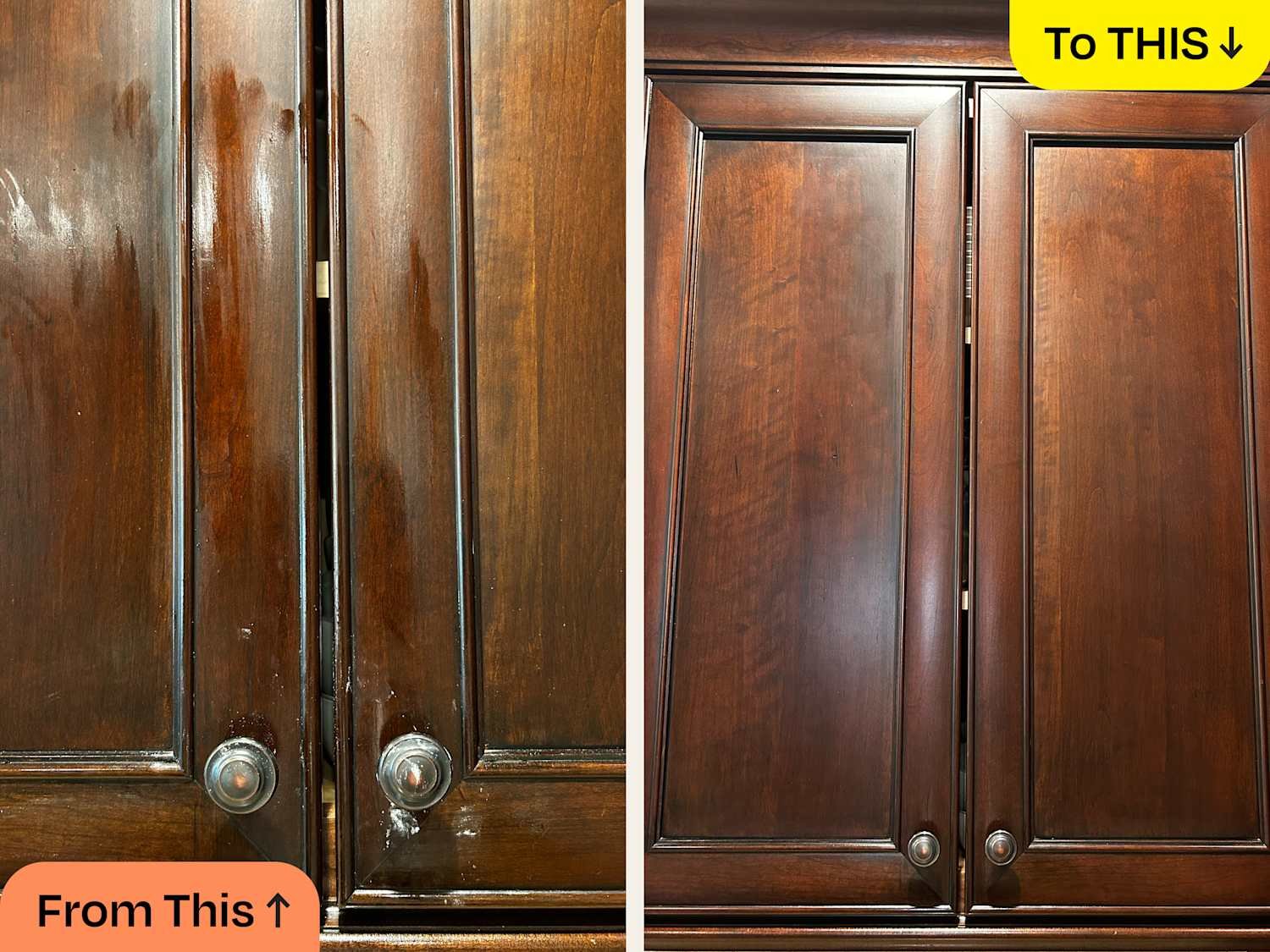
Are you tired of battling stubborn grease on your kitchen cabinets? Do you find yourself scrubbing endlessly without seeing the results you want?
You’re not alone. Greasy cabinets can be a real pain, making your kitchen look dull and uninviting. But what if there was a way to make cleaning them easier and more effective? Picture your cabinets gleaming and spotless, restoring the fresh look you love.
In this guide, we’ll uncover the best methods to tackle that grease once and for all. You’ll discover simple, yet powerful techniques that can transform your cleaning routine. Ready to say goodbye to grease and hello to shine? Let’s dive in and unlock the secrets to sparkling cabinets!

Credit: shopping.yahoo.com
Causes Of Greasy Cabinets
Cooking splatters and accumulated dust are common causes of greasy cabinets. Frequent handling adds to the grime. Regular cleaning helps maintain their shine and longevity.
Greasy cabinets can be a real eyesore in an otherwise spotless kitchen. Understanding the root causes of this common issue is key to tackling it effectively. Many factors contribute to the buildup of grease on cabinets, often without you even realizing it.Cooking Fumes
Every time you cook, tiny particles of grease are released into the air. These particles eventually settle on surfaces, including your cabinets. Over time, they form a sticky layer that’s difficult to clean.Lack Of Regular Cleaning
It’s easy to overlook the need to clean your cabinets regularly. If you let the grease accumulate, it becomes more stubborn and harder to remove. A quick wipe-down after cooking can prevent long-term buildup.Poor Ventilation
Without proper ventilation, steam and grease from cooking can linger in the air. This can lead to a higher concentration of grease particles settling on your cabinets. Ensure your kitchen has adequate airflow to minimize this problem.Use Of Certain Cooking Oils
Some oils, like olive and coconut, tend to release more particles when heated. If these are your go-to oils, your cabinets might be more prone to grease buildup. Consider switching to oils that produce less residue.Cooking At High Temperatures
High temperatures can cause more grease to vaporize and spread throughout your kitchen. Adjusting your cooking methods can help reduce the amount of grease that ends up on your cabinets.Frequent Frying
Frying foods releases a significant amount of grease into the air. If you’re a fan of fried foods, your cabinets might bear the evidence. Try using a splatter guard or frying less often to keep your cabinets cleaner. Understanding these causes can help you take proactive steps in maintaining your cabinets. Have you noticed any of these factors contributing to greasy cabinets in your home? Identifying the culprit is the first step to a cleaner kitchen.Common Mistakes
Many people scrub too hard, damaging cabinet surfaces. Others use strong chemicals, causing discoloration. Proper technique ensures lasting cleanliness without harm.
Cleaning greasy cabinets can be quite the ordeal, especially if you unknowingly fall into common pitfalls. Many people make mistakes that result in wasted time and effort, or worse, damage to their cabinets. Understanding these mistakes can save you from a frustrating cleaning experience and help maintain the longevity of your kitchen’s appearance.Using Harsh Chemicals
Sometimes, people assume that stronger chemicals will get the job done faster. While these might remove grease effectively, they can also strip away the finish on your cabinets, leaving them dull and damaged. Always opt for mild cleaners that are safe for your cabinet material.Scrubbing Too Hard
It’s tempting to put some elbow grease into cleaning stubborn spots, but vigorous scrubbing can scratch or wear down the surfaces. Instead, use gentle circular motions with a soft cloth or sponge to avoid harming your cabinets.Ignoring Cabinet Interiors
Grease doesn’t just settle on the outside. Neglecting the inside of your cabinets means missing a significant portion of the grime. Make it a habit to clean both the exterior and interior to ensure a thorough clean.Skipping Regular Maintenance
Waiting until grease builds up makes the cleaning process more challenging. Regularly wiping down your cabinets can prevent grease from accumulating, making your cleaning routine easier and quicker.Using Abrasive Tools
Avoid using abrasive pads or brushes that can scratch the cabinet surfaces. Opt for a soft-bristled brush or microfiber cloth that won’t damage your cabinets. Have you ever found yourself making one of these mistakes? Learning from these common missteps can transform your cleaning routine into an efficient process, ensuring your cabinets remain as pristine as the day you installed them.Essential Cleaning Supplies
Mix baking soda with dish soap for a powerful grease remover. Apply with a sponge, then wipe clean. Finish with a damp cloth to remove residue and restore shine.
Cleaning greasy cabinets requires the right tools and supplies. Without them, the job becomes difficult and less effective. Equipping yourself with essential cleaning supplies makes the task smoother and more efficient. Here is a list of must-have items to tackle greasy cabinets effectively.Microfiber Cloths
Microfiber cloths are perfect for cleaning cabinets. They trap dirt and grease efficiently. These cloths are soft, preventing scratches on surfaces. Wash and reuse them for multiple cleaning sessions.Dish Soap
Dish soap is a common household item for cutting grease. Mix it with warm water to create a gentle cleaning solution. It breaks down grease without damaging cabinet surfaces.White Vinegar
White vinegar is a natural cleaner known for its grease-cutting ability. Mix it with water to create a powerful cleaning solution. It’s also safe and non-toxic for kitchen use.Baking Soda
Baking soda is a mild abrasive that helps scrub away stubborn grease. Make a paste with water and apply it to greasy spots. Rinse thoroughly to avoid leaving residue.Spray Bottle
A spray bottle helps apply cleaning solutions evenly. Fill it with your vinegar-water or dish soap mixture. This ensures easy and precise application on cabinets.Scrub Brush
A scrub brush is useful for tackling tough grease spots. Look for one with soft bristles to prevent scratches. Use it to gently scrub away stubborn grime.Rubber Gloves
Rubber gloves protect your hands from cleaning solutions. They also provide better grip while handling wet cloths and brushes. Always wear them for comfort and safety.Bucket
A bucket is essential for holding cleaning solutions. It also helps rinse cloths and brushes during the cleaning process. Choose a sturdy bucket with a handle for easy transport.Natural Cleaning Solutions
White vinegar and warm water effectively clean greasy cabinets. Add a few drops of dish soap for extra power. Use a soft cloth to scrub gently, removing stubborn grease without harsh chemicals.
Cleaning greasy cabinets can be a daunting task, especially when you’re trying to avoid harsh chemicals. Natural cleaning solutions offer a gentle yet effective way to tackle grime, making your kitchen sparkle without compromising your health. These eco-friendly alternatives are not only easy on your cabinets but also kind to the planet.Baking Soda And Water Paste
Baking soda is a powerhouse when it comes to cutting through grease. Mix baking soda with a little water to form a thick paste. Apply this paste to the greasy areas using a soft cloth or sponge. Gently scrub the cabinets in circular motions, then wipe away the residue with a damp cloth. You’ll be surprised at how this simple solution can restore the shine to your cabinets.Vinegar And Water Solution
Equal parts of vinegar and water can work wonders on greasy surfaces. Pour the mixture into a spray bottle for easy application. Spray it directly onto the cabinets and let it sit for a few minutes. The vinegar will break down the grease, making it easier to wipe away with a clean cloth. Don’t worry about the smell—vinegar’s scent dissipates quickly, leaving your kitchen fresh.Lemon Juice And Olive Oil
Combine the cleaning power of lemon juice with the conditioning properties of olive oil. Mix one part lemon juice with two parts olive oil. Use a soft cloth to apply the mixture to your cabinets. This not only cleans but also nourishes the wood, leaving a beautiful sheen. It’s like a mini spa treatment for your cabinets!Cornstarch And Water Mixture
Cornstarch isn’t just for thickening sauces; it’s also great for cleaning. Mix cornstarch with water to create a paste. Apply it to greasy spots and let it dry. Once dried, wipe it off with a damp cloth. This method is particularly useful for stubborn spots that don’t respond to other treatments.Castile Soap And Warm Water
Castile soap, made from olive oil, is a gentle yet effective cleaner. Add a few drops of Castile soap to warm water in a spray bottle. Shake well and spray onto your cabinets. Wipe with a soft cloth to remove grease and grime. This solution is perfect for regular maintenance, keeping your cabinets clean and fresh. By using these natural solutions, you’re not only cleaning your cabinets but also making a conscious choice for a healthier home environment. Have you tried any of these methods before? What other natural solutions do you recommend? Share your thoughts and experiences in the comments below!Step-by-step Cleaning Process
For sparkling clean cabinets, first, remove all items and dust the surfaces. Mix warm water with dish soap, and gently scrub. Wipe with a damp cloth to remove soap residue. Dry thoroughly to prevent moisture damage. This simple process leaves your cabinets grease-free and fresh.
Cleaning greasy cabinets can be daunting. But breaking it into steps simplifies it. Follow this guide to restore your cabinets’ shine. This process ensures thorough cleaning and easy-to-follow instructions.Gather Your Cleaning Supplies
First, assemble your tools. You’ll need a microfiber cloth, dish soap, baking soda, a spray bottle, and warm water. A gentle scrub brush might help for stubborn spots. Having everything ready speeds up the process.Prepare The Cleaning Solution
Mix a few drops of dish soap in warm water. Use a spray bottle for easy application. For tougher grease, add a bit of baking soda. Stir until dissolved. This solution cuts through grease without damaging surfaces.Remove Cabinet Contents
Empty your cabinets before cleaning. This prevents damage to items inside. It also allows you to reach every corner. Organizing as you go can be beneficial.Wipe Down The Exterior
Spray the cleaning solution on cabinet exteriors. Use a microfiber cloth to wipe. Move in a circular motion to lift grease effectively. Focus on handles and edges where buildup occurs.Scrub Stubborn Spots
For tough grease stains, use a gentle scrub brush. Dip it into the cleaning solution. Apply light pressure to avoid scratching. Repeat as needed until spots disappear.Clean The Interior
Spray the inside surfaces lightly. Wipe with a clean cloth. Pay attention to corners and shelves. Make sure no residue remains.Rinse And Dry
Rinse your cloth in clean water. Wipe down the cabinets again. This removes any soap residue. Dry with a separate towel to prevent water spots.Replace Contents
Once cabinets are dry, return the contents. Arrange items neatly for easy access. This is a great time to declutter and organize.Regular Maintenance
To keep cabinets grease-free, clean regularly. Wipe down every few weeks. Address spills immediately to prevent buildup. Regular upkeep saves time and effort in the long run.
Credit: therainbowplanner.com
Regular Maintenance Tips
Greasy cabinets need effective cleaning methods for a sparkling finish. Mix warm water and mild dish soap to create a gentle cleaning solution. Apply with a soft cloth, scrubbing gently to remove grease without damaging the surface. Regular attention keeps cabinets looking fresh and extends their lifespan.
Regular cabinet maintenance keeps your kitchen looking fresh and clean. Greasy buildup can make cabinets look dull and sticky. Regular cleaning helps prevent this. Consistent care extends the life of your cabinets, maintaining their shine.Use Gentle Cleaners
Choose mild soap mixed with warm water for cleaning. Avoid harsh chemicals that damage the surface. Test on a small area first to ensure safety.Soft Cloths For Wiping
Use a soft, lint-free cloth for wiping cabinets. Microfiber cloths are ideal. They trap dust and grease without scratching.Regular Dusting
Dust cabinets weekly to prevent buildup. A simple dusting reduces grime accumulation.Immediate Spill Cleanup
Wipe spills immediately to prevent stains. Quick action keeps surfaces spotless.Monthly Deep Clean
Deep clean monthly with a gentle cleaner. Focus on handles and edges where grease accumulates.Maintain Ventilation
Good kitchen ventilation prevents grease buildup. Use range hoods during cooking to minimize airborne grease.Inspect For Damage
Check for scratches and nicks regularly. Address issues immediately to prevent further damage.Avoid Excess Water
Do not soak cabinets with water. Excess moisture can damage the finish. Dry thoroughly after cleaning. By following these simple maintenance tips, your cabinets will stay clean and last longer.Protective Measures
Cleaning greasy cabinets can be a daunting task, but taking the right protective measures can make all the difference. By safeguarding your surroundings and yourself, you can ensure the process is as smooth as possible. Let’s dive into some practical tips to keep your kitchen safe and tidy while tackling those stubborn grease stains.
Use Protective Gear
Before you begin, consider wearing protective gloves to shield your hands from harsh cleaning agents. An apron can also help keep your clothes free from accidental splashes. Safety goggles are a smart choice if you’re using particularly strong cleaners.
Cover Your Floors
Protect your floors from potential spills by laying down old towels or newspapers. This not only prevents staining but also makes cleanup easier. You’ll thank yourself later when all you have to do is toss the coverings in the wash or recycling bin.
Ventilate The Area
Open windows or turn on fans to ensure proper ventilation in your kitchen. This helps dissipate any strong fumes from cleaning products. A well-ventilated space makes the task more comfortable and safer for you.
Test Cleaning Products
Always test a small, hidden area of your cabinet with any new cleaner to ensure it won’t cause damage. You don’t want to discover a cleaner is too harsh after it has already marred your cabinet’s finish. A quick spot test can save you from unwanted surprises.
Secure Cabinet Contents
Remove items from your cabinets to prevent them from getting dirty or damaged during cleaning. It also gives you a chance to declutter or reorganize. Plus, having empty cabinets ensures you can reach every nook and cranny.
Have you ever considered how these protective steps might save you time and hassle in the long run? By preparing your space and yourself, you set the stage for a successful and efficient cleaning session, leaving your kitchen looking fresh and inviting.
Expert Recommendations
Mix equal parts vinegar and water for an effective cabinet cleaner. Apply with a soft cloth and wipe gently. This solution dissolves grease without damaging finishes.
Cleaning greasy cabinets can be a daunting task, but with expert recommendations, it becomes manageable and even satisfying. Each approach offers unique advantages, ensuring you have options that fit your style and needs. By following these tried-and-true methods, you can achieve a sparkling kitchen without the frustration.Use Baking Soda And Water
Mix baking soda with water to form a paste. Apply this to the greasy areas using a sponge or cloth. The mild abrasive nature of baking soda helps lift grime without damaging the surface.Vinegar Solution
Combine equal parts vinegar and water in a spray bottle. Spray onto the cabinets and wipe clean. Vinegar cuts through grease effectively and leaves a fresh scent.Dish Soap And Warm Water
Add a few drops of dish soap to warm water. Dip a cloth into the solution and scrub the cabinets. Dish soap is designed to tackle grease, making it a perfect choice for kitchen cabinets.Commercial Degreaser
Choose a commercial degreaser specifically formulated for kitchen surfaces. Follow the instructions on the label for best results. These products are powerful and can save time for tougher jobs.Use Lemon Juice
Squeeze fresh lemon juice onto a sponge or directly onto the greasy spots. Lemon juice is a natural degreaser and leaves a pleasant citrus aroma.Magic Eraser
Dampen a magic eraser and gently scrub the greasy areas. This tool is effective for stubborn stains and requires minimal effort.Regular Maintenance
Consider establishing a routine cleaning schedule. Regularly wiping down cabinets can prevent the buildup of grease, making deep cleans less frequent and easier. Have you considered how these simple methods could transform your cleaning routine and overall kitchen experience? The key is in discovering which solution best suits your needs and sticking to it.
Credit: www.facebook.com
Frequently Asked Questions
How To Clean Very Greasy Kitchen Cabinets?
Clean greasy kitchen cabinets with a mix of vinegar and water. Apply, scrub gently, then rinse with water. For stubborn grease, use baking soda paste. Dry cabinets thoroughly with a clean cloth to prevent moisture damage. Regular maintenance helps keep cabinets grease-free.
Does Murphy’s Oil Soap Remove Grease From Kitchen Cabinets?
Yes, Murphy’s Oil Soap effectively removes grease from kitchen cabinets. It cleans without leaving residue. Dilute the soap in warm water. Gently scrub the cabinets with a soft cloth or sponge. Rinse with clean water and dry with a towel.
Always test on a small area first.
What Is The Best Degreaser For Kitchen Cabinets?
Simple Green All-Purpose Cleaner is a top degreaser for kitchen cabinets. It effectively removes grease and grime. It’s non-toxic and safe for most surfaces. Alternatively, you can use a homemade solution of vinegar and water. This natural mixture effectively cleans and degreases, offering an eco-friendly option.
Does Magic Eraser Work On Greasy Cabinets?
Magic erasers effectively clean greasy cabinets. Their micro-abrasive texture removes grime without harsh chemicals. Wet the eraser and gently scrub surfaces. Avoid excessive pressure to prevent damage. Always test on a small area first for safety. Regular cleaning keeps cabinets looking fresh and grease-free.
Conclusion
Cleaning greasy cabinets doesn’t have to be hard. Choose natural cleaners like vinegar. They cut through grease effectively. Use a soft cloth to avoid scratches. Regular cleaning keeps cabinets fresh. Tackle spills quickly to prevent buildup. Let the cabinet shine with a final wipe.
Enjoy the clean and tidy look. Your kitchen feels more inviting. Clean cabinets make cooking more fun. Keep your cleaning routine simple. Maintain a healthy kitchen environment. Always prioritize safety and efficiency. Remember, clean cabinets mean a happy kitchen. A little effort goes a long way.
