

Are you tired of stubborn grime and dirt clinging to your surfaces? A scrub brush might just be your new best friend.
This simple tool is your secret weapon for achieving a spotless home or workspace, but do you know how to use it effectively? Imagine the satisfaction of seeing your tiles gleaming, your kitchen counters spotless, and your bathroom pristine. When you master the art of using a scrub brush, you unlock the power to transform any dirty surface into a shining masterpiece.
Ready to discover the tips and tricks that will make cleaning less of a chore and more of a breeze? Stick around, because this guide is about to make your cleaning routine easier and much more effective.
Choosing The Right Scrub Brush
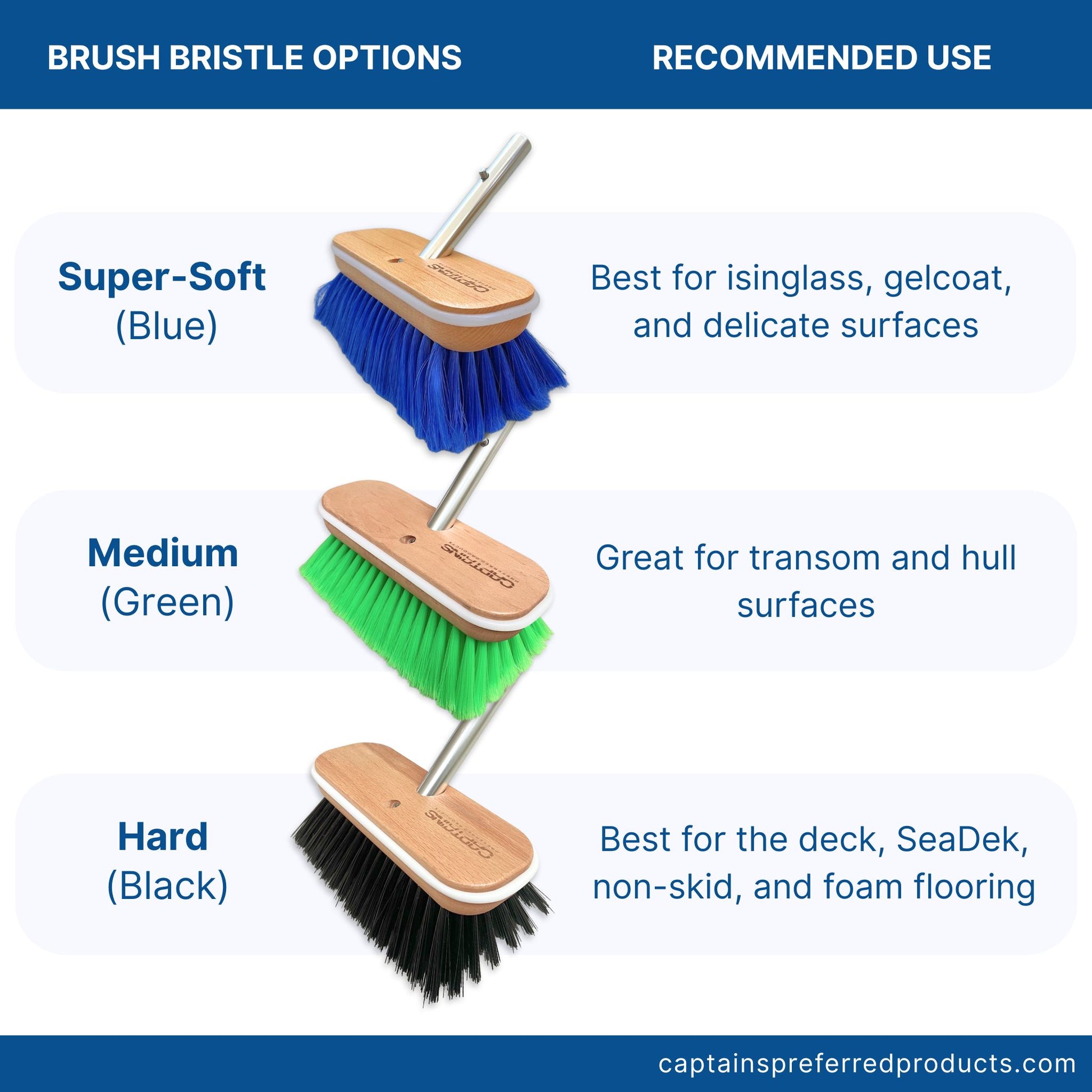
Choosing the right scrub brush is a crucial step in ensuring that your cleaning tasks are both efficient and effective. The perfect brush can make all the difference in the world, helping you tackle grime with minimal effort. Whether you’re scrubbing floors, tiles, or outdoor furniture, selecting the right tool for the job is essential. Let’s dive into the factors you should consider when picking out your next scrub brush.
Types Of Scrub Brushes
Scrub brushes come in various shapes and sizes, each designed for specific tasks. Floor scrub brushesare typically larger with stiff bristles, perfect for tackling expansive areas. Tile and grout brusheshave narrow heads and firmer bristles to reach into tight spaces.
Consider dish scrub brushesfor kitchen use; they often have softer bristles to avoid scratching delicate surfaces. For outdoor cleaning, you might need a deck scrub brushthat can withstand rough surfaces and weather conditions.
Materials And Durability
The material of the brush and its bristles will determine its durability and suitability for different jobs. Plastic brushesare lightweight and resistant to water, making them ideal for wet environments. Wooden brushes, while more traditional, can be more durable but may require extra care to prevent water damage.
For bristles, nylonand polypropyleneare popular due to their durability and resistance to wear. Natural bristle brushes, like those made from tampicoor horsehair, are softer and better for delicate surfaces.
Size And Grip Considerations
The size of the brush should match the job at hand. A larger brush can cover more area quickly but may be cumbersome in small spaces. Conversely, a smaller brush offers precision but might require more time and effort.
Grip is another crucial aspect, especially for extended cleaning sessions. Look for brushes with ergonomic handlesthat fit comfortably in your hand. Some brushes come with non-slip grips, which can be particularly useful if your hands get wet or soapy.
When was the last time you picked a tool that felt just right in your hand? That’s the feeling you’re aiming for when choosing a scrub brush. Make your cleaning tasks easier by choosing wisely.
Preparing For Cleaning
Cleaning can be a rewarding task, but only if you start with the right preparation. Before you begin scrubbing away grime, ensuring you’re fully prepared is key. This involves gathering your supplies, understanding safety precautions, and assessing the surface to be cleaned. Let’s dive into these essential steps for a successful cleaning session.
Gathering Cleaning Supplies
Imagine reaching for your scrub brush, only to realize you’re missing essential cleaning products. Frustrating, right? To avoid this, create a checklist of the supplies you need. A sturdy scrub brush, cleaning solution, gloves, and towels are a good start. Don’t forget a bucket for mixing solutions if needed. Having everything ready saves time and keeps you focused on the task.
Safety Precautions
Before you start scrubbing, think about safety. Are your cleaning solutions safe for skin contact? Wearing gloves can protect your hands from harsh chemicals and abrasive surfaces. Ensure good ventilation to avoid inhaling fumes. Have you ever felt dizzy or irritated eyes while cleaning? That’s a sign you need to improve air circulation in the space.
Surface Assessment
Not all surfaces require the same treatment. Assess the material you’re about to clean. Is it delicate or resilient? Some surfaces might need gentle care, while others can withstand vigorous scrubbing. You wouldn’t use the same brush on a wooden table as you would on a concrete patio, right? Tailor your approach to the surface to avoid damage and ensure effective cleaning.
Effective Scrubbing Techniques
Scrubbing may seem like a straightforward task, but using the right technique can make all the difference. Whether you’re cleaning your bathroom tiles or scrubbing a stubborn stain from your kitchen countertop, effective techniques can save you time and effort. Let’s explore some practical methods to maximize the effectiveness of your scrub brush.
Circular Motion Technique
Using a circular motion with your scrub brush can be incredibly effective for lifting dirt and grime. This technique helps to cover more surface area and ensures that you don’t miss spots. Try it on surfaces like bathtubs or large kitchen counters where grime tends to accumulate.
When using this technique, imagine you’re waxing a car—small, controlled circles work best. You’ll likely notice stubborn spots yielding faster as you maintain this consistent motion.
Back-and-forth Motion
The back-and-forth motion is ideal for linear surfaces such as grout lines or edges. This technique allows you to focus your efforts precisely where they’re needed most.
Think about scrubbing the grout in your bathroom. By moving the brush in a straight line, you can effectively target the narrow spaces where dirt tends to hide.
Pressure Control
Applying the right amount of pressure is crucial. Too much pressure could damage surfaces, while too little might not remove the dirt. Your goal is to find a balance that effectively cleans without causing harm.
Consider how you scrub a delicate surface versus a rough one. Adjust your grip and pressure accordingly to ensure you’re being efficient and careful.
Next time you’re faced with a cleaning task, think about your technique. Are you using the right motion? Is your pressure balanced? Mastering these techniques can transform your cleaning routine into an efficient and satisfying endeavor.
Credit: captainspreferredproducts.com
Cleaning Different Surfaces
A scrub brush effectively cleans various surfaces like floors, tiles, and countertops. Apply gentle pressure in circular motions to remove dirt. Choose a brush with the right bristle type for specific surfaces to avoid damage.
Cleaning different surfaces with a scrub brush can be straightforward. Each surface requires specific care and techniques for effective cleaning. Using a scrub brush properly helps maintain the longevity and appearance of these surfaces. Let’s explore the best ways to clean various surfaces in your home and beyond.Kitchen Surfaces
Kitchen surfaces collect grease and food stains. Use a scrub brush with soft bristles. Dip it in warm, soapy water. Gently scrub countertops and sinks. Rinse with clean water. Dry with a soft cloth. This keeps your kitchen clean and sanitary.Bathroom Tiles
Bathroom tiles often gather soap scum and mildew. A scrub brush with firm bristles works best. Apply a tile cleaner or vinegar solution. Scrub in circular motions. Pay attention to grout lines. Rinse thoroughly. Wipe the tiles dry to avoid water spots.Outdoor Areas
Outdoor areas face dirt and weather elements. Use a sturdy scrub brush for patios and decks. Mix water with a mild detergent. Scrub surface areas vigorously. Focus on stubborn stains. Rinse with a hose. Allow the area to air dry completely. Cleaning different surfaces with the right techniques keeps them looking fresh and clean.Maintaining Your Scrub Brush
Proper care keeps your scrub brush effective. Rinse thoroughly after use to remove debris. Let it air dry completely to prevent mold growth. Regular cleaning extends its life and maintains hygiene.
Maintaining Your Scrub Brush A well-maintained scrub brush not only lasts longer but also performs better. You wouldn’t want your cleaning tool to be a breeding ground for germs, right? Proper upkeep ensures that your brush remains effective and hygienic.Proper Cleaning Methods
After each use, rinse your scrub brush thoroughly under hot water. This helps remove any debris or soap that might be trapped in the bristles. For a deeper clean, soak the brush in a mixture of water and vinegar for about 15 minutes. Scrub the handle and the base of the bristles with a small brush or a toothbrush. This prevents the buildup of grime in these areas. Remember to let the brush air dry completely to prevent mold growth.Storage Tips
Where you store your scrub brush matters. Keep it in a dry place away from direct sunlight. This helps prevent the bristles from becoming brittle and breaking. Consider hanging your brush using a hook. This allows the water to drip off and keeps the bristles in good shape. Avoid storing it bristle-side down in a container, as this can deform the bristles over time.Replacing Old Brushes
Even the best-maintained scrub brush has a lifespan. Inspect your brush regularly for signs of wear and tear. Are the bristles frayed or losing their stiffness? If your brush isn’t cleaning as effectively as it once did, it might be time for a replacement. Don’t wait until it’s completely ineffective—your cleaning tasks deserve the best tools.
Credit: kent.ca
Troubleshooting Common Issues
Understanding how to use a scrub brush efficiently can prevent common issues like residue buildup. Ensure the brush bristles are clean and firm for effective scrubbing. Regular maintenance of the brush can enhance its longevity and performance, keeping surfaces spotless.
Troubleshooting common issues with scrub brushes can save time and effort. Understanding potential problems helps maintain their effectiveness. This guide addresses frequent challenges you may face.Dealing With Stubborn Stains
Stubborn stains require more effort and technique. Apply extra pressure with the brush. Use a circular motion for better results. Consider using a cleaning solution. Allow the solution to sit for a few minutes. This softens the stain, making it easier to remove. Avoid scrubbing too hard, as this can damage surfaces.Avoiding Surface Damage
Surface damage occurs with excessive force. Test a small area first. Choose a brush suitable for the surface type. Use softer bristles for delicate surfaces. Rinse the surface after scrubbing to remove residue. This helps prevent long-term damage. Always follow product instructions for both brushes and surfaces.Handling Brush Wear And Tear
Brushes wear out over time with regular use. Inspect brushes regularly for signs of wear. Replace brushes with frayed or broken bristles. Store brushes properly to prolong their lifespan. Rinse them thoroughly after each use. Allow them to dry completely to prevent mold. Proper care ensures brushes last longer and work effectively.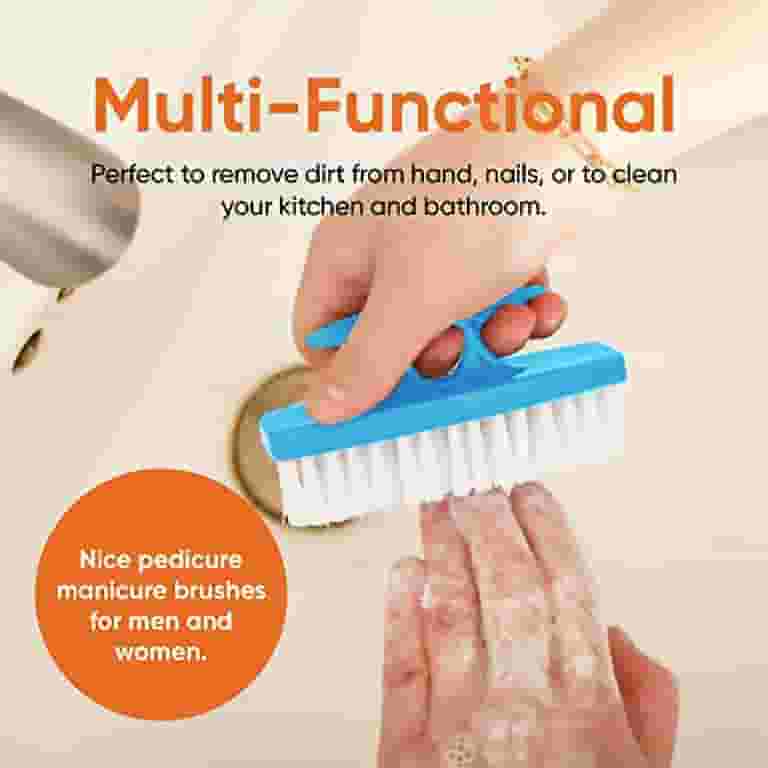
Credit: www.walmart.com
Frequently Asked Questions
How To Use A Scrubbing Brush?
Wet the surface and apply cleaner. Grip the scrubbing brush firmly. Scrub in circular motions. Rinse thoroughly. Let it dry.
How To Properly Use An Exfoliating Brush?
Use the exfoliating brush gently on damp skin in circular motions. Avoid over-scrubbing to prevent irritation. Limit use to 2-3 times a week for best results. Rinse the brush after each use and let it dry completely. Moisturize the skin afterward to maintain hydration.
How To Properly Use A Scrubber?
Wet the scrubber and apply a small amount of cleanser. Gently scrub in circular motions. Rinse thoroughly and dry. Use once or twice a week for best results. Avoid over-scrubbing to prevent skin irritation.
How To Use A Scrub Brush For Hair?
To use a scrub brush for hair, gently massage the scalp in circular motions. Apply shampoo beforehand. This boosts blood circulation and removes buildup. Use 2-3 times a week for best results. Rinse thoroughly and follow with conditioner for smooth hair.
Conclusion
Using a scrub brush can make cleaning easier and more effective. Choose the right brush for your task. Always apply the right pressure to avoid damage. Remember to rinse the brush after use to keep it clean. Store it in a dry place to prevent mold.
Regular maintenance keeps your brush in good condition. A well-cared-for brush lasts longer. Clean surfaces look better and stay hygienic. Try different techniques for best results. Cleaning can be a simple task with the right tools. Keep practicing and soon it will become second nature.
Enjoy a cleaner home with less effort.
