
Have you ever found yourself staring at your oven, wondering how long it will take to look spotless again? You’re not alone.
Many of us dread the task of cleaning the oven, especially when it seems like the grime and grease are impossible to remove. But what if there was a way to make this chore easier and quicker? Understanding how long oven cleaner takes to work can transform your cleaning routine.
Imagine spending less time scrubbing and more time enjoying your sparkling kitchen. We’ll dive into the secrets of oven cleaners, how they work, and what you can do to speed up the process. Keep reading to discover the answers and make your next oven cleaning session a breeze.
:max_bytes(150000):strip_icc()/spr-oven-cleaners-june-24-test-zep-zuovgr19-heavy-duty-grill-before-after-cathie-france-2-e072e9d1f23d4e6dac972aa4722bf6eb.jpeg)
Credit: www.thespruce.com
Oven Cleaner Types
Choosing the right oven cleaner can make the task of cleaning your oven much easier and more efficient. With various types available, it’s essential to understand what each offers in terms of effectiveness, safety, and cleaning time. Let’s explore the different types of oven cleaners to help you decide which might be best for your needs.
Chemical Cleaners
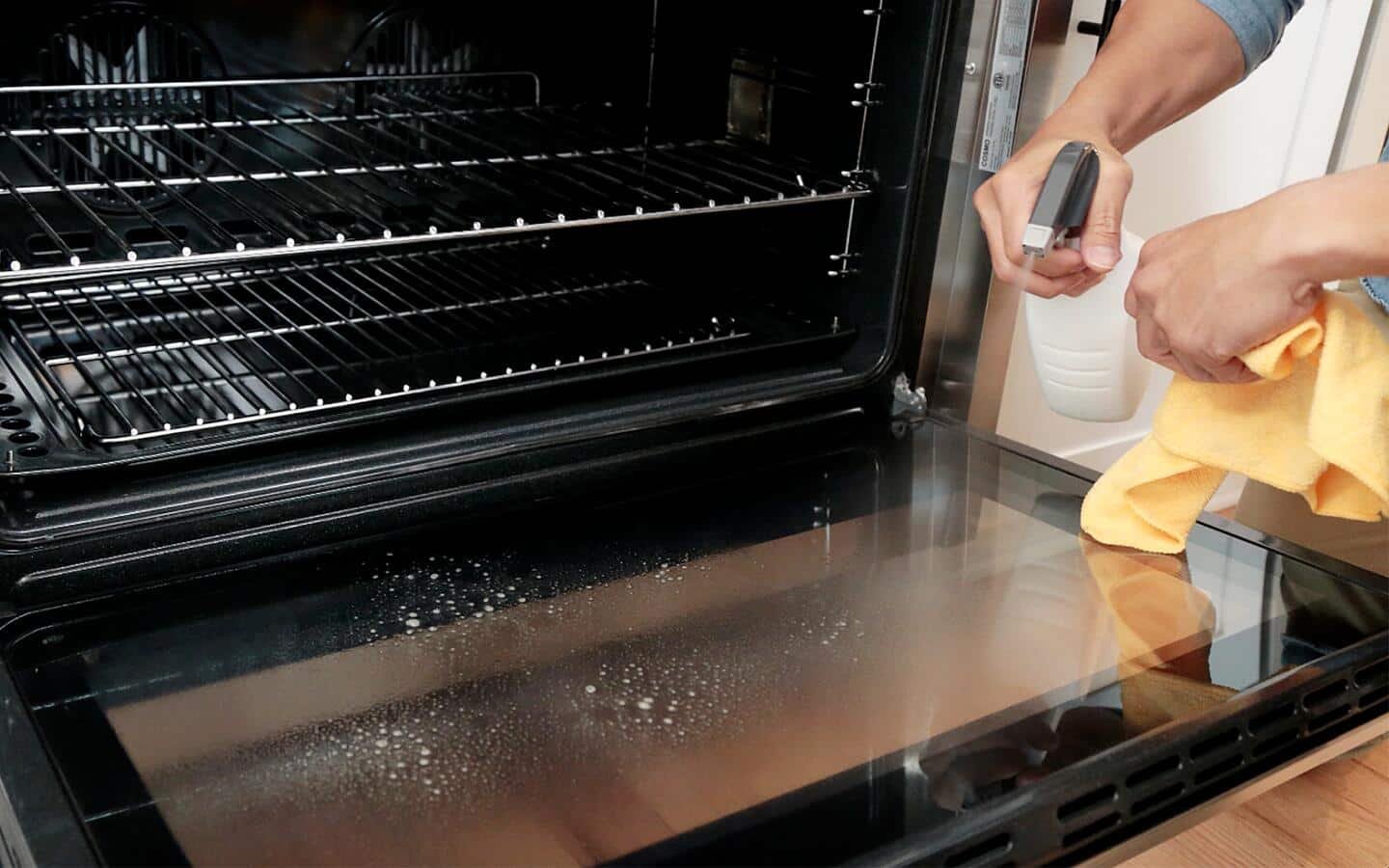
Chemical cleaners are often the go-to for a quick and thorough clean. They’re formulated to cut through stubborn grease and baked-on food with minimal effort on your part. Typically, they require you to spray the cleaner inside the oven and let it sit for about 15 to 30 minutes before wiping it off.
While effective, chemical cleaners can emit strong fumes. It’s wise to ensure proper ventilation when using them. Always wear gloves to protect your skin from potential irritation.
Natural Alternatives
If you prefer a more eco-friendly approach, natural alternatives might be your preference. Many people are turning to solutions like baking soda and vinegar, which are both gentle and effective. These usually take longer, needing several hours or even an overnight application to work their magic.
Natural cleaners are generally safer for you and the environment, making them an excellent choice if you have kids or pets at home. Plus, they often leave your oven smelling fresh without the chemical residue.
Which type of oven cleaner aligns with your values and lifestyle? The choice between chemical and natural often comes down to weighing convenience against health and environmental impact.
Credit: www.homedepot.com
Factors Influencing Cleaning Time
Understanding how long oven cleaner takes to work can be a game-changer in planning your kitchen cleaning routine. Several factors influence this timing, each affecting how quickly you’ll be ready to bake your next masterpiece. Let’s dive into these elements to help you optimize your cleaning strategy.
Type Of Oven
Different ovens have varying materials and designs, which can impact cleaning time. A stainless steel oven might require less time due to its smooth surface, while older models with textured interiors might need more effort.
Consider your oven’s design. Is it self-cleaning? If so, the cleaner might work faster since these ovens are built to handle grime more effectively.
Level Of Grease And Grime
The amount of accumulated grease and grime plays a significant role in cleaning duration. Heavy, baked-on grime naturally demands more time and a robust cleaner to tackle.
Think about your cooking habits. If you’re a fan of roasting and baking, your oven might need extra attention compared to someone who primarily uses their oven for warming.
Type Of Cleaner Used
Oven cleaners vary in their chemical composition and strength, affecting how quickly they can break down dirt. Some eco-friendly options might require a longer soaking period but are gentler on surfaces.
Have you ever tried switching brands? Some cleaners boast a faster action but could be harsher. Balancing effectiveness with safety for your oven’s material is key.
Have you ever considered how these factors interplay in your kitchen? Adjusting your approach based on your oven type, the level of grime, and the cleaner used can streamline your cleaning process, saving you time and effort. What’s your strategy for tackling a messy oven?
Average Cleaning Time
Oven cleaner usually needs 15 minutes to work effectively on tough grease and grime. Some cleaners might require up to 30 minutes for deep cleaning. Always follow product instructions for best results.
Understanding the average cleaning time for oven cleaners is crucial for planning your kitchen maintenance efficiently. You might wonder how long you need to set aside to tackle this task effectively. The answer varies depending on the type of oven you have. Let’s delve into the specifics of cleaning self-cleaning ovens and regular ovens to help you manage your time better.Self-cleaning Ovens
Self-cleaning ovens are designed to make your life easier. These ovens typically have a built-in cycle that takes about 2 to 4 hours. This cycle heats the oven to a high temperature to burn off residues, turning them into ash. While the cycle runs, you have the freedom to focus on other tasks. However, you should be aware that the room might get warm, and there could be some odor. It’s a small price to pay for the convenience of minimal manual scrubbing.Regular Ovens
Regular ovens require a bit more elbow grease. Typically, applying a commercial oven cleaner can take around 20 minutes to a few hours to soak, depending on the product’s instructions. After allowing the cleaner to work its magic, you will need to scrub away the grime. This can add another 30 minutes to an hour to your cleaning time. Have you ever put off cleaning because it seemed too time-consuming? Knowing these time frames can help you plan better and keep your kitchen sparkling. Consider setting a timer or using a smart home assistant to remind you when it’s time to check on your oven.Quick Cleaning Techniques
Oven cleaning can often seem like a daunting task, especially when you’re pressed for time. Thankfully, there are quick cleaning techniques that can help you tackle the job efficiently and effectively. Whether you’re dealing with a few stubborn spots or looking for natural alternatives, these methods will get your oven sparkling in no time.
Spot Cleaning
Spot cleaning is ideal for those times when you notice a small area of grime or grease. Instead of cleaning the whole oven, focus on the affected areas.
- Grab a damp cloth or sponge and apply a small amount of oven cleaner directly to the spot.
- Let it sit for a few minutes; this allows the cleaner to break down the grime.
- Wipe away the cleaner and residue with a clean cloth. Repeat if necessary for stubborn spots.
Spot cleaning is perfect for maintaining your oven in between deep cleans. It’s quick and leaves your oven looking fresh without much effort.
Using Baking Soda And Vinegar
Baking soda and vinegar are a dynamic duo in the world of natural cleaning. They’re not only effective but also environmentally friendly.
- Mix baking soda with water to form a paste. This is your main cleaning agent.
- Spread the paste over the dirty areas inside your oven.
- Let it sit overnight. The paste will work to loosen grime without the need for harsh chemicals.
- In the morning, spray vinegar over the baking soda. The fizzing reaction helps lift the dirt away.
- Wipe clean with a damp cloth, revealing a shiny, clean surface.
Using baking soda and vinegar is a great way to clean your oven without the chemical smell. It’s a method worth trying if you prefer natural solutions. Have you ever considered how easy it is to create your own cleaning products using items already in your pantry?
Safety Tips
Oven cleaner needs time to work. Typically, it takes 15 minutes to several hours. Always follow the product instructions for best results.
Cleaning your oven might seem like a straightforward task, but ensuring safety during the process is crucial. Oven cleaners contain potent chemicals designed to break down stubborn grease and grime. Without proper precautions, you could expose yourself to harmful fumes or skin irritations. Let’s explore some essential safety tips to keep you protected while achieving that sparkling clean oven.Ventilation Precautions
Ensuring proper ventilation is a must. Before you even open the oven cleaner, open your kitchen windows and doors. This helps to disperse any harmful fumes that might accumulate. If your kitchen is small or lacks enough airflow, consider using a fan. Position it near the oven to push out the fumes faster. Are you aware that some fumes can linger for hours? Good ventilation reduces this risk significantly.Protective Gear
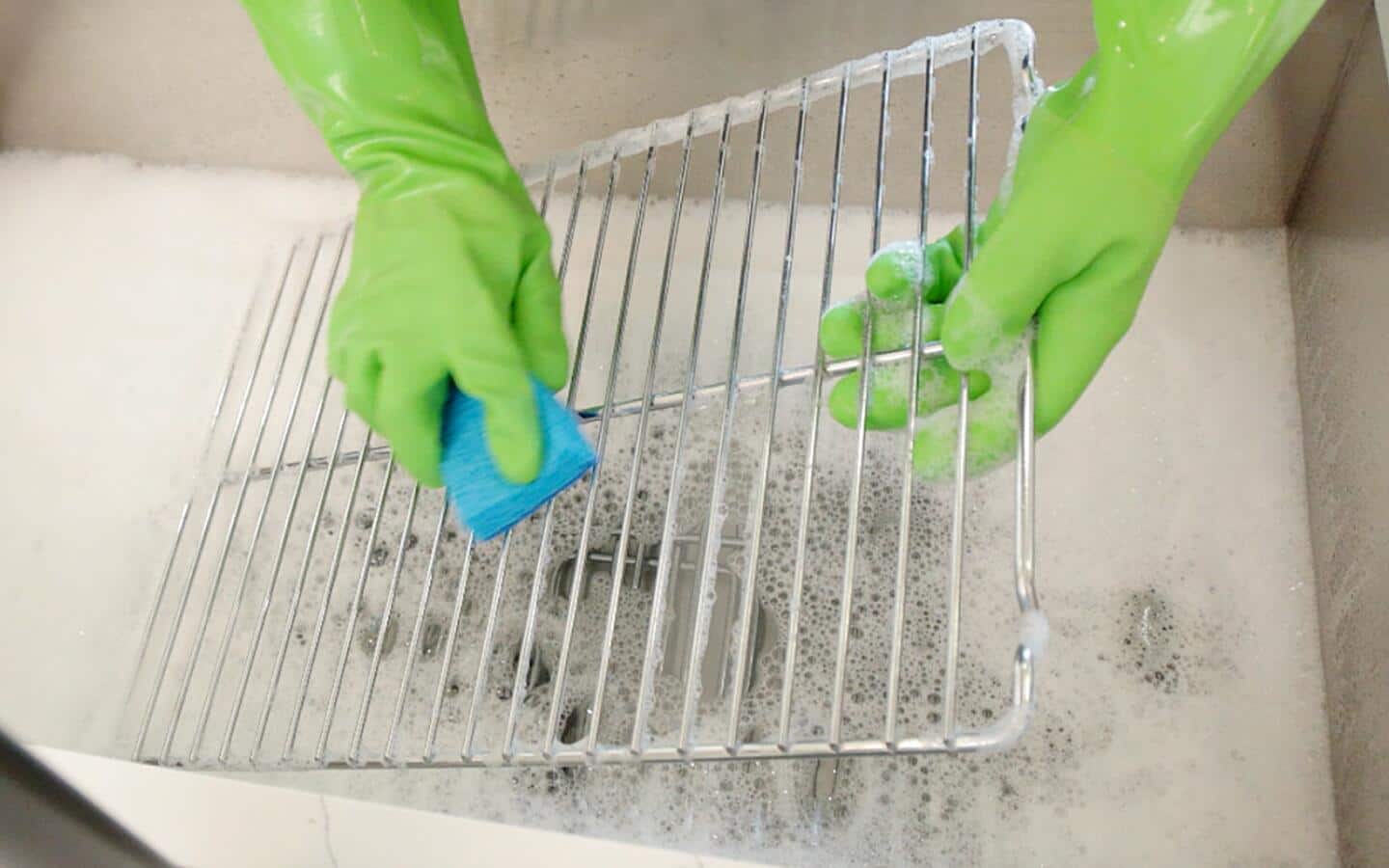
Wearing the right gear can protect your skin and eyes from potential harm. Always wear rubber gloves before handling oven cleaners. These gloves create a barrier, preventing skin irritation or burns. Consider wearing safety goggles. Accidental splashes can occur, and protecting your eyes is just as important as your skin. An apron or old clothes can also save your favorite outfit from damage. What protective measures do you have in place? Investing in the right gear is a small price to pay for your safety.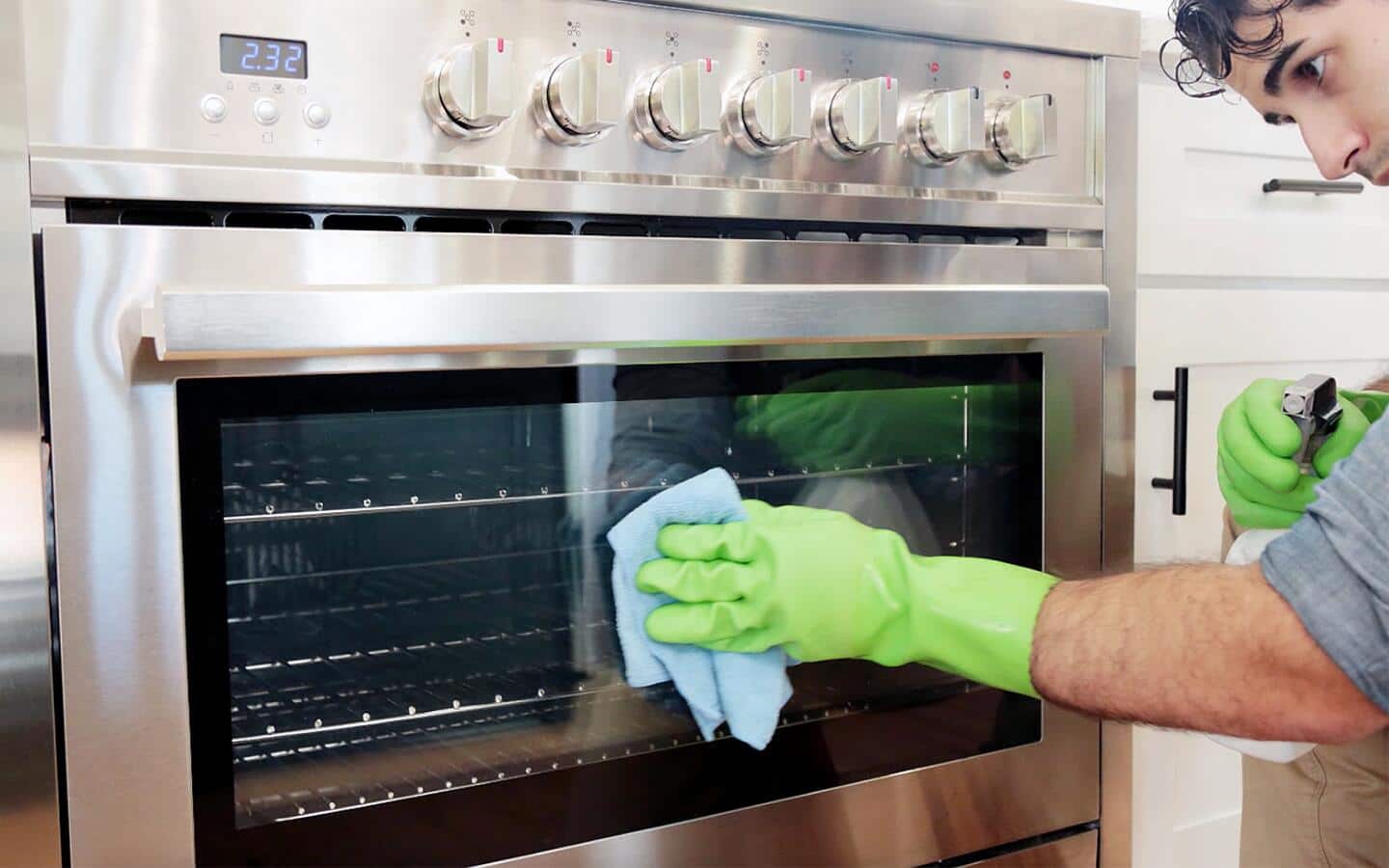
Credit: www.homedepot.com
Frequently Asked Questions
How Long Does It Take For Oven Cleaner To Work?
Oven cleaner typically takes 15-30 minutes to work. Always follow the product instructions for best results. For stubborn stains, you may need to leave it longer. Ensure proper ventilation while using the cleaner. Rinse thoroughly after cleaning to remove any residue.
Is It Safe To Use Oven After Oven Cleaner?
Yes, it’s safe after thoroughly rinsing the oven cleaner residue. Ensure the oven is dry before use. Follow all product instructions carefully to avoid chemical exposure. Proper ventilation is crucial to prevent inhaling fumes. Safety precautions enhance your cooking experience and protect your health.
Can I Stop My Self-cleaning Oven Early?
Yes, you can stop your self-cleaning oven early. Turn off the oven and let it cool. Always follow the manufacturer’s instructions for safety. Stopping mid-cycle may affect cleaning results.
How Long Does It Take For An Oven To Unlock After Self-cleaning?
An oven typically unlocks 30 to 90 minutes after the self-cleaning cycle ends. This allows the oven to cool down safely. Always consult your oven’s manual for specific details regarding your model. Regular maintenance ensures optimal performance and safety. Keep the area around the oven clear during this process.
Conclusion
Oven cleaner works at different speeds. It depends on the brand used. Some cleaners take only 15 minutes. Others need several hours to work best. Always read the instructions. Follow the guidelines for safe use. Be patient while waiting for results.
Clean ovens improve cooking quality. They also ensure a safe kitchen environment. Regular cleaning prevents grease buildup. This reduces fire risks and odors. Choose the right oven cleaner. Understand how long it takes. Keep your kitchen clean and efficient. Enjoy cooking without worries.
Clean ovens lead to better meals. Happy cooking and safe cleaning!
