
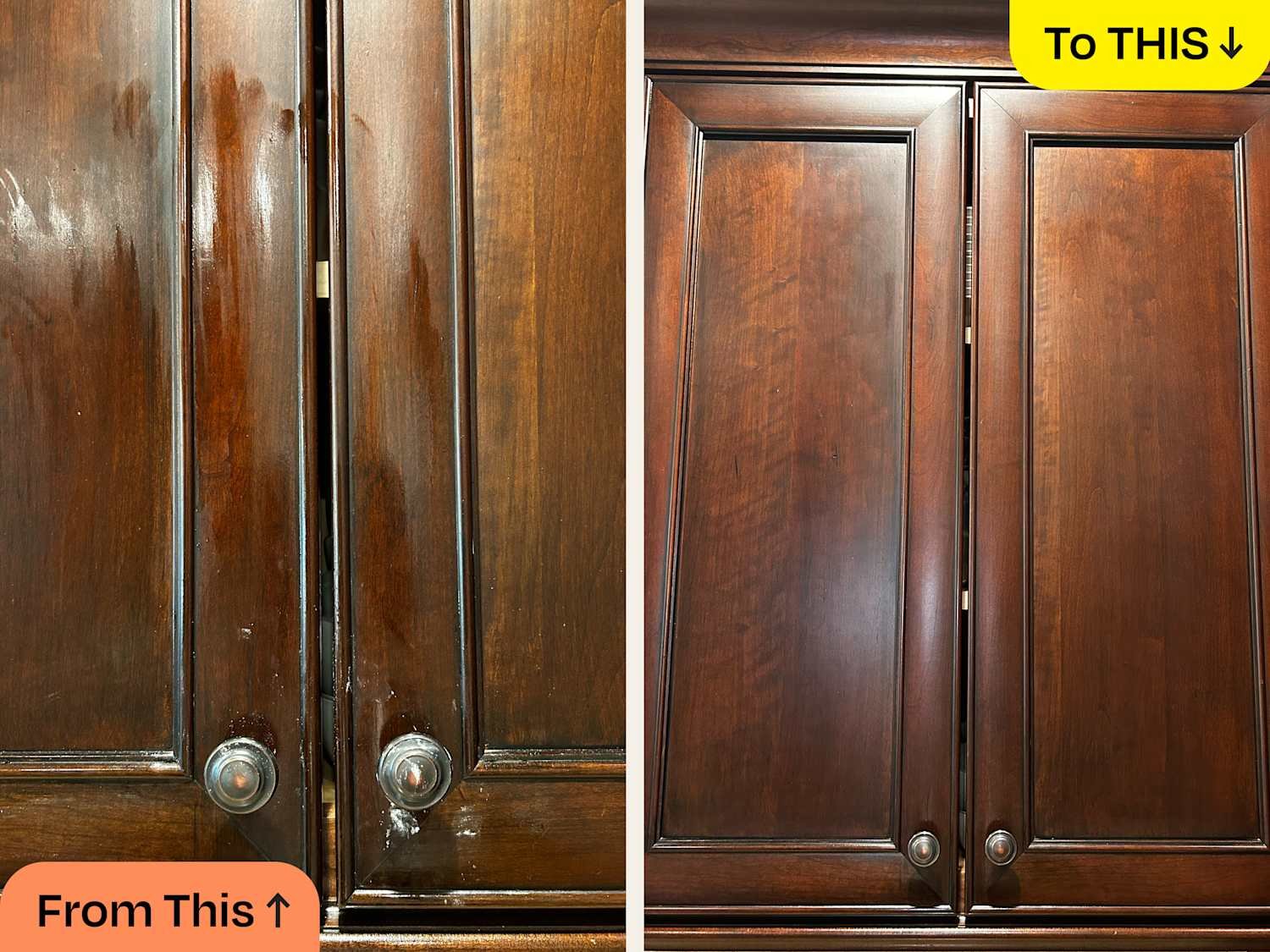
Grease stains on kitchen cabinets can be a real eyesore, can’t they? You might find yourself scrubbing endlessly, only to be left with those stubborn, sticky patches.
It’s frustrating, and you’re not alone. But what if you could discover the best way to get grease off kitchen cabinets without breaking a sweat or damaging the wood? Imagine opening your kitchen cabinets to find a sparkling, fresh surface every single time.
You deserve a kitchen that not only looks clean but feels inviting. We’ll reveal the secrets that experts swear by, ensuring your cabinets shine like new. Stay with us, and let’s transform your kitchen space together.

Credit: www.facebook.com
Natural Cleaning Remedies
Grease on kitchen cabinets can be stubborn. Many prefer natural cleaning remedies. These solutions are safe for your home and the environment. They also offer effective cleaning without harsh chemicals.
Vinegar Solution
Vinegar is a natural degreaser. Mix equal parts of vinegar and warm water. Use a soft cloth to apply the solution to greasy areas. Gently scrub the cabinets until the grease dissolves. Rinse with a damp cloth to remove residue.
Baking Soda Paste
Baking soda is a mild abrasive. It can lift stubborn grease. Create a paste with baking soda and water. Apply the paste to greasy spots. Let it sit for a few minutes. Gently scrub using a sponge or soft brush. Wipe clean with a damp cloth.
Lemon Juice Mixture
Lemon juice is a natural cleaner. Its acidity helps break down grease. Mix lemon juice with a little water. Dip a cloth in the mixture. Wipe down the greasy cabinets. The fresh scent of lemon also deodorizes the area. Rinse with clean water for a shiny finish.

Credit: www.facebook.com
Commercial Products
Grease on kitchen cabinets can be a persistent problem, but commercial products are here to save the day. These products are specifically designed to tackle stubborn grease, offering quick and efficient solutions. Let’s explore some of the most effective commercial options available to help you maintain a spotless kitchen.
Degreasing Sprays
Degreasing sprays are the superheroes of kitchen cabinet cleaning. They cut through layers of grime effortlessly, saving you from hours of scrubbing. With a simple spray and wipe, you can achieve a sparkle that rivals professional cleaning services. Most degreasing sprays are safe for various surfaces, ensuring your cabinets stay gleaming without damage.
Have you ever tried using a citrus-based degreasing spray? It not only removes grease but also leaves a refreshing scent behind. Consider experimenting with different brands to find one that suits your needs and preferences. Remember, a clean kitchen is not only about aesthetics but also about hygiene.
Dish Soap Techniques
Dish soap isn’t just for dishes; it’s a versatile cleaning agent for kitchen cabinets. Mix a few drops in warm water, and you’ll have a simple yet effective solution for grease removal. The suds help lift the oil, making it easier to wipe away.
Using a soft cloth or sponge, gently scrub the cabinets to avoid scratches. Do you have a favorite dish soap brand that works wonders? Share your experience and help others find the perfect match for their kitchen cleaning routine.
All-purpose Cleaners
All-purpose cleaners are the jack-of-all-trades in your cleaning arsenal. They offer a straightforward approach to tackling grease, making them a go-to option for many homeowners. These cleaners often come with disinfectant properties, providing a double benefit of cleanliness and sanitation.
Keep in mind, not all all-purpose cleaners are created equal. Some may be too harsh for certain cabinet materials. Always test a small area first to ensure compatibility. How do you choose your all-purpose cleaner? Is it based on scent, effectiveness, or perhaps eco-friendliness?
Exploring these commercial products can transform your kitchen cleaning routine. Why not give them a try and share your results with fellow readers? A cleaner kitchen is just a product away!
Diy Cleaning Techniques
Mix warm water with dish soap for a simple grease remover. Wipe cabinets gently with a soft cloth. For stubborn spots, add baking soda to the mix for extra cleaning power. Rinse and dry thoroughly to prevent residue.
Cleaning kitchen cabinets can be a daunting task, especially when faced with stubborn grease. However, you don’t need to break the bank with expensive products. With a few simple DIY cleaning techniques, you can restore your cabinets to their former glory. It’s about finding what works for you and your kitchen’s unique challenges.In this section, we’ll explore some easy and effective methods to get your cabinets sparkling clean.Warm Water Method
Start with the basics: warm water. It might surprise you how effective warm water can be against grease. Fill a bowl with warm water, adding a few drops of dish soap. Dip a soft cloth into the mixture and gently scrub the greasy areas. Rinse with clean water and wipe dry. You’d be amazed how often simple solutions like this get overlooked.Microfiber Cloth Usage
Microfiber cloths are your kitchen’s best friend. Their fine fibers grab onto grease and grime, making cleaning easier. Lightly dampen the cloth with water or a gentle cleaning solution. In circular motions, wipe down the cabinet surfaces. Their reusable nature also makes them an eco-friendly choice.Old Toothbrush Scrub
Ever thought about using an old toothbrush for cleaning? It’s a game-changer for those hard-to-reach spots. Apply a bit of dish soap to the toothbrush bristles. Gently scrub the corners and crevices of your cabinets. This technique is perfect for intricate designs or stubborn spots. Why not give your old toothbrush a second life?Preventive Measures
Vinegar and dish soap make an effective cleaning solution. Mix them and apply to greasy cabinets. Gently scrub using a soft cloth. Rinse with warm water for a clean finish.
Preventive measures are key to keeping kitchen cabinets free from grease. These steps help maintain cleanliness and prolong the life of your cabinets. By incorporating these practices into your routine, you can minimize grease buildup effectively.Regular Maintenance
Consistent cleaning prevents stubborn grease accumulation. Wipe cabinets weekly with a damp cloth. Use mild soap and water to remove light grease. Avoid harsh chemicals that can damage finishes. Regular attention keeps cabinets looking fresh and clean.Protective Coatings
Protective coatings add a barrier against grease. Apply a thin layer of wax or polish every few months. This makes it easier to wipe away grease before it sticks. Choose products suitable for your cabinet material. This simple step can make a big difference in maintaining cabinet surfaces.Ventilation Tips
Proper ventilation reduces grease in the air. Use range hoods while cooking to trap airborne grease. Ensure kitchen windows are open to allow fresh air circulation. Fans can help move greasy air outside. Good ventilation is crucial for maintaining a clean kitchen environment.Safety Tips
Baking soda and water make a gentle paste to remove grease. White vinegar also works as a natural degreaser. Regular cleaning prevents buildup and keeps cabinets shining.
Cleaning kitchen cabinets involves handling greasy substances. Safety should be a top priority. Here are some safety tips that ensure a smooth cleaning process without risks.Protective Gear
Always wear gloves to protect your hands. Choose gloves that resist chemicals and water. Goggles shield your eyes from splashes. A face mask prevents inhalation of strong fumes. Wear old clothing to avoid stains.Ventilation Importance
Ensure the kitchen is well-ventilated during cleaning. Open windows to allow fresh air. Use exhaust fans to remove odors and fumes. Good airflow reduces the risk of dizziness or headaches. Fresh air keeps you comfortable while working.Avoiding Harsh Chemicals
Choose gentle, non-toxic cleaning products. Read labels for safe ingredients. Natural solutions, like vinegar and baking soda, are effective. They are safe for both you and the environment. Harsh chemicals can damage cabinets and harm health. Use mild products for a safer cleaning experience.
Credit: www.reddit.com
Frequently Asked Questions
How Do You Get Heavy Grease Off Kitchen Cabinets?
To remove heavy grease from kitchen cabinets, mix vinegar and warm water. Apply using a sponge or cloth. Scrub gently and rinse with clean water. Baking soda can help tackle stubborn spots. Dry with a clean towel to prevent moisture damage.
Regular cleaning keeps cabinets grease-free.
Does Wd-40 Remove Grease From Kitchen Cabinets After?
WD-40 effectively removes grease from kitchen cabinets. Spray, wipe with a clean cloth, and rinse with soapy water. It’s a quick solution for tackling sticky residue, ensuring your cabinets shine. Always test on a small area first to avoid potential damage to the finish.
Does Murphy’s Oil Soap Remove Grease From Kitchen Cabinets?
Murphy’s Oil Soap effectively removes grease from kitchen cabinets. Apply it directly and scrub gently for best results. This gentle cleaner restores shine without damaging the wood. Regular use helps maintain a clean and fresh appearance in your kitchen cabinets.
Suitable for various wood surfaces.
What Is The Best Product To Remove Kitchen Grease?
Krud Kutter Kitchen Degreaser is highly effective for removing kitchen grease. It’s non-toxic and safe for surfaces. You can also try using Dawn dish soap mixed with warm water for a natural option. Both are popular choices among homeowners for tackling tough grease stains.
Conclusion
Cleaning grease from kitchen cabinets can be simple. Use effective methods. Vinegar and baking soda work wonders. Dish soap is great too. Remember, regular cleaning prevents buildup. Keep cabinets looking new. Avoid harsh chemicals. They can damage surfaces. Soft cloths are best for wiping.
Quick and easy. Make cleaning a routine. Save time in the long run. Enjoy a clean, fresh kitchen. You deserve it. Clean cabinets boost kitchen appeal. Impress your guests. Feel proud of your home. Start today. Experience the difference. Happy cleaning!
