
Is your dishwasher starting to smell a bit off or not cleaning as effectively as it used to? You’re not alone.
Many people overlook the importance of regularly cleaning their dishwashers, but doing so can make a world of difference. Imagine sparkling clean dishes every time without lingering odors. The secret lies in knowing how to clean out your dishwasher properly.
This guide will walk you through the steps, ensuring your dishwasher performs at its best. Keep reading to discover simple tips and tricks that can save you time, money, and a whole lot of frustration. Your path to a fresher kitchen starts here.

Credit: www.onegoodthingbyjillee.com
Gathering Supplies
Cleaning your dishwasher is a simple task with the right supplies. Gathering the necessary tools and cleaners makes the process efficient and effective. You don’t need fancy gadgets; just essential items available at home or the local store. Let’s explore what you’ll need to get started.
Essential Cleaning Tools
A few basic tools are crucial for cleaning your dishwasher. First, grab a soft sponge or cloth to scrub surfaces gently. A toothbrush is perfect for reaching corners and crevices. You’ll need a small, soft brush to clean filters and seals. A microfiber cloth helps in drying and polishing after cleaning. Finally, have a bowl or container to soak removable parts.
Choosing The Right Cleaners
Selecting the right cleaners ensures your dishwasher stays spotless. White vinegar is a natural cleaner that removes grime and odors. Baking soda works wonders in deodorizing and scrubbing away stains. Dish soap is essential for general cleaning and degreasing. For hard water stains, lemon juice acts as an effective solution. Avoid harsh chemicals that can damage your dishwasher’s interior.
Credit: www.youtube.com
Pre-cleaning Steps
Cleaning your dishwasher might seem unnecessary. But it ensures peak performance. Before diving into a deep clean, prepare your dishwasher. Pre-cleaning steps make the process smoother and more effective. These steps ensure no part is overlooked. They save you time and effort in the long run.
Emptying The Dishwasher
Start by removing all dishes and utensils. Check the racks and shelves thoroughly. Ensure every item is out. This step gives you clear access. It makes cleaning easier and more efficient. An empty dishwasher is ready for a thorough clean.
Inspecting For Residue
Look inside the dishwasher for leftover food. Check corners and crevices. Food particles often hide there. Remove any visible debris by hand. Pay attention to the spray arms and door seals. These areas often collect grime and gunk.
Use a damp cloth to wipe surfaces. This simple action removes loose particles. It sets the stage for a deeper clean. A little inspection goes a long way.
Cleaning The Filter
Cleaning the filter in your dishwasher is crucial. It ensures efficient performance and extends the appliance’s life. Over time, food particles and debris can clog the filter. This leads to poor cleaning results. Regular maintenance helps avoid these issues. Let’s dive into the process of keeping the filter clean.
Removing The Filter
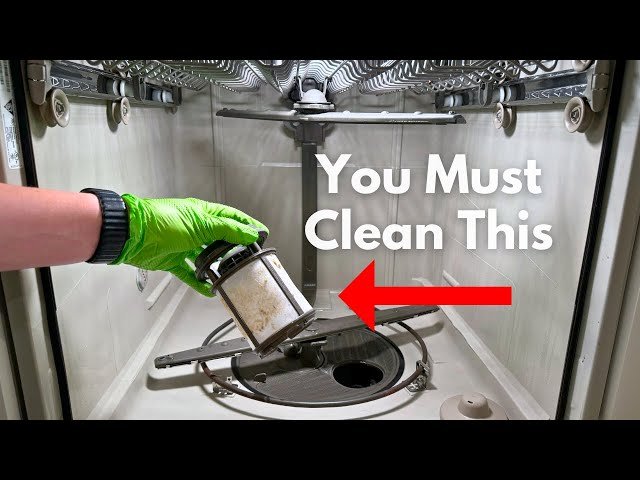
First, locate the filter at the bottom of the dishwasher. It is usually beneath the spray arm. Twist the filter counterclockwise to remove it. Be gentle to avoid any damage. Pull it out carefully and inspect for any stuck debris.
Scrubbing Techniques
Use a soft brush or toothbrush for cleaning. Scrub gently to remove food particles. A mild dish soap can help with stubborn dirt. Rinse the filter under warm water thoroughly. Ensure no debris remains lodged in the mesh.
Once clean, place the filter back into the dishwasher. Twist it clockwise to secure it in place. Regular cleaning keeps the dishwasher running smoothly and efficiently.
Dealing With Spray Arms
Cleaning spray arms is key to a well-functioning dishwasher. Remove them and rinse under warm water. Use a toothpick or small brush to clear any food particles from the nozzles for improved performance.
Cleaning your dishwasher might not be at the top of your to-do list, but it’s essential for maintaining its efficiency. The spray arms play a crucial role in how well your dishwasher cleans. If the spray arms are clogged or malfunctioning, your dishes won’t come out as sparkling as they should. Let’s dive into how you can deal with these vital components.Removing And Inspecting
First, ensure your dishwasher is empty and off before you begin. Carefully take out the lower rack to access the spray arms. Most spray arms can be removed by unscrewing or snapping them off; refer to your dishwasher’s manual if unsure. Once removed, hold the spray arm up to a light. This helps you see if any debris is blocking the nozzles. You might be surprised at what you find—bits of food, plastic, or even a forgotten toothpick.Unclogging Nozzles
Use a toothpick or a small wire to gently poke out any debris from the nozzles. Be cautious not to damage the holes, as this could affect the spray pattern. Rinse the spray arms under warm water to flush out any lingering particles. For stubborn clogs, soak the spray arms in a solution of warm water and vinegar for about 15 minutes. This can help dissolve any build-up. Don’t forget to shake them gently to ensure the solution reaches every corner. By paying attention to your spray arms, you can ensure your dishwasher runs smoothly and efficiently. How often do you inspect your dishwasher’s spray arms? It’s a simple task that can save you from the frustration of dirty dishes.Cleaning The Interior
Your dishwasher works hard to keep your dishes sparkling clean, but how often do you return the favor? Cleaning the interior of your dishwasher is crucial to ensure it runs smoothly and efficiently. You might be surprised by the grime and residue that can build up over time. Let’s dive into the simple steps you can take to give your dishwasher the care it deserves.
Wiping Down Walls
Start by opening your dishwasher and taking a good look inside. Have you noticed any gunk or food particles stuck to the walls? Using a damp cloth or sponge, wipe down the walls thoroughly. Don’t forget to check the corners where grime tends to hide.
Consider using a mixture of water and vinegar for a deeper clean. This solution can help break down any stubborn residue without leaving a strong odor. It’s a quick and effective way to ensure your dishwasher walls are spotless.
Removing Stains
Have you ever discovered mysterious stains inside your dishwasher? These can be caused by mineral deposits from hard water or leftover food particles. To tackle these stains, make a paste using baking soda and water.
Apply the paste directly to the stains and let it sit for a few minutes. Then, scrub gently with a soft brush or cloth. You’ll be amazed at how easily those stubborn stains disappear.
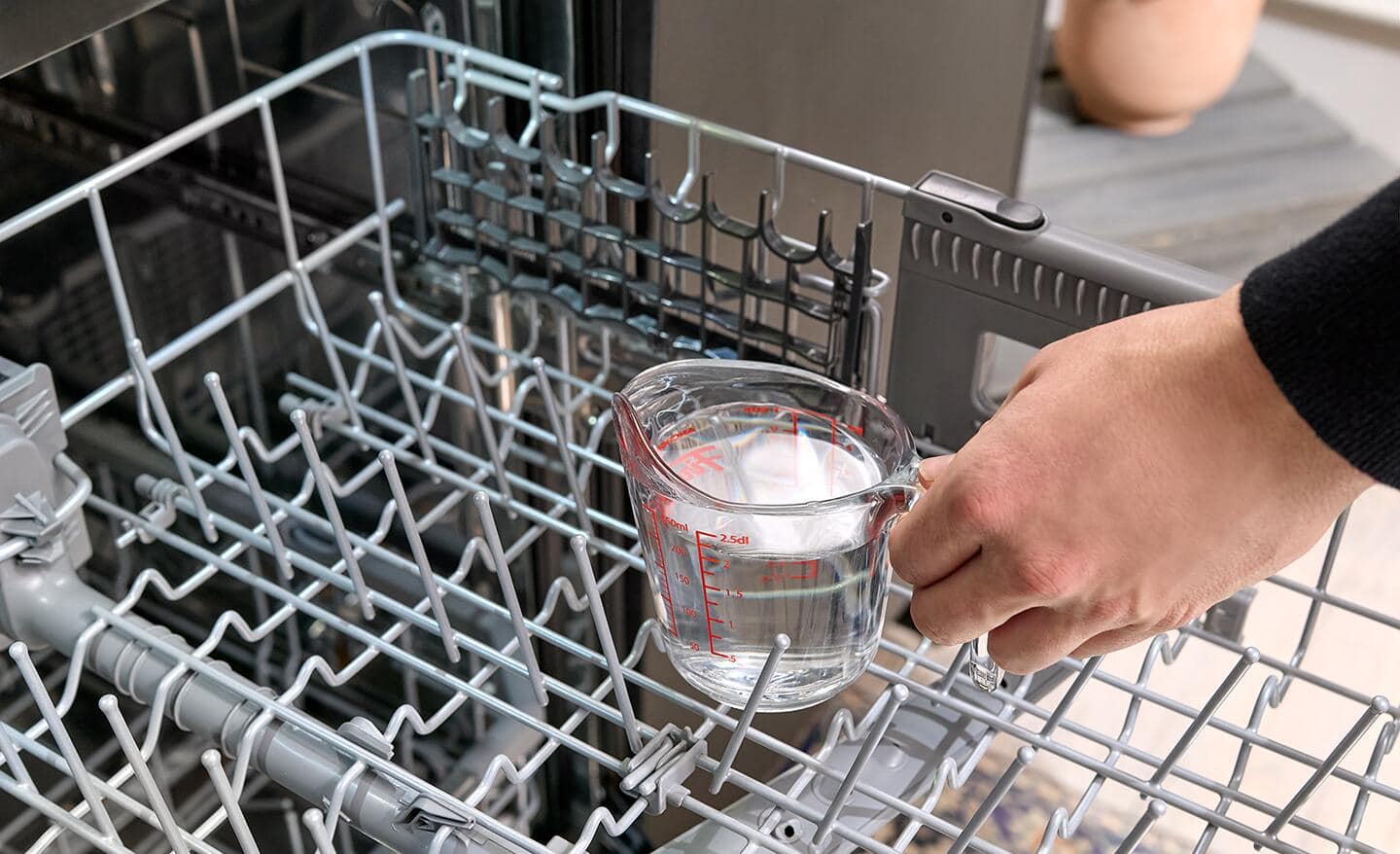
After removing the stains, run a cycle with a cup of vinegar placed in the top rack. This helps rinse away any remaining baking soda and leaves your dishwasher smelling fresh.
Cleaning the interior of your dishwasher doesn’t have to be a chore. Once you see the sparkling results, you’ll wonder why you didn’t do it sooner. Are you ready to give your dishwasher the love it deserves?
Credit: www.homedepot.com
Addressing The Door Seal
Cleaning your dishwasher involves more than just the inner racks. The door seal needs attention too. It plays a crucial role in keeping water inside during cycles. Over time, dirt and grime can build up. This can affect the dishwasher’s performance. Addressing the door seal ensures your machine runs efficiently.
Checking For Mold
Start by examining the door seal for mold. Mold thrives in moist environments like dishwashers. Use a flashlight to get a better view. Look closely at the folds and crevices. Mold may appear black or dark green. Finding mold early prevents bigger problems later.
Once detected, clean the mold immediately. Use a mixture of vinegar and water. Apply the solution to a cloth. Wipe down the seal thoroughly. This removes mold and prevents its return. Rinse with clean water afterwards.
Ensuring Proper Seal
Check the door seal’s condition regularly. A proper seal is essential for an efficient dishwasher. Feel for any cracks or tears. These can cause leaks and reduce performance. Replace the seal if damaged.
Ensure the seal fits snugly around the door. A loose seal affects the machine’s efficiency. Adjust or replace it if necessary. A well-maintained seal keeps your dishwasher in top shape.
Final Rinse And Maintenance
Keeping your dishwasher clean ensures it works efficiently. A clean dishwasher also prevents bad odors. The final rinse and regular maintenance play a big role in this process. These steps help maintain the machine’s performance and extend its life. Let’s explore how to manage the final rinse and maintenance effectively.
Running An Empty Cycle
To keep your dishwasher fresh, run an empty cycle monthly. Use white vinegar for this. Place a cup of vinegar on the top rack. Set the dishwasher to a hot water setting. This helps remove grime and buildup. The hot water and vinegar combo cleans the interior thoroughly.
Regular Maintenance Tips
Check and clean the filter regularly. A clogged filter affects performance. Remove the filter and rinse it under water. Use a soft brush to scrub off debris. Check the spray arms too. Make sure the holes are not blocked. Use a toothpick to clear any blockages.
Wipe the door edges with a damp cloth. This area collects food particles and grime. Don’t forget the door seal. Clean it with a mild detergent and water. A clean seal ensures a tight close, preventing leaks.
Expert Advice
Cleaning your dishwasher might seem like a daunting task, but expert advice can make it straightforward and effective. You might wonder, “Isn’t my dishwasher already clean since it washes dishes?” Surprisingly, residue and grime can accumulate over time, affecting performance. Let’s dive into expert tips that ensure your dishwasher stays in top-notch condition.
Common Mistakes To Avoid
One common mistake is neglecting the seals and gaskets. These areas can harbor mold and residue, compromising the cleanliness of your dishes. Regularly wipe them with a damp cloth to prevent buildup.
Avoid overloading your dishwasher. Cramming too many dishes can block the spray arms and prevent water from reaching all surfaces. This leads to inefficient cleaning and possible damage to your appliance.
Using the wrong detergent is another pitfall. Opt for dishwasher-specific detergents. Regular dish soap creates excessive suds and can damage your machine.
Keeping Your Dishwasher Efficient
Run hot water in your sink before starting the dishwasher. This ensures the machine starts with hot water, enhancing cleaning power. It’s a simple step that can make a big difference.
Clean the filter regularly. A clogged filter can hinder water flow and reduce cleaning efficiency. Remove it, rinse it under warm water, and replace it to keep your dishwasher working smoothly.
Consider using vinegar as a natural cleaner. Place a cup of vinegar in a dishwasher-safe container on the top rack and run a hot water cycle. This helps remove any lingering odors and mineral deposits.
Are you maintaining your appliance or simply relying on its automated functions? Regular care and attention ensure longevity and optimal performance. Make these expert tips part of your routine to keep your dishwasher efficient.
Frequently Asked Questions
How Do I Deep Clean My Dishwasher?
Clean the filter and racks. Use vinegar and baking soda. Run a hot water cycle. Wipe door seals and spray arms.
What Is The Best Way To Clean The Inside Of A Dishwasher?
Clean the inside of a dishwasher by removing racks and washing with warm, soapy water. Use vinegar and baking soda for stubborn stains. Wipe the interior with a damp cloth. Run an empty cycle with vinegar to eliminate odors and buildup.
Regular cleaning ensures efficiency and prolongs your dishwasher’s lifespan.
What Is The Best Way To Clean And Deodorize A Dishwasher?
Clean the dishwasher by placing a cup of white vinegar on the top rack and running a hot cycle. Sprinkle baking soda on the bottom and run a short cycle for deodorizing. Regularly clean the filter and wipe the door seals to maintain freshness.
Is Bleach Or Vinegar Better To Clean The Dishwasher?
Bleach effectively kills bacteria but can damage dishwasher parts. Vinegar is safer for cleaning and removing odors. Use vinegar regularly for maintenance, but avoid bleach unless necessary. Ensure proper rinsing to prevent residue buildup. Vinegar offers a natural, eco-friendly solution.
Choose vinegar for routine cleaning to maintain dishwasher health.
Conclusion
Cleaning your dishwasher regularly ensures it runs smoothly. A fresh dishwasher means cleaner dishes every time. Start by removing any food particles and debris. Check and clean the spray arms for blockages. Vinegar and baking soda work wonders for an internal cleanse.
Run a hot water cycle for best results. Regular maintenance prevents bad smells and extends your dishwasher’s life. Keep it clean and efficient with these simple steps. Your dishwasher will thank you. Enjoy spotless, sparkling dishes without extra effort. Easy, right?
Make it a monthly routine for hassle-free dishwashing.
