
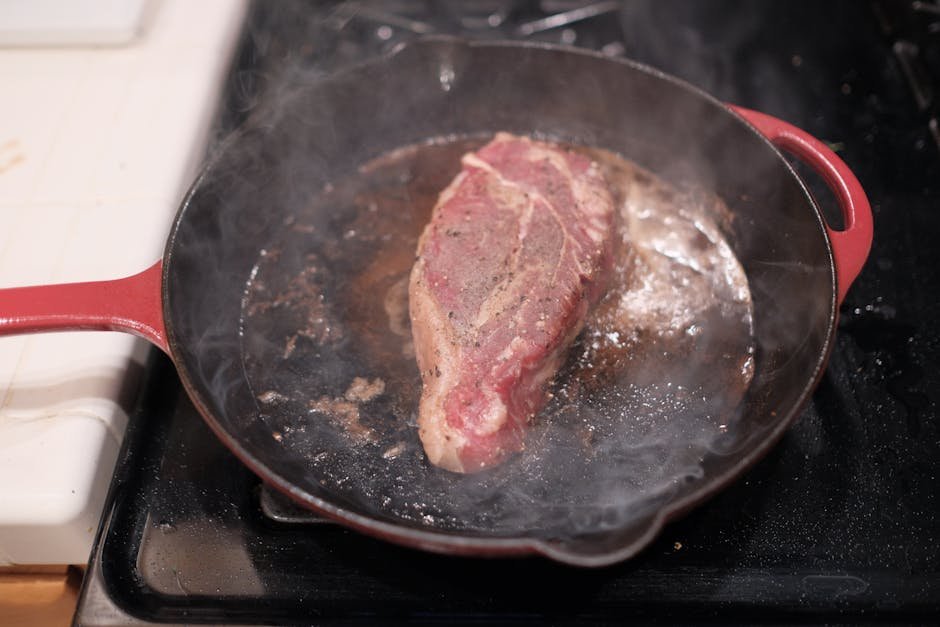
Imagine the sizzle of a perfectly cooked strip steak as it meets the hot cast iron skillet, filling your kitchen with a mouthwatering aroma. You don’t need to be a professional chef to achieve this; all it takes is a few simple steps and the right technique.
If you’re eager to impress your taste buds and those of your family or friends, you’re in the right place. This guide will show you the best way to cook strip steak in a cast iron skillet, transforming a simple dinner into an unforgettable culinary experience.
Get ready to discover how you can create a steak that’s crispy on the outside, juicy on the inside, and packed with flavor. Keep reading, and you’ll never look at steak cooking the same way again.
Choosing The Right Strip Steak
Selecting the ideal strip steak ensures a delightful experience when cooked in a cast iron skillet. Achieve the perfect sear by preheating the skillet and using minimal oil. Season the steak generously for enhanced flavor and let it rest before serving.
Cooking a strip steak in a cast iron skillet is a culinary delight that promises rich flavors and a perfect sear. However, the magic begins long before you fire up the stove—it starts with choosing the right strip steak. Making informed decisions about your steak can transform a simple meal into a gourmet experience. Let’s delve into this essential first step by considering the cut, marbling, and freshness of your steak.Selecting The Cut
When selecting a strip steak, focus on the thickness. A steak that is about 1-1.5 inches thick is ideal for achieving the perfect balance between a juicy interior and a crispy exterior. This thickness allows you to sear the steak properly while ensuring it cooks evenly. The size of the steak matters, too. Opt for a portion that suits your appetite and cooking plans. If you’re planning a dinner for two, make sure the steak is large enough to be shared. A well-sized steak not only satisfies hunger but also enhances the cooking process.Understanding Marbling
Marbling refers to the white streaks of fat within the meat. This fat melts during cooking, infusing the steak with flavor and tenderness. Look for steaks with a generous amount of marbling. More marbling typically means a juicier, more flavorful steak. Consider marbling as a sign of quality. A well-marbled strip steak is often more succulent and satisfying. You’ll notice the difference in taste and texture when you cut into a perfectly marbled steak.Freshness And Quality
Freshness is key to a great steak experience. Check the color of the meat; it should be bright red. Avoid steaks that look dull or have any grayish tint, as this indicates less freshness. Quality can sometimes be gauged by the aroma. A fresh steak should have a clean scent, free from any off-putting odor. Trust your senses when assessing quality, and don’t hesitate to ask your butcher for advice if you’re unsure. Choosing the right strip steak is an art that pays off when you savor each bite. Have you ever picked a steak that turned out to be exceptional? Reflecting on your past experiences can enhance your future choices. This attention to detail is what sets your meal apart, elevating it from ordinary to extraordinary.Preparing The Steak
Sizzle a strip steak to perfection in a cast iron skillet for a juicy and flavorful meal. Season the steak, heat the skillet, and sear both sides until you reach the desired doneness. A quick rest ensures the juices are locked in, ready to delight your taste buds.
Cooking a perfect strip steak in a cast iron skillet starts well before you even turn on the stove. The secret lies in the preparation. Imagine this: you’re about to impress your friends or family with the juiciest, most flavorful steak they’ve ever tasted. But how do you ensure your steak is ready for its spotlight moment in the skillet?Trimming Excess Fat
Begin by checking the edges of your strip steak. While some fat is essential for flavor, too much can lead to flare-ups in your skillet. Carefully trim the excess fat, leaving about a quarter-inch layer. This helps in rendering the fat without overwhelming the steak. Why is this step crucial? Well, it balances flavor and prevents a greasy mess. I remember the first time I cooked steak; I skipped trimming and ended up with more smoke than sizzle.Seasoning Techniques
Seasoning is your steak’s best friend. A simple mix of salt and pepper can do wonders. But don’t stop there. Consider adding garlic powder or smoked paprika for an added dimension. Apply the seasoning generously on both sides. Let it sit for at least 15 minutes. This allows the flavors to penetrate the meat, making each bite a delight. Do you have a favorite spice blend? Experimentation is key. A friend of mine swears by a touch of brown sugar for a caramelized crust.Bringing Steak To Room Temperature
This might seem trivial, but it’s a game-changer. Take your steak out of the fridge at least 30 minutes before cooking. This helps the steak cook evenly. Imagine biting into a steak that’s charred on the outside and cold in the center. Not pleasant, right? Bringing it to room temperature ensures that it cooks uniformly, enhancing both texture and flavor. Have you ever tried cooking a cold steak? Notice the difference when it’s at room temperature; it’s an easy tweak with a huge payoff. In preparing your steak with these steps, you’re setting the stage for a delicious meal. Are you ready to let your cast iron skillet do the magic?Tools And Ingredients
Cooking strip steak in a cast iron skillet requires minimal tools and fresh ingredients. A quality cast iron skillet and a meat thermometer are essential for perfect searing. Choose fresh steak, salt, pepper, and a bit of oil for simple, delicious flavor.
Cooking the perfect strip steak in a cast iron skillet is a culinary delight that relies heavily on the right tools and ingredients. This isn’t just about throwing a steak into a hot pan; it’s about precision and the right mix of essentials. With the right equipment and ingredients, you can transform a simple steak into a restaurant-quality meal right in your own kitchen. Imagine the sizzle of the steak hitting the pan, filling your kitchen with mouth-watering aromas. Ready to get started? Let’s dive into what you’ll need.Essential Equipment
A cast iron skillet is your best friend for this task. Its ability to retain and evenly distribute heat ensures a perfectly seared steak with a crispy crust and a juicy interior. You’ll also need a reliable pair of tongs to flip the steak without piercing it. Avoid forks, as they can let those precious juices escape. A meat thermometer is crucial if you want precision in your cooking. It takes the guesswork out and ensures your steak is cooked just the way you like it, whether it’s rare or well-done.Key Ingredients
Start with a high-quality strip steak, preferably one that’s thick and well-marbled. The marbling is where the flavor lives, so don’t skimp on quality here. You’ll need salt and pepper for seasoning. These two simple ingredients bring out the steak’s natural flavors. Some butter and garlic can elevate your steak to the next level. Throw in a sprig of rosemary or thyme for an aromatic touch. Do you have a favorite finishing oil? A drizzle of olive oil or even truffle oil can add that gourmet touch. With these tools and ingredients at your disposal, you’re ready to cook a strip steak that not only looks good but tastes incredible. What’s your go-to steak seasoning? Share your thoughts in the comments!Heating The Cast Iron Skillet
A hot cast iron skillet sears strip steak perfectly. Heat it until it’s almost smoking. This ensures a crispy, flavorful crust.
Heating the cast iron skillet is a crucial step when cooking a perfect strip steak. This process ensures that the steak cooks evenly and develops a delicious crust. A well-heated skillet can make the difference between a good steak and a great one. Let’s dive into how you can get this right every time.Preheating Tips
Preheating your cast iron skillet is essential. Begin by placing the skillet on the stove over medium-high heat. Allow it to sit for about five minutes. To ensure even heat distribution, rotate the skillet occasionally. This way, no spot is hotter than the other. Trust me, taking these few minutes can dramatically improve your steak. Consider using a few drops of water to test if the skillet is ready. When the water sizzles and evaporates almost immediately, your skillet is preheated. If the water just sits there, it’s not hot enough.Testing Skillet Temperature
Testing the temperature before cooking is crucial. You want to ensure that your steak sears perfectly. One effective method is the hand test. Hold your hand about an inch above the skillet. If you can feel intense heat after three seconds, the skillet is ready. Alternatively, you can use an infrared thermometer for precision. Aim for a surface temperature around 400°F. This ensures your steak sizzles upon contact, locking in the juices. Have you ever wondered why chefs insist on a hot skillet? It’s not just tradition. A hot skillet caramelizes the steak, enhancing flavors you’ll love. Remember, a well-prepared skillet can transform your cooking. Why settle for anything less than the best when it’s so easily achievable?Cooking The Strip Steak
Searing strip steak in a cast iron skillet creates a delicious crust. The skillet retains heat evenly. This ensures a juicy, flavorful steak. Perfect for any meal.
Cooking the Strip Steak Preparing a strip steak in a cast iron skillet can transform your dinner experience. This method is known for creating a rich crust while keeping the inside juicy. Your kitchen might get a little smoky, but the flavor is worth every bit of effort. Are you ready to master the art of cooking strip steak?Searing Techniques
Searing the steak is where the magic happens. Start by heating your cast iron skillet over medium-high heat until it’s smoking hot. Add a touch of oil and let it shimmer. You’ll want to place your strip steak in the skillet, letting it sizzle. This initial sear locks in the flavors. Have you ever noticed how a simple sear elevates the taste? The crust formed is not just about looks. It’s the secret to a delightful steak experience.Timing And Temperature
Getting the timing and temperature right is crucial. Aim for about 3-4 minutes per side for a medium-rare steak. Adjust according to your preference. Use a meat thermometer to check if you’re unsure; it should read around 130°F for medium-rare. Timing is everything. Have you ever thought about how a minute too long can change the texture entirely? Keep an eye on the clock.Flipping The Steak
Flipping the steak might seem trivial, but it’s a vital step. Use tongs to flip the steak gently, ensuring you don’t lose that precious crust. Flip only once to maintain the juiciness inside. Remember that time you flipped a steak too early and missed the perfect crust? It’s all about patience and timing here. Let the steak work its magic before the flip. Cooking a strip steak in a cast iron skillet is a simple yet rewarding experience. Try these techniques, and you might just surprise yourself with a restaurant-quality dish right from your kitchen.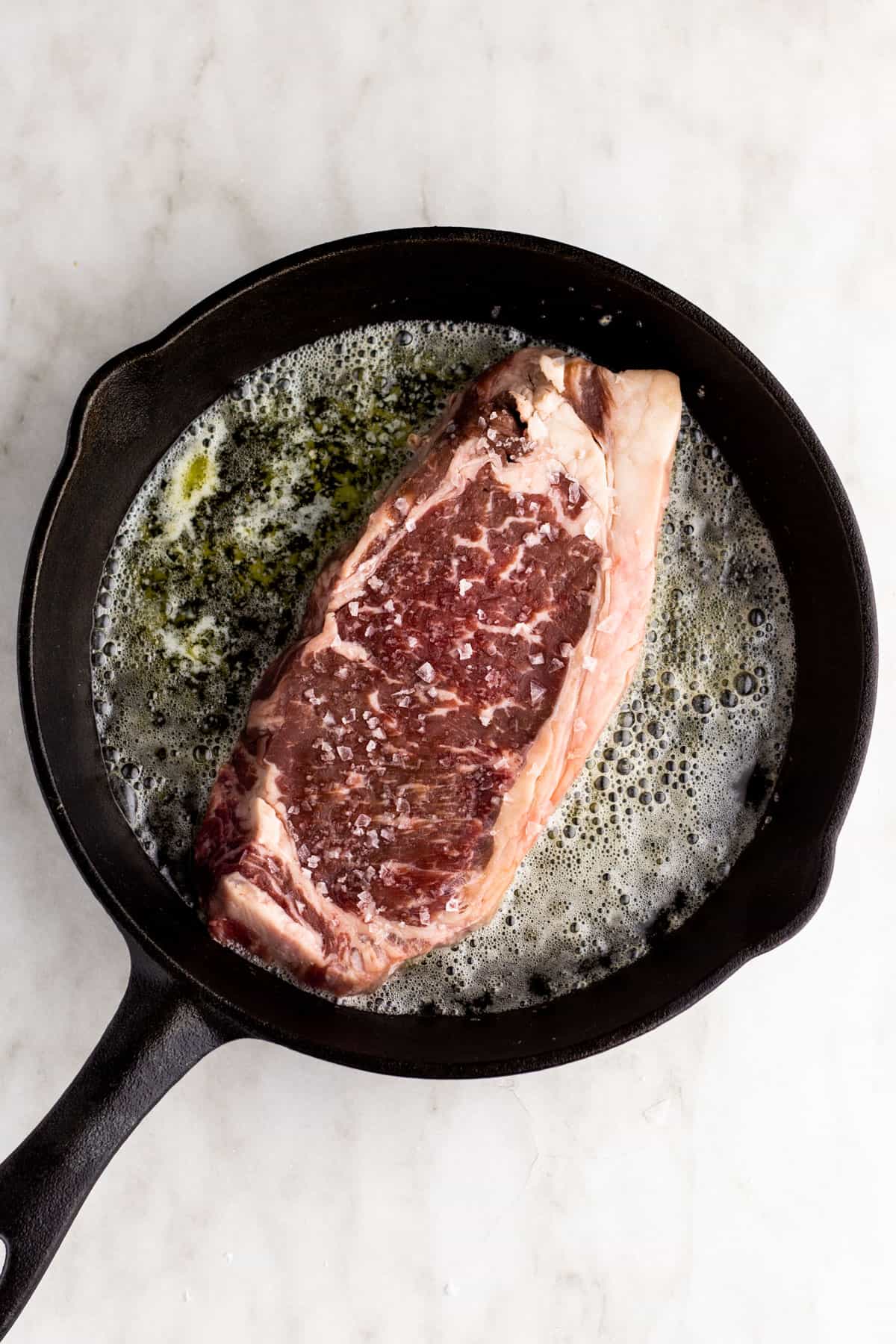
Credit: mytherapistcooks.com
Achieving The Perfect Crust
Sear strip steak in a hot cast iron skillet for the perfect crust. Use high heat and a little oil. Flip once for juicy, flavorful results.
Achieving the perfect crust on a strip steak cooked in a cast iron skillet can elevate your dining experience to a new level. The satisfying crunch followed by the juicy tenderness inside is what makes steak lovers return for more. But how do you reach that perfect balance of texture and flavor? The secret lies in a few straightforward techniques that anyone can master.Butter Basting
Butter basting is your ticket to a golden, crispy crust. Once your steak is seared on both sides, add a generous knob of butter to the skillet. As the butter melts, tilt the pan slightly and use a spoon to pour the melted butter over the steak repeatedly. This simple action adds a rich flavor and helps achieve a uniform crust. Remember, the butter should bubble, not burn. Keep the heat in check, and watch your steak transform into a culinary masterpiece.Aromatics For Flavor
Aromatics can be a game-changer in your steak cooking process. While butter basting, add aromatics like garlic cloves, rosemary, or thyme to the skillet. These herbs infuse the butter with their fragrance, which in turn coats the steak. Imagine the scent of fresh rosemary mingling with sizzling butter—it’s not just about the taste; it’s an experience for your senses. But don’t overdo it. A few sprigs of herbs and a clove of garlic are enough to elevate your steak without overpowering it. Have you ever noticed how a simple touch can make a big difference? That’s what aromatics do. They subtly enhance the flavor profile, making each bite more enjoyable. Try experimenting with different herbs to see which flavor combination becomes your favorite. Achieving the perfect crust isn’t just for chefs. With butter basting and the right aromatics, you can make a strip steak that impresses everyone at your table. So, are you ready to take your steak-cooking skills to the next level?Resting The Steak
Resting the steak after cooking in a cast iron skillet ensures juices redistribute, enhancing flavor and tenderness. This step is crucial for perfect strip steak results, providing a juicy, delicious experience. Allow it to rest for a few minutes before serving for the best taste.
Resting the steak after cooking is a step many people overlook, yet it can make a significant difference in your dining experience. Imagine you’ve perfectly seared a strip steak in your cast iron skillet, achieving that beautiful brown crust. But cutting into it too soon can cause all those flavorful juices to spill out, leaving the meat dry. Resting gives the juices time to redistribute, ensuring every bite is as succulent as the last.Why Resting Is Important
Resting the steak is crucial for flavor and tenderness. When you cook a steak, the heat forces the juices toward the center. If you cut into it immediately, those juices will run out onto your plate. Resting allows them to settle back into the meat, enhancing both taste and texture. Think of resting as the final touch to your cooking process. It’s like giving your steak a moment to relax after the intense heat of the skillet. This not only results in a juicier steak but also makes it more tender. Have you ever been disappointed by a dry steak? Resting can prevent that. By letting the steak sit for a few minutes, you ensure a more satisfying and flavorful meal.Optimal Resting Time
Timing is everything when it comes to resting your steak. Generally, a rest time of 5 to 10 minutes is ideal for a strip steak. This allows enough time for the juices to redistribute without letting the steak get cold. A good rule of thumb is to rest the steak for about half the time it took to cook. So if your steak was on the skillet for 10 minutes, aim for a 5-minute rest. While it might be tempting to skip this step when you’re hungry, remember that patience pays off. The slight wait will reward you with a steak that’s moist and full of flavor. Next time you cook a strip steak, think of the resting period as part of the recipe. It’s a small step that makes a big difference. Are you ready to let your steak rest and reap the benefits?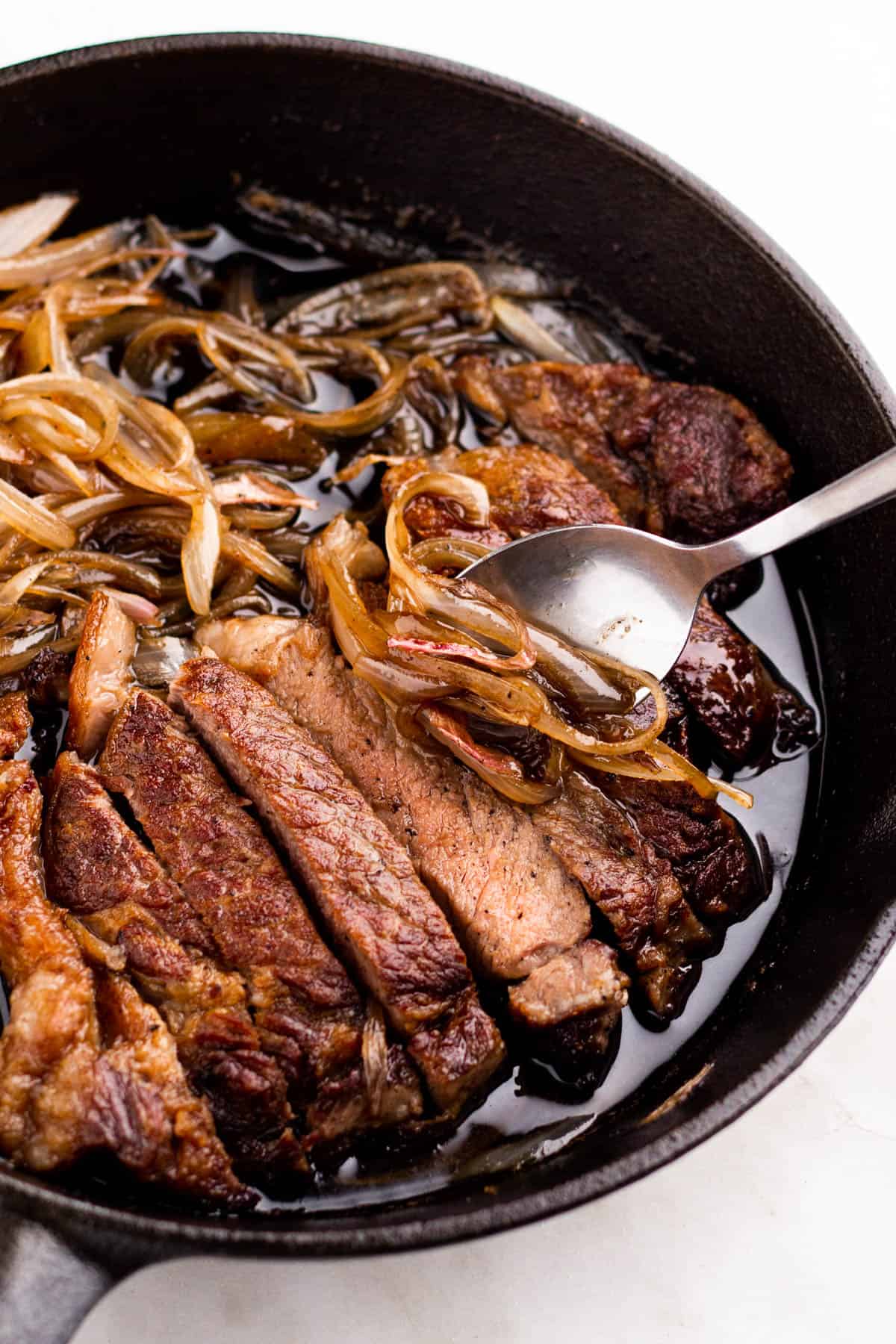
Credit: mytherapistcooks.com
Slicing And Serving
Slicing and serving strip steak from a cast iron skillet enhances its juicy flavor. Ensure even slices for consistent taste. Serve immediately for the best experience.
Slicing and serving your perfectly cooked strip steak is a moment to savor. It’s where all your efforts culminate in a tantalizing culinary experience. After achieving that ideal sear and letting the steak rest, slicing and serving become the final steps to a memorable meal. How you slice and present your steak can greatly impact your dining experience, making it essential to get these steps right.Slicing Against The Grain
To maintain tenderness, slice your strip steak against the grain. This means cutting perpendicular to the direction of the muscle fibers. This technique shortens the fibers, making each bite easier to chew. Imagine your steak as a tapestry; cutting it the wrong way can make it tough. To find the grain, look closely at your steak—notice the lines running through it. Cutting against these lines ensures each piece melts in your mouth.Serving Suggestions
Now comes the fun part—serving your masterpiece. Consider plating the steak slices on a wooden board for rustic charm. You can add a sprinkle of flaky sea salt for added texture and flavor. Pair it with a simple arugula salad or roasted vegetables to balance the richness of the meat. Do you enjoy a classic steak sauce or prefer a garlic herb butter? Offering a variety of condiments lets your guests personalize their meal. Think about presenting the steak with a side of mashed potatoes or a warm baguette to soak up the juices. This not only complements the steak but also enhances the overall dining experience. Ultimately, serving is about creating a delightful experience. Whether it’s a quiet dinner for two or a lively gathering, how you present your steak can set the tone for the entire meal.Common Mistakes To Avoid
Cooking strip steak in a cast iron skillet is rewarding. The taste and texture can be delightful. But, mistakes can happen. These can affect flavor and tenderness. Knowing common errors helps avoid them. This ensures a perfect steak every time.
Overcooking
Overcooking strip steak is a frequent mistake. It can make steak tough and dry. The key is careful timing. Use a meat thermometer. Aim for 130°F for medium-rare. This keeps the steak juicy. Avoid poking the steak too often. This causes heat loss and uneven cooking.
Skipping The Resting Phase
Skipping the resting phase is another common error. Resting allows juices to redistribute. This enhances flavor and tenderness. After cooking, let the steak rest for 5-10 minutes. Cover it loosely with foil. This prevents it from cooling too quickly. Resting makes a big difference.
:max_bytes(150000):strip_icc()/pan-seared-strip-steak-step-04-a-ewl-300852-4000x2700-ff06bb901c214e729b4f632ee5c712a1.jpg)
Credit: www.ssuoruro.gob.bo
Pairing With Sides And Sauces
Cooking strip steak in a cast iron skillet allows for a rich, savory crust. Pair it with garlic mashed potatoes and a creamy mushroom sauce for a delightful meal. Add steamed vegetables for a balanced plate that complements the steak’s robust flavor.
Cooking a strip steak in a cast iron skillet is an experience that tantalizes the senses. The sizzle and aroma are only the beginning. Once you’ve achieved that perfect sear, pairing your steak with the right sides and sauces elevates the meal from ordinary to extraordinary. Imagine a dining experience where every bite complements the rich, juicy flavors of your steak. Let’s dive into some classic side dishes and complementary sauces that will enhance your culinary masterpiece.Classic Side Dishes
When selecting sides for your strip steak, think about balance. A well-cooked steak deserves a partner on the plate that enhances its flavors. Consider creamy mashed potatoes. Their smooth texture and buttery taste can make each bite of steak even more delicious. Steamed asparagus is another excellent choice. Its crispness pairs beautifully with the steak’s tenderness, adding a fresh element to your plate. Roasted vegetables, such as carrots or Brussels sprouts, offer a sweet, caramelized flavor that brings out the steak’s depth. How about a refreshing salad? A simple mix of greens with a light vinaigrette can cleanse your palate, preparing you for the next bite. What’s your go-to side dish when serving steak?Complementary Sauces
Sauces can be the secret ingredient that transforms your steak dinner. A classic peppercorn sauce provides a spicy kick that complements the steak’s rich flavor. The creaminess of the sauce contrasts with the steak’s texture, creating a delightful taste experience. For a touch of sophistication, try a red wine reduction. Its deep, savory notes highlight the steak’s natural flavors, making every bite memorable. Chimichurri sauce, with its vibrant blend of herbs and garlic, offers a fresh and zesty accompaniment that can invigorate your taste buds. If you’re feeling adventurous, consider a blue cheese sauce. Its bold, tangy flavor can be a surprising yet delightful pairing with the steak’s richness. Have you ever tried pairing your steak with a unique sauce that changed the entire meal experience? Pairing your strip steak with the right sides and sauces is not just about taste, it’s about crafting an unforgettable dining experience. Each element on your plate should tell its own story while harmonizing with the steak. What will your next steak dinner story be?Frequently Asked Questions
What Is The Best Way To Cook A Strip Steak On A Cast Iron Skillet?
Heat the cast iron skillet over high heat. Season the strip steak with salt and pepper. Sear each side for 3-4 minutes. Reduce heat and cook to desired doneness. Let it rest for 5 minutes before slicing. Enjoy a perfectly cooked strip steak!
How Does Gordon Ramsay Cook Steak In A Cast Iron Skillet?
Gordon Ramsay seasons steak with salt and pepper, adds oil to a hot skillet, and sears it. He cooks each side for 2-3 minutes, adds butter, garlic, and thyme, then bastes the steak for rich flavor. Let the steak rest before serving for perfect tenderness.
How Long Should You Cook Steak On A Cast Iron Skillet?
Cook steak on a cast iron skillet for 3-4 minutes per side for medium-rare. Preheat skillet on high heat. Ensure steak reaches an internal temperature of 130°F (55°C). Adjust time for desired doneness. Let steak rest before serving. Use oil or butter for better sear.
How Do I Make My Strip Steak More Tender?
Marinate the strip steak in a mixture of olive oil, lemon juice, and herbs. Use a meat tenderizer tool or mallet to break down fibers. Cook on medium heat to avoid toughness. Rest the steak for a few minutes before slicing against the grain for enhanced tenderness.
Conclusion
Cooking strip steak in a cast iron skillet brings out rich flavors. The process is simple and rewarding. It ensures a juicy and delicious steak every time. Remember to season well before cooking. Let the steak rest after cooking for best results.
A cast iron skillet distributes heat evenly. This creates a perfect sear on the steak. Enjoy your meal with sides like vegetables or potatoes. Try this method for a delightful dining experience. Perfect for a special occasion or everyday dinner.
Cooking can be easy and fun. Strip steak is a great choice for any meat lover.
