

Is your kitchen sink drain slow or smelly? You’re not alone.
A clogged or dirty drain can turn a simple chore into a frustrating task. But what if cleaning it didn’t have to be hard or messy? You’ll discover the best way to clean your kitchen sink drain quickly and easily.
By the end, you’ll have a fresh, clear drain that works like new—and you won’t believe how simple it is. Keep reading, and say goodbye to those annoying drain problems for good.

Credit: www.express.co.uk
Common Drain Problems
Kitchen sink drains often face problems that disrupt daily use. These issues reduce water flow and cause unpleasant smells. Understanding common drain problems helps to fix them faster. Proper care prevents bigger, costly repairs.
Causes Of Clogs
- Food scraps stuck in the drain pipes
- Grease and oil build-up over time
- Hair and soap scum accumulation
- Small objects accidentally dropped into the drain
- Mineral deposits from hard water
Signs Of Drain Issues
- Slow draining water in the sink
- Unpleasant odors coming from the drain
- Gurgling sounds while water drains
- Water backing up into the sink bowl
- Frequent need to plunge or clear the drain
:max_bytes(150000):strip_icc()/SPR-how-pro-cleaners-clean-a-sink-11781060-6d7babfdf0074ca79564864a6c7325dd.jpg)
Credit: www.thespruce.com
Tools And Materials Needed
Cleaning a kitchen sink drain requires specific tools and materials. Having the right supplies makes the job easier and more effective. This section covers what you need before starting.
Essential Cleaning Supplies
- Plunger – to clear minor clogs quickly
- Drain snake or auger – for deep blockages
- Baking soda – natural deodorizer and cleaner
- White vinegar – breaks down grime and buildup
- Boiling water – helps flush debris away
- Old toothbrush – scrubs hard-to-reach areas
- Rubber gloves – protect your hands from mess
- Bucket – catches water or debris during cleaning
Safety Gear
- Rubber gloves – prevent skin irritation and germs
- Safety goggles – protect eyes from splashes
- Face mask – avoid inhaling fumes or dust
- Old clothes or apron – keep your clothes clean
Step-by-step Cleaning Process
Cleaning your kitchen sink drain effectively requires a clear and easy-to-follow process. Each step plays a crucial role in ensuring your drain stays fresh and clog-free. Let’s break down the cleaning into manageable actions that you can do with common household items or safe cleaners.
Pre-cleaning Preparation
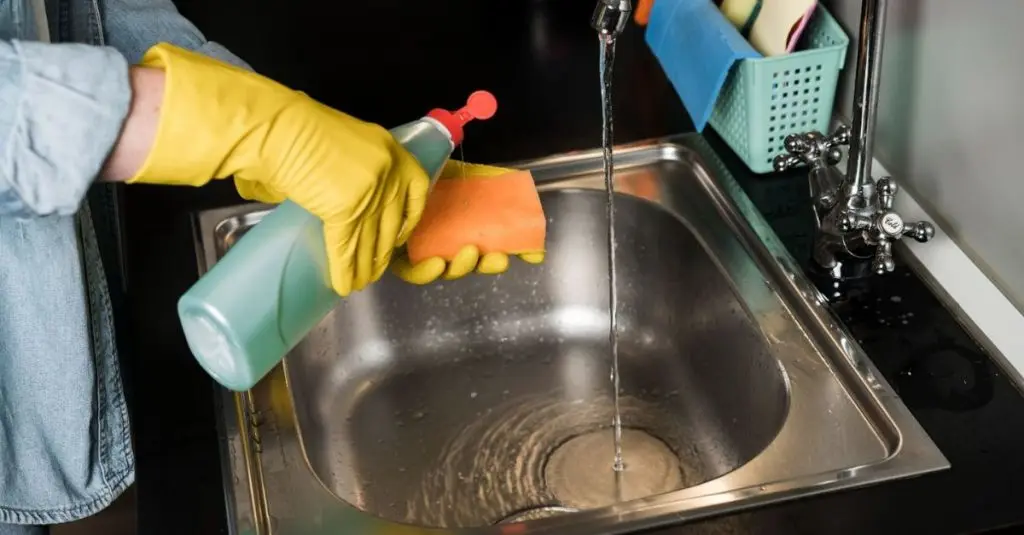
Start by clearing the area around your sink. Remove dishes, sponges, and any items that could get in the way or get dirty during cleaning. Put on gloves to protect your hands, especially if you plan to use chemical cleaners later.
Have a bucket or bowl ready for catching debris or water when you work on the drain. This simple prep makes the process smoother and prevents extra mess.
Removing Debris
Look inside the drain and pull out visible debris like food scraps, hair, or grease buildup. Use a flashlight if needed to see deeper into the pipe.
A wire hanger or a small brush can help reach clogs just below the surface. Clearing this stuff first helps prevent strong odors and improves drainage immediately.
Using Natural Cleaners
Mix half a cup of baking soda with half a cup of vinegar for a natural fizzing cleaner. Pour this mixture down your drain and let it sit for 15 to 30 minutes. The reaction helps break down grease and grime without harsh chemicals.
Rinse the drain with boiling water after the wait time. This flushes away loosened debris and leaves the drain smelling fresh.
Applying Chemical Cleaners Safely
If natural methods don’t clear the clog, choose a chemical drain cleaner labeled safe for kitchen sinks. Always follow the instructions carefully and never mix different chemicals.
Ventilate your kitchen by opening windows or turning on fans to avoid inhaling fumes. Wear gloves and avoid skin contact to protect yourself from burns or irritation.
Flushing The Drain
After cleaning, flush the drain thoroughly with hot water. This helps wash away any remaining residues and prevents buildup.
Consider running the water for a few minutes while using the sink normally to keep things moving smoothly. How often do you flush your drain just to keep it clean?
Preventive Measures
Preventive measures keep your kitchen sink drain clean and free from clogs. Small habits make a big difference. Regular care avoids tough blockages and bad smells. Simple steps protect your plumbing and save repair costs.
Daily Maintenance Tips
- Rinse the sink with hot water after each use.
- Use a sink strainer to catch food particles.
- Clean the strainer daily to prevent buildup.
- Wipe the sink surface to remove grease and debris.
- Pour a small amount of baking soda followed by vinegar weekly to freshen the drain.
- Avoid pouring oil or grease down the drain.
Avoiding Future Clogs
- Dispose of food scraps in the trash, not the sink.
- Do not flush coffee grounds or eggshells down the drain.
- Limit the use of chemical drain cleaners; they can damage pipes.
- Regularly check and clear the drain trap to remove trapped debris.
- Use natural enzyme-based cleaners monthly to break down organic waste.
- Encourage family members to follow drain care habits consistently.
When To Call A Professional
Knowing when to call a professional for your kitchen sink drain saves time and prevents damage. Some issues need expert skills to fix properly. Ignoring serious signs can lead to costly repairs.
Signs You Need Expert Help
- Water drains very slowly or not at all.
- Foul odors come from the drain despite cleaning.
- Repeated clogs happen after simple fixes.
- Water leaks appear under the sink or cabinet.
- Unusual noises, like gurgling or banging, occur during drainage.
- Visible corrosion or damage on pipes and fittings.
These signs suggest a deeper problem beyond regular cleaning. A professional plumber can diagnose and fix issues safely.
Choosing The Right Plumber
- Check for valid licenses and certifications.
- Read customer reviews and ratings online.
- Ask about experience with kitchen sink drains.
- Request a clear estimate before work starts.
- Confirm if the plumber offers any guarantees.
- Ensure availability for emergencies or follow-ups.
Selecting a skilled plumber ensures the problem is handled correctly. It avoids future trouble and maintains your kitchen’s function.
Credit: www.vevor.com
Frequently Asked Questions
How Do I Clean A Kitchen Sink Drain Naturally?
Use baking soda and vinegar to clean naturally. Pour ½ cup baking soda, then ½ cup vinegar. Let it fizz for 15 minutes, then flush with hot water. This method removes odors and minor clogs safely.
What Is The Best Product To Unclog Kitchen Drains?
Enzyme-based drain cleaners work best for kitchen sinks. They break down grease and organic matter without damaging pipes. Avoid harsh chemicals, as they can cause corrosion and harm plumbing systems.
How Often Should I Clean My Kitchen Sink Drain?
Clean your kitchen sink drain every 1-2 weeks. Regular cleaning prevents buildup of grease, food particles, and odors. This keeps drains clear and reduces the risk of clogs effectively.
Can Boiling Water Clear Kitchen Sink Drain Blockages?
Yes, boiling water can dissolve grease and soap scum. Pour boiling water slowly down the drain in stages. Repeat as needed, but avoid if you have PVC pipes, as heat may cause damage.
Conclusion
Cleaning your kitchen sink drain regularly keeps it fresh and clear. Simple steps like using baking soda and vinegar work well. Avoid harsh chemicals to protect your pipes and health. A clean drain stops bad smells and slow water flow.
Small efforts today save bigger problems tomorrow. Keep your kitchen sink drain clean for a healthier home. Easy habits make a big difference in daily kitchen care. Try these tips and enjoy a cleaner, fresher sink every day.
