
Are you tired of stubborn stains and sticky spots on your kitchen floor? You want your kitchen to feel fresh, clean, and inviting, but washing the floor can sometimes feel like a daunting chore.
What if there was a simple, effective way to get your kitchen floor sparkling without spending hours scrubbing? You’ll discover the best way to wash your kitchen floor so it looks spotless every time. Keep reading, because the secret to a cleaner, healthier kitchen is easier than you think.

Credit: allbetterapp.com
Choosing The Right Cleaning Supplies
Choosing the right cleaning supplies is key to washing your kitchen floor well. The right products make cleaning easier and protect your floor’s surface. Using unsuitable cleaners can damage tiles or wood finishes. Select tools that help reach corners and remove dirt effectively.
Safe and eco-friendly supplies keep your kitchen healthy and reduce harsh chemical use. Good cleaning starts with understanding the types of cleaners and tools you need. This guide helps you pick what works best for your kitchen floor.
Types Of Floor Cleaners
- All-purpose cleaners suit most floor types and handle light dirt.
- pH-neutral cleaners work well for wood and delicate surfaces.
- Disinfectants kill germs but check if they are safe for your floor.
- Degreasers remove tough kitchen grease but use sparingly to avoid damage.
- Specialty cleaners target stone, tile grout, or sealed wood floors.
Essential Tools For Washing
- Mop with a microfiber head picks up dirt without scratching.
- Bucket with a wringer helps control water usage and rinse mop heads.
- Soft-bristle brush reaches grout lines and corners easily.
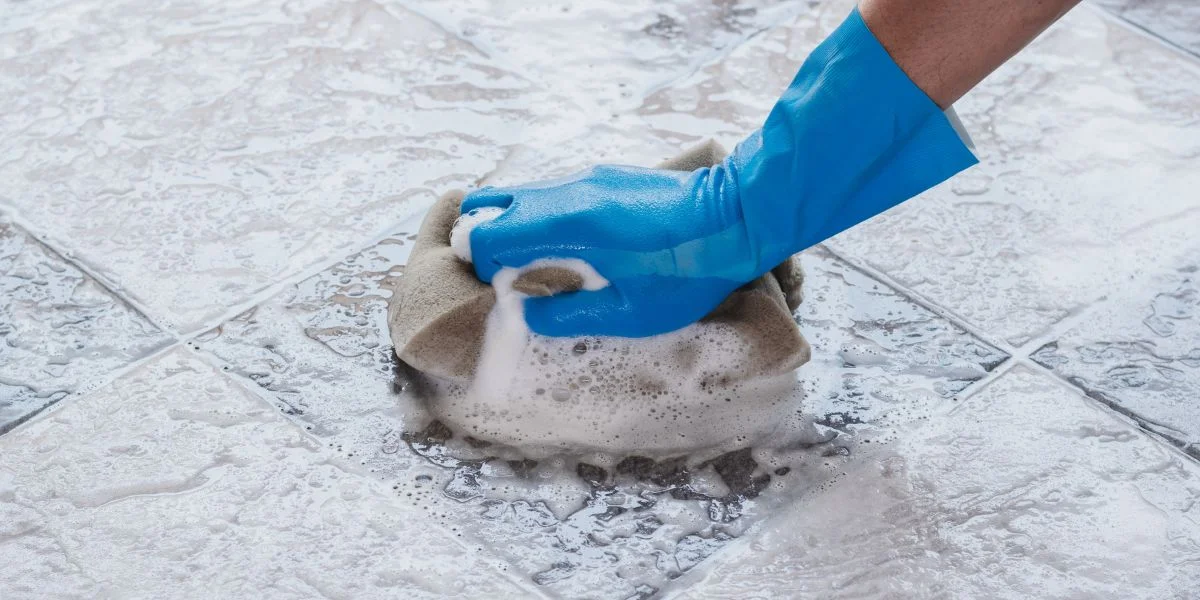
- Floor scrubbers or sponges work on stubborn stains.
- Dry cloth or mop for drying the floor after washing.
Safe And Eco-friendly Options
- Use vinegar diluted in water for a natural cleaning boost.
- Baking soda removes stains gently without chemicals.
- Plant-based cleaners reduce toxins and keep air fresh.
- Reusable mop heads and cloths cut down waste.
- Choose products labeled biodegradable and non-toxic.
Preparing The Kitchen Floor
Preparing your kitchen floor properly is the foundation of a thorough cleaning. Skipping this step can leave dirt trapped beneath the surface, making your effort less effective. Taking a few extra minutes to get the floor ready can save time and keep your kitchen looking fresh longer.
Clearing The Area
Start by moving everything off the floor. Chairs, rugs, and any portable appliances should be relocated to give you full access. This also prevents them from getting wet or dirty during the wash.
Have you ever tried washing around furniture only to miss spots? Clearing the area completely ensures no dirt hides beneath your belongings.
Sweeping And Vacuuming
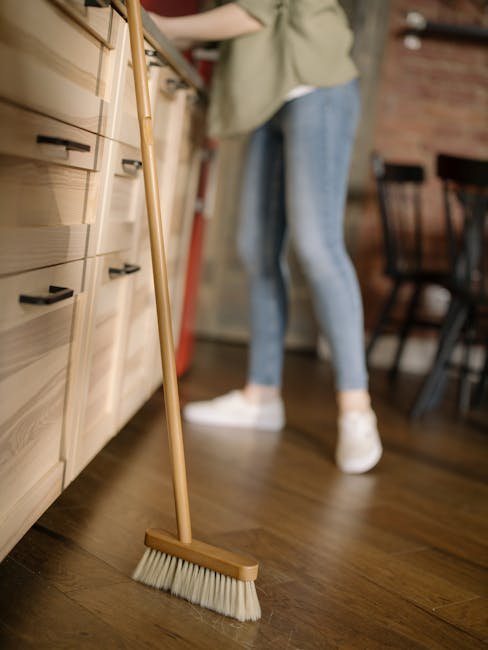
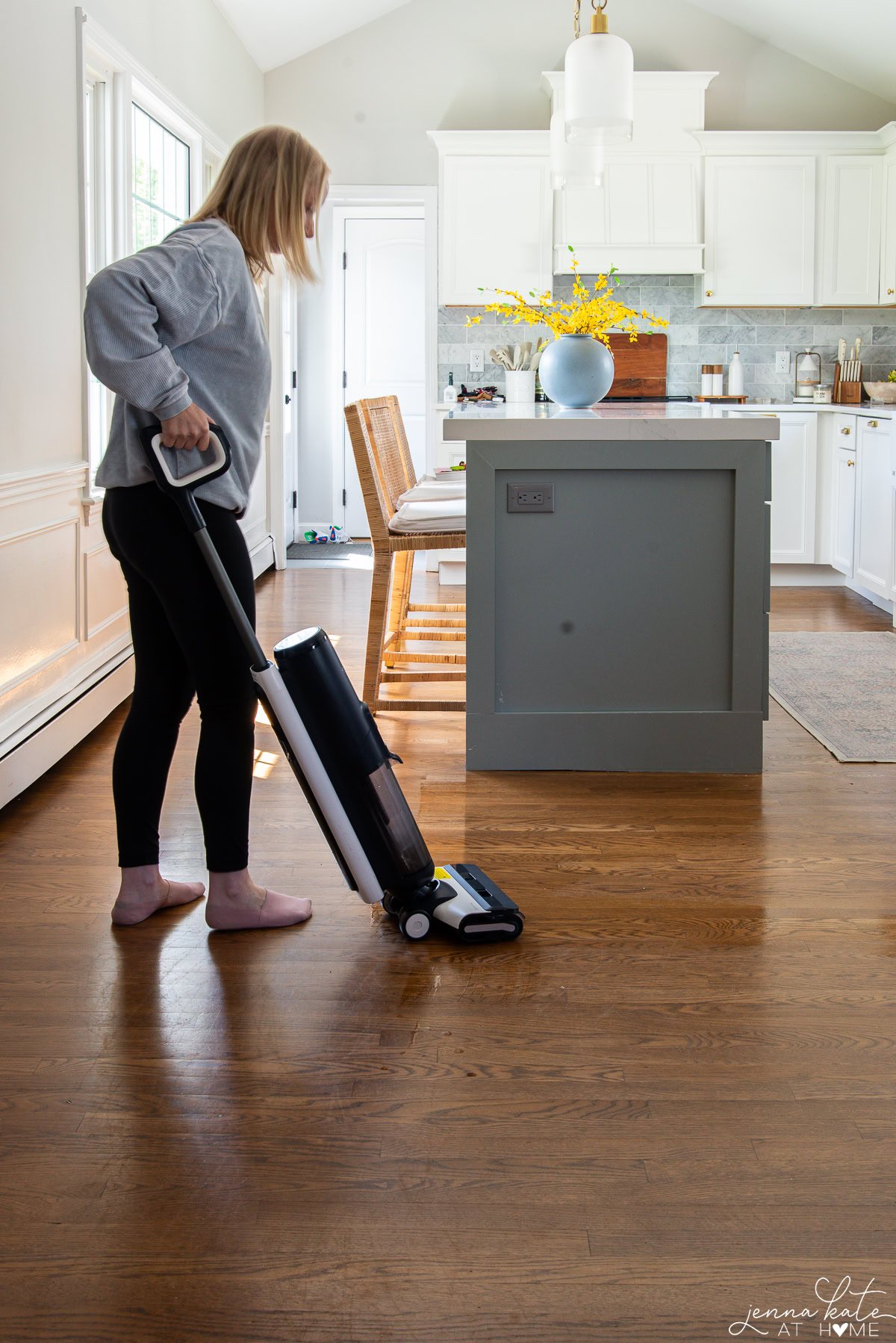
Once the floor is clear, sweep up crumbs and dust using a broom or use a vacuum for a more thorough clean. Don’t rush through this step—fine debris can scratch your floor when you mop.
Focus on corners and under cabinets where dirt often accumulates unnoticed. You might be surprised how much grime builds up in these hidden spots.
Spot Treatment For Stains
Before mopping, inspect the floor for tough stains or sticky spots. Apply a small amount of a gentle cleaner or a mix of water and vinegar directly on these areas.
Let it sit for a few minutes to loosen the grime, then scrub lightly with a soft brush or cloth. Treating stains early prevents them from spreading or embedding deeper during washing.
Step-by-step Washing Process
Cleaning your kitchen floor thoroughly requires a clear and simple process. A step-by-step washing routine not only saves time but also ensures every corner shines. Let’s break down the best way to wash your kitchen floor effectively.
Mixing Cleaning Solution
Start by choosing the right cleaning solution for your floor type. You can mix warm water with a few drops of mild dish soap or a specialized floor cleaner.
Use about one cup of cleaner per gallon of water for the perfect balance. Avoid harsh chemicals that can damage floor surfaces or leave residues.
Have you ever noticed how too much soap can make floors sticky? That’s why the right amount matters.
Mopping Techniques
Use a mop that fits your floor type—microfiber mops work well for most surfaces. Dip the mop into the solution and wring it out thoroughly to avoid excess water on the floor.
Start mopping from one corner and move towards the exit to prevent stepping on wet areas. Use smooth, even strokes and pay extra attention to spots with stains or spills.
Do you find circular motions or straight lines easier when mopping? Try both to see which cleans better for your space.
Rinsing And Drying
After mopping, rinse the floor with clean water to remove any leftover soap. Use a clean mop or cloth dampened with water for this step.
Drying the floor quickly prevents streaks and water damage. Open windows or turn on fans to speed up drying, or use a dry towel to absorb moisture.
How often do you let your floor air dry versus manually drying it? Experiment with both to keep your floor spotless and safe.
Dealing With Tough Stains
Tough stains on kitchen floors demand special care. Regular cleaning might not remove them completely. These stains can come from grease, sticky spills, or even mold. Each type needs a different approach for best results. Using the right tools and cleaners saves time and effort.
Grease And Oil Removal
Grease and oil stains make floors slippery and dull. Start by blotting excess oil with paper towels. Avoid rubbing to prevent spreading the stain. Use warm water mixed with dish soap to break down grease. Apply the solution with a mop or sponge, scrubbing gently.
For stubborn spots, try a paste of baking soda and water. Let it sit on the stain for 10 minutes, then scrub lightly. Rinse the floor well with clean water to remove residue. Dry the floor with a towel to avoid slipping.
Handling Sticky Residues
Sticky residues come from spilled syrup, juice, or sauces. Warm water alone may not work well. Use a mixture of vinegar and water for better cleaning. Spray the solution on the sticky area and let it sit for a few minutes.
Scrub the spot with a soft brush or cloth. Avoid harsh scrubbing to protect the floor surface. Wipe the area with a damp cloth to remove loosened residue. Dry the floor thoroughly after cleaning.
Removing Mold And Mildew
Mold and mildew often grow in damp kitchen corners. These stains can cause odors and health issues. Use a solution of one part bleach to ten parts water to kill mold spores. Apply the mixture carefully with a sponge or spray bottle.
Let it sit for 5 to 10 minutes to work effectively. Scrub the area gently to remove all mold and mildew. Rinse the floor well with water to clear the bleach. Keep the kitchen floor dry to prevent mold from returning.
Maintaining A Clean Kitchen Floor
A clean kitchen floor keeps your home fresh and safe. Dirt and spills can cause stains and germs. Regular care helps avoid buildup and keeps floors looking new. Easy habits make a big difference in cleanliness. Follow simple steps to maintain a spotless kitchen floor every day.
Regular Cleaning Schedule
Set a daily routine to sweep or vacuum the floor. Removing crumbs and dust stops dirt from spreading. Mop the floor at least twice a week. Use warm water and a gentle cleaner suited for your floor type. Dry the floor after mopping to prevent slips and water damage. Stick to this schedule to keep the floor shiny and clean.
Preventive Measures
Place mats at entrances to catch dirt and moisture. Wipe spills immediately to avoid stains and sticky spots. Use furniture pads to prevent scratches from chairs and tables. Avoid walking on the floor with shoes to reduce grime. Keep pets’ nails trimmed to protect the surface. These small steps help protect your floor from damage.
Tips For Longevity
- Use a mop with soft fibers to avoid scratching.
- Choose cleaners that match your floor’s material.
- Do not use harsh chemicals or bleach.
- Regularly check for cracks or loose tiles.
- Repair damages quickly to prevent bigger problems.
- Keep humidity levels balanced to avoid warping.
Following these tips extends the life of your kitchen floor. A little care goes a long way in maintaining its beauty.
Credit: www.abt.com
Credit: jennakateathome.com
Frequently Asked Questions
What Is The Best Cleaning Solution For Kitchen Floors?
The best cleaning solution depends on your floor type. For tile, use a mild detergent and warm water. For hardwood, opt for a pH-neutral cleaner. Avoid harsh chemicals to protect the floor’s finish and maintain its shine.
How Often Should I Wash My Kitchen Floor?
Washing your kitchen floor twice a week is ideal. Frequent cleaning prevents buildup of dirt and bacteria. For spills, clean immediately to avoid stains and damage. Regular mopping keeps the floor hygienic and looking fresh.
Should I Mop Or Scrub Kitchen Floors?
Mopping is best for regular cleaning as it removes dirt gently. Scrubbing is suitable for tough stains or sticky spots. Use a soft mop or cloth to avoid scratching the floor surface during cleaning.
Can I Use Vinegar To Clean Kitchen Floors?
Vinegar is effective for tile and vinyl floors, cutting grease and grime. Avoid vinegar on hardwood floors, as it can damage the finish. Always dilute vinegar with water to prevent any floor damage.
Conclusion
Keeping your kitchen floor clean protects your home and family’s health. Use the right tools and gentle cleaners for best results. Clean spills quickly to avoid stains and damage. Regular washing keeps your floor fresh and safe to walk on.
A little effort each day saves big cleaning later. Your kitchen will feel welcoming and look great always. Simple steps make floor washing easy and effective. Try these tips and enjoy a cleaner kitchen floor every day.
