
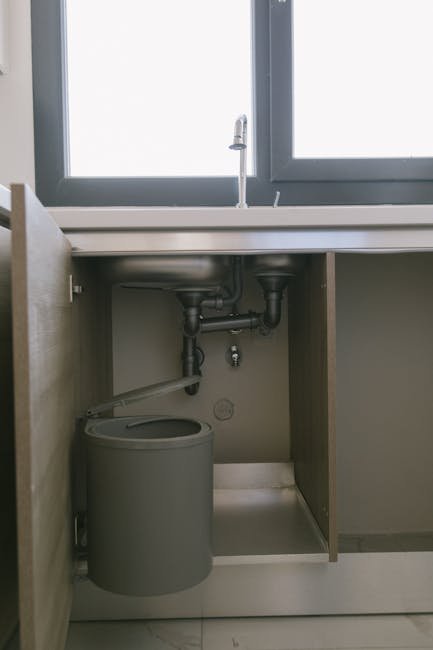
A puddle forming under your sink or a persistent drip you've been ignoring with a dish towel—both are signs your kitchen drain or supply pipes need attention. The cost to replace pipes under a kitchen sink typically ranges from $150 to $600, with most homeowners spending around $300 to $450 for a straightforward job. But that range widens fast depending on materials, access, and whether hidden water damage has spread.
This guide breaks down every cost factor, walks you through material options, and helps you decide whether to grab a wrench or call a pro.
Factors That Determine Your Final Bill
Several variables push the price up or down. Understanding them beforehand prevents surprises when the estimate arrives.
Pipe Material Selection
The material you choose directly affects both parts cost and labor time.
| Material | Cost per Foot | Durability | DIY Difficulty |
|---|---|---|---|
| PVC | $1–$3 | 20–30 years | Easy |
| PEX | $2–$5 | 30–40 years | Moderate |
| Copper | $4–$8 | 50+ years | Hard (requires soldering) |
| Galvanized Steel | $3–$6 | 20–40 years | Hard (heavy, prone to rust) |
PVC remains the most common choice for drain lines because it's lightweight, chemically resistant, and straightforward to cut and glue. PEX has become the go-to for water supply lines in modern remodels—its flexibility means fewer joints and less potential for leaks. Copper, while premium, demands professional soldering skills that add labor time.
Accessibility and Cabinet Space
Tight spaces under the sink cost more. If you have to remove a garbage disposal, pull out stored items, or work around a dishwasher drain hose, the plumber's clock ticks longer. A cramped cabinet with no pull-out shelves adds 15–30 minutes to the job.
Extent of Damage
A single cracked slip joint is cheap to replace—under $20 for the part. But if corrosion has spread to the P-trap, tailpiece, and branch drain, you're looking at replacing most of the assembly. Water damage to the cabinet floor or drywall behind the sink adds another $100–$300 for repairs.
Local Labor Rates
Plumbers in major metropolitan areas charge $100–$200 per hour, while rates in smaller towns often sit between $65 and $110. Minimum service call fees (typically $75–$150) apply even for a 20-minute fix. Getting three quotes is the only reliable way to gauge fair pricing in your area.
Common Pipe Materials and Their Real-World Costs
Each material has trade-offs beyond the price tag.
PVC Pipes
The budget champion for drain lines. PVC resists corrosion from household cleaners and food waste. It's easy to cut with a hacksaw and joins with solvent cement that sets in minutes. For a complete P-trap and waste arm replacement, expect $15–$30 in parts.
Downside: PVC becomes brittle in freezing temperatures. If your pipes run through an unheated crawlspace or exterior wall, consider insulation or a different material.
PEX Pipes
Flexible PEX has transformed supply line work. It can bend around obstacles without fittings, reducing leak points. A crimp ring tool costs about $30–$60 if you're doing it yourself. For a typical kitchen supply line replacement, parts run $20–$50.
PEX handles temperature swings well and resists scale buildup. It's not suitable for outdoor exposure (UV degrades it) but works perfectly inside cabinets.
Copper Pipes
Old-school copper remains a durable choice for supply lines. It withstands high water pressure and resists bacterial growth. However, installation requires soldering with a torch—a skill most DIYers lack. Professional installation for copper supply lines often runs $200–$400 including materials.
One common issue: acidic water (pH below 6.5) slowly eats copper pipes, causing pinhole leaks. If your water tests acidic, copper may not be the best long-term choice.
Galvanized Steel Pipes
Found primarily in homes built before 1970. These pipes rust from the inside out, gradually reducing water flow and discoloring water. Replacement is almost always necessary during a kitchen renovation. Removing old galvanized connections often requires extra effort because of corrosion-seized threads. Budget $200–$500 for a full replacement.
Signs You Need Pipe Replacement (Not Just a Repair)
Knowing the difference between a quick fix and a full replacement saves money.
Persistent Leaks You've Already Tightened
If you've snugged the slip nuts and the leak persists, the pipe itself is compromised. Hairline cracks in PVC or pitted copper can't be sealed with pipe dope or tape. Replacement is the only lasting solution.
Visible Corrosion or Discoloration
Green or white crusty deposits on copper pipes indicate active corrosion. Rust-colored water from your hot tap suggests galvanized pipes are failing internally. These aren't cosmetic issues—they signal structural weakening.
Foul Odors Coming from the Drain
A rotten-egg smell that returns even after cleaning the drain usually means organic matter has lodged inside a corroded pipe, or sewer gases are escaping through a crack. Bacteria can colonize rough interior surfaces that a smooth new pipe won't allow.
Low Water Pressure
When both hot and cold supply lines show reduced flow, mineral buildup or rust flakes may be narrowing the pipes internally. Replacing the affected section restores full pressure. Before blaming pipes, however, check whether your shut-off valves are fully open.
Step-by-Step Replacement Process
If you're taking the DIY route, here's the sequence that experienced homeowners follow.
1. Shut Off the Water and Clear the Area
Turn both shut-off valves clockwise until they stop. Open the faucet to relieve pressure. Place a bucket under the P-trap, clear everything from the cabinet, and lay down towels.
2. Remove the Old Pipes
Loosen the slip nuts by hand or with channel locks (wrap the jaws with tape to prevent scratching chrome). Work from the bottom up: disconnect the trap arm from the wall drain first, then remove the P-trap, then the tailpiece from the sink strainer. Pour trapped water into the bucket.
3. Measure and Dry-Fit the New Assembly
Cut new PVC or PEX to length using a tubing cutter or fine-tooth saw. Dry-fit every piece before applying cement or tightening crimp rings. Check that the P-trap aligns vertically with the sink drain and horizontally with the wall opening.
4. Make Permanent Connections
For PVC: apply primer to both surfaces, then solvent cement. Hold joints firmly for 15 seconds. For PEX: slide the crimp ring over the fitting, insert the tubing fully, and crimp with the proper tool. Wait 30 minutes for PVC cement to cure before testing.
5. Test for Leaks
Turn the water supply back on slowly. Run both hot and cold for two minutes. Place a dry paper towel under every connection. Check again after 24 hours—some slow leaks only appear after the pipes settle.
DIY vs. Professional Replacement
The choice depends on your comfort level and what's at stake.
When DIY Makes Sense
- You're replacing only the P-trap and tailpiece (standard parts)
- You have basic tools: channel locks, hacksaw, bucket
- The existing pipes are PVC and accessible
- You can dedicate two hours without rushing
Cost savings: $150–$300 in labor. But factor in tool costs if you don't own channel locks or a PEX crimper.
When to Call a Professional
- You're working with copper and don't own a torch
- The shut-off valves are old or stuck and may break when turned
- You've found water damage or mold behind the cabinet
- Local code requires permits for plumbing work in your municipality
Cost: $200–$600 depending on your area and job complexity. Many plumbers offer a warranty on labor—typically 30 days to one year.
Risks of DIY Mistakes
- Overtightened connections crack plastic fittings
- Incorrect slope on drain pipes causes standing water and clogs
- Cross-threaded nuts leak continuously and can't be sealed
- Missing code requirements may surface during a home inspection when you sell
Tips to Reduce Replacement Costs
Practical strategies that experienced homeowners use to keep the bill manageable.
Perform Routine Inspections
Check under your sink every three months. Run your hand along pipes feeling for dampness. Look at the cabinet floor for water stains. Catching a weep at a slip joint before it becomes a gusher costs you a 50-cent washer instead of a $400 plumber visit.
Choose the Right Material for Your Budget
PVC drain parts cost a fraction of specialty metals. If your home uses copper supply lines, you can transition to PEX at the shut-off valve—no need to match the existing copper if you're comfortable with a single adapter fitting.
Get Multiple Quotes with Written Scope
Ask three plumbers for itemized estimates. A good quote lists materials separately from labor and includes the warranty terms. Avoid plumbers who give "ballpark" prices without inspecting the job.
Schedule During Slow Seasons
Plumbers are busiest during winter (frozen pipes) and summer (renovation season). Early spring and late fall often see slower schedules. Asking about off-peak pricing can save 10–20% on labor.
Frequently Asked Questions
How much does it cost to replace kitchen sink pipes?
Between $150 and $600, with $300–$450 covering most standard jobs. DIY parts cost $15–$60.
What factors affect pipe replacement cost under a kitchen sink?
Material type, accessibility of the pipes, extent of damage, and local labor rates are the primary factors. Hidden damage discovered during disassembly adds cost.
Can I replace kitchen sink pipes myself to save money?
Yes, if you're comfortable with basic plumbing tasks. PVC drain replacement is particularly DIY-friendly. PEX requires a crimp tool. Copper and galvanized work usually warrants a professional.
How long does pipe replacement under a kitchen sink usually take?
One to three hours for a straightforward job. Complex installations with damaged wall fittings or water damage can take four to six hours.
Conclusion
The cost to replace pipes under a kitchen sink depends on material choices, the scope of the job, and whether you handle it yourself or hire help. For most homeowners, $300 to $450 covers a professional replacement with standard PVC drain parts or PEX supply lines. DIY brings that down to $20–$60 in materials but requires careful technique and the right tools.
The worst move is ignoring a slow leak. What starts as a $30 fix can turn into a $900 repair once water damages cabinets, subflooring, or encourages mold growth. Inspect regularly, understand the signs of failing pipes, and choose the approach that matches your skill level and budget. A dry, functioning kitchen sink is worth getting right the first time.
