
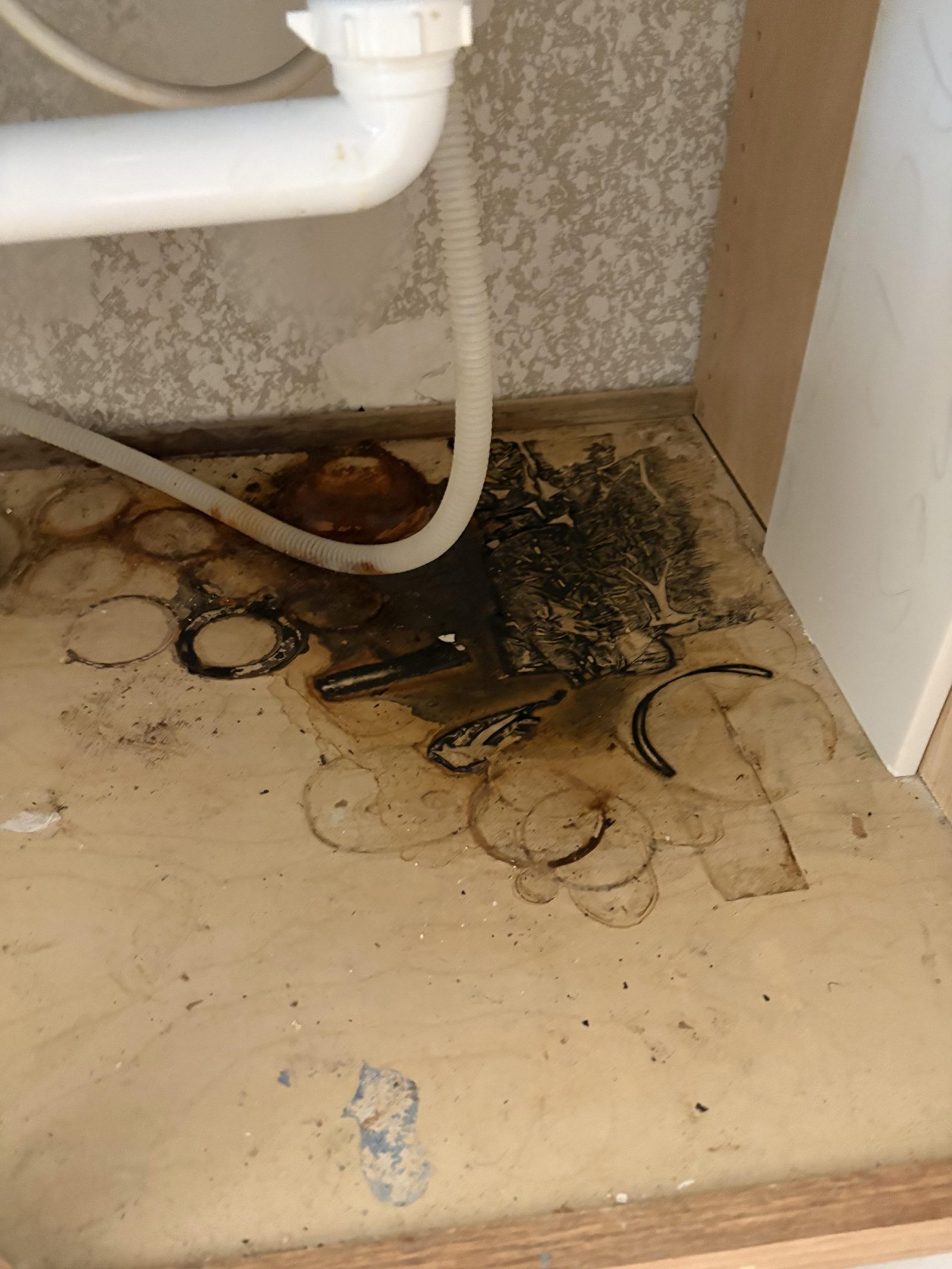
Have you ever noticed a dark, fuzzy patch lurking under your kitchen sink? That’s likely black mold, and it’s more common than you think.
Black mold doesn’t just look unpleasant—it can affect your health and damage your home. If you want to protect your family and keep your kitchen safe, understanding how to spot, remove, and prevent black mold is crucial. Keep reading, because what you learn here could save you time, money, and worry.
Causes Of Black Mold Under Sink
Black mold under the kitchen sink grows because of certain common causes. Knowing these helps stop mold growth early. The main reasons involve water and air problems in that area. Mold loves damp, dark places where it can spread fast. The kitchen sink area often has these conditions. Understanding what creates mold there can help keep your home safe and clean.
Moisture Sources
Moisture is the top reason for black mold under the sink. Water spills or drips create wet spots. These spots do not dry quickly. Standing water or wet surfaces give mold what it needs to grow. Even small amounts of moisture can cause mold over time. Moisture hides behind pipes, under cabinets, and around the sink base. Any wet area is a perfect home for mold spores to settle.
Poor Ventilation
Poor ventilation traps humidity and moisture under the sink. Without airflow, dampness stays longer. Stale air creates a humid environment that supports mold growth. Closed cabinets and lack of vents block fresh air. The moisture from daily use cannot escape. This makes the area perfect for mold to thrive and spread. Good ventilation helps keep the space dry and mold-free.
Leaky Pipes
Leaky pipes are a hidden cause of black mold under sinks. Even slow leaks drip water onto wood or drywall. This constant wetness feeds mold spores. Pipes often hide behind walls or under cabinets, so leaks go unnoticed. Leaks from faucets, drains, or supply lines create damp conditions. Fixing leaks quickly stops moisture buildup. Regular checks help catch leaks before mold starts.

Credit: www.advantaclean.com
Health Risks Of Black Mold
Black mold under your kitchen sink is more than just an eyesore. It can seriously impact your health, especially if you’re exposed over time. Understanding the health risks can help you take action before minor issues turn into major problems.
Respiratory Issues
Black mold releases tiny spores that you can inhale without noticing. These spores irritate your lungs and airways, causing coughing, wheezing, or shortness of breath. If you have asthma or other lung conditions, exposure can worsen your symptoms quickly.
Have you ever wondered why your allergies flare up indoors? It might be mold spores in the air around your kitchen sink.
Allergic Reactions
Many people react to black mold with allergy-like symptoms. Sneezing, itchy eyes, and skin rashes are common reactions after contact or inhalation. Even if you don’t usually have allergies, mold exposure can trigger new sensitivities.
Think about the last time you felt suddenly congested or itchy in your home—could black mold be the hidden cause?
Long-term Effects
Repeated exposure to black mold can lead to chronic health problems. Some people experience persistent fatigue, headaches, and difficulty concentrating. In rare cases, serious infections or toxic effects develop, especially in people with weakened immune systems.
Ignoring mold under your sink might seem harmless, but the long-term damage to your health can be costly. What steps can you take today to protect your home and well-being?
Detecting Mold Early
Detecting black mold early under the kitchen sink helps protect your home and health. Mold grows fast in damp, dark areas. Catching it soon stops the problem from growing worse. Regular checks make a big difference.
Visual Signs
Black mold often looks like dark spots or patches. It can be black, green, or even gray. Check corners, pipes, and behind cleaning supplies. Look for peeling paint or warped wood too. These can mean mold is hidden nearby.
Odor Indicators
A musty or damp smell is a strong sign of mold. The smell may be faint or strong. It often feels worse in closed spaces. Trust your nose. This smell usually means mold is growing nearby.
Using Mold Test Kits
Mold test kits help you find hidden mold. They are easy to use and available online or in stores. Follow the instructions carefully. Most kits collect air or surface samples. Send the sample to a lab for results. This confirms if mold is present and its type.

Credit: www.reddit.com
Step-by-step Removal Process
Removing black mold under the kitchen sink requires careful attention. Follow a clear process to clean it safely and effectively. This guide covers safety, cleaning, and disposal to protect your home and health.
Safety Precautions
- Wear gloves to protect your skin from mold and cleaning agents.
- Use a mask to avoid breathing mold spores.
- Open windows for good ventilation during cleaning.
- Keep pets and children away from the work area.
- Turn off water supply to prevent leaks.
Cleaning Solutions
- Mix one cup of bleach with one gallon of water for strong mold removal.
- Use white vinegar undiluted for a natural and safe cleaner.
- Commercial mold removers are also effective but follow label instructions.
- Apply the solution with a spray bottle or sponge directly on mold.
- Scrub the area gently with a brush to remove mold stains.
- Rinse the cleaned surface with water and dry thoroughly.
Proper Disposal
- Place used cleaning materials and moldy items in sealed plastic bags.
- Dispose of bags in outdoor trash bins to prevent mold spread.
- Wash gloves and clothes separately in hot water after cleaning.
- Clean and dry all tools used during removal to avoid contamination.
Preventing Mold Regrowth
Preventing mold regrowth under your kitchen sink is essential to maintain a healthy home environment. Mold thrives in damp, dark places, so the key to stopping it from coming back is controlling moisture and keeping the area clean. You don’t have to be an expert to tackle this issue—simple steps can make a big difference.
Fixing Leaks
Leaks are the main reason mold appears under the sink. Even a small drip can create enough moisture for mold to grow. Check all pipes and connections regularly for any signs of water.
Fix leaks immediately to stop water from pooling. If you spot a leak but don’t feel confident fixing it yourself, call a plumber. Ignoring leaks only makes mold problems worse over time.
Improving Ventilation
Good airflow helps keep the area under your sink dry. Without ventilation, moisture lingers, creating the perfect environment for mold. If your kitchen feels stuffy or damp, consider adding a small fan or vent near the sink.
Opening cabinet doors after washing dishes or cooking can also help air circulate. Have you ever noticed how damp smells disappear quickly once fresh air reaches the spot? This simple habit can prevent mold from taking hold.
Regular Cleaning Tips
Cleaning under your sink isn’t just about looks—it’s about stopping mold before it starts. Use a mixture of water and mild detergent to wipe down surfaces weekly. Pay attention to corners and cracks where mold hides.
For stubborn spots, a solution of vinegar and water works well and is safe for most surfaces. Avoid harsh chemicals that might damage your pipes or cabinet materials. How often do you think about cleaning this out? Making it part of your routine keeps mold away for good.
When To Call Professionals
Knowing when to call professionals for black mold under your kitchen sink is crucial. Some situations require expert help to ensure the mold is removed safely and completely. Ignoring these signs can make the problem worse and even impact your health.
Extensive Mold Infestation
If you notice mold spreading beyond a small patch or covering more than 10 square feet, it’s time to bring in professionals. Large infestations are difficult to handle with regular cleaning products and tools. Experts have the right equipment to remove mold without spreading spores to other areas of your home.
Have you ever tried scrubbing mold only to see it return quickly? That often means the mold is deeply embedded in materials beneath the surface, which only professionals can properly address.
Persistent Moisture Problems
Black mold thrives where moisture lingers. If you find that moisture keeps returning under your sink despite your efforts to dry the area, professional help is needed. They can identify hidden leaks or plumbing issues that you might miss.
Simply wiping away mold without fixing the moisture source leads to a cycle of mold growth. Professionals can offer solutions like sealing leaks or improving ventilation to stop mold from coming back.
Health Concerns
Black mold can cause serious health issues, especially if you or your family experience allergies, asthma, or respiratory problems. If you notice symptoms like coughing, sneezing, or headaches linked to your mold problem, don’t wait to call experts.
Handling mold yourself can release spores into the air, worsening health effects. Professionals use protective gear and safe removal techniques to reduce risks and protect your indoor air quality.
Tools And Products For Mold Control
Dealing with black mold under your kitchen sink requires the right tools and products to ensure effective control and prevention. Having the correct items on hand can make the difference between a quick cleanup and a recurring problem. Let’s look at what you need to tackle mold safely and thoroughly.
Mold Removers
Choosing the right mold remover is crucial for eliminating black mold efficiently. You can find commercial mold removers in sprays, gels, or wipes, designed specifically to kill mold spores and prevent regrowth.
Look for products containing fungicidesor antimicrobial agents. These ingredients break down mold and inhibit future growth. If you prefer natural options, white vinegar or hydrogen peroxide also work well but may require repeated applications.
Have you tried different mold removers before? Notice how some work faster and leave less residue than others. Picking a product that fits your cleaning style makes the process easier and less frustrating.
Dehumidifiers
Mold thrives in damp environments, so controlling moisture is key. Using a dehumidifier near your kitchen sink can reduce humidity and stop mold from coming back. Even small portable models can make a big difference in confined spaces.
Keep an eye on humidity levels; ideally, they should stay below 50%. Some dehumidifiers come with built-in hygrometers, so you can monitor moisture easily. Would you consider investing in one to protect your entire kitchen area?
Protective Gear
Safety is often overlooked but essential when handling mold. Wearing protective gear like gloves, masks, and goggles shields you from harmful mold spores that can affect your health.
Disposable gloves prevent skin contact, while an N95 mask filters out airborne spores during cleaning. Don’t forget goggles to protect your eyes from splashes of mold remover or debris.
Have you ever felt uneasy cleaning mold without protection? Taking these precautions not only keeps you safe but also gives you confidence to tackle the job thoroughly.

Credit: www.reddit.com
Frequently Asked Questions
What Causes Black Mold Under Kitchen Sink?
Black mold under the kitchen sink is caused by moisture buildup from leaks or poor ventilation. Damp conditions provide an ideal environment for mold growth. Food particles and organic matter can also feed the mold, making the area more susceptible.
How To Identify Black Mold Under Kitchen Sink?
Black mold appears as dark green or black spots, often slimy or fuzzy. It may emit a musty odor. Checking for water leaks and dampness under the sink helps confirm its presence. Mold can spread quickly if not addressed.
Is Black Mold Under Kitchen Sink Harmful?
Yes, black mold can cause allergic reactions, respiratory problems, and skin irritation. Prolonged exposure may worsen asthma or cause infections. It’s important to remove mold promptly and fix moisture issues to protect your health.
How To Safely Remove Black Mold Under Kitchen Sink?
Wear gloves and a mask before cleaning. Use a mixture of water and detergent or a mold cleaner. Scrub the area thoroughly and dry it completely. Dispose of contaminated materials safely. Fix leaks and improve ventilation to prevent recurrence.
Conclusion
Black mold under the kitchen sink can cause health problems. Act fast to clean and fix leaks. Keep the area dry and well-ventilated to stop mold growth. Use safe cleaning products to remove mold safely. Regular checks help catch mold early.
A clean kitchen keeps your home safe and fresh. Don’t ignore signs of mold under your sink. Take simple steps to protect your family’s health today.
