
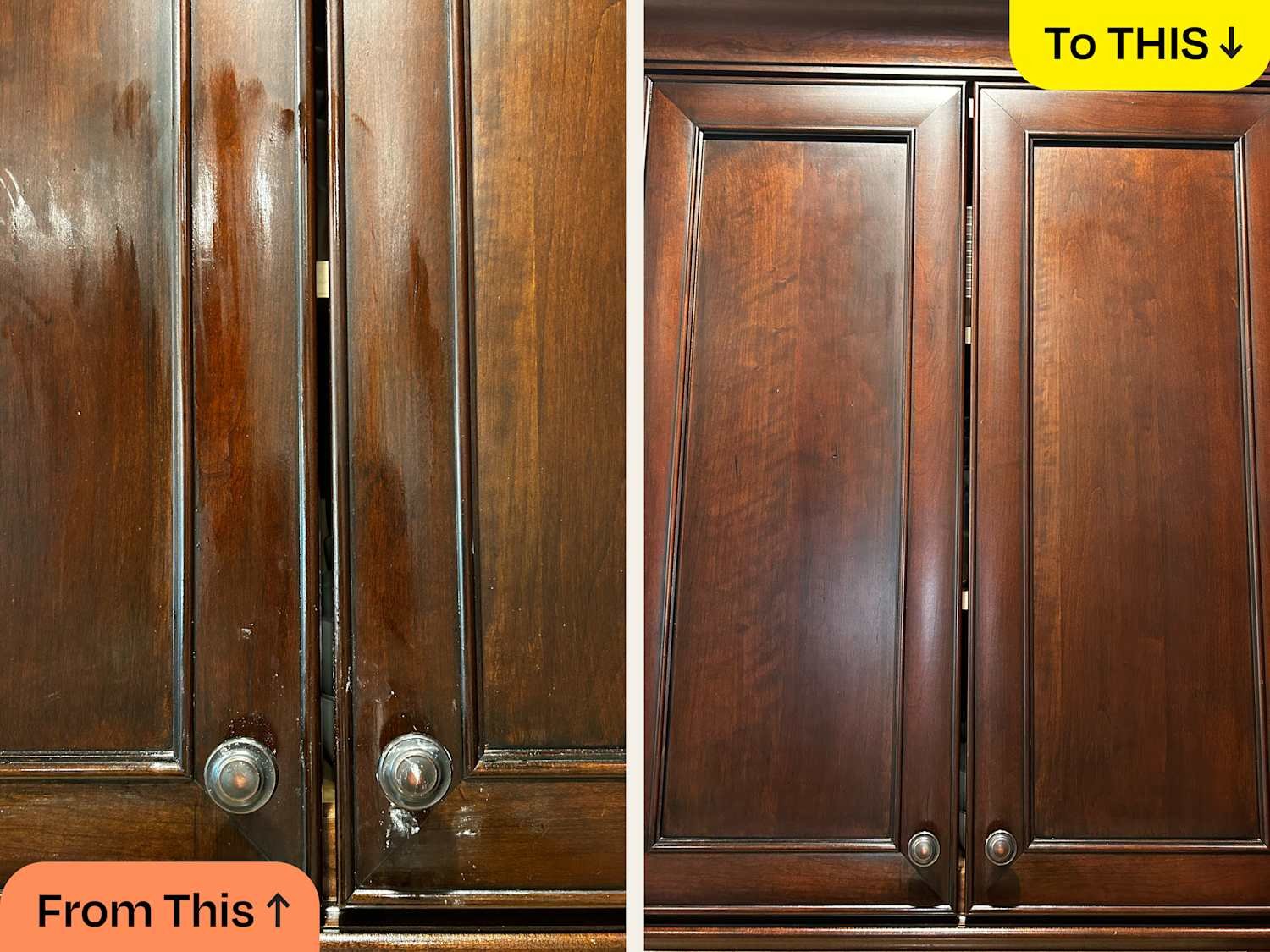
Are your wooden kitchen cabinets looking dull or sticky? You’re not alone.
Over time, grease, dust, and spills build up, making your cabinets lose their shine and charm. But cleaning them doesn’t have to be a chore or require harsh chemicals. Imagine restoring your cabinets to their original beauty with simple, effective steps you can easily follow.
You’ll discover the best way to clean wooden kitchen cabinets, saving you time and effort while protecting your investment. Keep reading to transform your kitchen and enjoy cabinets that look fresh and inviting every day.
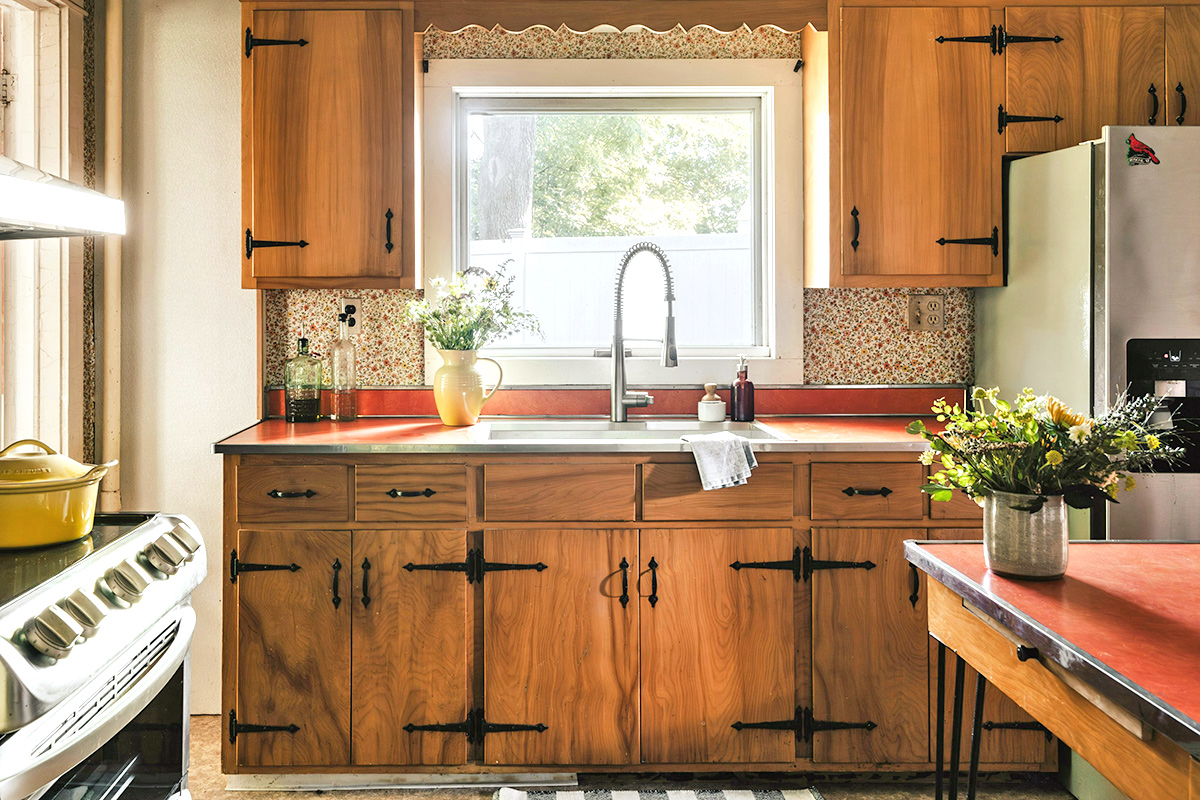
Credit: houseoutlook.com
Choosing The Right Cleaning Products
Choosing the right cleaning products makes a big difference in caring for wooden kitchen cabinets. The wrong products can damage the wood or strip away its finish. Selecting gentle and effective cleaners keeps your cabinets looking fresh and lasting longer. Understanding the types of cleaners helps you pick the best option for your wood.
Natural Vs Commercial Cleaners
Natural cleaners use ingredients like vinegar, lemon, and baking soda. They are gentle and eco-friendly. These cleaners reduce the risk of harming the wood’s surface. Commercial cleaners often contain stronger chemicals. They may clean deeply but can sometimes be harsh on wood finishes. Testing any cleaner on a small cabinet area avoids damage.
Avoiding Harsh Chemicals
Harsh chemicals like ammonia, bleach, and abrasive powders can strip wood’s protective layer. Avoid using these products on wooden cabinets. They cause discoloration and rough textures. Stick to mild soap or specially made wood cleaners. Gentle cleaning preserves the wood’s natural beauty and finish.
Recommended Cleaning Solutions
- Mix mild dish soap with warm water for daily cleaning
- Use a solution of white vinegar and water for grease removal
- Try olive oil mixed with lemon juice to polish and condition wood
- Choose commercial wood cleaners with natural ingredients and no ammonia
- Always use a soft cloth or sponge to avoid scratches
Preparing Cabinets For Cleaning
Preparing wooden kitchen cabinets for cleaning helps protect the wood and ensures better results. Proper preparation removes surface dust and dirt. It also avoids damage to nearby surfaces and keeps tools ready for use. Taking these steps saves time and effort during cleaning.
Removing Dust And Loose Dirt
Start by wiping the cabinets with a soft, dry cloth. Use a microfiber cloth or a feather duster. Focus on corners, edges, and grooves where dust collects. Avoid using water at this stage to prevent wood damage. Removing loose dirt makes the cleaning solution work better.
Protecting Surrounding Areas
Cover countertops and floors near the cabinets with old towels or newspapers. This protects surfaces from water or cleaning sprays. Remove any fragile or decorative items close to the cabinets. Protecting the area prevents stains and damage during cleaning.
Gathering Necessary Tools
Collect all tools before starting the cleaning process. Essential items include:
- Soft microfiber cloths
- Mild wood cleaner or gentle soap
- Warm water
- Spray bottle (optional)
- Small soft brush or toothbrush for crevices
- Protective gloves
Having tools ready keeps cleaning smooth and efficient.
Step-by-step Cleaning Process
Cleaning wooden kitchen cabinets properly keeps them looking fresh and lasting longer. Follow a simple process that protects the wood and removes dirt without damage. Use gentle products and careful techniques to maintain the wood’s natural shine.
Gentle Wiping Techniques
Start with a soft, dry cloth to remove dust from cabinet surfaces. Use microfiber cloths to avoid scratches. Dampen the cloth slightly with warm water for light cleaning. Wipe along the wood grain to keep the finish smooth. Avoid soaking the wood with too much water.
Dealing With Grease And Stains
Mix mild dish soap with warm water to break down grease. Use a soft sponge or cloth dipped in the solution. Gently scrub greasy spots without harsh scrubbing. For tough stains, try a paste of baking soda and water. Apply it carefully, then wipe off with a damp cloth. Always test cleaning solutions on a small hidden area first.
Drying And Polishing
After cleaning, dry cabinets thoroughly with a soft towel. Standing water can damage wood and cause stains. Apply a wood polish or conditioner to restore shine. Use a clean cloth and small circular motions to spread polish evenly. Buff lightly for a smooth finish that protects the wood surface.
Maintaining Cabinet Finish
Maintaining the finish on your wooden kitchen cabinets keeps them looking fresh and protects the wood beneath. A well-preserved finish not only enhances the cabinet’s natural beauty but also extends its lifespan. Simple care habits can make a big difference in how your cabinets hold up over time.
Regular Cleaning Schedule
Set a consistent cleaning routine to prevent dirt and grease buildup. Use a soft cloth dampened with warm water and mild dish soap to wipe down surfaces weekly. Avoid harsh chemicals that can strip the finish or leave residue behind.
Have you noticed how skipping just one week can make your cabinets look dull? Staying on top of cleaning helps maintain their shine and prevents stubborn stains.
Handling Scratches And Wear
Scratches and scuffs happen, but you don’t have to live with them. Use a wood touch-up marker or wax filler stick that matches your cabinet color to disguise minor damage. For deeper scratches, lightly sanding the area and applying a matching finish can restore a smooth look.
Keep a small repair kit handy—it can save you from costly refinishing later. What simple fixes have you tried that worked surprisingly well?
Applying Wood Conditioner
Wood conditioner nourishes and protects the cabinet finish, preventing it from drying out and cracking. Apply it every few months using a soft cloth, following the product instructions carefully. This step refreshes the wood and keeps the grain vibrant.
Think of conditioner as a spa treatment for your cabinets—it keeps them healthy and glowing. Have you checked if your cabinets feel dry or rough? That’s a sign they need some conditioning care.
Preventing Damage To Cabinets
Protecting your wooden kitchen cabinets from damage is essential for keeping them looking fresh and lasting longer. Small mistakes like exposing wood to too much moisture or heat can cause warping, discoloration, or peeling. Taking simple precautions can save you costly repairs and maintain your kitchen’s charm.
Avoiding Excess Moisture
Water is wood’s enemy. When cleaning, never soak your cabinets or use dripping wet cloths. Instead, use a slightly damp microfiber cloth and wipe immediately with a dry one to prevent moisture from seeping into the wood.
Have you noticed water stains near your sink or dishwasher? These often come from splashes or leaks. Fix any plumbing issues quickly and wipe spills right away to stop moisture from damaging the finish.
Using Protective Barriers
Adding a protective layer between your cabinets and potential damage sources can work wonders. Apply a high-quality furniture wax or a wood-safe sealant to create a shield against stains and scratches.
Consider placing mats or liners inside cabinet shelves to protect against spills or abrasive items. This small step keeps the wood underneath intact and makes cleaning easier.
Proper Ventilation Tips
Good airflow reduces humidity, which is crucial for wooden surfaces. Make sure your kitchen has adequate ventilation, especially near cooking and washing areas.
Use exhaust fans during and after cooking to remove steam and odors. If your kitchen lacks built-in ventilation, a portable dehumidifier can help control moisture levels.
Have you checked the air circulation around your cabinets recently? Poor ventilation can trap moisture and accelerate damage without you even realizing it.
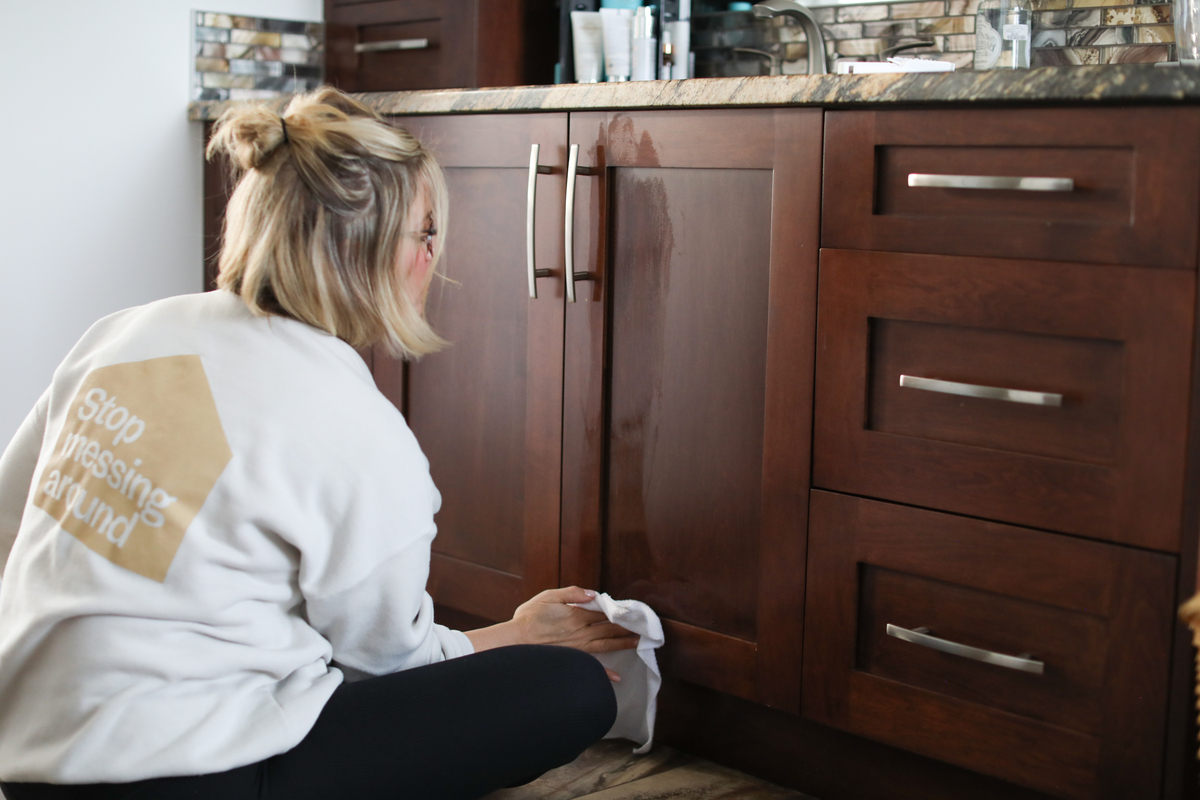
Credit: www.housework.com

Credit: www.reddit.com
Frequently Asked Questions
What Is The Safest Cleaner For Wooden Kitchen Cabinets?
The safest cleaner is a mild dish soap diluted in warm water. Avoid harsh chemicals or abrasive cleaners to prevent damage. Use a soft cloth to gently wipe the cabinets for effective and safe cleaning.
How Often Should I Clean Wooden Kitchen Cabinets?
Clean wooden kitchen cabinets every two weeks to maintain their appearance. Wipe off grease and dirt promptly to prevent buildup. Regular cleaning helps preserve the wood finish and keeps cabinets looking fresh.
Can I Use Vinegar To Clean Wooden Cabinets?
Yes, diluted vinegar can clean wooden cabinets safely. Mix equal parts vinegar and water, then wipe gently with a soft cloth. Avoid using pure vinegar, as its acidity may damage the wood finish over time.
How Do I Remove Grease From Wooden Cabinets?
Use a mixture of warm water, dish soap, and a few drops of vinegar. Apply with a soft cloth, gently scrubbing greasy spots. Rinse with a damp cloth and dry thoroughly to avoid moisture damage.
Conclusion
Cleaning wooden kitchen cabinets keeps them looking fresh and new. Use gentle cleaners to protect the wood’s finish. Wipe spills quickly to avoid stains and damage. Regular care helps your cabinets last longer. Simple steps make a big difference in kitchen cleanliness.
Enjoy a neat and inviting kitchen every day. Keep these tips in mind for easy cabinet care. Your kitchen will thank you with a bright, clean look.
