
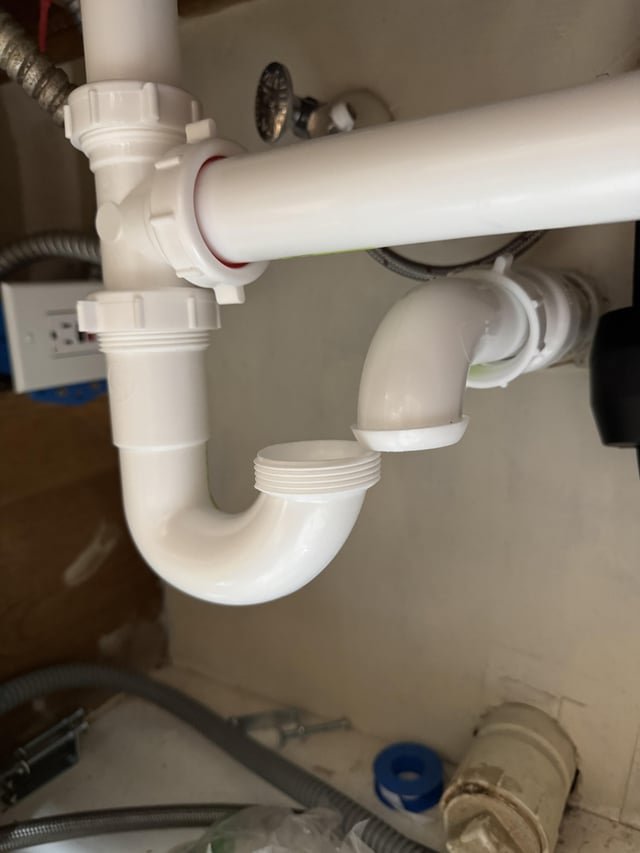
If you’ve ever noticed a strange smell or slow drainage under your kitchen sink, the problem might be with the P trap. This small, curved pipe plays a big role in keeping your kitchen fresh and your plumbing working smoothly.
Understanding how the P trap works and knowing how to fix common issues can save you time, money, and frustration. You’ll discover everything you need to know about the P trap under your kitchen sink—how it works, why it matters, and simple steps to keep it in top shape.
Keep reading to protect your home and avoid costly repairs.

Credit: www.amazon.com
What Is A P Trap
Have you ever noticed the curved pipe under your kitchen sink and wondered what it does? That curved pipe is called a P Trap, and it plays a crucial role in your home’s plumbing system. Understanding what a P Trap is can help you spot problems early and even handle minor repairs yourself.
What Is A P Trap?
A P Trap is a U-shaped pipe located directly beneath your kitchen sink drain. Its main job is to hold a small amount of water at all times. This water acts as a barrier, preventing sewer gases from coming back up into your kitchen.
Without a P Trap, unpleasant smells would easily enter your home through the sink drain. It also helps catch small objects that accidentally fall down the drain, like earrings or food bits. Knowing this, you might want to check your P Trap regularly for blockages or leaks.
How Does A P Trap Work?
When you run water through your sink, it flows down into the P Trap. The curved shape holds water in its bend, creating a seal against sewer gases. Meanwhile, wastewater continues down the drainpipe without any interruption.
This simple design keeps your kitchen smelling fresh and prevents harmful gases from entering your living space. If you’ve ever noticed a foul odor coming from your sink, it might mean your P Trap is dry or clogged. Keeping it filled with water and clean is essential.
Why Is The P Trap Important?
The P Trap is one of the most important parts of your plumbing system, even if it seems small and insignificant. It protects your home’s air quality by blocking sewer gases, which can be harmful and unpleasant.
It also prevents clogs further down the line by trapping debris that could cause bigger plumbing issues. When I ignored my P Trap once, I ended up with a costly clog that shut down my kitchen sink for days. Paying attention to this small pipe can save you time and money.
How P Traps Work
Understanding how a P trap works under your kitchen sink can save you from plumbing headaches and foul odors. It’s a small but vital part of your drainage system that keeps your home hygienic and odor-free. Let’s break down how this simple device does such an important job.
What Is A P Trap?
A P trap is a curved pipe located just below your kitchen sink drain. Its shape looks like the letter “P” lying on its side, hence the name. This curve holds a small amount of water at all times.
That trapped water is not just sitting there for no reason—it forms a barrier that blocks sewer gases from coming back up through your drain. If you’ve ever smelled something bad near your sink, it might mean the P trap is dry or damaged.
How Does The Water Seal Work?
When you run water in your sink, it flows through the P trap and into your home’s drainage pipes. Some water stays trapped in the curve, creating a seal.
This water seal acts like a gatekeeper, stopping unpleasant smells and harmful gases from entering your kitchen. Without this water barrier, those gases would flow freely and cause discomfort or even health issues.
Why Does The P Trap Sometimes Leak Or Smell?
Leaks or odors often happen if the P trap is loose, cracked, or clogged. If the water inside evaporates—say you haven’t used the sink in a while—the seal breaks and smells can escape.
Have you noticed a bad smell after a long vacation? That’s usually because the water seal dried out. Running water for a few seconds refills the trap and fixes the issue.
How To Keep Your P Trap Working Properly
- Use the sink regularly to maintain the water seal.
- Check for leaks or loose connections under the sink.
- Clean the trap if you notice slow drainage or odors.
- Replace damaged traps promptly to avoid bigger problems.
Knowing how your P trap works helps you spot issues early and keep your kitchen fresh. Isn’t it amazing how such a simple piece of plumbing protects your home every day?
Common Problems With Kitchen Sink P Traps
The kitchen sink P trap plays a crucial role in your plumbing by preventing sewer gases from entering your home. Despite its simple design, it can develop several common problems that disrupt your kitchen’s functionality. Understanding these issues helps you act quickly and avoid costly repairs or unpleasant surprises.
Leaks And Drips
Leaks around the P trap often happen because of loose connections or worn-out washers. You might notice water pooling under the sink or a persistent drip sound. Tightening the slip nuts or replacing the rubber gaskets usually solves this problem fast.
Sometimes, corrosion or cracks in the trap itself cause leaks. If tightening doesn’t work, inspect the trap for visible damage. Replacing a damaged P trap is simple and saves you from water damage later.
Clogs And Blockages
Food scraps, grease, and soap scum often build up inside the P trap, causing slow drainage or complete blockages. You might find water backing up or gurgling noises from the sink drain. Regularly clearing the trap by removing and cleaning it can prevent these issues.
Using a homemade drain cleaner made from baking soda and vinegar can also help break down minor clogs. Avoid pouring grease down the drain to keep the trap clear. Have you checked your P trap lately to see if it needs a quick clean?
Bad Odors
When the P trap dries out, it loses the water seal that blocks sewer gases. This can lead to unpleasant odors wafting up from your kitchen sink. Running water through the drain regularly keeps the trap full and odor-free.
Sometimes, trapped debris inside the P trap starts to rot and smell. Cleaning the trap thoroughly removes this source of bad odors. If odors persist, it might be a sign of a deeper plumbing issue worth inspecting.

Credit: www.youtube.com
Tools Needed For Maintenance
Maintaining the P trap under your kitchen sink is essential to prevent clogs and unpleasant odors. Having the right tools ready makes the task easier and less messy. You might think you need specialized equipment, but most tools are common household items or easy to find at any hardware store.
Basic Tools For P Trap Maintenance
- Adjustable Wrench:Useful for loosening and tightening the slip nuts on the trap without damaging the pipes.
- Bucket:Essential to catch water when you disconnect the trap, avoiding spills on your floor.
- Gloves:Protect your hands from grime and sharp edges inside the pipe.
- Flashlight:Helps you see clearly under the sink, especially in cramped or dimly lit spaces.
Cleaning And Clearing Tools
- Pipe Brush or Bottle Brush:Perfect for scrubbing the inside of the trap to remove buildup.
- Plumber’s Snake:A flexible tool that can reach deeper blockages beyond the trap.
- Baking Soda and Vinegar:Natural cleaners that help break down grease and deodorize the trap without harsh chemicals.
Additional Tools For Troubleshooting
- Flashlight with Magnetic Pickup Tool:Handy if you drop small items down the drain and need to retrieve them.
- Rubber Mallet:Useful for gently tapping pipes back into place without causing damage.
- Pipe Thread Seal Tape (Teflon Tape):Ensures a watertight seal when you reassemble the trap connections.
Have you ever started a plumbing task only to realize you don’t have the right tool? That frustration can make a simple job much harder. Preparing these tools before you start can save time and keep your kitchen mess-free.
Step-by-step Cleaning Process
Cleaning the P trap under your kitchen sink may seem daunting, but it’s a task you can handle with confidence. Regular maintenance prevents clogs and unpleasant odors, saving you from costly plumbing visits. Let’s break down the process into clear, manageable actions that anyone can follow.
Turning Off Water Supply
Before you touch the P trap, ensure the water supply is off. This step stops any water flow that could cause spills when you disconnect the pipes. Locate the shut-off valves under the sink and turn them clockwise until tight.
If you can’t find individual valves, turn off the main water supply to your home. Have a towel or bucket ready to catch any residual water when you loosen the trap. Taking these precautions keeps your workspace dry and stress-free.
Removing The P Trap
With the water off, place a bucket underneath the trap to catch trapped water. The P trap is usually held by two slip nuts, one on each side. Loosen these nuts carefully by hand or with a wrench if they’re tight.
Once loose, gently pull the trap down and out. You might feel some resistance if there’s buildup inside—that’s a sign it’s time for a thorough cleaning. Remember, don’t force anything to avoid damaging the pipes.
Clearing Debris
Inspect the trap for accumulated debris like food particles, grease, and soap scum. Use a brush or an old toothbrush to scrub the inside thoroughly. Rinse it with warm water to wash away loosened grime.
If stubborn blockages remain, soak the trap in a mixture of hot water and baking soda for 15 minutes. This natural solution helps break down buildup without harsh chemicals. Can you see how much cleaner your trap gets with just a little effort?
Reassembling The Trap
Once clean and dry, reposition the P trap back under the sink. Align the slip nuts correctly and tighten them securely by hand, then give a slight turn with a wrench to prevent leaks. Avoid overtightening, which can crack the pipes.
Turn the water supply back on and check for leaks by running the tap. If you notice drips, adjust the nuts gently until sealed. Keeping your P trap clean ensures smooth drainage and a fresher kitchen environment.
Preventing Future Issues
Keeping your kitchen sink’s P trap in good shape saves you from costly repairs and foul odors. Prevention is all about simple habits that protect the pipe from clogs and corrosion. Are you doing enough to keep your plumbing flowing smoothly?
Regular Cleaning Tips
Clean your P trap every few months to stop buildup before it turns into a blockage. You can easily remove the trap and rinse it with warm water and mild soap. Using a small brush helps clear out stubborn debris stuck inside.
Don’t forget to flush your drains regularly with hot water. This helps dissolve grease and food particles that cling to the pipes. A little effort now can prevent a major headache later.
Avoiding Harmful Substances
Never pour grease, coffee grounds, or thick sauces down your drain. These substances harden and accumulate in the P trap, causing slow drainage and bad smells. Instead, dispose of them in the trash or compost bin.
Also, steer clear of harsh chemical cleaners. They can erode the trap’s material over time and harm your pipes. Opt for natural alternatives like baking soda and vinegar to keep things fresh without damage.
Using Drain Strainers
Installing a drain strainer is a smart move to catch food scraps and prevent them from entering the P trap. These simple devices are inexpensive and easy to clean. You’ll save yourself from frequent clogs and the hassle of disassembling the trap.
Have you noticed how often small bits of food disappear down the drain? A strainer stops that and protects your plumbing investment. It’s a small change that makes a big difference.
When To Call A Professional
Knowing when to call a professional for your kitchen sink’s P trap saves time and prevents damage. Some issues require expert tools and skills. Attempting repairs without experience can cause leaks or worsen clogs. Recognizing the signs helps protect your home and plumbing.
Signs Of Persistent Clogs
Water drains slowly or not at all. Plunging does not clear the blockage. Bad odors come from the drain. These are signs a professional should inspect the P trap.
Visible Leaks Or Water Damage
Water pooling under the sink or on the floor needs immediate attention. Cracks or corrosion on the P trap indicate replacement. Professionals can fix leaks safely and efficiently.
After Failed Diy Repairs
Efforts to fix the P trap that fail can make problems worse. Professionals have the right tools to remove and replace damaged parts. Calling an expert avoids further damage and costs.
Unusual Noises From The Drain
Gurgling or bubbling sounds signal venting or clog issues. These problems often need a plumber’s expertise. Ignoring strange noises can lead to bigger plumbing troubles.

Credit: www.amazon.com
Frequently Asked Questions
What Is A P Trap Under Kitchen Sink?
A P trap is a curved pipe beneath your kitchen sink. It prevents sewer gases from entering your home. It also traps debris, reducing clogs in your plumbing system.
Why Does The P Trap Under Kitchen Sink Leak?
Leaks happen due to loose connections, worn-out washers, or cracks in the pipe. Regular inspection and tightening can prevent leaks. Replace damaged parts to ensure a proper seal and avoid water damage.
How Do You Clean A P Trap Under Kitchen Sink?
Turn off the water and place a bucket under the trap. Unscrew the slip nuts and remove the trap. Clean out debris and rinse before reattaching. This helps maintain proper drainage and prevents odors.
Can A P Trap Cause Slow Drainage In Kitchen Sink?
Yes, debris buildup in the P trap can slow drainage. Regular cleaning helps prevent blockages. If slow drainage persists, check other plumbing parts or call a plumber.
Conclusion
The P trap under your kitchen sink keeps bad smells out. It also stops sewer gases from coming inside. Regular checks help avoid clogs and leaks. Cleaning the trap can save you from costly repairs. Knowing its role makes kitchen plumbing easier to understand.
Keep your sink working well by caring for the P trap. Small steps make a big difference in home maintenance. Simple fixes often prevent bigger problems later on.
