
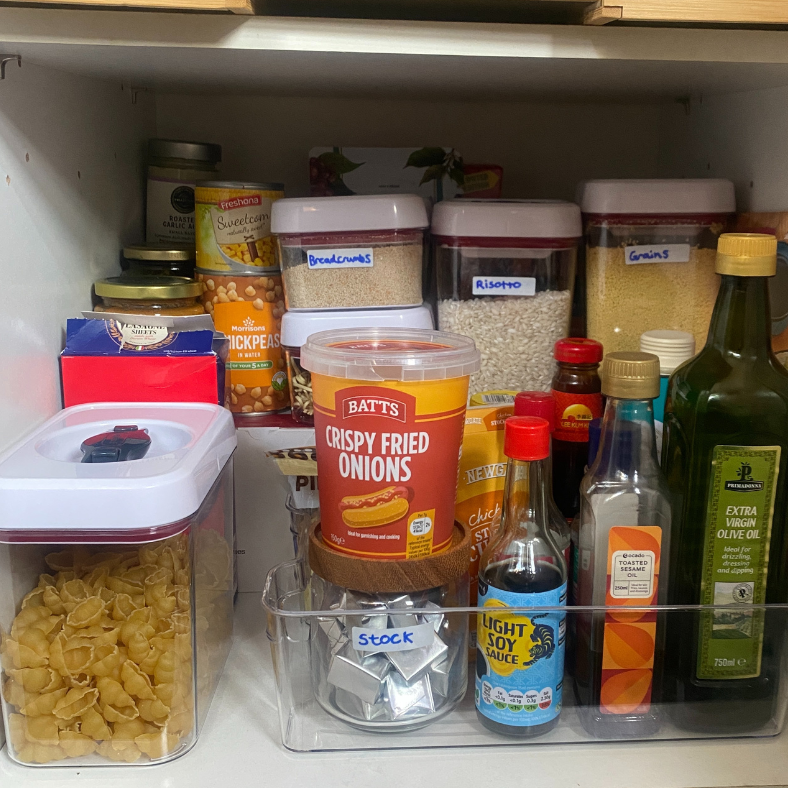
Are your kitchen cupboards a constant source of frustration? You open a door, and everything seems to tumble out or you spend ages searching for that one spice or utensil.
Imagine opening your cupboards and instantly finding exactly what you need, saving time and reducing stress. Organising your kitchen cupboards the right way can transform your cooking experience and make your daily routine smoother. You’ll discover simple, effective tips to get your cupboards neat, tidy, and easy to use.
Ready to take control of your kitchen space and enjoy the benefits? Let’s dive in!

Credit: food52.com
Decluttering Essentials
Decluttering is the first and most important step to organise your kitchen cupboards effectively. Without clearing out unnecessary items, no amount of rearranging will create the tidy space you want. It’s about deciding what truly belongs and what just takes up valuable room.
Assessing What You Need
Start by looking at what you use daily or weekly. Ask yourself, do you really need three sets of measuring cups or that vintage blender you haven’t touched in years? Keep only what fits your cooking style and habits.
Think about the size of your household and the meals you prepare. Bulk buying is great, but storing too many similar items can clutter your cupboards quickly. Make a list of essentials you reach for regularly and focus on keeping those accessible.
Removing Unused Items
Once you’ve identified what’s necessary, it’s time to let go of the extras. Items you haven’t used in the past six months are usually good candidates for removal. Consider donating or recycling them instead of just pushing them to the back of a cupboard.
Be honest with yourself. Holding onto duplicates or gadgets “just in case” often leads to crowded cupboards that make cooking frustrating. Clearing out frees up space and creates a calmer, more efficient kitchen environment.
Strategic Storage Solutions
Strategic storage solutions help keep kitchen cupboards neat and easy to use. Planning how to store items saves time and space. It also reduces clutter and makes cooking more enjoyable. Smart storage lets you find what you need quickly. It keeps everything tidy and within reach.
Maximizing Vertical Space
Use the full height of your cupboards for more storage. Tall items and stacks fit well in vertical space. Add extra shelves or risers to create layers. Hang hooks or racks inside cupboard doors to hold small items. This way, you keep counters clear and cupboards organized.
Utilizing Shelf Organizers
Shelf organizers help separate and arrange items neatly. Use tiered shelves for cans and spices to see labels easily. Baskets or bins group similar things together for quick access. Adjustable dividers keep plates and trays upright and safe. These tools make cupboards look clean and save time.
Categorizing Kitchen Items
Organizing your kitchen cupboards effectively begins with categorizing your kitchen items. This approach not only saves time when cooking but also reduces clutter and stress. When you know exactly where everything belongs, your kitchen feels more inviting and functional.
Grouping Similar Items
Start by putting together items that serve the same purpose or are used together. For instance, keep all baking supplies like flour, sugar, and baking powder in one spot. This stops you from opening multiple cupboards looking for ingredients.
Think about how you use your kitchen daily. Are your spices scattered around, or do they sit neatly on a rack? Grouping spices together in one cupboard or drawer makes seasoning a meal quicker and easier.
Don’t forget to group tools too. Store all your measuring cups and spoons in one place. This simple step has helped me avoid frantic searches during baking sessions.
Designating Specific Zones
Assign particular areas in your cupboards for different kitchen activities. For example, create a coffee zone where you keep mugs, coffee beans, filters, and your favorite sweeteners. It turns your morning routine into a smooth, enjoyable process.
Consider a cooking zone near the stove with pots, pans, oils, and utensils. Having these essentials within arm’s reach speeds up meal prep and keeps your kitchen tidy.
Do you have a snack zone? Setting aside a shelf or cupboard for snacks and lunchbox items can help keep your kitchen organized and prevent random food items from cluttering your counters.

Credit: www.goodhousekeeping.com
Optimizing Accessibility
Optimizing accessibility in kitchen cupboards makes cooking faster and easier. It helps find items quickly without hassle. Organizing shelves smartly saves time and reduces clutter. Easy access means less strain and more joy in the kitchen.
Placement For Frequent Use
Store everyday items like plates, cups, and spices at eye level. Keep pots, pans, and cooking tools near the stove. Place snacks and frequently used ingredients where hands reach easily. Avoid stacking heavy items on high shelves. This saves effort and speeds up meal prep.
Creating Easy-to-reach Areas
Use pull-out drawers or sliding shelves for deep cupboards. Install lazy Susans for corner spaces to avoid digging. Group similar items together for quick spotting. Keep heavy items low to prevent accidents. Label containers clearly for fast identification.
Labeling For Clarity
Labeling your kitchen cupboards is a smart move to keep everything clear and easy to find. It saves you time and reduces the frustration of digging through clutter. When you label, you create a system that anyone in your household can follow, making your kitchen more efficient and enjoyable to use.
Using Labels Effectively
Choose labels that are easy to read and durable enough to last. Clear, bold fonts work best, and waterproof or laminated labels hold up well against kitchen moisture. Place labels at eye level or on the cupboard doors where they are immediately visible.
Think about grouping items logically. For example, label one cupboard “Baking Supplies” and another “Spices.” This simple step helps you quickly spot what you need and keeps similar items together.
Try to keep the wording consistent. If you start with singular labels like “Can,” stick to that instead of switching to plurals like “Cans.” Consistency makes scanning your cupboards faster and less confusing.
Color Coding Systems
Adding colors to your labels makes your kitchen organization even clearer. Assign specific colors to categories such as green for vegetables, red for canned goods, or blue for snacks. This visual cue speeds up finding items without having to read every label.
You can use colored stickers, markers, or printed labels. If you have kids helping in the kitchen, color coding can be a fun way to teach them where things belong. Plus, it adds a splash of personality to your cupboards.
Ask yourself: Could a color system help you spot what you need faster? Try combining colors with words for a double layer of clarity. It’s especially helpful in large kitchens or shared spaces.
Maintaining Organization
Maintaining organization in kitchen cupboards keeps your space tidy and efficient. A well-kept cupboard saves time and reduces stress during cooking. Consistent care ensures items stay in their places and prevents clutter buildup.
Simple habits and adjustments help maintain order over time. Small efforts create a lasting impact on kitchen organization and usability.
Regular Clean-up Routines
Set a weekly or biweekly time to clean kitchen cupboards. Remove expired products and wipe down shelves. Organize items back into their spots after cleaning. This routine prevents dirt and clutter from accumulating.
Use a damp cloth and mild cleaner for wiping surfaces. Avoid harsh chemicals that can damage cupboard materials. Keep containers sealed to avoid spills and pests.
Adapting To Seasonal Changes
Change cupboard contents based on the season or holidays. Store seasonal items separately to avoid confusion. Rotate pantry goods to use older items first.
Adjust storage to fit different cooking needs throughout the year. For example, move baking supplies closer during winter months. Keep summer grilling tools accessible in warmer seasons.
Incorporating Smart Tools
Smart tools can transform how you organize your kitchen cupboards, making everything easier to find and use. These tools save time and reduce frustration, especially when your cupboards are packed with pots, pans, and pantry items. Adding the right gadgets lets you maximize space and keep your kitchen tidy without constant effort.
Choosing Efficient Gadgets
Look for gadgets that fit your kitchen’s size and your daily habits. Lazy Susans help you reach items at the back of deep cupboards without digging through clutter. Pull-out shelves make heavy pots or bulky containers easy to slide in and out, preventing you from stacking things on top of each other.
Wire racks and tiered shelf organizers create vertical space for canned goods and spices, so everything stays visible at a glance. I once added clear stackable bins for snacks, which stopped me from buying duplicates and saved cupboard space. Have you noticed how simple tools can change your cooking routine?
Tech-driven Solutions
Technology isn’t just for gadgets on your counter; it can help inside your cupboards too. Smart labels with QR codes let you track pantry items through an app, so you always know when to restock. Motion-activated lights inside cupboards illuminate dark corners, making it easier to find what you need quickly.
Some modern cupboards even offer adjustable shelves controlled by apps, helping you customize storage without lifting a finger. These innovations might seem like overkill, but they can save you real time and hassle every day. What if your kitchen could think ahead and remind you of what’s inside?

Credit: www.lemonthistle.com
Frequently Asked Questions
What Is The Best Way To Organise Kitchen Cupboards?
The best way is to group items by use and frequency. Use clear containers and labels. Keep daily items at eye level for easy access.
How Can I Maximise Space In Kitchen Cupboards?
Use vertical dividers and stackable shelves. Utilize door racks and pull-out baskets. This creates more room and keeps items visible.
What Items Should Be Stored In Kitchen Cupboards?
Store dry goods, dishes, cookware, and small appliances. Keep heavy items low and fragile ones higher. Organize by category for quick retrieval.
How Often Should Kitchen Cupboards Be Decluttered?
Declutter every 3 to 6 months. Remove expired food and unused items. Regular cleaning keeps cupboards tidy and efficient.
Conclusion
Organising kitchen cupboards makes daily cooking easier and faster. Clear labels help find items without any hassle. Group similar things together to save space and time. Use containers to keep small items tidy and visible. Regularly check and remove expired products to keep cupboards fresh.
A neat kitchen cupboard brings calm and joy to your space. Start small, and enjoy a clutter-free kitchen every day. Simple steps lead to lasting order and peace in your kitchen.
