
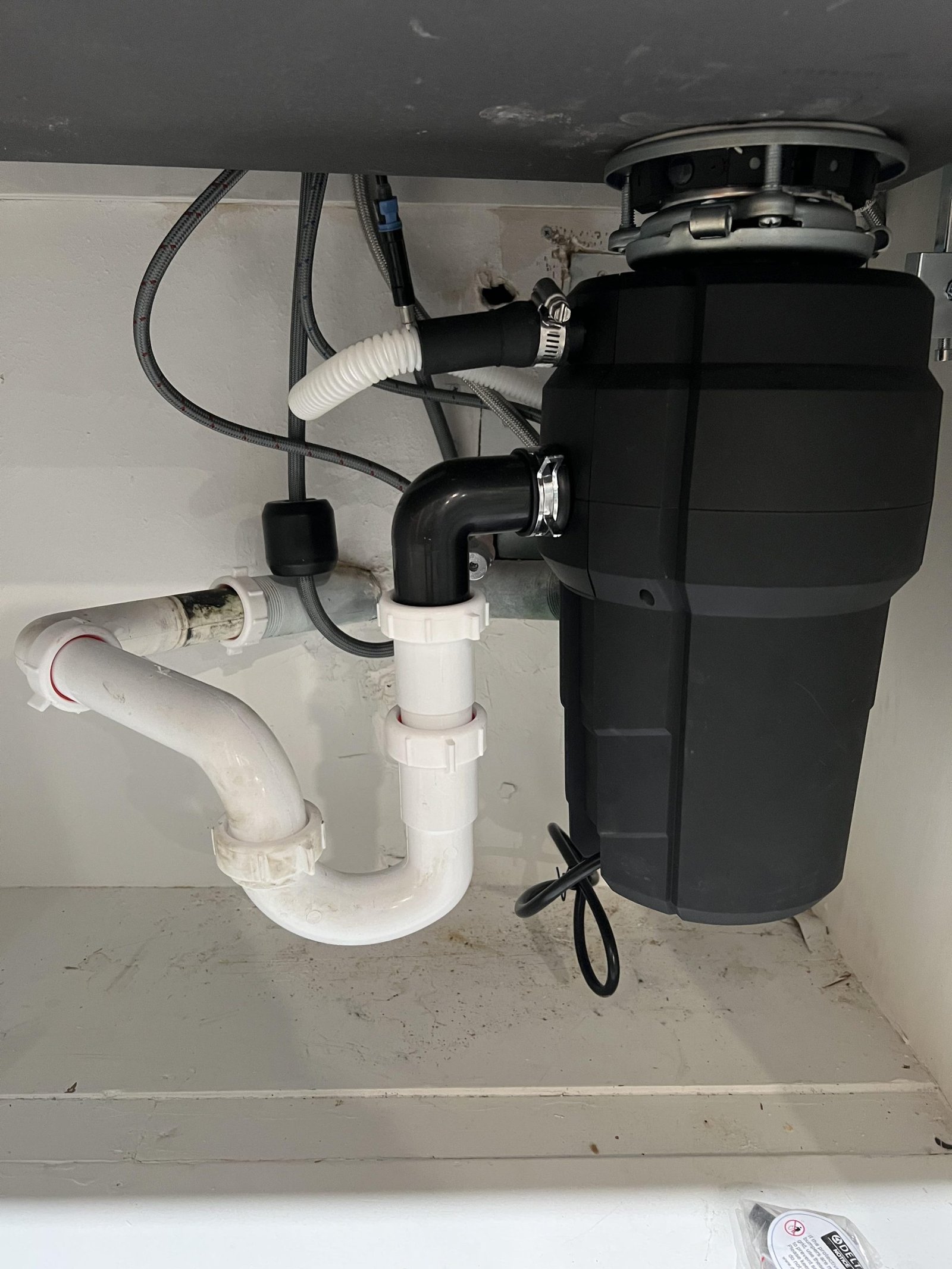
Have you noticed a musty smell coming from under your kitchen sink, but can’t find any leaks? That unpleasant odor can be frustrating and confusing, especially when everything looks dry.
You might wonder what’s causing it and how to get rid of it for good. Don’t worry—this smell is more common than you think, and there are simple steps you can take to fix it. Keep reading, and you’ll discover why that musty scent appears and what you can do right now to make your kitchen fresh again.
Credit: www.vevor.com
Common Causes Of Musty Smell
A musty smell under the kitchen sink can be puzzling, especially without any leaks. This odor often signals hidden problems. Identifying the common causes helps to fix the issue quickly. Understanding these causes makes it easier to keep your kitchen fresh and clean.
Trapped Moisture
Moisture can get trapped under the sink even if no leaks exist. Condensation from pipes or damp air causes this. The tight space limits airflow, making the area stay wet. This trapped moisture creates a perfect spot for odors to develop. Regularly drying the area can stop the smell from growing.
Accumulated Dirt And Debris
Small bits of food, dust, and dirt collect under the sink. These particles decay over time and cause bad smells. Trash or cleaning supplies can also add to the mess. Dirt and debris block proper drainage, worsening the odor. Cleaning this space often removes the source of the smell.
Presence Of Mold Or Mildew
Mold and mildew thrive in dark, damp spots under the sink. They produce a strong musty smell that can spread quickly. Even a tiny mold patch can cause a noticeable odor. Mold grows on wood, walls, or plumbing materials if moisture stays long. Removing mold with proper cleaners can clear the smell fast.
Initial Assessment
Detecting a musty smell under the kitchen sink without a visible leak requires careful observation. The initial assessment helps narrow down possible causes. Start with a clear, focused approach to find hidden issues.
Inspecting The Area
Begin by clearing out items stored under the sink. Check for any signs of dampness on the cabinet floor and walls. Look for discoloration, stains, or warping in the wood. Pay attention to any soft spots or crumbling materials. These clues suggest moisture problems even without obvious leaks.
Checking For Hidden Moisture
Use your hand to feel for dampness around pipes and corners. A moisture meter can help detect water trapped inside surfaces. Look inside the back of the cabinet and under the sink basin. Moisture may hide in small cracks or behind insulation. Dry any wet areas thoroughly to prevent mold growth.
Identifying Odor Sources
Musty smells may come from mold, mildew, or rotting materials. Check for old sponges, food debris, or trash left under the sink. Examine the plumbing for slow drips or condensation. Also, inspect the drain for clogs or buildup. Removing odor sources stops the smell at its root.
Cleaning Solutions
Cleaning the musty smell under the kitchen sink is simple with the right solutions. Using natural ingredients can freshen the area and remove odors. These cleaning methods are safe, effective, and easy to do at home.
Using Vinegar And Baking Soda
Vinegar and baking soda work well together to clean and deodorize. Sprinkle baking soda under the sink and spray vinegar over it. The fizz helps lift dirt and neutralize bad smells. Let it sit for 15 minutes, then wipe clean with a damp cloth. This combo breaks down grime and freshens the space.
Applying Essential Oils
Essential oils add a pleasant scent while fighting bacteria. Mix a few drops of oils like tea tree, lemon, or lavender with water in a spray bottle. Spray the solution under the sink and on surfaces. These oils help keep the area smelling fresh and clean naturally.
Disinfecting With Hydrogen Peroxide
Hydrogen peroxide kills mold and bacteria causing musty odors. Use a 3% solution in a spray bottle and apply it under the sink. Let it sit for 10 minutes, then wipe dry. This method disinfects surfaces without harsh chemicals and reduces unpleasant smells effectively.
Improving Ventilation
Improving ventilation is key to tackling a musty smell under your kitchen sink, especially when there’s no obvious leak. Stale, damp air trapped inside the cabinet encourages mold and mildew growth, which causes that unpleasant odor. By increasing airflow, you reduce moisture buildup and keep the area fresh.
Installing Air Vents
Adding air vents to your cabinet can make a big difference. These vents allow fresh air to circulate, preventing moisture from becoming trapped. You don’t need professional help—simple DIY vents are affordable and easy to install with basic tools.
Think about areas in your home where airflow is naturally better. Could similar airflow benefit your kitchen cabinets? Even small vents positioned near the back or bottom can help air move freely, reducing dampness.
Using Dehumidifiers
A compact dehumidifier placed near or inside the cabinet can control humidity levels effectively. These devices pull moisture out of the air, creating a less hospitable environment for mold and mildew. You’ll notice the musty smell fading as the air dries.
Choose a small, quiet model designed for tight spaces. Some even come with rechargeable batteries, making placement flexible. Have you tried this before? It’s surprising how much a little moisture control helps.
Keeping Cabinet Doors Open
Leaving the cabinet doors open when possible allows air to flow naturally. This simple action can prevent moisture from building up overnight or when the kitchen is humid. It’s a quick fix that requires no investment and often gets overlooked.
If you worry about pets or children, consider installing a small screen or a door stopper to keep the doors slightly ajar. How often do you check under your sink? A quick daily peek with the doors open might stop mustiness before it starts.
Preventive Measures
Preventing a musty smell under your kitchen sink without a leak takes consistent care and attention. Small habits can make a big difference in keeping that area fresh and dry. Let’s look at some practical steps you can start today to avoid unpleasant odors and maintain a clean space.
Regular Cleaning Routine
Cleaning under the sink regularly is key to stopping odors before they start. Wipe down surfaces with a mild detergent at least once a week to remove any dirt or moisture buildup. Don’t forget to clean the cabinet floor and corners where grime can hide.
Try using a mixture of vinegar and water for a natural deodorizer that also helps kill bacteria. You might be surprised how much a quick wipe can change the smell and feel of the space.
Proper Storage Practices
Clutter can trap moisture and create the perfect environment for musty smells. Use clear, airtight containers to store cleaning supplies and sponges to keep them dry and odor-free. Avoid placing damp items directly under the sink; instead, let them dry completely before storing.
Think about the layout—keep frequently used items easily accessible and less-used products tucked away neatly. This simple organization not only helps prevent odors but also saves time when you need to grab something quickly.
Monitoring For Mold Growth
Even without leaks, mold can sneak in and cause smells under your sink. Check the area regularly for signs like black or green spots, which often indicate mold. If you spot any, clean it immediately with a solution of bleach and water or a commercial mold remover.
Ask yourself: have you noticed a damp smell returning despite cleaning? That might be a sign to inspect more closely. Catching mold early prevents it from spreading and keeps your kitchen healthier.

Credit: www.reddit.com

Credit: www.reddit.com
Frequently Asked Questions
Why Is There A Musty Smell Under My Kitchen Sink?
A musty smell under the kitchen sink often comes from trapped moisture. Mold or mildew can grow on damp surfaces. Poor ventilation or hidden water spills can cause this odor without visible leaks.
Can A Clogged Drain Cause A Musty Odor?
Yes, a clogged or slow drain can trap organic matter. This buildup can produce a musty or foul smell. Regular cleaning and proper drainage prevent odor development under the sink.
How To Remove Musty Smell Without Visible Leaks?
Clean and dry the area thoroughly under the sink. Use vinegar or baking soda to neutralize odors. Check for hidden mold or damp spots and improve ventilation to stop musty smells.
Is Mold Growth Common Under Kitchen Sinks?
Yes, mold thrives in moist, dark areas like under sinks. Even without leaks, condensation or spills can create mold-friendly conditions. Regular cleaning and moisture control help prevent mold growth.
Conclusion
A musty smell under the kitchen sink without a leak signals trapped moisture or mold. Clean the area well and keep it dry to stop odors. Check for hidden spills or damp items that cause smells. Use baking soda or vinegar to absorb bad smells naturally.
Regularly airing out the cabinet helps prevent mustiness. Small steps create a fresher kitchen space. Stay alert to changes and act quickly to keep your home smelling clean.
