
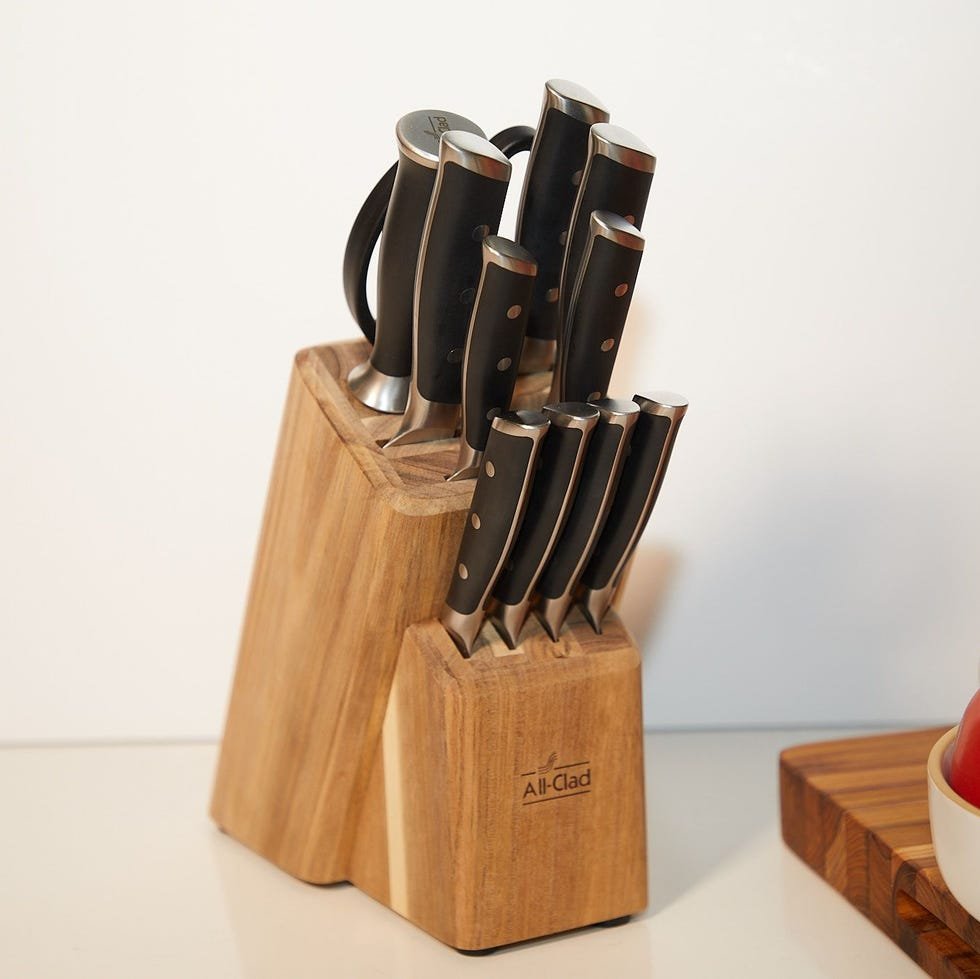
When it comes to preparing meals, the right kitchen knives can make all the difference. You want knives that feel comfortable in your hand, cut smoothly, and last for years.
But with so many options out there, how do you find the best set of kitchen knives for your needs? This guide will help you discover the top choices that fit your cooking style and budget, so you can slice, dice, and chop like a pro every time.
Keep reading to find out which knives will transform your kitchen experience.

Credit: www.goodhousekeeping.com
Types Of Kitchen Knives
Kitchen knives come in many shapes and sizes. Each type has a special job in food preparation. Knowing their uses helps in choosing the best set for your kitchen. The right knives make cutting, slicing, and chopping easier and safer.
Chef’s Knife
The chef’s knife is the most versatile in the kitchen. It usually measures 8 to 10 inches long. Use it for chopping vegetables, slicing meat, and dicing herbs. Its broad blade helps in rocking motion while cutting. This knife is a must-have for daily cooking tasks.
Paring Knife
Paring knives are small and easy to handle. They measure about 3 to 4 inches. Perfect for peeling fruits and vegetables. Also good for intricate tasks like deveining shrimp or cutting small garnishes. Use it when you need precision and control.
Bread Knife
Bread knives have long, serrated blades. The serrations cut through crusty bread without crushing it. Also useful for slicing cakes and soft fruits with tough skins. Its length and teeth make clean slices every time. Essential for those who enjoy fresh bread daily.
Utility Knife
Utility knives fall between a chef’s knife and a paring knife. Usually 4 to 7 inches long. Great for cutting sandwiches, slicing meats, and chopping smaller vegetables. It is a handy tool for mid-sized tasks. Offers more control than a chef’s knife on small jobs.
Boning Knife
Boning knives have thin, flexible blades. Designed to remove bones from meat and fish easily. The sharp point helps in detailed work around joints and bones. Essential for anyone who prepares fresh meat or fish at home. Makes butchering quicker and neater.
Materials And Blades
Choosing the right kitchen knives means understanding blade materials and their qualities. These factors affect how knives cut, last, and maintain sharpness.
Different materials offer unique benefits and challenges. Knowing these helps pick knives that suit your cooking style and care routine.
Stainless Steel
Stainless steel knives resist rust and stains well. They require less maintenance and stay sharp longer than some other types.
These blades are tough and good for daily kitchen tasks. They are less prone to chipping but might need regular sharpening.
Carbon Steel
Carbon steel blades are very sharp and easy to sharpen. They hold their edge longer than stainless steel.
They can rust or stain if not dried and oiled after use. These knives need more care but deliver excellent performance.
Ceramic Blades
Ceramic knives are very hard and keep their edge for a long time. They do not rust or corrode.
They are lightweight and stay sharp without frequent sharpening. These blades can chip or break if dropped or twisted.
Blade Sharpness And Durability
- Sharpness affects how cleanly a knife cuts through food.
- Durability means how well a blade resists damage over time.
- Harder blades hold sharpness longer but may be brittle.
- Softer blades are less likely to chip but dull faster.
Balancing sharpness and durability ensures efficient and safe cutting. Choose knives with materials that fit your kitchen needs.
Handle Designs And Comfort
Choosing the right handle design is key to kitchen knife comfort. A good handle offers control and reduces hand fatigue. The material and shape affect grip and durability. Let’s explore popular handle types and their comfort features.
Wood Handles
Wood handles provide a classic look and warm feel. They offer a natural grip that can improve with use. Wood is lightweight and absorbs moisture, reducing slippage. Some wood handles need extra care to prevent cracking or warping.
Plastic Handles
Plastic handles are common and affordable. They resist water and stains well. Many plastic handles have textured surfaces for better grip. They are easy to clean but may feel less sturdy than other materials.
Composite Handles
Composite handles combine materials like resin and wood fibers. They are strong, durable, and moisture-resistant. These handles often mimic wood’s look with less maintenance. Composite handles can provide a balanced weight for better control.
Ergonomics And Grip
Ergonomic handles fit the natural shape of your hand. They reduce strain during long cutting tasks. Good grip design prevents slipping, even when hands are wet. Look for handles with curves or textured patterns for extra comfort.

Credit: www.amazon.com
Top Knife Sets For 2025
Choosing the right set of kitchen knives can transform your cooking experience. The best knife sets in 2025 offer a balance of sharpness, durability, and comfort. Whether you’re a professional chef or a home cook, having the right tools makes a noticeable difference.
Premium Sets
Premium knife sets deliver exceptional craftsmanship and materials. Brands like Wüsthof and Shun lead the pack with razor-sharp blades and ergonomic handles that feel natural in your hand.
These sets often include specialized knives such as boning and paring knives, giving you versatility for all tasks. Investing in a premium set means your knives stay sharp longer and require less maintenance.
Have you noticed how a sharp knife can reduce prep time and improve safety? That’s the power of quality blades.
Mid-range Options
Mid-range knife sets offer great value without compromising too much on quality. Companies like Victorinox and Zwilling provide durable knives that suit most everyday cooking needs.
These sets typically include essential knives like chef’s, bread, and utility knives—perfect for those looking to upgrade from basic or budget knives. They strike a good balance between performance and price.
If you’re not ready to splurge but want reliable knives, these options deserve your attention.
Budget-friendly Choices
Budget-friendly knife sets can still deliver decent performance for casual cooks. Brands like Cuisinart and Mercer offer affordable options that are perfect for beginners or occasional use.
While these knives may require more frequent sharpening, they get the job done in most kitchens. Look for sets with stainless steel blades and comfortable handles to maximize value.
Could a simple upgrade from your old, dull knives improve your cooking routine without breaking the bank? Often, yes.
Maintenance And Care Tips
Maintaining your kitchen knives properly extends their life and keeps them sharp and safe. Simple care routines can make a big difference in how your knives perform every day. Let’s dive into some essential tips that will help you get the most out of your investment.
Sharpening Techniques
Keeping your knives sharp is key to effective cutting and safety. Use a whetstone or a quality sharpening system to restore the edge instead of relying on electric sharpeners, which can remove too much metal.
Try to sharpen at the correct angle, usually between 15 to 20 degrees, depending on your knife. Test the sharpness by slicing through paper or a tomato; if it cuts cleanly without effort, you’re doing it right.
Cleaning And Storage
Always hand wash your knives with warm, soapy water and dry them immediately. Dishwashers can dull blades and damage handles over time.
Store knives in a knife block, magnetic strip, or blade guards to prevent edges from dulling or chipping. Avoid tossing them loose in drawers where they can knock against other utensils.
Avoiding Common Mistakes
Don’t use your knives on hard surfaces like glass or granite cutting boards; wood or plastic boards are gentler on the blade. Avoid using knives for tasks they aren’t designed for, such as opening cans or prying lids.
Resist the urge to skip regular sharpening because dull knives require more force and increase the risk of accidents. How often do you check your knives’ condition before cooking? Taking a minute to inspect can save you from frustrating or dangerous moments.
Choosing The Right Set For You
Choosing the right set of kitchen knives is more than just picking the sharpest blade or the flashiest design. It’s about finding tools that fit how you cook, your budget, and the kind of meals you prepare regularly. The right set can make chopping, slicing, and dicing easier and more enjoyable.
Assessing Your Cooking Style
Think about the dishes you cook most often. Do you prepare a lot of vegetables, or do you work with meats and fish? If you chop herbs and veggies daily, you might prioritize a sharp chef’s knife and a paring knife.
On the other hand, if you often carve roasts or fillet fish, a slicing knife or boning knife becomes essential. What tasks do you find frustrating in the kitchen? Knowing this helps you pick knives that solve real problems.
Budget Considerations
Your budget shapes your options significantly. High-end knives offer durability and precision but can be costly. However, mid-range sets often provide excellent performance for everyday use without breaking the bank.
Remember, investing in a few quality knives is better than buying a large set of poor-quality ones. Would you rather have three reliable knives or a dozen that dull quickly? This question helps focus your spending.
Set Size And Components
Knife sets vary from a few essential pieces to comprehensive collections with specialized blades. A basic set usually includes a chef’s knife, a paring knife, and a serrated bread knife.
Think about which knives you will actually use. Extra knives can clutter your drawer and confuse you when cooking. It’s better to start with a few versatile knives and add more as you discover your needs.

Credit: www.t-fal.com
Frequently Asked Questions
What Makes A Knife Set The Best?
A great knife set includes versatile, durable, and sharp knives for various tasks. Look for high-quality materials like stainless steel, ergonomic handles, and a balanced design. A reliable set should cover essential types, such as chef’s, paring, and serrated knives, ensuring efficiency in food preparation.
How To Choose Kitchen Knife Materials?
Choosing knife materials is crucial for durability and performance. Stainless steel is popular for its rust resistance and sharpness. High-carbon steel offers excellent edge retention but requires more maintenance. Ceramic knives are lightweight and sharp but delicate. Consider your cooking needs and maintenance preferences when selecting materials.
Are Expensive Knife Sets Worth It?
Expensive knife sets often offer superior quality and longevity. They usually have better craftsmanship, balance, and ergonomic designs. While costly, they can be a worthwhile investment for avid cooks seeking precision and reliability. However, affordable sets can meet basic needs, making the decision depend on usage and budget.
How Often Should Knives Be Sharpened?
Knives should be sharpened regularly for optimal performance. Frequency depends on usage; frequent users may need sharpening every few months. A honing rod can maintain the edge between sharpening sessions. Proper maintenance ensures safety and efficiency in food preparation, extending the lifespan of your knives.
Conclusion
Choosing the best set of kitchen knives makes cooking easier and more fun. Sharp, durable knives save time and effort. Think about your needs and budget before buying. A good knife set fits your cooking style well. Take care of your knives to keep them sharp longer.
With the right tools, meal prep becomes smooth and quick. Enjoy the process and create delicious dishes every day.
