
Corner cabinets are the black holes of kitchen storage. A solid corner cabinet organizer checklist turns that wasted space into usable real estate without a full remodel.
Standard base corner cabinets run 24 to 42 inches wide and 24 inches deep, yet most of that volume sits empty or cluttered. Here’s how to fix it.
corner cabinet organizer checklist
Measure cabinet depth, width, and height first. Note door swing and hinge clearance. Choose a type that matches your access pattern.
Confirm weight limits before buying. Check material durability for daily use.
Why Corner Cabinet Organizers Are a Game-Changer for Wasted Space
They unlock the dead zone where cabinets meet at 90 degrees. Without them, you’re losing up to 30 percent of your lower cabinet space to items you can’t reach or see.
Lazy Susans spin to bring everything to your fingertips. Pull-out shelves slide forward so nothing hides in the back. Tiered racks double vertical storage without stacking.
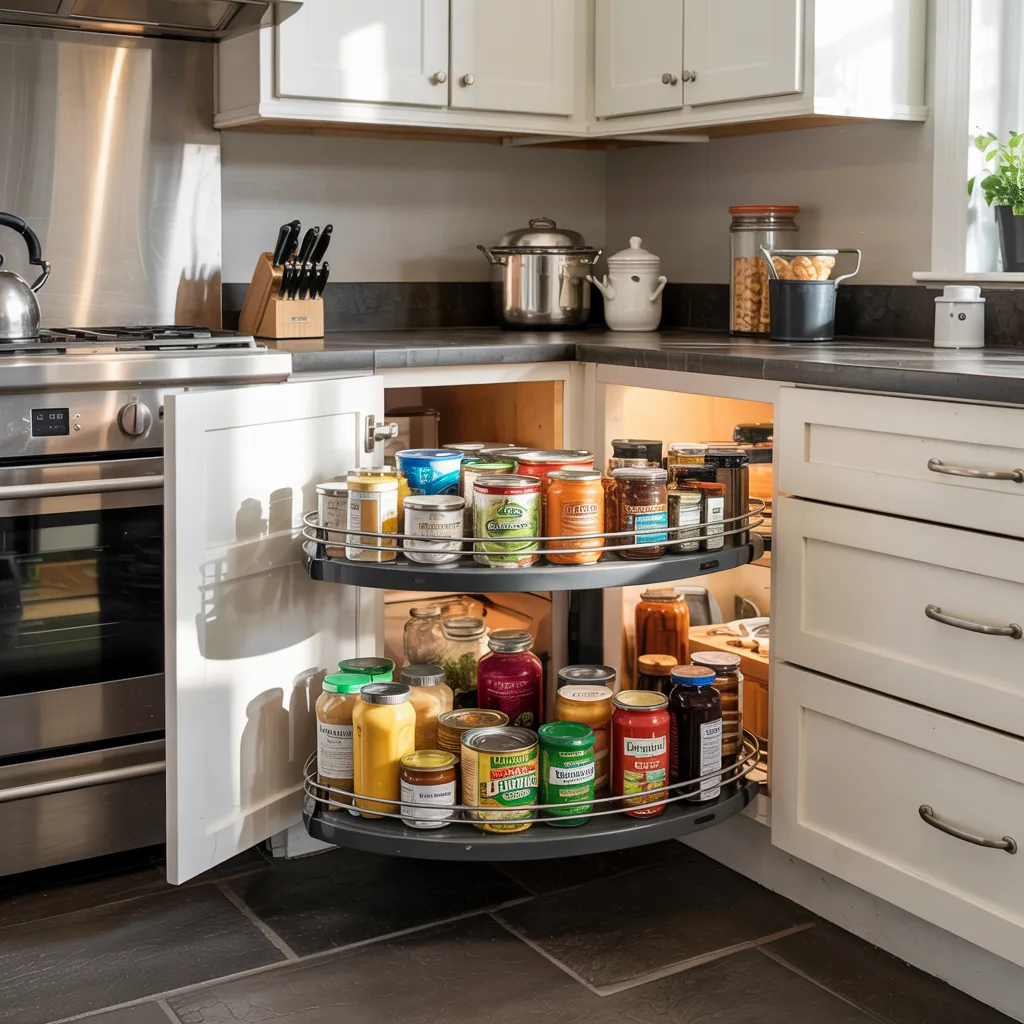
Image source: Web (Bing) / storage.googleapis.com (Web image (fair-use with source credit))
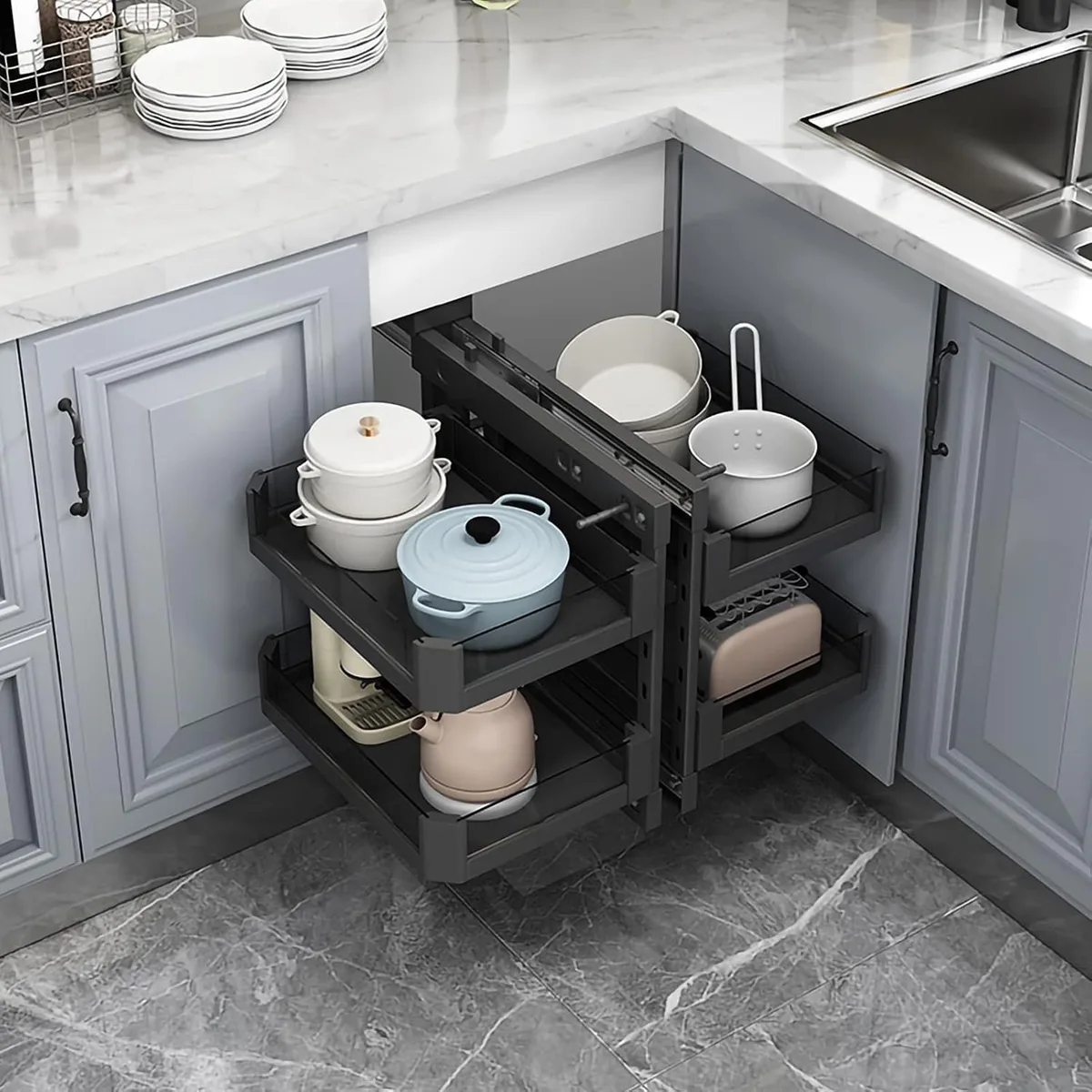
Image source: Web (Bing) / amazon.ca (Web image (fair-use with source credit))
The 5 Types of Corner Cabinet Organizers (and Which One Fits Your Kitchen)
Lazy Susan (turntable):
Best for shallow cabinets or upper shelves. Spin to access items without reaching. Plastic or wood options handle 5 to 15 lbs.
Pull-out shelves:
Ideal for deep base cabinets. Full-extension slides bring everything forward. Metal tracks support 20 to 50 lbs.
Tiered shelves:
Fixed or adjustable levels for cans, spices, or small jars. Stack vertically to use height. Often made of wire or solid wood.
Swing-out organizers:
Hinged racks that pivot out when you open the door. Perfect for blind corners. Requires precise mounting to avoid interference.
Stackable bins:
Modular and removable for flexible storage. Lightweight plastic or fabric. Best for dry goods or lightweight items.
If your cabinet is deep but narrow, pull-out shelves work best. For upper corners, a Lazy Susan keeps things visible.
How to Measure Your Cabinet Like a Pro (Avoid This Costly Mistake)
Grab a tape measure and notepad. Measure width at the front and back, as corners can taper. Depth is from the door to the back wall.
Check the door swing radius. Note any obstructions like pipes or hinges. Write down the clearance when the door is fully open.
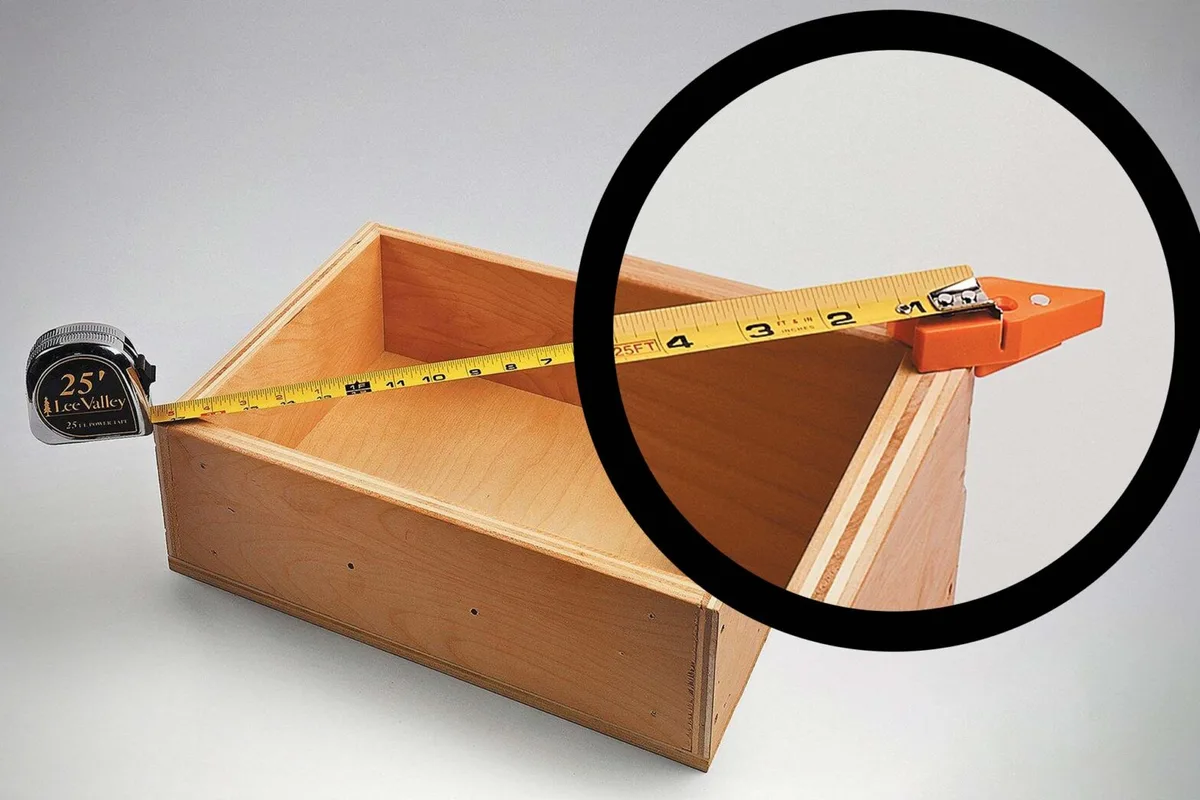
Image source: Bing (Web (fair-use with source credit))
Standard base corners are 24 to 42 inches wide and 24 inches deep. Upper corners are often 12 to 36 inches wide and 12 to 24 inches deep. Always measure twice to avoid ordering the wrong size.
If your cabinet is less than 18 inches wide, a Lazy Susan may not fit. For cabinets deeper than 24 inches, pull-out shelves prevent items from disappearing in the back.
Step-by-Step: Picking the Right Organizer for Your Needs
Start with your cabinet type. Blind corners need swing-out or diagonal solutions. Standard corners can use most organizer types.
Next, consider what you’re storing. Heavy pots require sturdy pull-out shelves. Lightweight spices work on a Lazy Susan.
Think about access. If you have limited mobility, pull-out or swing-out options reduce bending. For frequent use, choose full-extension slides.
Check your budget. Plastic organizers start around $10. Heavy-duty metal systems can exceed $200.
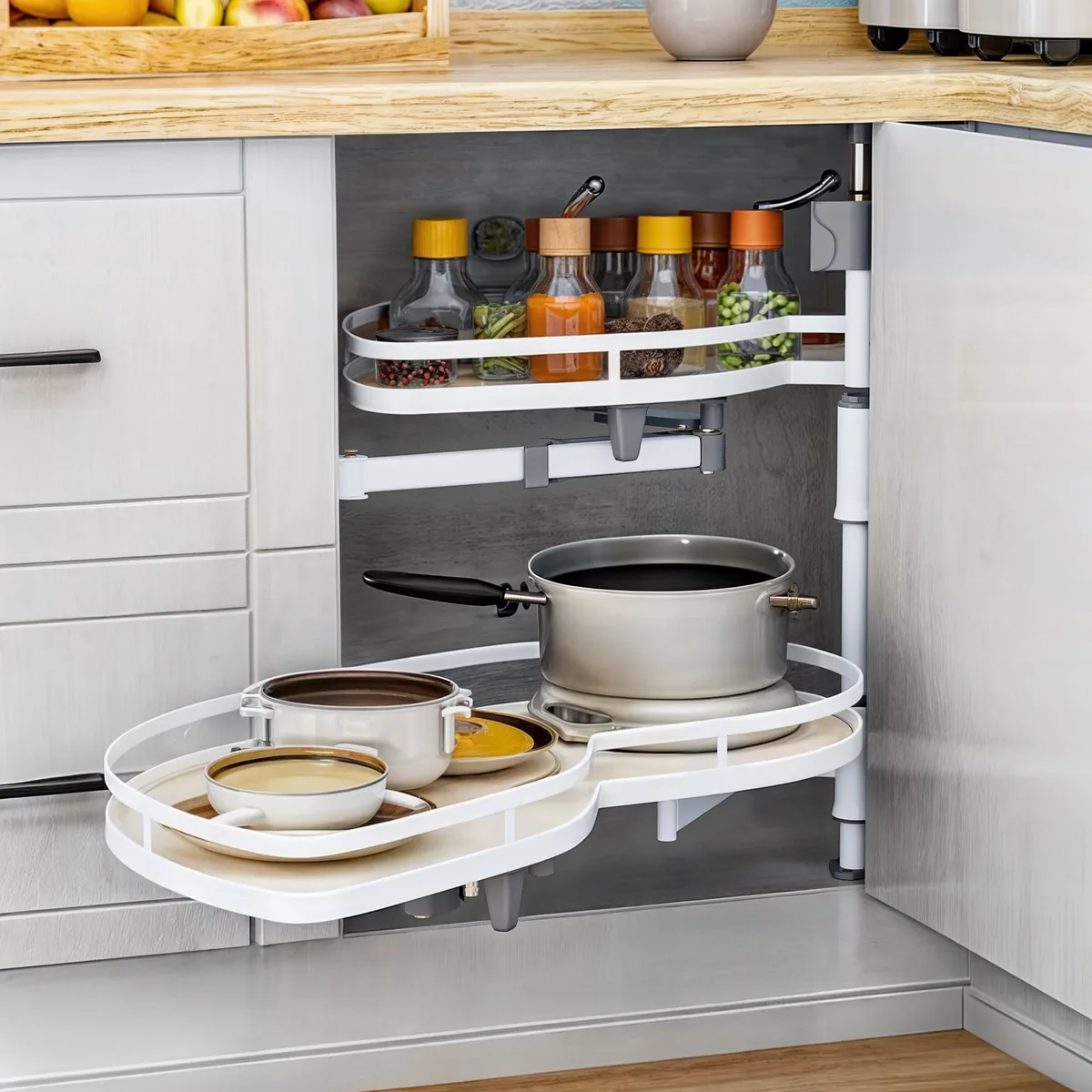
Image source: Web (Bing) / walmart.com (Web image (fair-use with source credit))
If you cook often, prioritize durability. For renters, adhesive or tension rod options avoid damage. Always confirm weight limits match your storage needs.
Common Pitfalls (and How to Sidestep Them)
Buying without measuring leads to ill-fitting organizers. Always check dimensions against your cabinet’s actual space.
Ignoring weight limits causes sagging or breakage. Metal tracks handle more weight than plastic. Distribute heavy items evenly.
Overlooking door clearance results in blocked access. Test the organizer’s range of motion before finalizing installation.
Choosing style over function leaves you with unused space. Prioritize accessibility and capacity over looks.
Skipping installation instructions risks instability. Follow manufacturer guidelines for screws, anchors, or adhesives. For more kitchen efficiency tips, explore routine upkeep.
Costs, Materials, and What’s Worth the Investment
Plastic organizers are the most budget-friendly, typically $10 to $30. They’re lightweight and easy to install but may sag under heavy loads.
Wood and bamboo options run $30 to $80. They offer a natural look and better durability for mid-weight items. Metal systems start around $80 and go up to $200 or more for heavy-duty tracks.
Weight capacity matters. Plastic handles 5 to 10 lbs, wood supports 10 to 20 lbs, and metal can take 20 to 50 lbs. Match the material to what you’re storing.
Adhesive mounts are cheap and renter-friendly. Screw-in versions cost more but last longer. Custom solutions for odd-sized cabinets can exceed $200.
Mistakes to Avoid (and How to Sidestep Them)
Skipping the weight limit check leads to broken organizers. Always verify the spec sheet before loading up.
Ignoring door clearance causes jams. Test the full range of motion with the door open and closed.
Choosing looks over function wastes money. Prioritize accessibility and capacity first.
Overpacking creates clutter. Leave 10 to 20 percent empty space for easy access.
Forgetting to measure the back of the cabinet can be costly. Corners often taper, so width at the front may differ from the back.
Frequently Asked Questions
What’s the best organizer for a deep corner cabinet?
Pull-out shelves work best for deep cabinets. They bring items to the front for easy access. Metal tracks support heavier loads.
How do I measure for a Lazy Susan?
Measure the cabinet’s width and depth. Subtract 1 inch from each for clearance. Choose a diameter that fits the smaller dimension.
Can I install a corner organizer in a rented apartment?
Yes, use adhesive or tension rod organizers. They don’t require drilling or permanent changes. Always check your lease agreement first.
How much weight can a plastic organizer hold?
Most plastic organizers support 5 to 10 lbs. Distribute weight evenly to avoid sagging. For heavier items, choose wood or metal.
Are swing-out organizers hard to install?
They require precise mounting to avoid interference with the door. Follow the manufacturer’s instructions carefully. If unsure, hire a professional.
What’s the average cost of a corner cabinet organizer?
Plastic options start at $10. Wood and bamboo range from $30 to $80. Heavy-duty metal systems can cost $80 to $200 or more.
