
Are you ready to elevate your baking game? Understanding the right tools for the job can make all the difference in your culinary creations.
You might have wondered about the difference between a baking pan and a baking dish. While they might seem interchangeable, choosing the correct one can impact your recipe’s success. Imagine serving a perfectly baked cake or a delicious casserole, knowing you’ve nailed it by using the ideal baking tool.
This post will unravel the mystery behind these essential kitchen items, ensuring your next baking adventure is a triumph. Keep reading to discover how mastering this simple yet crucial distinction can transform your results from good to amazing.
Material Differences
The choice between baking pans and baking dishes often comes down to the material. The material affects the cooking process and outcome. Understanding these differences helps improve your baking skills. Let’s explore the material differences between these kitchen essentials.
Metal Vs. Glass
Metal pans are usually made of aluminum or stainless steel. They are sturdy and durable. Metal heats quickly and evenly. This makes it ideal for cakes and cookies. Glass dishes, on the other hand, are made from tempered glass. They are transparent and allow you to see the food. Glass heats slowly but retains heat longer. This is perfect for casseroles and lasagnas.
Heat Conductivity
Heat conductivity plays a vital role in baking. Metal pans conduct heat faster than glass. They offer quick cooking with crispy edges. Ideal for recipes needing precise heat control. Glass dishes distribute heat more evenly. They provide slow, gentle cooking. This helps in maintaining moisture in baked dishes. Perfect for foods requiring even cooking. Choose wisely based on your dish.
Shape And Size Variations
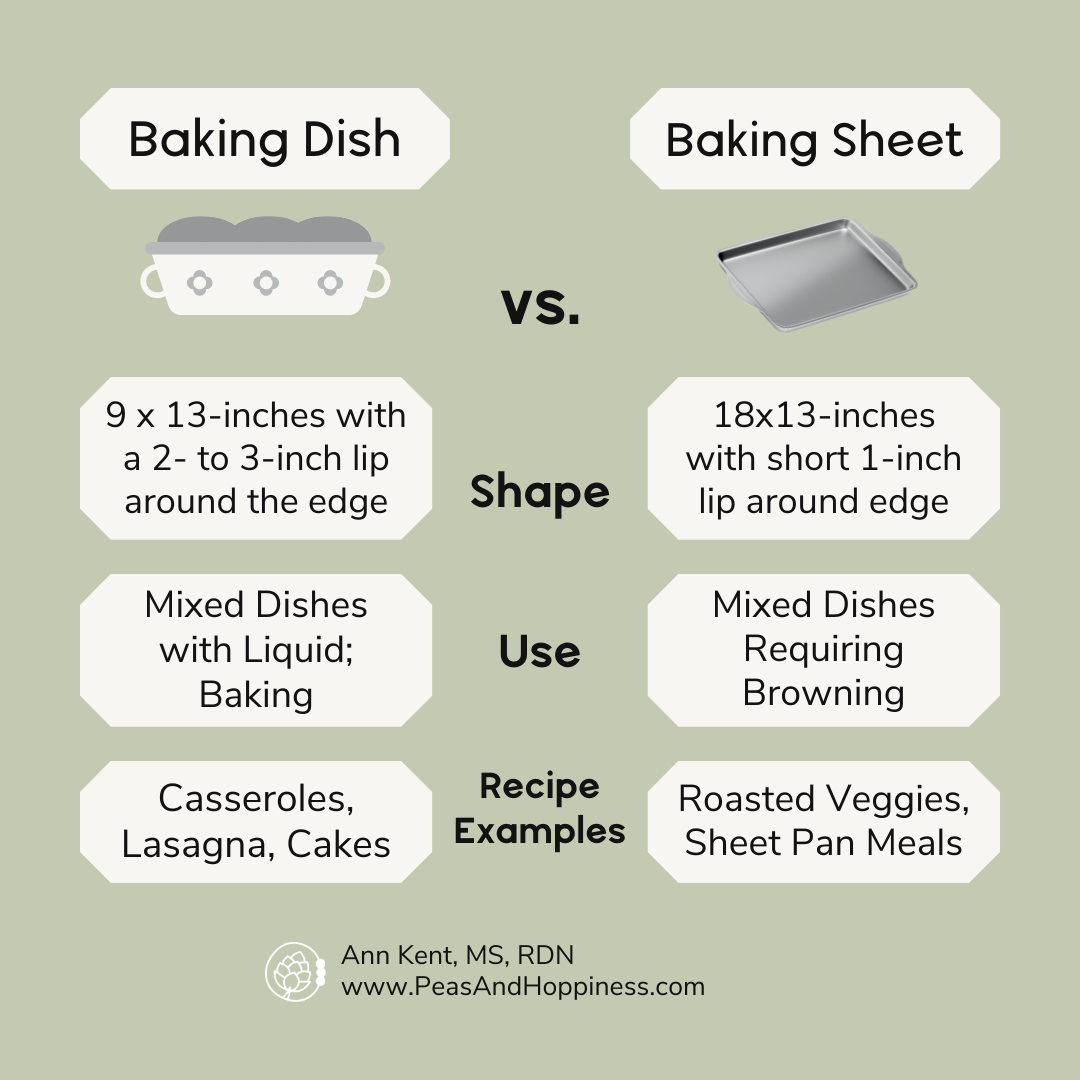
Baking pans and baking dishes differ in shape and size, affecting cooking results. Baking pans, typically rectangular, suit cakes and cookies. Baking dishes, often square or oval, are ideal for casseroles and roasts. Each option helps achieve desired textures and flavors.
When you’re ready to bake your favorite cake or casserole, the choice between a baking pan and a baking dish can impact your results. One key difference lies in their shape and size variations. These differences can influence cooking times and how your dish turns out. Understanding these variations can help you choose the right tool for your recipe, ensuring your culinary creations are as delicious as you intend them to be.Common Shapes
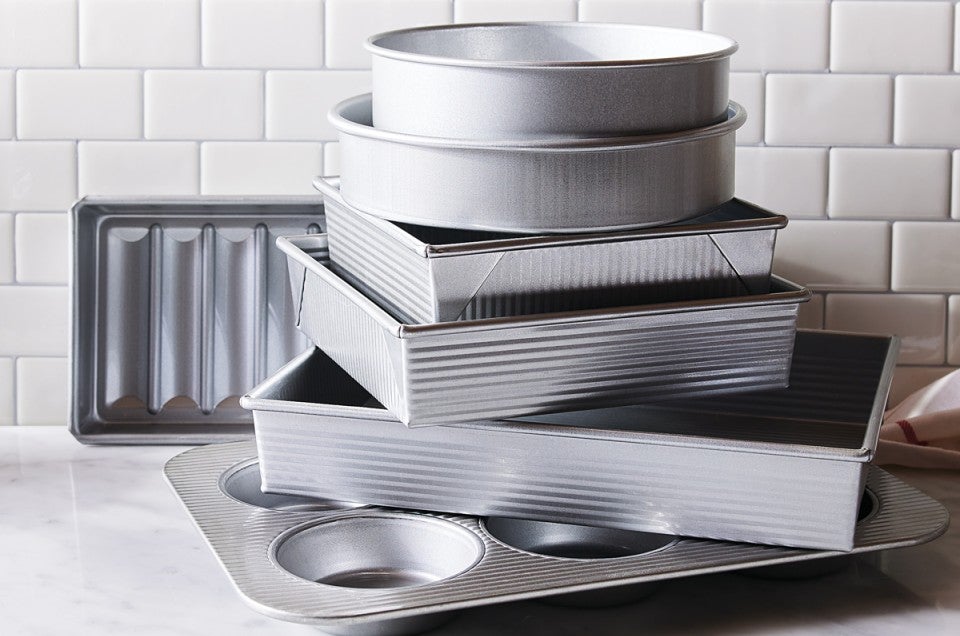
Baking pans typically come in rectangular and square shapes. They’re often used for baking items like brownies or sheet cakes. Their straight sides allow for even cooking and make it easy to cut uniform pieces. Baking dishes, on the other hand, are frequently round or oval. Think of a classic lasagna or a hearty casserole. The rounded edges can offer a more even heat distribution, which is ideal for slow-cooked meals. Have you ever noticed how your grandma’s apple pie always seems perfectly baked? It might be thanks to the shape of her trusty baking dish.Standard Sizes
Baking pans usually have standard sizes like 9×13 inches or 8×8 inches. These measurements are easy to remember and often appear in recipes. They’re designed to fit perfectly in most ovens and provide consistent results. Baking dishes often come in quart measurements—like 2-quart or 3-quart sizes. This can be a bit confusing if you’re used to inches. But once you get the hang of it, these sizes can help you scale your recipes up or down effortlessly. Have you ever considered how a slightly larger dish could accommodate a surprise dinner guest? It’s these little adjustments that make cooking both an art and a science. Understanding these shape and size variations can help you make informed choices in your kitchen. So next time you reach for a baking pan or dish, consider how its shape and size can enhance your cooking experience. What will you bake next?Usage In Cooking
Understanding the usage of baking pans and baking dishes is vital. Each has its role in cooking. Knowing which to use can impact your recipe’s success. Their differences influence cooking methods and outcomes. Let’s explore their specific uses.
Types Of Recipes
Baking pans are ideal for cakes and cookies. Their metal structure ensures even heat. This is crucial for baked goods’ textures. Baking dishes suit casseroles and baked pasta. The thicker material retains heat longer. It keeps dishes warm for serving.
Cooking Techniques
Baking pans excel in high-heat cooking. They distribute heat quickly. Perfect for achieving a crisp crust. Baking dishes are better for slow cooking. The ceramic or glass material is perfect for gentle heat. This method is great for tender meats and veggies.
Credit: www.kingarthurbaking.com
Temperature And Baking Times
Cooking enthusiasts often face the dilemma of choosing between a baking pan and a baking dish, especially when it comes to temperature and baking times. This decision can significantly influence the outcome of your culinary creations. Understanding the nuances between these two kitchen staples can help you make better choices for your recipes.
Heat Distribution
Baking pans, usually made from metal, tend to heat up quickly. This means your food starts cooking almost immediately, which can be great for achieving crispy edges. On the other hand, baking dishes, often ceramic or glass, distribute heat more evenly and slowly. This can be beneficial for recipes that require consistent cooking throughout, such as casseroles.
Imagine baking a lasagna in a metal pan. The edges might be perfectly crispy, but the center could remain undercooked. Using a glass dish might solve this problem by ensuring even heat distribution, giving you a thoroughly cooked lasagna. Have you ever experienced unevenly baked goods? Perhaps switching your baking vessel could be the solution.
Impact On Cooking Duration
The material of your baking vessel can also affect cooking times. Metal pans may reduce cooking time due to their rapid heat conductivity. This can be a lifesaver when you’re in a rush. Conversely, glass or ceramic dishes could require a few extra minutes, but they offer more predictability in how your dish cooks.
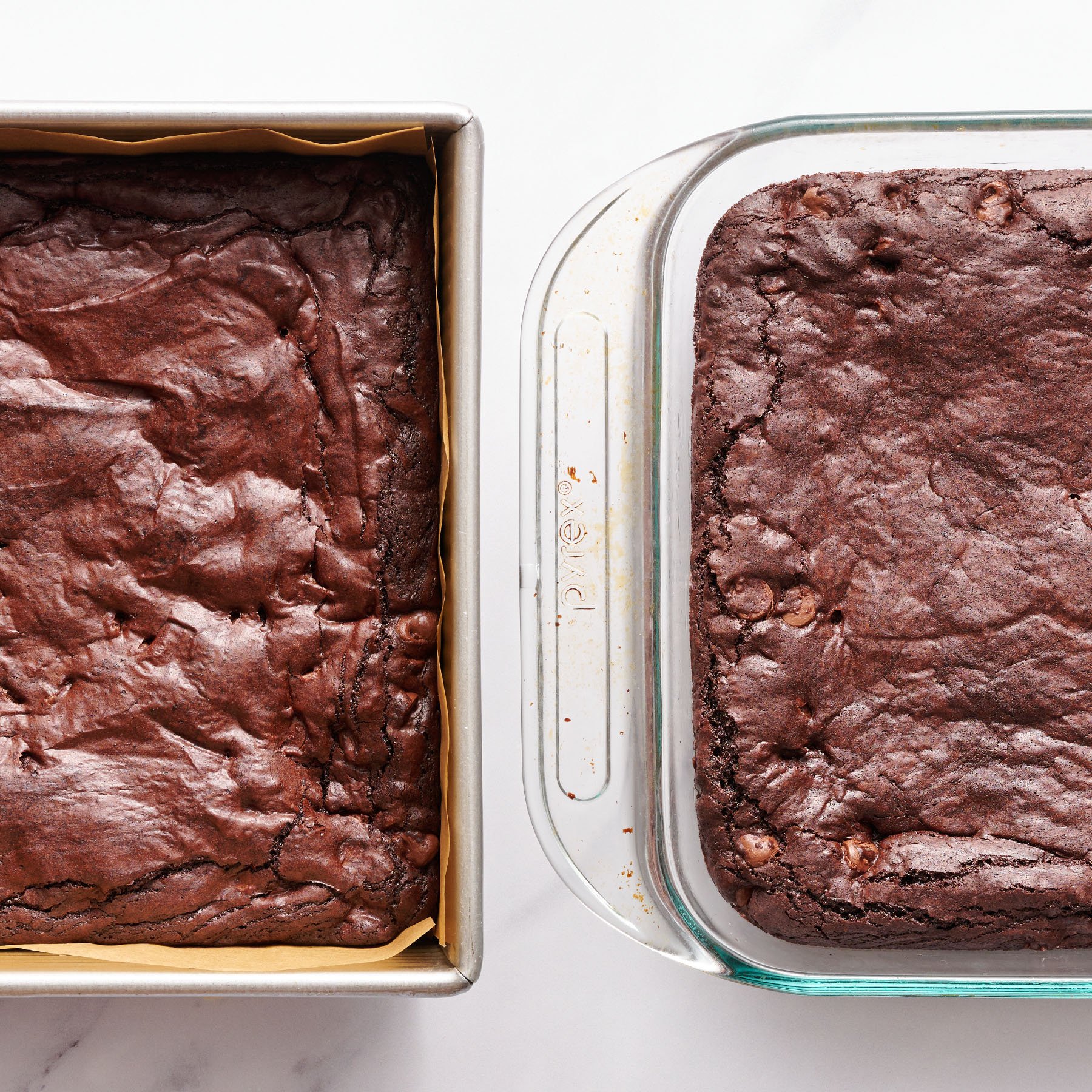
Consider baking brownies for a party. Using a metal pan might help you achieve the perfect gooey center with a crisp exterior faster. However, if you’re planning a slow-cooked casserole, a ceramic dish might offer the slow, steady heat you need for optimal results. Have you ever found yourself adjusting baking times? Knowing the properties of your pan can guide you to perfection.
Choosing between a baking pan and a dish doesn’t have to be confusing. With a little understanding of how heat distribution and cooking duration differ, you can make informed choices that will elevate your cooking. So next time you’re preparing a dish, consider how your choice of pan or dish could impact the final result. What will you choose for your next baking adventure?
Care And Maintenance
Understanding the care and maintenance of your baking tools is essential. Proper care extends their lifespan and ensures optimal performance. Baking pans and dishes require specific attention due to their material differences.
Cleaning Tips
Start by allowing the baking pan or dish to cool. Avoid rapid temperature changes to prevent warping or cracking. Use warm, soapy water for cleaning. A soft sponge works best to avoid scratches on nonstick surfaces. For stubborn stains, mix baking soda and water into a paste. Apply gently with a soft cloth. Avoid using abrasive cleaners, which can damage surfaces.
Storage Suggestions
Store baking pans and dishes in a dry place. Stacking pans can save space but use liners to prevent scratches. Glass baking dishes should be stored separately. This prevents chips and cracks. Consider using shelves or racks for easy access. Ensure the storage area is free from moisture and dust. Moisture can lead to rust, affecting the quality of metal pans. Regularly inspect storage areas for pests or dampness.
Pros And Cons
Choosing the right cookware can make a difference in baking. Baking pans and dishes serve different purposes. Each comes with its own advantages and disadvantages. Understanding these can help you make better baking decisions. Let’s explore the pros and cons of each.
Advantages Of Baking Pans
Baking pans offer even heat distribution. This ensures your baked goods cook evenly. They are usually lightweight. This makes them easy to handle. Metal pans conduct heat well. They are perfect for cookies and cakes. Baking pans come in many shapes and sizes. You can find one for every recipe. Cleaning metal pans is often simple. A quick wash and they’re ready again.
Drawbacks Of Baking Dishes
Baking dishes often retain heat longer. This can overcook food if left unattended. They are usually heavier than pans. This can make them harder to handle. Some dishes have nonstick coatings. These can wear out over time. Glass dishes can break if dropped. This makes them less durable. Scratching can occur on some surfaces. This might affect the dish’s appearance.
Choosing The Right Tool
Choosing between a baking pan and a baking dish can be confusing. Both tools have their unique features and uses. Selecting the right one depends on your baking needs and preferences.
Understanding their differences helps improve your baking results. Consider factors like material, shape, and heat distribution. This knowledge ensures your baked goods turn out perfectly.
Factors To Consider
Material plays a crucial role in baking. Baking pans are often metal, which heats quickly. Baking dishes are usually ceramic or glass, holding heat longer. This difference affects cooking time and texture.
Shape is another key factor. Baking pans are typically rectangular or square. They are perfect for cakes and brownies. Baking dishes come in various shapes, ideal for casseroles and lasagnas.
Heat distribution varies between the two. Metal pans distribute heat evenly, preventing hot spots. Glass dishes offer even heating, but take longer to warm. Choose based on your recipe’s requirements.
Personal Preferences
Personal preferences influence your choice. Some prefer the quick heating of metal pans. Others enjoy the consistent heat of ceramic or glass dishes.
Consider ease of cleaning. Non-stick pans are easy to clean, while glass dishes might need more effort. Think about storage and handling too. Metal pans are lightweight and easy to store. Glass dishes are heavier and need careful handling.
Your choice may also depend on aesthetics. Glass dishes look elegant on a dining table. Metal pans are more practical for everyday baking. Choose what suits your style and needs best.
Credit: peasandhoppiness.com
Credit: handletheheat.com
Frequently Asked Questions
What Is A Baking Pan?
A baking pan is typically made of metal, like aluminum or stainless steel. It is used for baking items like cookies, cakes, and pastries. Its metal construction allows for even heat distribution, ensuring consistent baking results.
What Is A Baking Dish?
A baking dish is usually made of glass, ceramic, or stoneware. It is ideal for baking casseroles, lasagnas, and similar dishes. The material retains heat well, keeping food warm longer after removal from the oven.
Can I Use A Baking Pan Instead Of A Dish?
Yes, but it depends on the recipe. Baking pans are better for items needing quick, even cooking. Baking dishes are suitable for recipes requiring longer cooking and moisture retention, like casseroles.
Are Baking Dishes And Pans Interchangeable?
Not always, as they serve different purposes. Baking pans are better for quick-baking recipes. Baking dishes excel in recipes requiring slow, even cooking, like casseroles or gratins.
Conclusion
Choosing the right bakeware makes a difference in cooking. Baking pans suit cookies, cakes, and brownies. Flat and spacious. Baking dishes work well for casseroles, gratins, and baked pasta. Deep and versatile. Material matters, too. Metal heats faster, ideal for crispy edges.
Glass holds heat longer, perfect for even cooking. Consider the dish size, shape, and material. This ensures best results for your recipes. Knowing these differences helps you choose wisely. Enjoy baking with the right tools. Your dishes will taste better and cook evenly.
Happy baking!
