
If you're hunting for the filter on frigidaire dishwasher and coming up empty, you're not alone. Frigidaire builds several different filtration setups, and not every model exposes a removable screen in the bottom of the tub. Some units rely on a built-in food disposer instead, which changes the whole maintenance routine.
Manufacturer specifications indicate fine-filter models need cleaning every 30 to 60 days for best wash performance. As of 2026, Frigidaire still sells both disposer-equipped and manual-filter lines side by side. Before you scrub anything, you need to know which path your machine follows.
That identification step saves you from wasted effort and accidental damage.
Quick Answer
The filter on frigidaire dishwasher sits at the tub bottom on manual-filter models. Disposer models may have no user-serviceable filter. Check your model number first.
Pull the lower rack out to see what you have. Clean fine filters monthly under running water.
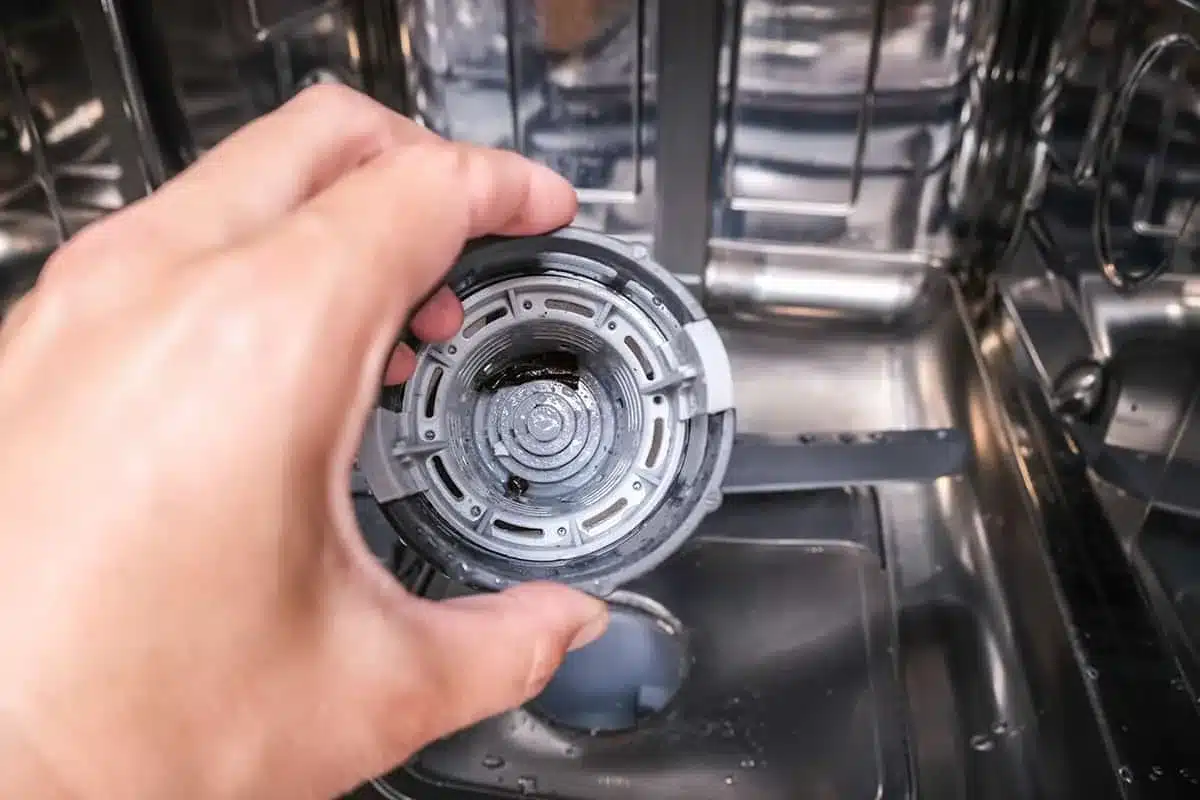
Image source: Bing (Web (fair-use with source credit))
Why Your Frigidaire Dishwasher Filter Looks Different Than Expected
YouTube tutorials and neighbor advice often assume every dishwasher has the same twist-off filter cup. Frigidaire doesn't work that way. Our research across current owner manuals shows at least three distinct filtration paths across the brand lineup.
If you see a round mesh assembly under the spray arm, you have a manual fine filter. Twist it counterclockwise, lift it out, and rinse it under the tap. That's the setup most people picture when they search for dishwasher filter help.
If you see a cylindrical grinding chamber with no obvious mesh cup, you likely have a food disposer model. These units pulverize soft food scraps during the drain cycle. There's no filter to remove and soak.
Chasing a nonexistent screen wastes time and can lead to unnecessary part orders.
If your manual mentions Triple-Filter or UltraClean, expect a multi-part assembly. You may find a coarse screen, a fine mesh, and a micro-filter working together. Each piece comes out separately and rinses clean.
Aggregate user reviews report the biggest frustration is applying Bosch or GE steps to a Frigidaire tub. The layouts look similar at a glance. The parts underneath often aren't.
Match your model before you touch anything.
| What You See in the Tub | Likely Filter Type | User Action |
|---|---|---|
| Round mesh cup under spray arm | Manual fine filter | Remove, rinse, reinstall |
| Grinding cylinder, no mesh cup | Food disposer | Clean sump area only |
| Multiple stacked screens | Triple-Filter / UltraClean | Remove each layer separately |
A clogged filter path is one common reason dishes come out gritty even when detergent and water temperature look fine. Identifying your setup first keeps the rest of the job straightforward.
How Frigidaire Dishwasher Filtration Actually Works
Every Frigidaire dishwasher filters wash water before it recirculates onto your plates. The difference is where debris gets caught and who removes it. Understanding that split tells you exactly what to maintain.
Manual Fine Filter Assembly Models
Water drains from the tub into a sump area at the bottom. A removable fine filter assembly catches food particles before they reach the pump. Per Frigidaire's product documentation, this assembly typically includes a cylindrical fine mesh screen and a cover that locks with a quarter-turn.
The filter doesn't destroy food. It traps it. That's why rinsing under warm running water clears most buildup.
Heavy grease may need a soft brush. Never use wire brushes or abrasive pads on the mesh.
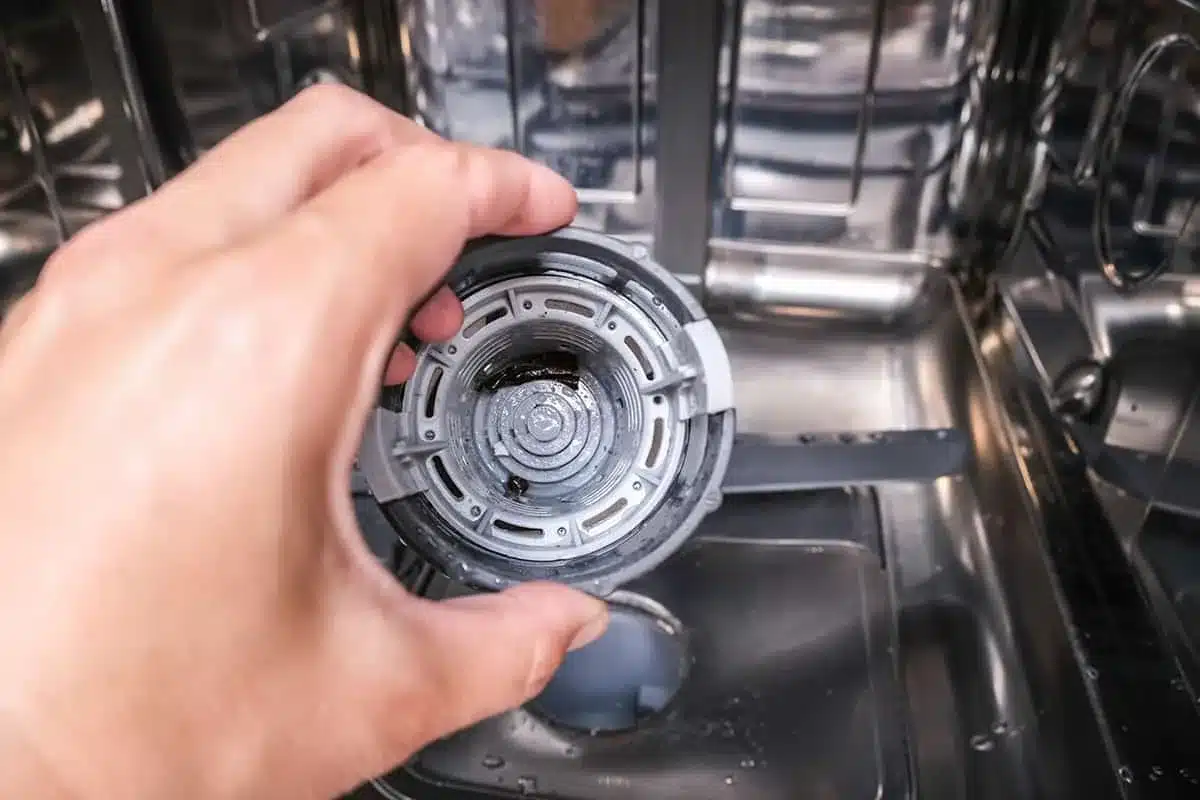
Image source: Bing (Web (fair-use with source credit))
Food Disposer Models (No User-Serviceable Filter)
Disposer-equipped Frigidaire dishwashers grind soft food scraps during the drain phase. The ground particles flush out with wastewater. No removable fine filter sits in the tub for routine cleaning.
That design cuts down on daily filter maintenance. It also means you can't swap in generic filter-cleaning steps from other brands. Hard items like bones, fruit pits, and corn husks can still jam the disposer or damage internal parts.
Triple-Filter and UltraClean Systems
Higher-end Frigidaire models stack multiple filtration stages. A coarse screen catches large debris first. A fine mesh handles smaller particles.
Some UltraClean setups add a micro-filter for finer sediment.
Each layer serves a purpose. Skipping one during reassembly lets grit bypass the system entirely. Manufacturer specs confirm all layers must seat correctly for the wash arm to draw clean water.
If spray performance drops, cleaning inside the spray arms often helps alongside filter work. Blocked arm holes mimic filter problems even when the mesh looks clean.
Find Your Model: Which Frigidaire Filter Setup Do You Have?
Don't guess based on how old the dishwasher looks. Two Frigidaire units installed the same year can use totally different filtration hardware. Run through this decision path before you grab a screwdriver.
Check the Model Number and Owner's Manual
Your model number lives on a rating plate along the tub edge or door frame. Open the door and scan the left or right interior wall. Write down the full string, including any suffix letters.
Enter that number on the Frigidaire support site or pull the PDF owner's manual. Search the manual for "filter," "fine filter," or "disposer." The maintenance section tells you exactly what your unit has and how often to service it.
If the manual shows a removable fine filter diagram, follow Path A in the cleaning section below. If it describes a food disposer with no user filter, follow Path B. If it lists Triple-Filter or UltraClean parts, follow Path C.
Visual Clues Inside the Bottom of the Tub
Pull the lower rack out completely. Look directly under the lower spray arm at the tub floor center.
See a round plastic rim with mesh inside? That's a manual fine filter cover. It usually turns counterclockwise to unlock.
See a smooth cylinder or grinding chamber with no mesh screen? That's likely a disposer model. You won't find a twist-off filter cup here.
See multiple nested rings or stacked screens? You're probably on a Triple-Filter or UltraClean system. Each ring comes out in sequence.
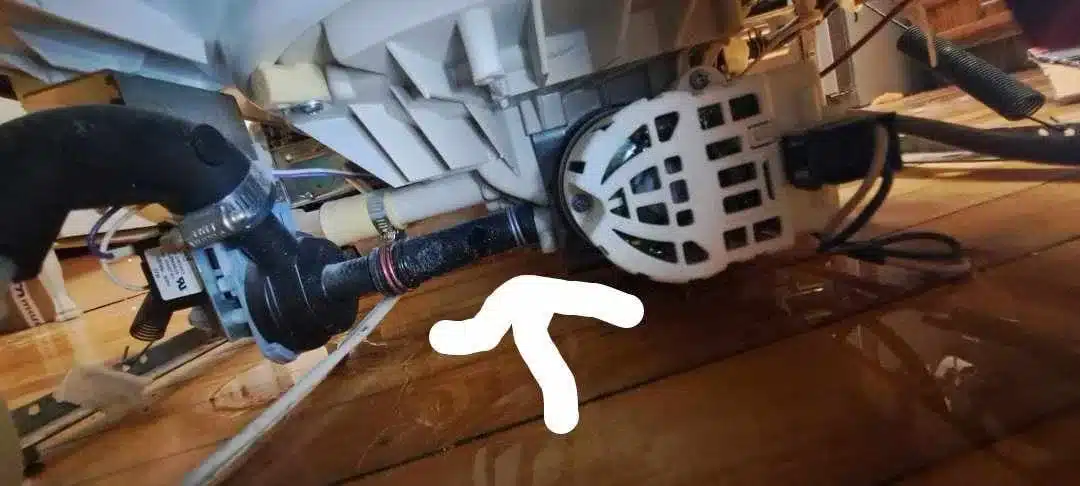
Image source: Web (Bing) / reddit.com (Web image (fair-use with source credit))
Still unsure? Compare your tub photo to the diagrams in your manual. Aggregate reviews indicate model-number lookup beats visual guessing every time.
The wrong assumption leads to stripped threads or broken filter tabs.
Other brands handle this differently too. If you've ever wondered whether an LG filter can be cleaned instead of replaced, the answer depends on that brand's mesh design. Frigidaire follows its own part numbers and assembly logic.
Clean Your Frigidaire Filter the Right Way (Step-by-Step by Setup)
Once you know your setup, the cleaning path splits three ways. Each path takes roughly 10 to 15 minutes. Gather a soft brush, warm water, and a towel before you start.
Path A: Remove, Rinse, and Reinstall the Fine Filter Assembly
- Turn off the dishwasher. Pull the lower rack out.
- Grasp the filter cover. Turn it counterclockwise about a quarter turn.
- Lift the assembly straight up. Separate the fine mesh from the cover if your model allows.
- Rinse both pieces under warm running water. Use a soft brush on stuck debris.
- Check the sump opening for trapped food. Wipe with a damp cloth.
- Reinstall the mesh first, then the cover. Turn clockwise until it clicks locked.
Run a quick rinse cycle with no dishes to confirm water drains properly. A loose cover lets debris bypass the filter entirely.
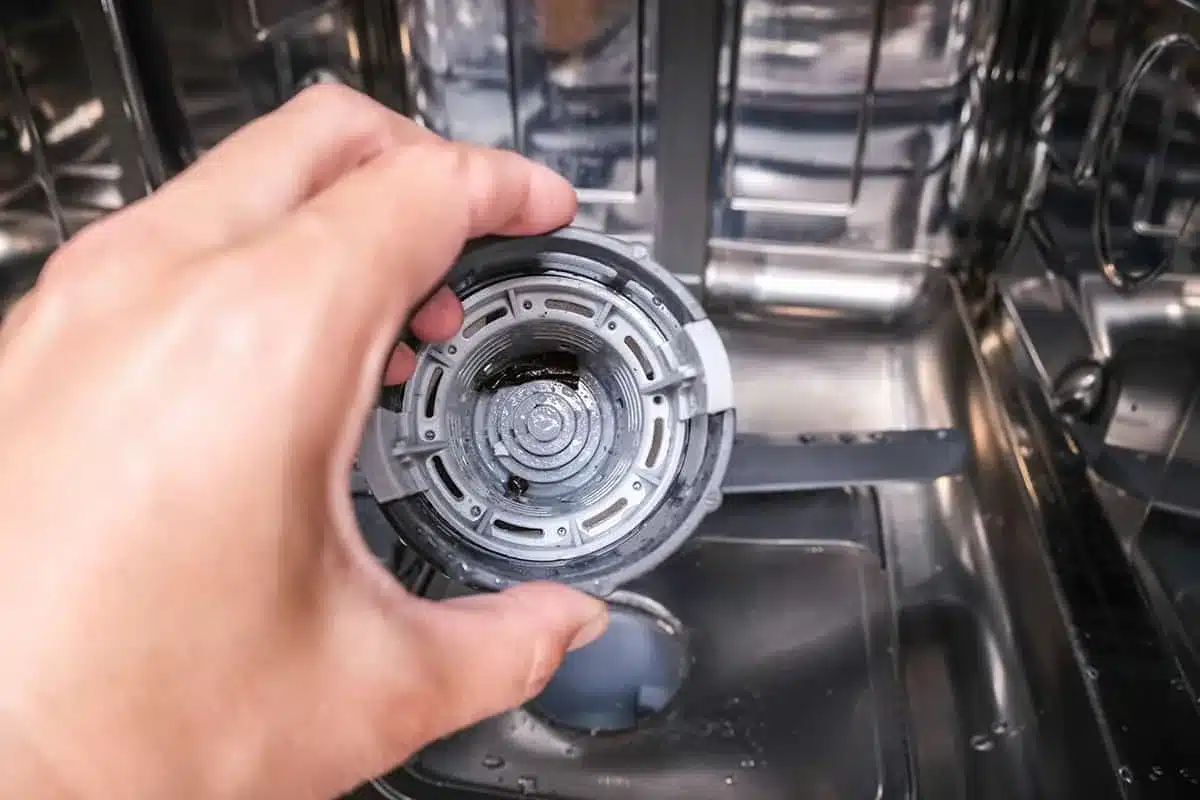
Image source: Web (Bing) / storage.googleapis.com (Web image (fair-use with source credit))
Path B: Clean the Sump Area on Disposer-Equipped Models
- Pull the lower rack out. Inspect the disposer chamber opening.
- Remove visible food chunks by hand. Wear gloves if you prefer.
- Wipe the chamber walls with a damp cloth. Don't poke tools into the grinder.
- Check the drain area for glass or hard debris. Remove anything you can reach safely.
- Run a hot empty cycle to flush remaining particles.
Skip vinegar soaks in the disposer chamber unless your manual specifically recommends them. Harsh chemicals can corrode internal components over time. For general tub freshening, a separate vinegar and baking soda cycle works on the interior surfaces without targeting the grinder directly.
Path C: Triple-Filter / UltraClean Maintenance Steps
- Remove the lower rack. Unlock and lift each filter layer in order.
- Rinse the coarse screen first under running water.
- Rinse the fine mesh next. Brush gently if grease remains.
- Clean the micro-filter last if your model includes one.
- Inspect each gasket or seal ring for cracks.
- Reinstall in reverse order. Confirm each layer sits flush before adding the next.
| Setup Type | Cleaning Frequency | Typical Time |
|---|---|---|
| Manual fine filter | Every 30 to 60 days | 10 to 15 minutes |
| Food disposer sump | Every 60 to 90 days | 10 minutes |
| Triple-Filter / UltraClean | Every 30 days | 15 to 20 minutes |
Bosch owners follow a similar rinse-and-reinstall rhythm, though the lock mechanism differs. Our Bosch filter walkthrough covers that twist-lock design if you're comparing brands in the same household.
Mistakes That Leave Dishes Dirty or Damage the Filter Assembly
Even a clean-looking filter fails when it's handled wrong. These errors show up constantly in verified buyer feedback and service bulletins.
Forcing a filter that won't turn. If the cover resists, stop. You may be on a disposer model with no removable filter. Forcing it cracks plastic tabs or strips the locking threads.
Reinstalling without checking the sump. Food trapped below the filter bypasses the mesh on the next cycle. Always peek into the opening before you lock the cover back down.
Using the dishwasher as a garbage disposal. Frigidaire disposer models handle soft scraps only. Bones, seeds, and fruit pits jam the grinder and send debris into the pump.
Skipping the lock click. A half-turned cover looks fine but lifts during wash. Dishes come out with grit. Turn until you feel a firm stop or hear a click.
Cleaning with bleach or harsh chemicals on the mesh. Bleach weakens fine screen fibers over time. Warm water and mild dish soap handle grease without eating the mesh.
Ignoring odor after filter cleaning. Persistent smell often points to the dispenser, drain hose, or door gasket rather than the filter alone. Freshening the whole machine may require attention beyond the tub floor.
Mixing up filter parts after rinsing. Triple-Filter layers look similar wet. Lay them on a towel in removal order so reassembly stays correct.
The U.S. Environmental Protection Agency notes that running full loads and scraping plates before loading reduces strain on dishwasher filtration systems. That habit cuts how often you need to pull the filter at all.
When dishes stay cloudy after a thorough filter clean, check the detergent dispenser for buildup next. Clogged dispenser doors affect wash quality in ways that mimic a bad filter.
How Often to Clean Your Filter and When to Replace Parts
Cleaning frequency depends on your setup and how you load the machine. Manual fine filter models need a rinse every 30 to 60 days per Frigidaire guidance. Heavy daily use or greasy cookware pushes you toward the 30-day mark.
Disposer-equipped units need a sump wipe every 60 to 90 days. Triple-Filter and UltraClean stacks work best with monthly cleaning. Households that scrape plates well can stretch those intervals.
Families running full loads of baked-on food should clean more often.
Watch for gritty glasses, food specks on clean plates, slow draining, or a musty smell after a hot cycle. Any of those means check the filter path now, not next month.
Replacement is uncommon for the mesh itself. Warm water restores most fine filters. Replace the assembly if the mesh tears, plastic tabs crack, or the cover won't lock.
Warped Triple-Filter gaskets need new parts too.
OEM part numbers vary by model series. Match your rating-plate number before ordering. Generic screens rarely seat correctly in Frigidaire locking covers.
| Setup | Routine Clean | Replace When |
|---|---|---|
| Manual fine filter | 30 to 60 days | Torn mesh, cracked cover |
| Food disposer sump | 60 to 90 days | No user filter to replace |
| Triple-Filter / UltraClean | About 30 days | Damaged gaskets or screens |
Frigidaire Dishwasher Filter FAQs
Does every Frigidaire dishwasher have a removable filter?
No. Disposer-equipped models grind soft food and flush it down the drain. They don't use a twist-out fine filter cup.
Check your manual or tub floor before hunting for a removable screen.
Where is the filter on a Frigidaire dishwasher?
On manual-filter models, it sits at the tub bottom center under the lower spray arm. Pull the lower rack out to reach it. Disposer models have a grinding chamber in that same spot instead.
How do you remove the filter on a Frigidaire dishwasher?
Turn the cover counterclockwise about a quarter turn on fine-filter models. Lift straight up. If nothing turns, you likely have a disposer unit with no user-serviceable filter.
Can I run my Frigidaire dishwasher without the filter?
Don't. Manual-filter models need the assembly locked in place. Wash water recirculates through that mesh.
A missing or loose filter lets debris reach the pump.
What if my Frigidaire dishwasher filter keeps clogging weekly?
You're likely loading too much loose food or using too much detergent. Scrape plates before loading. Clean the filter, then run a hot empty cycle.
Persistent clogs after that may point to a drain hose issue.
Do Frigidaire disposer models need filter cleaning at all?
They need sump area cleaning, not filter removal. Wipe visible debris from the chamber every couple of months. Hard items like bones and pits can still jam the grinder.
Your Decision Guide: Which Path Matches Your Dishwasher?
Start with what you see when the lower rack is out.
See a mesh cup that twists out? You're on Path A. Rinse and reinstall it every 30 to 60 days, or sooner if glasses look cloudy.
See a smooth grinding cylinder with no mesh screen? You're on Path B. Wipe the sump area. Don't force a filter that isn't there.
See stacked rings or multiple screens? You're on Path C. Remove each layer, rinse in order, and reassemble carefully every month.
Still stuck? Pull the model number from the door frame and match it to your owner's manual diagram. That one step beats every generic tutorial online.
Path A owners should pair filter rinses with spray-arm checks when water coverage drops. Path B owners should focus on scraping plates and keeping hard debris out of the tub. Path C owners get strong filtration but more parts to track, so lay pieces on a towel in removal order every time.
When you hear pump grinding, see standing water after a cycle, or find a cracked sump housing, stop DIY work and call a technician. Those issues sit beyond routine filter maintenance.
