
Most people don’t think about how to clean a dishwasher dispenser until detergent starts clumping or strange smells drift from the machine. If you’ve opened your dishwasher and found undissolved soap or noticed the dispenser stuck shut, you’re definitely not alone. A fast, careful clean can make your dishwasher work better and your dishes come out sparkling.
Manufacturer specs, like those from Whirlpool and Bosch, recommend cleaning the detergent and rinse aid areas monthly. This prevents buildup that can jam doors or cause leaks. As of 2026, most dishwashers still use flip-lid or sliding dispensers.
Let’s dig into the warning signs, features, common pitfalls, and the routine to keep your dishwasher running its best.
Quick Answer
To clean a dishwasher dispenser, turn off power for safety. Open the dispenser compartment fully. Remove any old detergent or buildup with a brush and damp cloth.
Soak removable pieces in white vinegar for 20 minutes. Dry every part fully before running another cycle.
Why Dishwasher Dispensers Need Cleaning (And How to Tell It’s Time)
Dishwasher dispensers collect hardened detergent, sticky residue, and even food debris. Over time, this buildup can block lids from opening, make detergent clump, and cause cloudy dishes or odors.
You’ll know it’s time to clean if:
- Detergent stays in the compartment after a wash.
- The dispenser door sticks or won’t open.
- Musty smells appear when you open the door.
- There’s visible residue or mold inside the tray.
Detergent, softener, and rinse aid are all sticky. Hard water brings in minerals that cement soap in place. Even top brands like Bosch or GE get gunked up.
Cleaning the dispenser helps your dishwasher run smoothly and keeps your dishes spot-free.
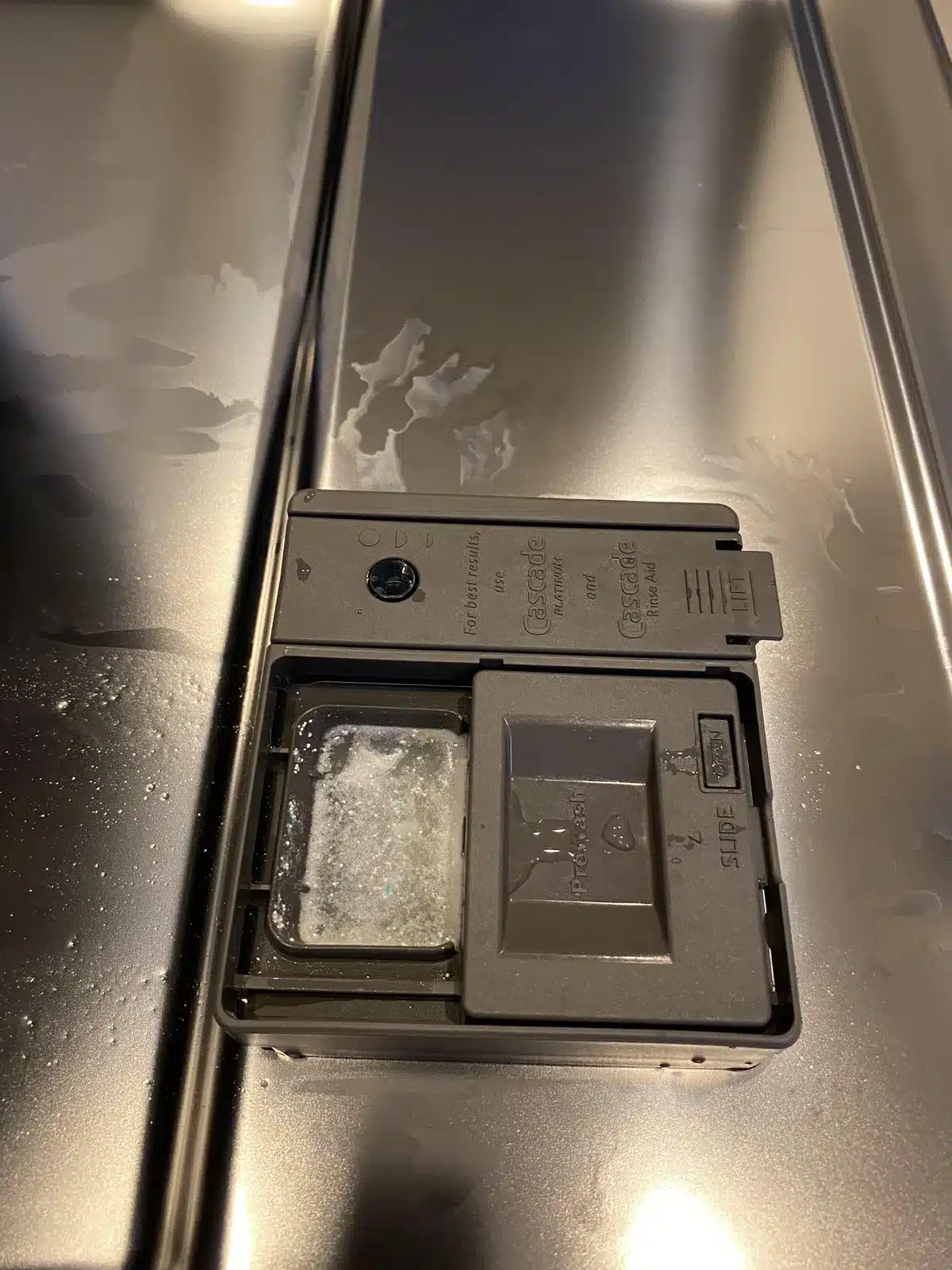
Parts and Features: What You’ll Be Cleaning and Where Gunk Hides
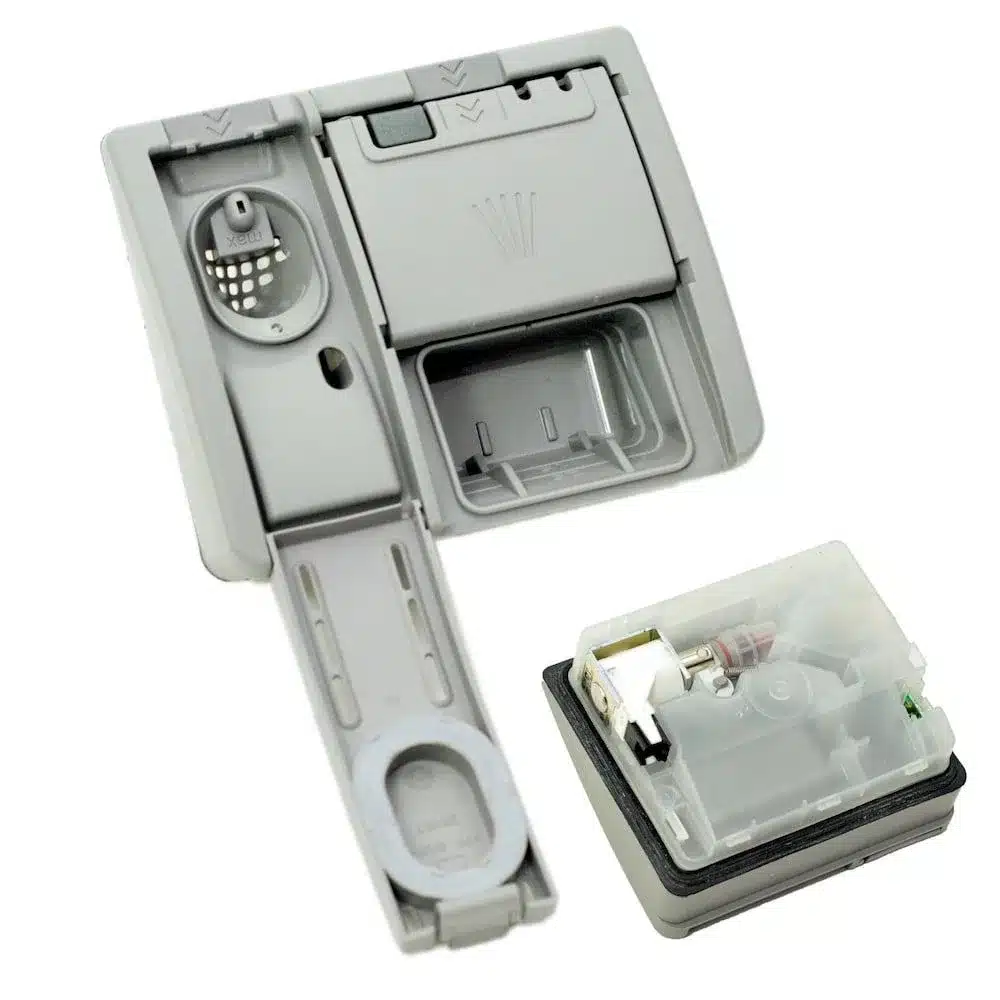
Most dishwashers have two dispenser areas: one for detergent (powder, gel, or tablet) and one for rinse aid. These are usually located in the inside of the door with a spring-loaded lid or a small cap.
Key parts:
- Detergent tray: Holds powder, gel, or tablets. Buildup looks like white crust or gunky paste.
- Rinse aid chamber: Small compartment sealed with a cap or sliding lid. Tends to trap sticky liquid and mildew.
- Latch and hinge: Tiny plastic parts that jam easily from dried soap.
- Seals and gaskets: Soap scum and limescale hide in seams.
Trouble spots differ a bit by brand. For example, Whirlpool machines often have a press-latch, while Bosch hinges sometimes get jammed from hard water. Always check your manual for diagrams.
Look for buildup around the edges of each compartment, where water doesn’t reach.
Essential Tools and Safety Steps Before You Start
Gather everything you’ll need before starting:
- Soft-bristled brush or old toothbrush (for corners)
- Microfiber cloth or non-scratch sponge
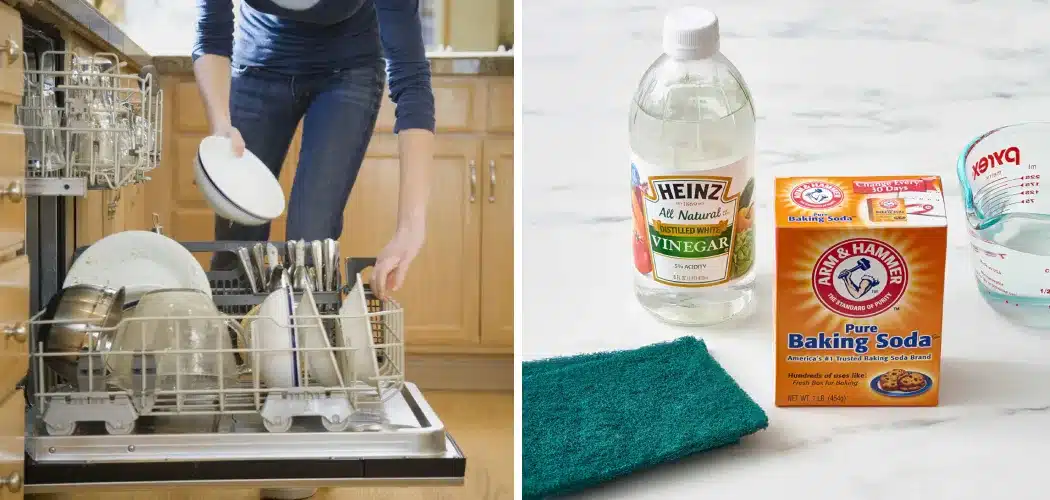
- White vinegar (soaks and loosens hard residue)
- Baking soda (removes tough buildup)
- Mild dish soap
- Small bowl (for soaking parts)
- Rubber gloves (optional)
- Flashlight (for better visibility)
Safety first, always:
- Turn off power. Unplug the dishwasher or flip the breaker to avoid accidental starts.
- Only remove the dispenser if your user manual says it’s safe.
- Avoid metal brushes or harsh scrubbing pads to protect seals and plastic.
Reference table:
| Tool | Use | Notes |
|---|---|---|
| Soft brush | Scrubs nooks and edges | Old toothbrush is ideal |
| Microfiber cloth | Wipes surfaces clean | Non-scratch, gentle |
| White vinegar | Breaks down residue | Safe for plastic parts |
| Baking soda | Tackles stuck-on gunk | Gentle abrader |
Quick prep makes the job easy and keeps your machine in top shape.
Visual Step-by-Step: Cleaning Your Dishwasher Dispenser (Photos/Diagrams Explained)
Here’s the step-by-step, and if your machine looks different, the basics are the same.
1. Power Off
Make sure the dishwasher is unplugged or turned off at the breaker.
2. Open the Dispenser
Pop open the lid or lever. Wipe away loose detergent or residue with a dry cloth.
3. Remove Any Removable Parts
If your dispenser has a lid, cap, or insert, take those out.
4. Soak Small Pieces
Put small parts in a bowl filled with 1 cup white vinegar. Let them soak for at least 20 minutes. Vinegar dissolves sticky buildup and limescale.
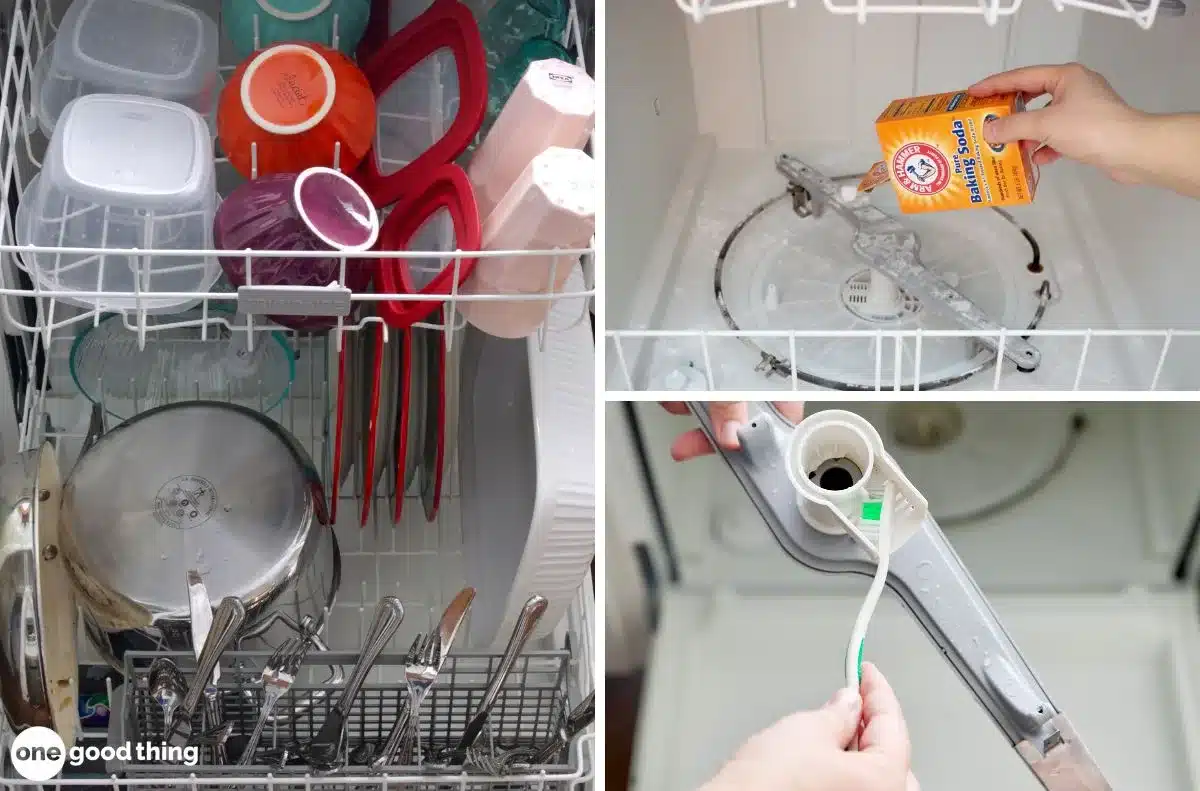
5. Scrub Every Surface
Use your brush for every corner and edge, especially around latches and hinges. Dip your brush in baking soda to lift stubborn residue without scratching.
6. Rinse and Wipe
Rinse everything under warm water. Wipe with a damp microfiber cloth until no grease or grit remains.
7. Dry and Reassemble
Let all the parts air dry before snapping them back in. Wet parts encourage new buildup fast.
Doing this monthly makes future cleanups a breeze and helps prevent dispenser problems.
Want more on deep cleaning and odor control? See our filter cleaning guide and the baking soda and vinegar method.
Common Mistakes, Breakage Risks, and Troubleshooting Tips
Even a quick job can go wrong if you rush or guess. Based on our research, here’s what trips people up most:
- Forcing a stuck dispenser door
- Using metal tools and scratching parts
- Skipping the power-off step
- Applying harsh chemicals not meant for appliances
How to avoid these:
- Never use knives or sharp tools on stuck parts. Most dispensers open when you clear away gunk.
- Don’t try to pry out non-removable dispensers. Check the manual first, many are meant to be cleaned in place.
- If plastic latches or springs seem stuck, give it time to soak and try gentle pressure.
- Stay away from industrial cleaners or bleach. They can degrade plastic and seals.
If your dispenser stays stuck after cleaning, inspect:
- Latch or spring for cracks (may need replacement)
- Spray arms and filter for blockages
- Overloaded racks pressing on the door
For odors or mildew, run a hot wash with a cup of vinegar on the bottom rack. For better smell control, our guide to freshening your dishwasher has detailed steps to prevent it coming back.
If in doubt, always check your model’s manual or the official manufacturer support site for safe diagrams and troubleshooting help.
Pro Tips for Ongoing Dispenser Care and Performance
Once your dispenser is clean, keeping it in shape is mostly about short, regular care. This helps your dishes stay spotless and cuts down on potential repair bills.
- Wipe any detergent or rinse aid spills after every refill.
- Deep clean the dispenser monthly, more in houses with hard water or frequent loads.
- Check the dispenser during your weekly kitchen wipe-down.
- If you normally use detergent pods, switch to powder or gel once in a while. Rotating can cut down on caking and residue.
Hard water often causes buildup in and around the dispenser. Spotting white crust or limescale? Add a vinegar rinse every few cycles or use a water softener if you have persistent issues.
Using a baking soda and vinegar routine also helps keep buildup away and prevents odors.
Don’t overcrowd dishes. Overloading can block spray arms or push against the dispenser lid, leading to jams. If you notice film or spots on glasses after cleaning, try reducing how much detergent you’re using, excess often leads to sticky buildup.
After each rinse aid refill, check the cap is tightened securely to avoid leaking. From our review of user feedback, making small tweaks like these shows a big difference within weeks.
For model-specific advice, always look up the manufacturer’s official documentation. If your machine keeps having problems, consider calling their help line.
FAQs on Dishwasher Dispenser Cleaning and Maintenance
How often should I clean my dishwasher dispenser?
Monthly cleaning works for most homes. Hard water or heavy use might call for every two weeks. Regular care stops long-term buildup and helps dispense soap properly.
Can I use bleach to clean my dispenser?
No, never use bleach on your dishwasher dispenser. Bleach can damage plastic parts and seals and may release harmful fumes. Stick with white vinegar, baking soda, and gentle dish soap.
Why does detergent sometimes stay inside the dispenser?
Detergent can be left behind if the dispenser is blocked by residue or the latch is jammed. An overloaded rack can also press on the door. Always ensure you’re using the right soap amount and that spray arms aren’t blocked.
What if my dispenser still won’t open after cleaning?
Check for cracked latches, weak springs, or foreign objects blocking movement. If the part is damaged, replacing it may be the only solution. Consult your dishwasher’s manual or contact a qualified technician.
Is it safe to soak dispenser parts in vinegar overnight?
Yes, for most plastic parts, overnight soaking in white vinegar is safe and effective. If you see any metal or rubber, shorter soaks (20, 30 minutes) are safer.
Will cleaning the dispenser help with dishwasher smells?
Yes, cleaning the dispenser and other areas like the filter removes trapped detergent and food debris that cause smells. Try a hot wash with vinegar and more odor tips or check out multi-step cleaning routines to keep things fresh.

1 thought on “How to Clean a Dishwasher Dispenser for Better Performance”