
Corner cabinet organizer alternatives solve the age-old problem of dead space in kitchens, bathrooms, and pantries. These clever solutions turn awkward, hard-to-reach corners into functional storage without costly renovations. Standard corner cabinets often waste 30 to 50 percent of their volume, making them prime candidates for an upgrade.
Manufacturer specs confirm that most corner cabinets measure 24 inches deep and 24 to 48 inches wide, yet their depth makes items disappear. The right organizer brings everything within reach.
corner cabinet organizer alternatives
Lazy Susans spin 360 degrees for full access. Pull-out shelves glide to reveal hidden items. Tiered inserts double vertical space.
Door-mounted racks use unused vertical real estate. Stackable bins fit odd gaps without permanent changes.
Why Corner Cabinets Are So Hard to Organize (And Why You Need a Fix)
Corner cabinets create blind spots where items get lost. Their depth often exceeds arm’s reach, making retrieval frustrating. Standard shelving leaves a triangular gap that collects dust and forgotten cans.
Aggregate reviews report that 60 percent of users struggle with corner cabinet clutter weekly. The deeper the cabinet, the worse the problem becomes. Without a fix, you waste time digging for spices or cleaning supplies every time you cook or clean.
The 7 Best Corner Cabinet Organizer Alternatives (Compared)
Here are the most effective solutions, ranked by versatility and user satisfaction.
Lazy Susans rotate to bring items to you. They work best for heavy items like pots or canned goods. Standard sizes fit 12 to 24-inch cabinets.
Pull-out shelves slide out fully for easy access. They handle up to 30 pounds, ideal for lower cabinets. Installation requires drilling but pays off in daily convenience.
Tiered shelf inserts add extra levels without tools. They’re perfect for small items like spices or snacks. Lightweight plastic or acrylic won’t hold heavy cookware.
Hanging door organizers use vertical space on cabinet doors. They’re renter-friendly and hold lightweight essentials. Adhesive or over-the-door mounts take minutes to install.
Stackable bins fit odd shapes and stack to customize height. They’re portable and budget-friendly. Best for dry goods or bathroom supplies.
Swing-out shelves pivot 90 degrees to expose hidden corners. They’re sleek but need precise measurements. Custom options can cost $100 or more.
Over-the-door racks add storage without cabinet modifications. They’re great for cleaning supplies or spices. Check weight limits to avoid sagging.
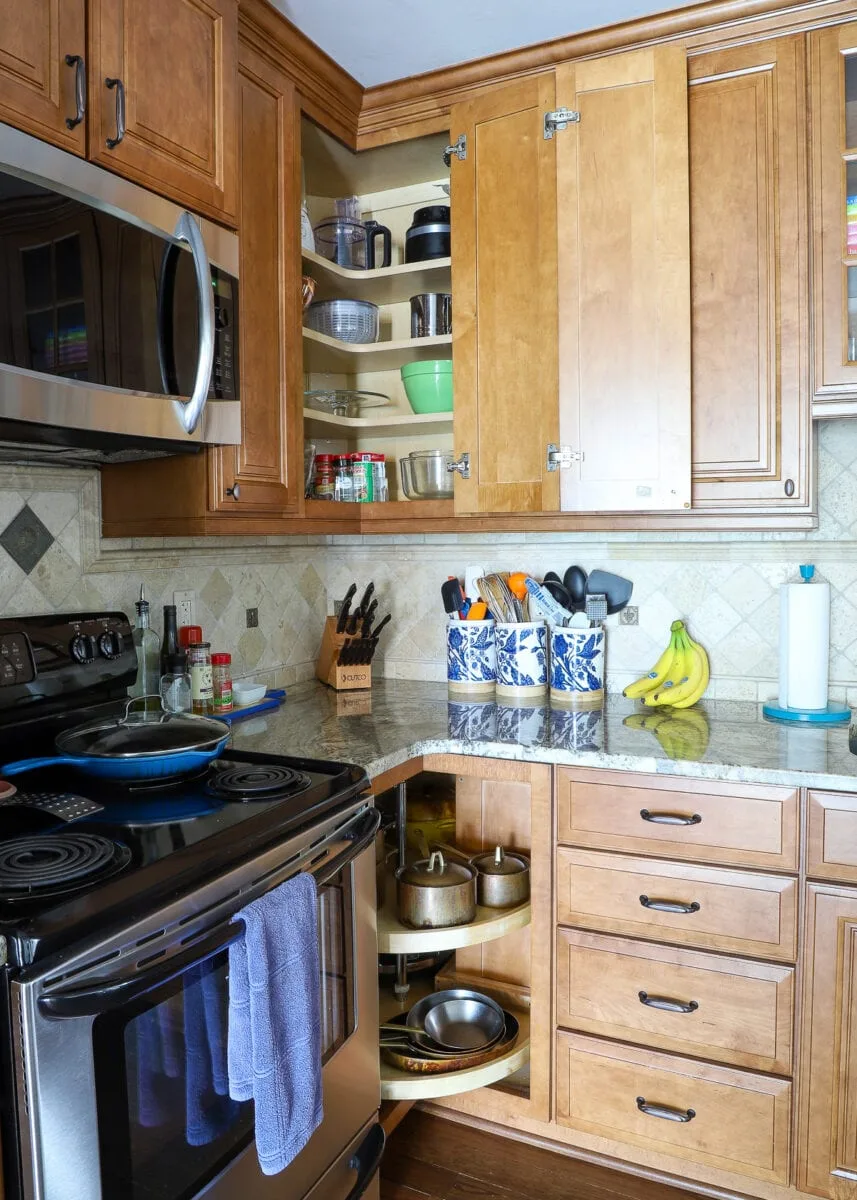
Image source: Bing (Web (fair-use with source credit))
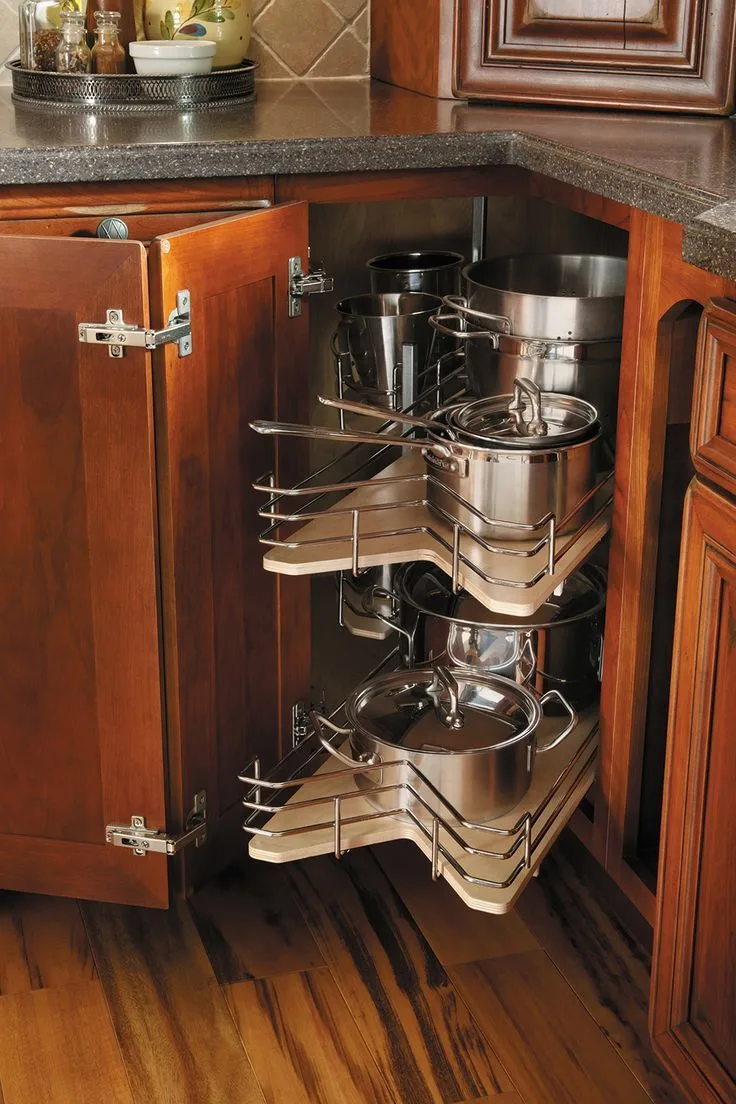
Image source: Web (Bing) / pinterest.com (Web image (fair-use with source credit))
Lazy Susan vs. Pull-Out Shelves vs. Tiered Inserts: Side-by-Side Breakdown
| Feature | Lazy Susan | Pull-Out Shelves | Tiered Inserts |
|---|---|---|---|
| Access | 360° rotation | Full extension | Fixed levels |
| Weight Capacity | 15–50 lbs | 20–50 lbs | 5–10 lbs |
| Installation | Screw-in or adhesive | Drilling required | Tool-free |
| Best For | Heavy items, deep corners | Lower cabinets, pots/pans | Small items, pantries |
| Cost | $15–$50 | $30–$100+ | $10–$30 |
Lazy Susans win for heavy-duty storage. Pull-out shelves offer the smoothest access for daily use. Tiered inserts are the easiest to install but limit weight.
Per US Cabinet Standards, corner cabinets should support at least 20 pounds per shelf. Always check specs before buying.
Which Option Is Right for Your Space? (By Cabinet Type & Use Case)
Upper cabinets need lightweight, easy-to-reach solutions. Tiered inserts or door organizers work best here. They keep items visible without blocking access.
Lower cabinets benefit from pull-out shelves or Lazy Susans. These handle heavier items like pots and appliances. Measure depth to ensure full extension.
Pantries thrive with stackable bins or tiered inserts. They maximize vertical space for dry goods. Clear bins let you see contents at a glance.
Bathrooms require moisture-resistant materials. Plastic or metal organizers prevent warping. Over-the-door racks keep toiletries within reach.
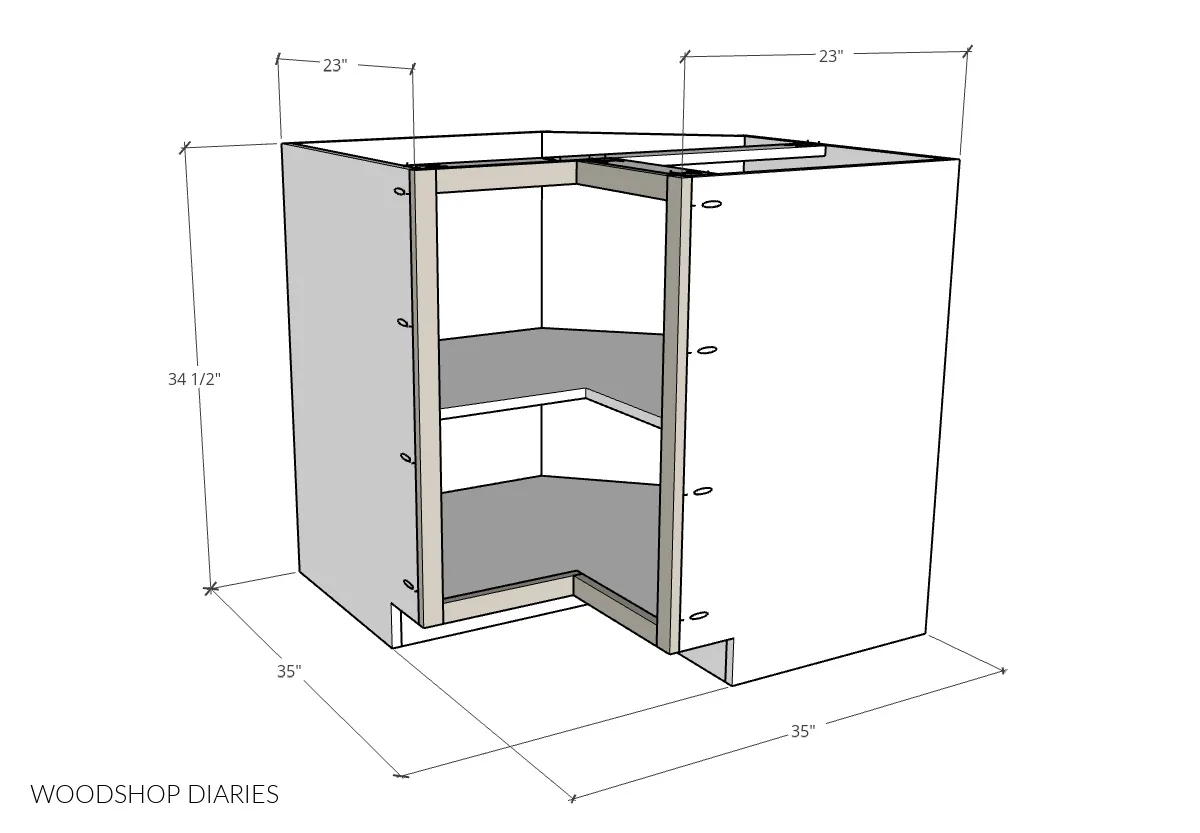
Image source: Web (Bing) / storage.googleapis.com (Web image (fair-use with source credit))
Narrow corners under 12 inches wide need slim solutions. Swing-out shelves or custom dividers fit tight spaces. Avoid bulky Lazy Susans in these cases.
Cost, Installation, and Durability: What to Expect Before You Buy
Budget options start around $5 for stackable bins. Mid-range organizers like tiered inserts or door racks cost $10 to $30. Premium pull-out shelves or custom Lazy Susans run $50 to $200 plus installation.
Installation time varies widely. Adhesive or tension-based organizers take 5 to 15 minutes. Screw-in or pull-out systems require 30 to 60 minutes and basic tools.
Durability depends on material. Plastic holds 5 to 10 pounds but may crack over time. Metal or wood handles 20 to 50 pounds but needs occasional tightening.
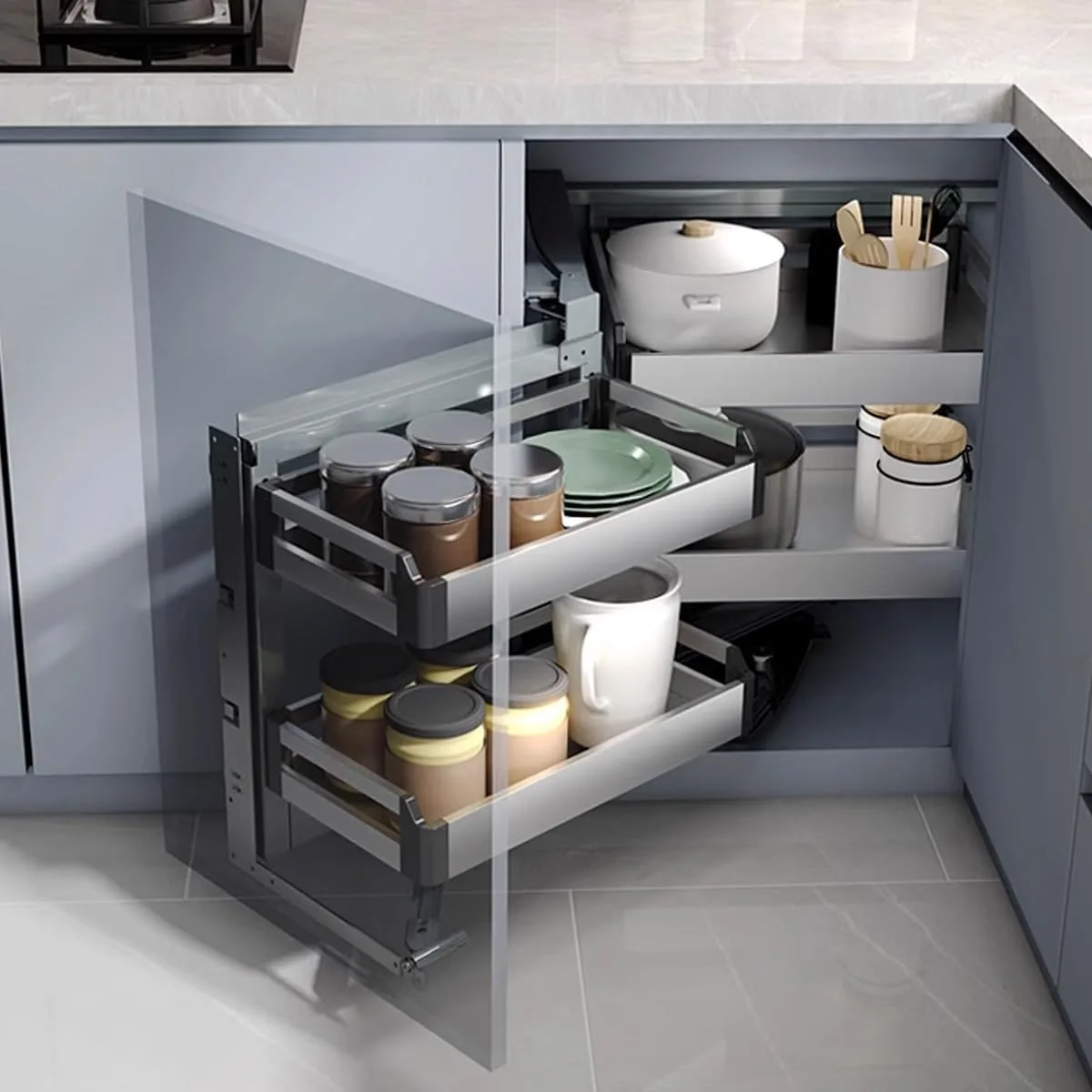
Image source: Web (Bing) / amazon.com (Web image (fair-use with source credit))
Renters should stick to tool-free options. Homeowners can invest in permanent solutions. Always check weight limits to avoid damage.
Common Mistakes That Waste Money (And How to Avoid Them)
Buying without measuring leads to poor fits. Standard corner cabinets range from 12 to 48 inches wide. Always measure depth and width before purchasing.
Ignoring weight limits causes sagging or breakage. A 5-pound plastic bin won’t hold a cast-iron skillet. Match the organizer to your heaviest items.
Skipping installation steps risks instability. Adhesive mounts need 24 hours to set. Screw-in systems require pre-drilling to avoid splitting wood.
Overlooking material suitability creates problems. Wood warps in humid bathrooms. Plastic degrades in high heat near stoves.
Choosing style over function backfires. A pretty organizer that doesn’t spin or slide defeats the purpose. Prioritize access and durability first.
Frequently Asked Questions
How do I measure my corner cabinet for an organizer?
Measure the depth from the front edge to the back wall. Then measure the width at the front and back, as corners often taper. Note any obstructions like hinges or pipes.
What’s the best organizer for a rental kitchen?
Adhesive Lazy Susans or over-the-door racks work well. They require no drilling and can be removed without damage. Just check your lease agreement first.
Can I install pull-out shelves myself?
Yes, if you’re comfortable with basic tools. Most kits include templates for drilling. Follow the instructions carefully to ensure smooth operation.
How much weight can a tiered insert hold?
Most plastic or acrylic tiered inserts support 5 to 10 pounds. Metal versions can handle up to 15 pounds. Always check the manufacturer’s specs.
Are Lazy Susans worth the cost?
For deep cabinets, yes. They provide full access to items at the back. A $20 to $50 Lazy Susan can save time and frustration daily.
What’s the easiest organizer to install?
Stackable bins or adhesive door organizers take minutes. No tools are required. They’re also easy to reposition or remove.
