
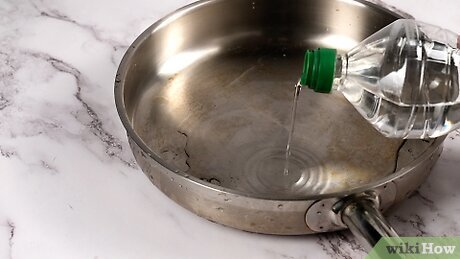
Steel surfaces add a clean, professional look to any home. But keeping them streak-free and shining can feel like a losing battle. One day they're spotless; the next they're covered in fingerprints, water spots, and smudges that seem to appear from nowhere.
The good news? You don't need expensive specialty products or hours of elbow grease. With the right techniques and a few household staples, you can restore your steel surfaces to a mirror-like finish and keep them that way. This guide covers everything from identifying your steel type to maintaining that just-cleaned look between deep cleans.
Why Steel Cleaning Requires a Different Approach
Steel demands a gentler touch than many other surfaces. Unlike glass or plastic, steel is porous at a microscopic level. Dirt, oil, and moisture can settle into these tiny grooves, creating a dull film that regular wiping won't remove.
A common mistake is reaching for harsh chemicals or abrasive scrubbers. These strip the protective layer that keeps steel resistant to rust and corrosion. Over time, aggressive cleaning actually makes steel harder to keep clean.
The goal is lift and remove grime without damaging the surface's integrity. That means choosing the right tools and knowing which cleaning agents work best for each type of steel.
Types of Steel and How to Clean Each One
Not all steel is the same. Using the wrong cleaning method can ruin the finish or accelerate rust. Here's what you need to know about the three most common types found in homes.
Stainless Steel
Stainless steel contains chromium, which forms a passive layer that resists rust and corrosion. This makes it the go-to choice for kitchen appliances, sinks, cookware, and bathroom fixtures.
Best cleaning approach: Mild dish soap and warm water handle most everyday grime. For fingerprints and grease, a 50/50 mix of white vinegar and water works well. Always wipe in the direction of the grain (the visible lines in the metal) to avoid creating swirl marks. Dry immediately with a clean microfiber cloth to prevent water spots.
Avoid chlorine bleach, oven cleaners, and any product containing hydrochloric acid. These can break down the chromium oxide layer and lead to pitting or discoloration.
Carbon Steel
Carbon steel is strong and holds a sharp edge, making it popular for knives, woks, and hand tools. It contains little to no chromium, which means it rusts easily if not properly maintained.
Best cleaning approach: For carbon steel cookware, avoid soaking in water. Instead, scrub with coarse salt and a paper towel to remove food residue, then rinse quickly and dry immediately over low heat. Apply a thin layer of food-grade oil while the pan is still warm to maintain the seasoning layer.
For tools and blades, wipe down with a lightly oiled cloth after each use. If rust appears, remove it with fine-grit sandpaper or a rust eraser, then re-oil the surface.
Galvanized Steel
Galvanized steel has a zinc coating that protects against rust. It's commonly used for outdoor furniture, gutters, ductwork, and structural supports.
Best cleaning approach: Use a mixture of warm water and mild dish soap. Avoid acidic cleaners like vinegar, lemon juice, or ammonia—these react with the zinc coating and cause it to deteriorate. Rinse thoroughly and dry completely to prevent white rust (a chalky zinc oxide residue).
If the zinc coating is scratched, touch it up with a cold galvanizing spray to maintain corrosion protection.
Essential Tools and Supplies
Using the wrong cloth or scrubber is the fastest way to scratch steel. Here's what you should have on hand.
| Tool | Best For | Avoid Using On |
|---|---|---|
| Microfiber cloth | All steel types; picks up dust without scratching | N/A |
| Lint-free cotton cloth | Final buffing and polishing | N/A |
| Soft-bristle brush | Textured surfaces and crevices | Polished stainless steel |
| Nylon scrubbing pad | Stubborn food residue on cookware | Mirrored or decorative finishes |
| White vinegar | Removing hard water spots and fingerprints | Galvanized steel |
| Baking soda | Gentle abrasive paste for tough stains | Already-scratched surfaces |
| Rubbing alcohol | Sanitizing and streak-free shine | Coated or painted steel |
Steel wool deserves special caution. While fine-grade (0000) steel wool can remove rust from carbon steel tools, it will almost certainly scratch stainless steel appliances. Reserve it for heavy-duty restoration work only.
How to Clean Steel: Step-by-Step Guide
Follow these steps for a professional-quality clean every time.
Step 1: Prepare the Area
Remove any items sitting on the surface. Lay down towels or newspaper around the work area to catch drips. If you're cleaning kitchen appliances, disconnect them from power for safety.
Wear rubber gloves if you're using any acidic or chemical cleaners. Ensure good ventilation by opening a window or running an exhaust fan.
Step 2: Inspect the Surface
Look closely at the steel before you start cleaning. Note any areas of rust, pitting, or discoloration. Stubborn stains may need a targeted treatment rather than a general wipe-down.
Check for loose screws or damaged seals on appliances. Cleaning can expose underlying issues that need repair first. For detailed guidance on kitchen sink plumbing, our diagram of the layout under the sink can help identify problem areas.
Step 3: Remove Loose Dirt and Debris
Use a dry microfiber cloth or a soft brush to sweep away dust, crumbs, and loose particles. This prevents you from grinding debris into the surface when you apply liquid cleaner.
For textured steel surfaces (like ridged refrigerator doors or dishwasher panels), use a soft-bristle toothbrush to dislodge trapped dirt.
Step 4: Apply the Appropriate Cleaner
For routine cleaning: Mix a few drops of mild dish soap into a bowl of warm water. Dip your cloth, wring it out until just damp, and wipe the surface following the grain.
For fingerprints and smudges: Mix equal parts white vinegar and water in a spray bottle. Lightly mist the surface and wipe with a clean microfiber cloth.
For grease buildup: A dedicated degreaser or a paste of baking soda and water works well. Apply the paste, let it sit for 2-3 minutes, then gently scrub with a nylon pad. You can also make your own degreaser at home using simple ingredients.
For hard water spots: Soak a cloth in white vinegar, lay it over the affected area for 5-10 minutes, then wipe clean. Rinse with water and dry immediately.
Step 5: Rinse Thoroughly
Any leftover soap or vinegar residue can leave streaks or attract dirt. Wipe the surface with a clean, damp cloth (water only), then immediately follow with a dry microfiber cloth.
Step 6: Buff to a Shine
For that mirror-like finish, give the steel a final buff with a dry microfiber cloth. Use circular motions, then finish with long strokes following the grain. This step removes any remaining moisture and polishes the surface.
For extra gloss, add one drop of mineral oil or olive oil to a dry cloth and buff the surface lightly. This fills microscopic pores and creates a protective barrier against fingerprints.
How to Remove Rust from Steel
Rust happens. Even with the best care, exposure to moisture, salt, or acidic foods can trigger oxidation. The key is catching it early and removing it before it eats into the metal.
For light surface rust on stainless steel: Make a paste with baking soda and a small amount of water or white vinegar. Apply to the rusted area and let it sit for 15-20 minutes. Scrub gently with a soft brush or nylon pad, then rinse and dry.
For carbon steel tools: Use fine-grit sandpaper (400-600 grit) or a dedicated rust eraser. Work in the direction of the grain, starting with coarser grit and moving to finer grit as the rust disappears. Finish by applying a thin coat of oil.
For stubborn rust: Commercial rust removers containing oxalic acid (like Bar Keepers Friend) are effective on stainless steel. Apply with a damp sponge, rub gently, then rinse thoroughly. Always test on a hidden area first.
Prevention is simpler than removal. For ongoing maintenance, check out our guide on keeping your kitchen hood clean—the same principles apply to all steel surfaces exposed to moisture and cooking vapors.
Common Mistakes and How to Avoid Them
Even experienced cleaners make these errors. Here's what to watch out for.
Wiping in circles. Circular motions leave visible swirl marks that catch light and look messy. Always wipe in the direction of the steel's grain.
Using too much cleaner. Excess liquid pools in crevices, dries into streaks, and can seep beneath seals on appliances. Damp cloth, not wet.
Letting water air-dry. Hard water contains minerals that leave white spots when the water evaporates. Always dry steel immediately with a clean cloth.
Using bleach or ammonia. These chemicals attack the protective layer on stainless steel. Even diluted, they can cause discoloration and pitting over time.
Ignoring the grain direction. Not all steel has a visible grain pattern. If yours doesn't, pick a consistent direction (left to right or top to bottom) and stick with it for all cleaning and buffing.
How to Maintain Steel Between Deep Cleans
A few seconds of daily care saves you from spending an hour scrubbing later.
- Keep a microfiber cloth near high-use areas. A quick wipe after cooking or handwashing prevents buildup.
- Use a stainless steel protector spray. These products leave a thin, invisible film that repels fingerprints and water. Reapply every 2-3 weeks.
- Address spills immediately. Acidic foods (tomato sauce, citrus, vinegar) can etch stainless steel if left sitting.
- Avoid placing wet items directly on steel surfaces. Use trivets, mats, or towels to prevent water rings.
- For kitchen sinks and countertops, a daily spritz with a vinegar-water mix keeps them streak-free. A deeper clean once a week handles any stubborn deposits.
If you notice a musty smell developing around your sink area, it's worth checking for hidden moisture problems. Our guide on addressing unpleasant odors under the sink can help you identify the source.
When to Call a Professional
Most steel cleaning can be handled at home, but some situations require expert intervention.
- Deep pitting or corrosion from years of improper cleaning may need professional refinishing.
- Large-scale industrial steel equipment often requires specialized chemical treatments and safety protocols.
- Antique or decorative steel pieces with complex finishes should be handled by a restoration specialist to avoid destroying their value.
For everyday household steel, the tools and methods above are more than sufficient.
Frequently Asked Questions
Can I use vinegar on all types of steel?
No. Vinegar is safe for stainless steel and carbon steel, but it damages the zinc coating on galvanized steel. For galvanized surfaces, stick with mild soap and water.
How do I prevent fingerprints on stainless steel appliances?
After cleaning, apply a small amount of mineral oil to a microfiber cloth and buff the surface lightly. The oil fills microscopic pores that trap oils from skin, making fingerprints less noticeable and easier to wipe away.
Is it safe to use Magic Eraser on steel?
Use with caution. Melamine foam (Magic Eraser) is mildly abrasive and can dull polished finishes over time. It's acceptable for removing stubborn marks from stainless steel sinks but not recommended for shiny appliance panels.
What's the best way to clean brushed stainless steel?
Brushed stainless has a directional texture. Always wipe and polish following that direction. Use a microfiber cloth with a gentle cleaner—avoid anything that could flatten or smooth the brush marks.
Can I clean steel pans in the dishwasher?
Not ifthey have a seasoned finish, which the dishwasher's harsh detergents and high heat will strip away. Hand washing preserves the non-stick properties of seasoned carbon steel. Stainless steel pans can go in the dishwasher, but hand washing keeps them looking better longer—dishwasher detergents can dull the surface over time and leave a cloudy film.
How often should I deep clean steel surfaces?
For kitchen appliances and sinks, a weekly wipe-down with mild soap and water keeps things fresh. A deeper clean using vinegar or a specialized stainless steel cleaner once a month handles any stubborn buildup. Tools and outdoor steel items benefit from a thorough clean and protective oil coating every season.
Does WD-40 damage stainless steel?
No, WD-40 is safe for stainless steel and can effectively remove sticky residue, grease, and light rust. Spray it on a cloth first (not directly on the surface), wipe the affected area, then clean with soap and water and dry thoroughly.
Conclusion
Steel doesn't have to be a constant battle against smudges and streaks. The secret is simple: use the right tools, follow the grain, and dry everything thoroughly. A microfiber cloth, mild soap, and a few minutes of attention each week will keep your steel surfaces looking as good as the day you bought them.
Start with one surface today. Clean it using the techniques above, and you'll see the difference immediately. Once you get that mirror-like shine and feel how smooth a properly cleaned steel surface can be, you won't want to go back to haphazard wiping. Your steel deserves to sparkle—and now you know exactly how to make that happen.
