
Grease is stubborn and gets everywhere. If you want to know how to make degreaser at home, you can match simple chemistry to the mess and save time and money.
In our research, white vinegar is about 5% acetic acid, and washing soda measures roughly pH 11 to 12 as of 2026. Manufacturer specifications and university extension guides support those values, and they help you pick safe mixes.
Quick Answer
How to make degreaser at home depends on surface and grease type.
For everyday kitchen grease, mix hot water with dish soap.
For baked-on grime, use a baking soda paste and scrub.
For heavy automotive grease, use washing soda in hot water outdoors.
Problem / Pain Point: What Goes Wrong with DIY Degreasing
People try one recipe for everything and it fails.
A mild soap works on counters but not on engine parts.
Acids damage marble, and alkalis can dull aluminum or paint.
Mixing cleaners sometimes produces toxic gases or fire hazards.
Common household mistakes
- Using vinegar on marble, which etches natural stone.
- Pouring solvents down drains, which may violate local rules.
- Mixing bleach with acids or ammonia, which creates dangerous gases.
- Storing oily rags improperly, which can self-heat and ignite.
If you need cabinet-specific steps, see cupboard cleaning tips for finish-safe methods.
If you store cleaners under the sink, follow smart storage ideas to avoid leaks.
Core Explanation — How Degreasers Work (Surfactants, Alkalis, Solvents, Abrasives)
Surfactants lift oil into tiny droplets so water can rinse them away.
Liquid dish soap is a common surfactant you can use safely on food surfaces.
Alkaline agents, like washing soda, chemically turn fats into soap-like compounds.
That saponification loosens heavy, baked-in grease on tools and concrete.
Solvents dissolve oils outright without emulsifying first.
Isopropyl alcohol and citrus solvent d-limonene are common household examples.
Abrasives, such as baking soda paste, physically lift stuck-on residue.
Use abrasives gently to avoid dulling finishes or scratching metal.
| Action | Example ingredient | Best use |
|---|---|---|
| Emulsify | Dish soap | Counters, appliances |
| Saponify | Washing soda | Engine parts, concrete |
| Dissolve | Isopropyl alcohol | Stickers, tar spots |
| Abrade | Baking soda paste | Baked-on food, grills |
Aggregate extension guides and manufacturer specs inform these methods.
Choosing the right mechanism for the surface is key to success.
Features & Components — pH, Solvent Type, Surfactant, Abrasivity, Flammability
What to check before you mix, quick list
- pH level, to protect stone and metal.
- Solvent polarity, to know if it will dissolve the oil.
- Abrasivity, to avoid scratching finishes.
- Flammability, to prevent fires when using solvents.
- Biodegradability, for safer disposal and runoff.
Practical values you should remember
- Vinegar, pH about 2.4.
- Baking soda, pH about 8.3.
- Washing soda, pH about 11 to 12.
- Hot water around 120°F helps dissolve grease faster.
| Property | Why it matters |
|---|---|
| pH | Determines material compatibility |
| Flash point | Rules safe storage and use |
| Volatility | Affects drying and inhalation risk |
| Biodegradability | Guides disposal choice |
If stainless surfaces are involved, check a sink gauge guide to verify finish resilience.
For respirator and exposure guidance on stronger solvents, review OSHA resources.
Decision Flow: Choose the Right Degreaser for Your Job
Start with two checks, then follow the path: surface sensitivity, then grease severity.

Simple decision steps
- If the surface is food-contact or delicate, use a mild soap solution and rinse.
- If the surface is natural stone, avoid acids and strong alkalis.
- If grease is light, use surfactant plus hot water.
- If grease is baked-on, use a baking-soda paste and mechanical agitation.
- If grease is heavy or petroleum-based, use a washing-soda mix outdoors with PPE.
Quick picks by situation
- Counters and small appliances, choice: dish-soap spray.
- Oven racks and grills, choice: baking-soda paste soak.
- Tools and concrete, choice: washing-soda heavy-duty mix.
- Adhesive residue, choice: isopropyl alcohol or citrus solvent after a test patch.
If ventilation is limited, avoid volatile solvents.
If disposal is a concern, limit solvent use and send oily waste to a hazardous waste facility.
Step-by-Step Recipes & How to Use Them
Every recipe gives exact mixes, contact times, and tools. Test in a hidden spot first.
Everyday spray, food-safe
Mix 1 quart very hot water with 1 tablespoon liquid dish soap in a labeled spray bottle.
Spray, wait 30 to 60 seconds, wipe with a microfiber cloth, then rinse if the surface touches food.
Baking-soda paste for baked-on grime
Mix 3 tablespoons baking soda with a few teaspoons of water to form a spreadable paste.
Apply, wait 5 to 15 minutes, scrub with a nylon pad, and rinse. Avoid polished metals if appearance matters.
Washing-soda heavy-duty mix for garage and concrete
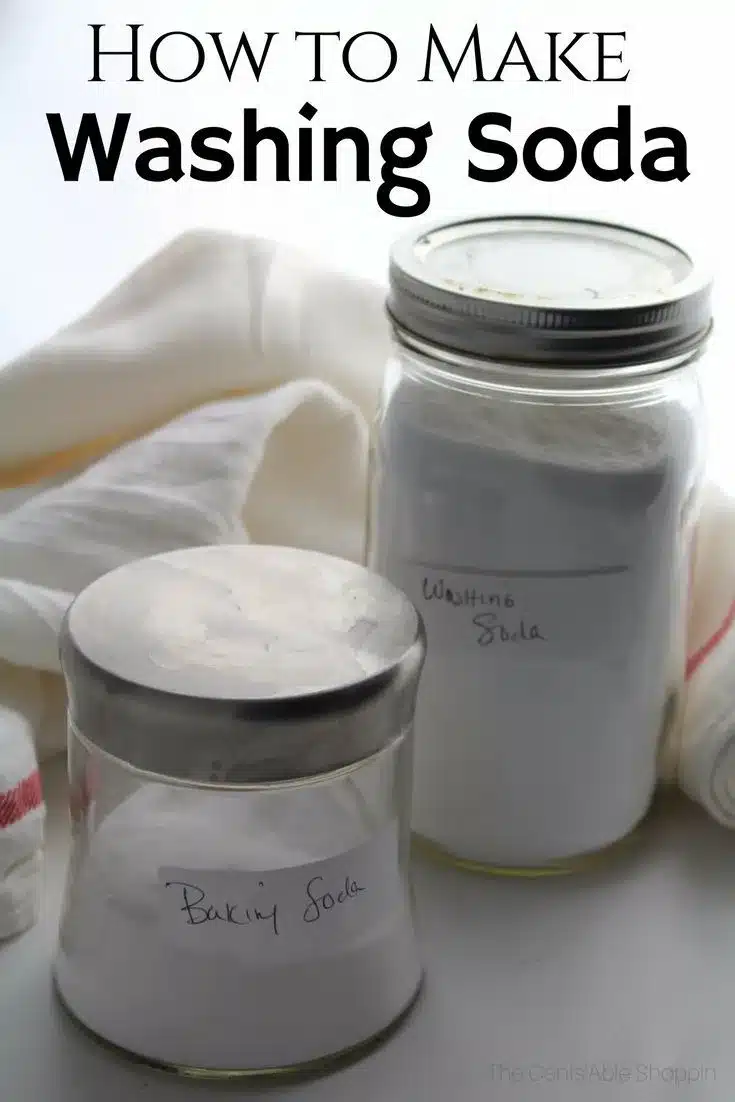
Mix 1 gallon very hot water with 2 to 3 tablespoons washing soda and 1 to 2 tablespoons dish soap.
Apply with a stiff brush, let sit 1 to 5 minutes, scrub, then rinse outdoors. Wear nitrile gloves and eye protection.
Citrus-infused vinegar solvent for sticky residue
Steep citrus peels in white vinegar for 1 to 2 weeks, strain, dilute 1:1 with water, then add 1 teaspoon dish soap.
Spray, wait 30 to 90 seconds, rub, and rinse. Do not use this on marble, limestone, or unsealed grout.
Isopropyl alcohol spot treatment
Use 70 to 99 percent isopropyl alcohol on a cloth to blot adhesive or oil spots.
Work in small areas, replace the cloth as it saturates, and ventilate well.
Tools and quick notes
- Spray bottle, microfiber cloth, nylon brush, bucket with hot water.
- For heavy metal parts, use a brass brush only when you accept light surface wear.
- Label mixes and discard water-based solutions after one to two weeks.
Use Cases & Best For — Surface-by-Surface Recommendations
Match recipe to surface for fast, safe cleaning.
Kitchen counters and appliances, best: dish-soap spray, rinse if food contacts the area.
Ovens and BBQ grates, best: baking-soda paste or overnight soaks, then brass brush for steel grates.
Garage tools and engine components, best: washing-soda mix outdoors, avoid soaking bearings and electrical parts.
Concrete and driveway stains, best: washing-soda slurry scrubs and pressure rinse; repeat if needed.
Sticker and tar on cabinets, best: test isopropyl alcohol or citrus solvent on a hidden strip first.
If cabinet finishes are delicate, consult cabinet cleaner guidance before solvents.
For floor rinsing after degreasing, follow a floor cleaning routine to remove residues and restore traction.
Mistakes to Avoid / Common Errors
Answer first, then explain: Do not mix incompatible chemicals, and always test first.
Never mix bleach with vinegar or ammonia, because dangerous gases form.
Avoid using strong alkalis on aluminum, since they can etch and dull the metal.
Do not use vinegar on natural stone, as it will etch the surface.
Do not pour solvent or concentrated degreaser down household drains; send them to proper waste facilities.
Other quick fixes
- If a cleaner lifts paint, stop and switch to a milder method.
- If rags are oily, dry them flat outdoors or put them in a metal container with a lid before disposal.
- If residues change food taste, rinse thoroughly with hot water.
Safety, Legal & Compliance Essentials
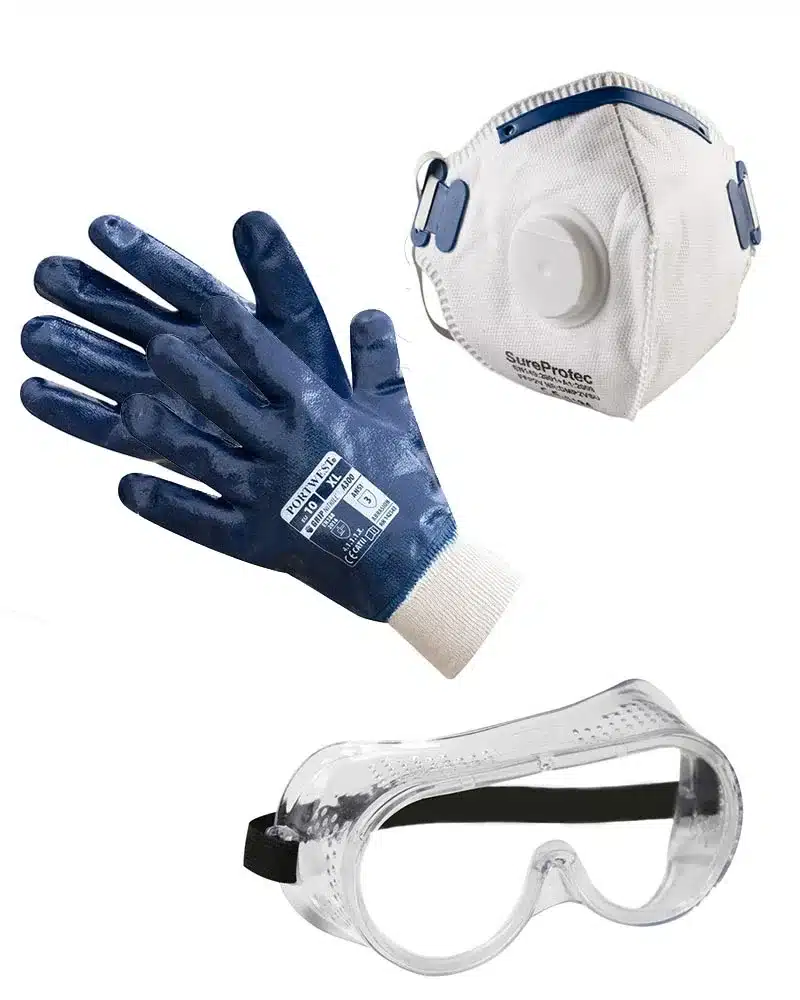
Wear gloves, eye protection, and ventilate well for stronger mixes.
Always use nitrile gloves and safety glasses with washing soda or solvents. For solvent vapors, use a NIOSH-approved respirator rated for organic vapors, and follow OSHA respirator guidance at https://www.osha.gov.
Store flammable solvents in a cool, ventilated area away from ignition sources and keep labels legible.
Disposal basics
- Solvent-soaked rags and leftover solvents go to household hazardous waste facilities, not the curb. The Environmental Protection Agency has household hazardous waste guidance at https://www.epa.gov.
- Local rules vary, so check municipal disposal pages before dumping anything.
Emergency actions
- If skin contact causes irritation, rinse for 15 minutes and remove contaminated clothing.
- If fumes cause dizziness, seek fresh air and medical help if needed.
- For large unknown spills, contact local hazardous materials experts.
Label each mixed container with contents and date. Keep SDS sheets for any commercial solvent you use.
Comparisons & Alternatives — Homemade vs Commercial and Other Methods
Homemade mixes are low cost and customizable, and they work for most household jobs.
Commercial products are more concentrated and faster on industrial grease, but they require PPE and careful disposal.
Alkaline saponification, like washing soda, is best for heavy animal fat and petroleum grease.
Solvent dissolution, like isopropyl alcohol or d-limonene, targets adhesives and tar quickly.
Steam cleaning removes grease with heat and pressure and avoids chemicals on grills and some floors.
Pressure washing cleans concrete fast but risks plant and paint damage if used incorrectly.
When to hire help
- If two DIY cycles fail on a stubborn stain, switch to a commercial product or pro service.
- For structural vehicle parts, consult a mechanic before aggressive degreasing.
Costs, Metrics & Practical Specs to Know
DIY mixes are inexpensive and easy to scale.
| Mix | Approx cost | Typical contact time |
|---|---|---|
| Dish-soap spray | $0.40 per quart | 30–60 seconds |
| Baking-soda paste | $0.10 per batch | 5–15 minutes |
| Washing-soda mix | $1–3 per gallon | 1–5 minutes |
| Isopropyl spot | $10–20 per gallon | 30–90 seconds |
Remember key numbers
- Hot water around 120°F speeds cleaning.
- Vinegar is about pH 2.4, baking soda about pH 8.3, washing soda about pH 11 to 12.
- As of 2026, many municipalities limit solvent disposal, so plan waste pickup.
Expert Tips & Pro Advice
Use heat, time, and mechanical action together for fast results.
Warm the solution where safe, let it sit, then scrub with a nylon brush for better lift.
Label mixes and batch only what you’ll use in two weeks.
Avoid spraying solvents indoors without ventilation and follow respirator guidance from OSHA.
If you store cleaners under a sink, follow smart storage ideas to reduce leak risk.
Real Scenarios — Step-by-Step Plans
Kitchen hood filter, plan
Soak the filter in 1 quart very hot water plus 1 tablespoon dish soap for 30 minutes.
Scrub, rinse, and air dry.
Garage floor oil stain, plan
Cover stain with washing soda, add hot water to make a slurry, scrub for 5 to 10 minutes, then hose off.
Repeat once if the stain remains.
BBQ grates, plan
Soak grates in hot, soapy water overnight or apply baking-soda paste wrapped in plastic for several hours.
Scrub with a brass brush, rinse, and dry.
Engine part degrease, plan
Apply washing-soda mix or citrus solvent outdoors, brush, rinse, and dry.
Avoid bearings and electrical connectors, and consult a mechanic for sensitive components.
If you find mold near stored cleaners, follow mold under-sink steps for safe cleanup.
Frequently Asked Questions
How long should I let a DIY degreaser sit?
Light sprays need 30 to 60 seconds.
Tougher mixes, like baking-soda paste, need 5 to 15 minutes.
Washing-soda on heavy grease needs 1 to 5 minutes before scrubbing.
Can I use vinegar on all surfaces?
No. Vinegar is acidic and will etch marble, limestone, and some grout.
Use dish soap or a neutral cleaner on natural stone.
Are citrus solvents safer than mineral spirits?
Citrus solvent d-limonene is more biodegradable than mineral spirits, but it is still flammable and can irritate skin.
Choose citrus for sticky residues on durable finishes.
How should I dispose of solvent or oily rags?
Take solvent and solvent-soaked rags to a household hazardous waste facility.
Do not pour solvents down the drain or into the environment.
What PPE is required for washing-soda mixes?
Use nitrile gloves and eye protection at minimum.
If dust or vapors are present, use a NIOSH-approved respirator for particulates or organic vapors.
Final Recommendation & Compact Decision Checklist You Can Use Today
Start with a dish-soap spray for everyday cleaning because it is safe and effective.
If grease is baked-on, use baking-soda paste and scrub.
For heavy grease outdoors, use washing-soda mix with gloves and eye protection.
Test solvents on a hidden area before full use and send solvent waste to a hazardous waste facility.
For cabinet finish guidance and further cleaning methods, refer to cupboard cleaning tips and our floor cleaning routine pages.
