
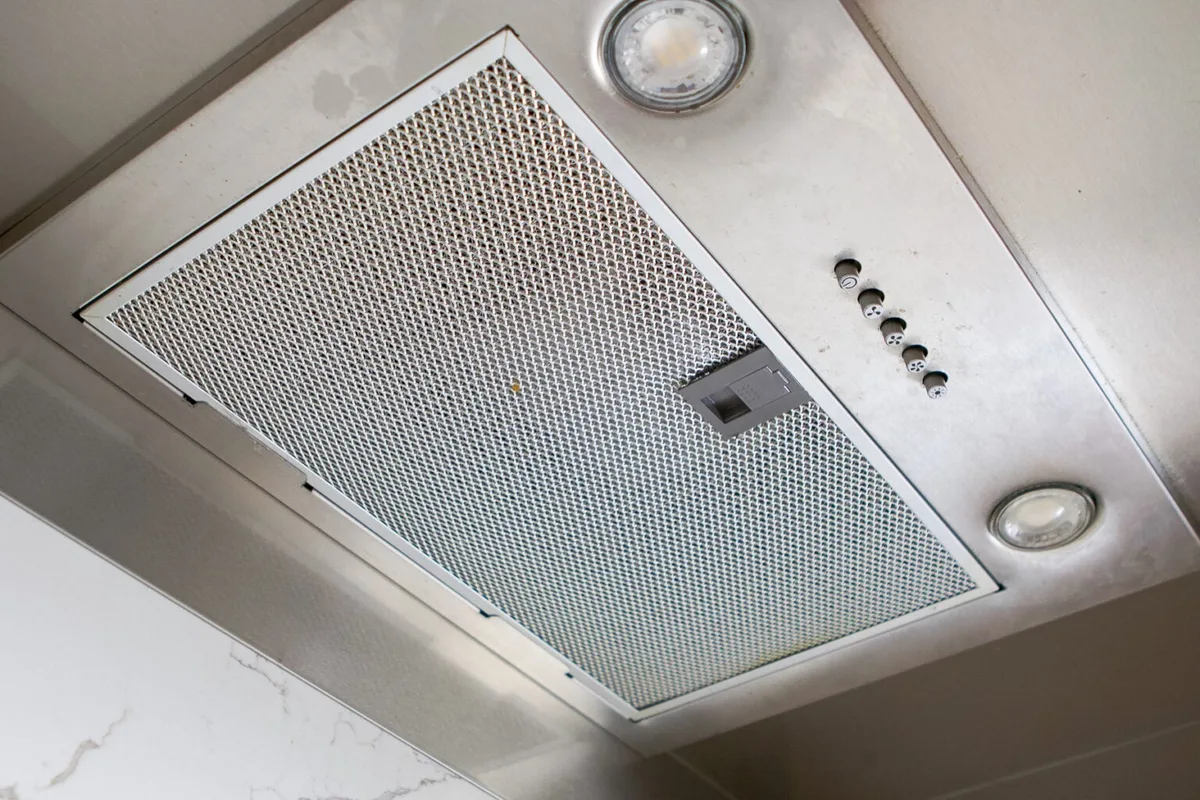
Your range hood isn't just ugly. It's a fire risk. Grease bonds to filters, housing, and ductwork, and the longer you wait, the harder it gets to remove.
That's why you're looking for 7 ways to clean a greasy range hood that go beyond a quick wipe.
NFPA 1, the National Fire Protection Association's residential standard, calls for an annual full clean of hoods and ducts. Do it more often if you fry weekly. A clogged baffle filter can drop your hood's 600 CFM rating to under 300, which defeats the point.
So here's every method that works, matched to your grease level and hood material.
Quick Answer
The 7 methods span hot soapy soaks to professional duct service. Each handles a different grease stage. Pick the right one based on your buildup level and hood material.
Always protect your finishes before applying any chemical. Match the method to the problem, not habit.
Why "Just Spray and Wipe" Won't Fix Your Greasy Hood
You spray a degreaser, give it a wipe, and the hood looks "less bad." But the waxy film is still there. Cooking oil doesn't just sit on a surface. At temperatures above 300°F, repeated heating cross-links the carbon into a polymerized film.
No amount of quick wiping removes that.
Here's what happens at each stage:
- Fresh (hours to 2 days): Oil is still soft and liquid. Hot soapy water at 120 to 140°F saponifies the fat. A 30-minute soak handles it.
- Waxy (2 weeks to a month): Grease has semi-solidified. You need an alkaline degreaser with a 15 to 20 minute dwell time.
- Baked-on or polymerized (months to years): The carbon matrix has fused to the metal. Household chemicals won't touch it. You need heat, mechanical action, or a professional chemical bath.
This is why "just spray and wipe" fails. You're treating stage 3 with a stage-1 solution.
Manufacturer specs from Broan-NuTone, Zephyr, and Viking all list a minimum annual filter clean. But the housing and ductwork need a deeper cycle every 6 to 12 months, per NFPA 1 residential fire-protection guidance. Ignore that and your airflow drops.
Your fire risk climbs.
The good news: you don't need to run all seven methods at once. You need the right one for your current grease level. The next section breaks down exactly which method does what.
The 7 Ways to Clean a Greasy Range Hood (and When Each One Actually Works)
Here's the quick reference. Each method has a specific job. Use it for that job and you'll get results.
1. Hot soapy water soak
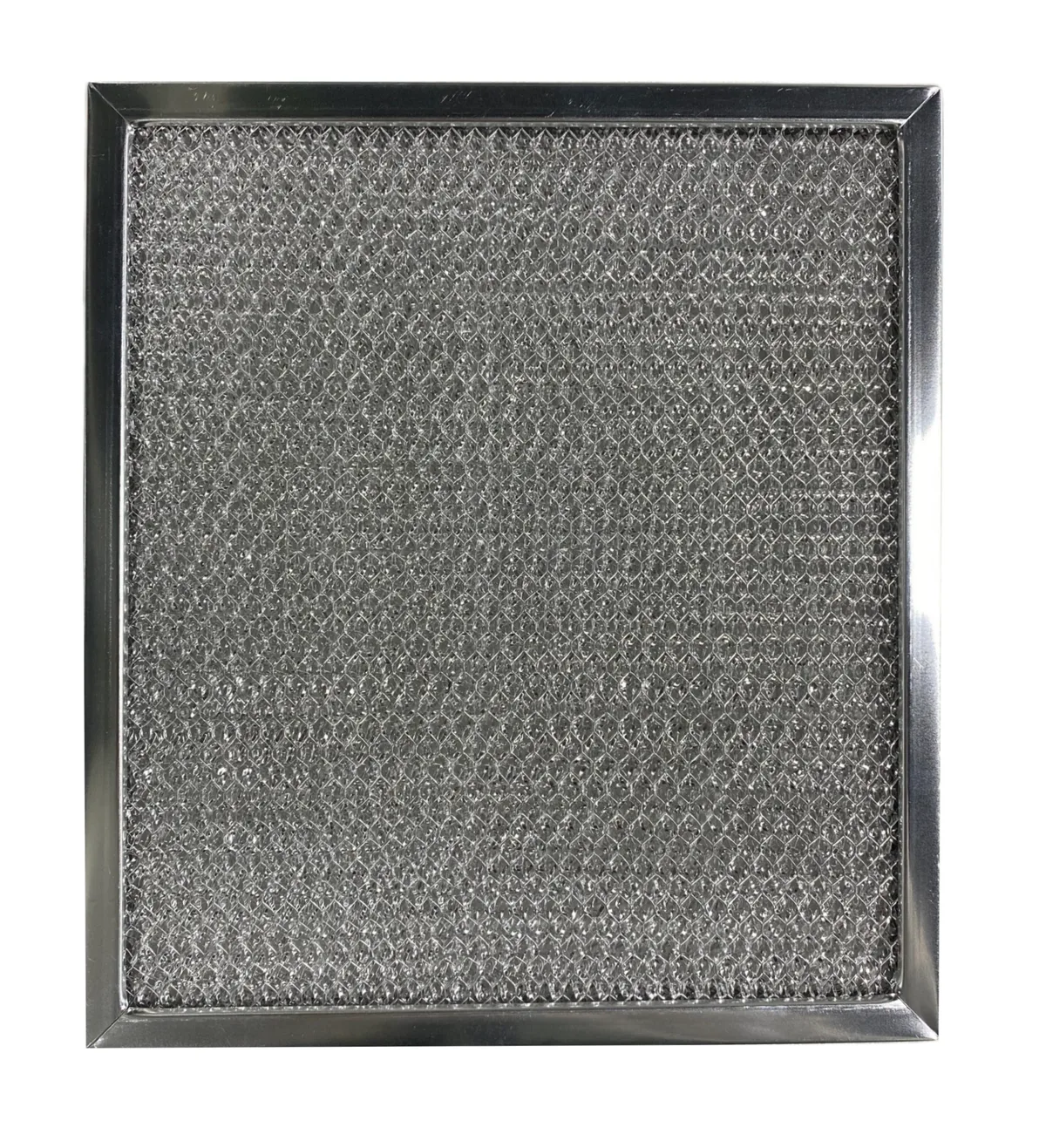
Fill a tub or sink with 120 to 140°F water and a generous squirt of dish soap (Dawn works well). Submerge the mesh or baffle filters and let them sit 30 to 60 minutes. Scrub with a non-abrasive sponge, rinse, and rehang.
This is your go-to for fresh to two-week-old grease.
2. Alkaline degreaser spray
Grab a concentrated alkaline cleaner (Formula 409, Simple Green, or a dedicated kitchen degreaser). Spray top-down, let it dwell 15 to 20 minutes, then wipe with a microfiber cloth. It handles waxy film and seasoned buildup that soap alone won't lift.
3. Baking soda and vinegar paste
Mix 3 parts baking soda to 1 part white vinegar into a thick paste. Dot it on isolated spots, light discoloration, or around the light lens. Dwell 15 minutes, gently scrub, and rinse.
The mild fizz loosens surface grime without attacking stainless or glass.
4. Dishwasher cycle
Pop removable mesh or baffle filters onto the top rack. Run a 45-minute cycle with no rinse aid, since it leaves streaks. Skip this for high-heat non-stick coated filters.
If your dishwasher is also due for maintenance, check the connection fittings under the sink before running the cycle so a slow drip doesn't soak the filter rack.
5. Steam cleaning
A handheld steamer works beautifully on glass panels, the light lens, and tight canopy corners. Hold it 2 to 3 inches from the surface and dwell 10 to 15 seconds per spot. Wipe with a clean microfiber as you go.
Very low material risk. It won't crack polymerized carbon, though.
6. Diluted 3% hydrogen peroxide
For stained or spotted aluminum filters, a quick 10-minute peroxide rinse brightens the metal. Rinse immediately. Never leave peroxide on aluminum past 15 minutes, or you'll get pitting.
7. Professional hood-and-duct service
The interior ductwork is blackened and the fan impeller is crusted. You need a trained tech with chemical baths, pressure washes, and fan-balance tools. As of 2026, a standard residential service runs $120 to $250.
It's the only method that fully opens and cleans the duct run.
Side-by-Side: Cost, Time, Grease Level Handled, and Material Risk
| Method | Cost per session | Time | Grease level it handles | Material risk |
|---|---|---|---|---|
| Hot soapy soak | ~$0 | 30 to 90 min | Fresh to 2 weeks | Low |
| Alkaline degreaser | $8 to 15 (bottle) | 15 to 30 min + dwell | Weeks to a few months | Medium (check glass/aluminum labels) |
| Baking soda + vinegar | ~$2 | 15 to 20 min | Isolated spots, light film | Very low |
| Dishwasher (filters only) | ~$0 (electricity) | 45-min cycle | Fresh to moderate | Low for mesh; high for coated |
| Steam cleaning | ~$30 (one-time steamer) | 20 to 40 min | Fresh to 1 month | Very low |
| 3% hydrogen peroxide | ~$4 (bottle) | 10 min | Stained aluminum | Low if you rinse promptly |
| Professional service | $120 to 250 | 2 to 4 hrs on site | Any stage, including ducts | Low (trained tech) |
Two things jump out. First, cost doesn't equal effectiveness. A $0 soak outperforms a $15 spray when the grease is still soft.
Second, the material risk column matters more than people think. An alkaline degreaser that's fine on stainless steel can etch a tempered glass front panel or lift powder-coated paint. Always check the label against your hood's material before you spray.
Which Method Fits Your Hood, Your Grease, and Your Budget
You don't need all seven. You need one or two, matched to your situation.
- You cook light (boiling, steaming, occasional pan-fry): A monthly hot-soak of the filters plus a quarterly alkaline spray on the housing is enough. Total out-of-pocket: under $10 a year.
- You fry, sear, or wok regularly (2+ times a week): You'll cycle through the waxy stage fast. Alternate the degreaser spray and dishwasher for filters every 3 to 4 weeks. Add a steam pass on the glass and light lens once a month.
- You inherited a neglected hood (previous tenant, 6+ months without a clean): Start with the professional service. The polymerized carbon in the ductwork won't respond to anything you can buy at the hardware store. After the deep clean, maintain with the degreaser spray every 6 weeks.
- Your hood is a rental unit with painted or glass surfaces: Stick to the baking soda paste and steam. Avoid strong alkalines and solvents that can lift the finish. If you're touching the plumbing side of the kitchen during maintenance, it's a good moment to check the shut-off valves under your sink and make sure they're accessible in case of a drip.
The budget question is simple. DIY methods cost $0 to $30. Professional service costs $120 to $250.
If your grease is past the 2-month mark, the DIY route takes 3 to 4 attempts and still leaves residue. The pro does it in one visit.
The Pre-Clean Sequence Every Method Depends On (and the Mistakes That Ruin Finishes)
No matter which of the seven methods you pick, the prep is the same. Skip it and you'll either damage the finish or get a poor clean.
Do this before every clean:
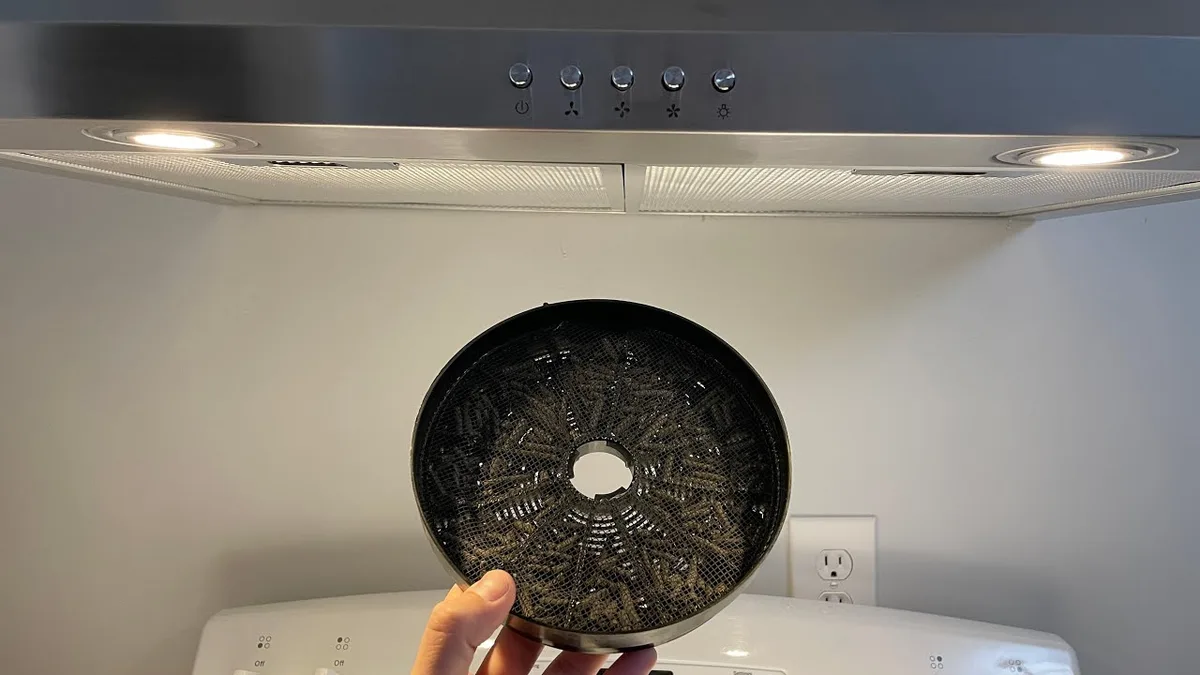
- Unplug the hood or flip the breaker. Confirm the gas valve is off if you're working near the cooktop.
- Remove the filters (twist-tabs or release latch). Set them face-up on a towel.
- Lay a drop cloth or painter's tape across the counter and backsplash.
- Work top-down: canopy top, front face, filter housing, duct access, light lens, then reassemble.
Mistakes that ruin finishes:
- Using steel wool or a green-scrub pad on stainless. You'll scratch the grain and trap grease in the scratches. Use a soft sponge or microfiber.
- Mixing chlorine bleach with vinegar or any acid. The reaction produces chloramine gas. Keep them in separate cabinets.
- Pouring oven cleaner (lye, NaOH) on aluminum filters. It pits and weakens the mesh within minutes.
- Letting water pool in the electrical housing of an under-cabinet ductless unit. Tilt the hood slightly and wipe away moisture immediately.
- Skipping the rinse. Detergent film left on glass or stainless dries into ghost streaks. Always follow with a clean damp cloth.
If you've already scrubbed the under-hood area and notice moisture migrating toward the plumbing connections below the sink, give those joints a quick visual check while the area is open. A small leak you catch now beats a swollen cabinet later.
Once the hood is dry and reassembled, run it on medium for 10 minutes to clear residual moisture before you cook again.
When to Stop DIY-ing and Book a Hood-and-Duct Service
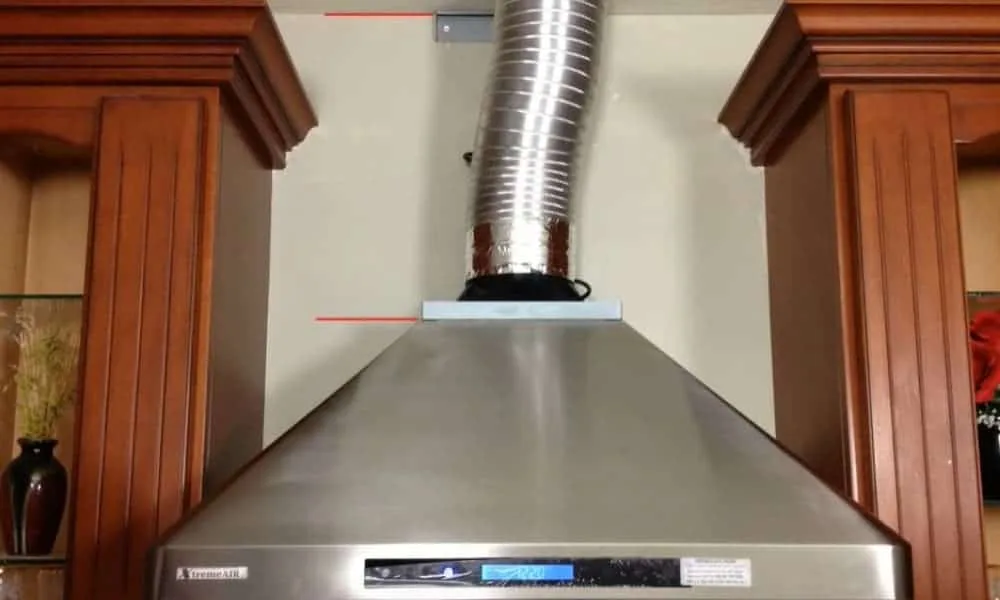
The tell is simple. You've tried the degreaser, the soak, the steam. The duct interior still looks like a charcoal painting.
That's polymerized carbon bonded to the metal. No household alkaline dissolves it without hours of dwell time and scrubbing that will scratch your finish.
Here's where DIY runs out:
- The duct run is sealed behind drywall or a bulkhead and you can't access the full interior
- The fan impeller is crusted and wobbles when you spin it by hand
- You've got a multi-elbow layout with 90-degree turns that a spray bottle can't reach
- Grease buildup is past 18 months and discoloration extends beyond the filter area
A professional hood-and-duct service (as of 2026, $120 to $250 for residential) will disassemble the fan housing, chemically bathe the impeller, pressure-wash the interior duct run, and rebalance the fan before reassembly.
If you've noticed a drip near the hood's mounting bracket, flag it before the tech arrives. Water migrating into the duct channel changes the cleaning chemistry they'll need.
Per NFPA 96 commercial kitchen ventilation standards, commercial hoods and ducts must be cleaned quarterly to semiannually with documented records. Residential owners aren't legally bound to that cadence, but the fire-risk math is identical. A clogged duct ignites at the same temperature regardless of code.
FAQs on Cleaning a Greasy Range Hood
Can I put range hood filters in the dishwasher?
Yes, if they're plain mesh or baffle steel. Skip the dishwasher for high-heat non-stick coatings. Load them on the top rack, skip rinse aid, and run a 45-minute cycle.
Air-dry completely before rehang.
What happens if I skip cleaning for a full year?
Airflow drops 40 to 60% on a clogged filter. The fan draws more power to compensate. Grease migrates into the duct channel.
Per NFPA 1, that's a fire-code violation in most jurisdictions. Your insurance may not cover a grease fire caused by neglect.
Does vinegar actually remove grease or is it just a myth?
Vinegar cuts light, fresh oil. It won't touch polymerized carbon or waxy buildup. For anything past two weeks, switch to an alkaline degreaser.
The baking soda paste works better for isolated spots and light discoloration around the light lens.
Can I use bleach on a stainless steel range hood?
You can, but only diluted (1 part bleach to 10 parts water) and for under 5 minutes. Chlorine attacks the chromium passivation layer on 304 and 430 stainless. Rinse thoroughly with a damp cloth.
Never mix bleach with vinegar or ammonia. The gas produced is toxic.
How often should I clean a range hood filter?
Light cooking: every 3 months. Regular frying or searing: every 4 to 6 weeks. Commercial kitchen: weekly to monthly.
Set a phone reminder. A clogged filter is the number-one reason hoods underperform. If you're doing a full kitchen maintenance pass and notice the hood looking grimy, that's your cue.
