
Choosing the right material for your mixing bowls can make a significant difference in your cooking and baking experience. Imagine whipping up a cake batter or tossing a fresh salad with ease, knowing that your bowl is just right for the job.
But with so many options available, how do you decide which material is best for you? You’re about to discover insights that could change the way you feel about your kitchen essentials. Whether you’re a seasoned chef or just starting out, finding the perfect mixing bowl material can streamline your tasks and enhance your culinary creations.
Dive in, and let’s uncover the secret to choosing the best material for your mixing bowls. Your cooking adventures are about to get a whole lot better!
Types Of Mixing Bowl Materials
Mixing bowls come in various materials like stainless steel, glass, ceramic, and plastic. Stainless steel is durable and lightweight. Glass is sturdy and doesn’t absorb odors. Ceramic adds aesthetic appeal. Plastic is budget-friendly and versatile. Each material has unique benefits for different cooking needs.
When choosing mixing bowls for your kitchen, it’s essential to consider the material. Each type of mixing bowl material has its own unique benefits and drawbacks. Picking the right one can make cooking more enjoyable and efficient. Let’s dive into the various types of mixing bowl materials you might consider.Glass Bowls
Glass bowls are a popular choice for many home cooks. They are versatile and can be used for mixing, serving, or even in the oven. Their transparent nature allows you to see the contents clearly, making it easier to monitor your mixing progress. One downside is that glass can be heavy and breakable. If you have children helping in the kitchen, you might want to think twice. However, the aesthetic appeal of glass bowls cannot be denied, often making them a favorite for food presentations.Stainless Steel Bowls
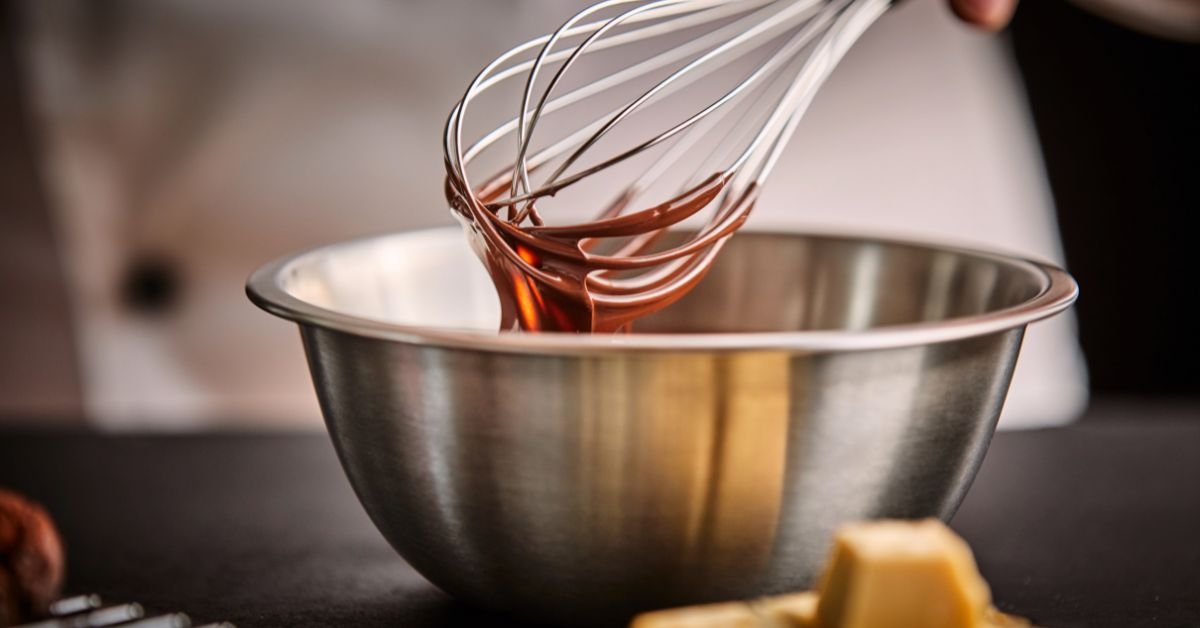
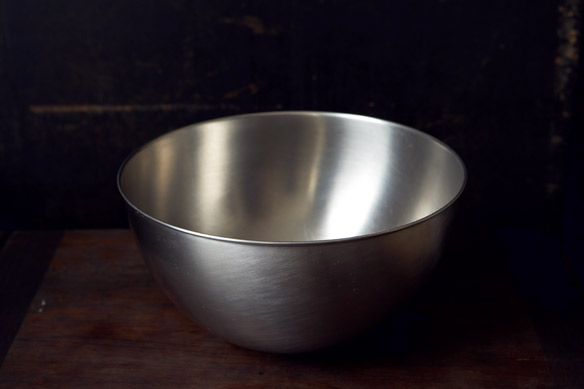
Stainless steel bowls are a staple in professional kitchens. They are lightweight, durable, and resistant to rust. You can use them for various tasks, from tossing salads to whipping cream. They don’t retain odors or stains, which is a significant advantage. However, they can be noisy during mixing and don’t work well for microwave use. Consider them if you value durability and ease of maintenance.Plastic Bowls
Plastic bowls are known for being lightweight and inexpensive. They’re great for casual cooking and perfect for involving kids in the kitchen. You can easily find them in a variety of colors and sizes. However, they can absorb odors and stains over time. Some plastics might not be microwave-safe or dishwasher-friendly. Always check the label before making a purchase to ensure they meet your needs.Ceramic Bowls
Ceramic bowls bring an elegant touch to any kitchen setting. They are often beautifully designed and can go straight from mixing to serving on the table. Their weight gives them stability during mixing. They can be more fragile compared to other materials, so handle them with care. If aesthetics and style are what you seek, ceramic bowls are an excellent choice. Would you prioritize beauty over practicality in your kitchen?Wooden Bowls
Wooden bowls offer a rustic and natural look, adding warmth to your kitchen decor. They are ideal for tossing salads or serving foods but not recommended for wet mixtures. Wood can absorb flavors and stains, which can be a concern for some cooks. These bowls require hand washing and occasional oiling to maintain their quality. If you enjoy the look and feel of natural materials, wooden bowls might appeal to you. Choosing the right mixing bowl material boils down to your cooking habits and personal preferences. Which material aligns with your kitchen style and cooking needs?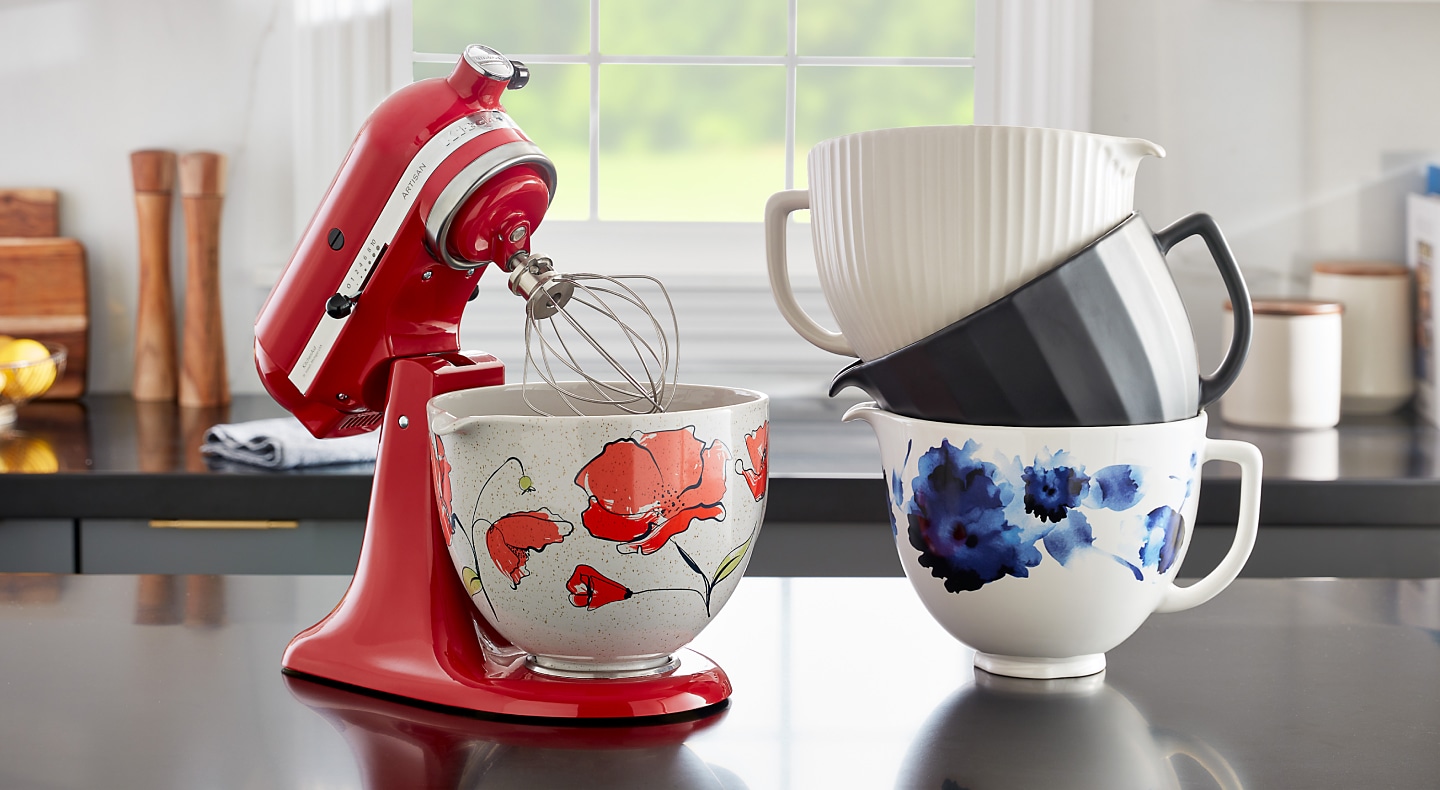
Credit: www.kitchenaid.com
Pros And Cons Of Each Material
Choosing the right mixing bowl material can affect your cooking experience. Each material has unique benefits and drawbacks. Understanding these can help you make an informed decision. Let’s explore the pros and cons of different materials in detail.
Durability Factors
Stainless steel bowls are highly durable. They resist rust and damage. Glass bowls are fragile but last long with care. Plastic bowls can crack over time. Ceramic bowls can chip or break easily. Consider how long you want your bowls to last.
Ease Of Cleaning
Stainless steel and glass bowls clean easily. They do not retain odors or stains. Plastic bowls can stain with use. They may retain strong odors. Ceramic bowls clean well but can have residue if not rinsed thoroughly.
Weight And Handling
Plastic bowls are lightweight and easy to handle. Stainless steel bowls are light but can be slippery. Glass and ceramic bowls are heavier. They may be hard to handle for some users. Choose based on your comfort with weight and grip.
Chemical Resistance
Stainless steel and glass bowls resist chemicals well. They do not react with acidic foods. Plastic bowls may degrade with strong chemicals. Ceramic bowls resist most chemicals but can stain with certain foods.
Heat Conductivity
Stainless steel conducts heat quickly. This can be a drawback for some recipes. Glass and ceramic bowls are better for retaining heat. Plastic bowls should not be used for hot foods. Consider how you will use your bowls in the kitchen.
Best Uses For Each Material
Selecting the right material for mixing bowls can enhance your cooking experience. Stainless steel bowls are ideal for whisking and beating ingredients. Glass bowls work well for microwaving and serving, while ceramic bowls offer durability for everyday use.
Choosing the right material for your mixing bowls can make a world of difference in your kitchen endeavors. Whether you’re a seasoned chef or just starting your culinary journey, understanding the best uses for each type of mixing bowl material can elevate your cooking and baking experience. From baking to salads, and even microwave-safe options, let’s explore how different materials can serve your kitchen needs best.Baking And Pastry
For baking enthusiasts, stainless steel is a go-to choice. Its lightweight nature makes it easy to handle, and it does not retain odors, which is perfect when you’re switching between sweet and savory recipes. Plus, it cools quickly, which can be advantageous when working with doughs and batters that require swift temperature changes. Ceramic bowls can also be a great option for baking. They retain heat well, allowing doughs to rise evenly. Just be cautious with heavy mixing, as ceramic can chip or crack under pressure.Salad Mixing
Wooden bowls are classic for salads. Their rustic charm adds to the dining experience, and they’re gentle on delicate greens, preventing bruising. However, they can absorb odors and flavors, so it’s best to keep them for salad use only. Glass bowls work well for both preparing and serving salads. Their transparency allows you to see the layers and colors of your ingredients, making your salad visually appealing. They are non-reactive, so they won’t affect the taste of your salads.Microwave Safe Options
If you often find yourself using your mixing bowls in the microwave, consider materials like glass or certain plastics labeled microwave-safe. Glass bowls withstand high temperatures and are non-toxic, which is ideal for reheating leftovers or melting butter. Plastic bowls can be convenient for microwaving due to their lightweight and easy handling. However, ensure they are BPA-free to avoid any harmful chemicals seeping into your food.Cold And Hot Preparations
For cold preparations, stainless steel bowls are excellent. They can be chilled in the refrigerator, making them perfect for whipping cream or mixing salads that need to stay cold. On the other hand, for hot preparations, ceramic bowls are ideal. They can withstand high oven temperatures, which is useful for dishes like soufflés or baked dips. Just be sure to handle them with care to avoid cracks. Have you ever used a material that surprised you with its versatility? Sometimes, the most unexpected choices can become kitchen favorites. Understanding the strengths of each material will help you choose the right mixing bowl for every culinary adventure.
Credit: www.northamptondrivingsociety.org
Care And Maintenance Tips
Proper care and maintenance extend the life of your mixing bowls. Each material requires different handling to remain in excellent condition. This guide will provide you with essential tips for caring for your mixing bowls.
Avoiding Scratches And Stains
Use wooden or silicone utensils to prevent scratches. Metal utensils can cause damage over time. Avoid abrasive cleaners that might leave marks. Rinse bowls soon after use to avoid stubborn stains. Especially when mixing acidic or colorful ingredients.
Proper Washing Techniques
Most mixing bowls are dishwasher-safe. Check manufacturer guidelines to be sure. Hand wash delicate materials like glass or ceramic with mild soap. Use warm water to help dissolve residues. Dry immediately to prevent water spots or rust.
Storage Solutions
Stack bowls carefully to save space. Place a cloth between them to prevent scratches. Keep them in a dry place to avoid moisture buildup. For glass or ceramic, ensure they are completely dry before storing. This prevents mold or mildew. Consider using bowl covers to keep them dust-free.
Choosing The Right Bowl For Your Needs
Choosing the right mixing bowl can make cooking easier. The material of your bowl affects its durability, weight, and usability. Different materials serve varied purposes in the kitchen. Consider your needs before picking the perfect bowl.
Budget Considerations
Think about how much you want to spend. Stainless steel bowls are often affordable and durable. Glass bowls may cost more but offer a stylish look. Plastic bowls are usually the cheapest but may not last long.
Frequency Of Use
If you cook often, choose durable materials like stainless steel or glass. These materials can handle frequent use without damage. Occasional cooks might prefer lighter materials like plastic, which are easy to handle.
Space And Storage Constraints
Consider your kitchen space. Nested bowls save storage room. Stainless steel bowls are typically stackable, helping with tight spaces. Glass bowls take up more space but can double as serving dishes.
Popular Brands And Recommendations
Finding the right mixing bowl can make cooking easier. Different materials offer various benefits. Popular brands provide options to suit every need. Here’s a guide to help you choose.
Top Rated Glass Bowls
Pyrex is a favorite for glass mixing bowls. They are durable and heat-resistant. Anchor Hocking offers affordable glass options too. Glass bowls are easy to clean. They do not hold odors. Consider glass for its transparency and style.
Best Stainless Steel Options
Cuisinart is a top brand for stainless steel bowls. They are lightweight and durable. Mixing in stainless steel feels sturdy. They are also rust-resistant. OXO provides non-slip bottoms for added stability. Stainless steel is great for both mixing and serving.
Affordable Plastic Choices
Plastic bowls are budget-friendly. They are lightweight and come in vibrant colors. Nordic Ware offers durable plastic options. Tupperware is another trusted brand. They are easy to store and handle. Perfect for casual use and kids.
High-end Ceramic Picks
Ceramic bowls are elegant and stylish. Le Creuset offers high-end ceramic choices. They are perfect for serving and baking. Emile Henry is known for colorful ceramic bowls. Ceramic is heavier but provides a classy touch. Ideal for special occasions.
Credit: food52.com
Frequently Asked Questions
What Is The Best Material For A Mixing Bowl?
Stainless steel is the best material for a mixing bowl. It is durable, lightweight, and resistant to stains. Stainless steel bowls are easy to clean and maintain. They can handle both hot and cold ingredients. This makes them ideal for various kitchen tasks.
What Bowls Are Best For Mixing?
Stainless steel or glass bowls are ideal for mixing. They are durable and resist stains and odors. Choose bowls with non-slip bases for stability. Ensure they are large enough to accommodate your ingredients comfortably. These materials help achieve the best results for various mixing tasks.
Are Ceramic Or Stainless Steel Bowls Better?
Ceramic bowls offer aesthetic appeal and are easier to clean. Stainless steel bowls are durable, lightweight, and resist bacteria. Choose based on your needs and preferences.
What Are Mason Cash Mixing Bowls Made Of?
Mason Cash mixing bowls are made of high-quality, durable earthenware. This material ensures strength and longevity. Their classic design includes a chip-resistant glaze. Ideal for both professional chefs and home cooks, these bowls maintain a traditional aesthetic. They are perfect for various kitchen tasks, from mixing to serving.
Conclusion
Choosing the right mixing bowl makes cooking easier. Consider the material that fits your needs. Stainless steel is durable and lightweight. Glass offers elegance and is microwave safe. Plastic bowls are budget-friendly and easy to store. Each material has its own benefits.
Think about your cooking style and kitchen space. The right bowl enhances your cooking experience. Start exploring materials to find the perfect match. Your kitchen deserves the best mixing bowl. Enjoy cooking with confidence and comfort.
